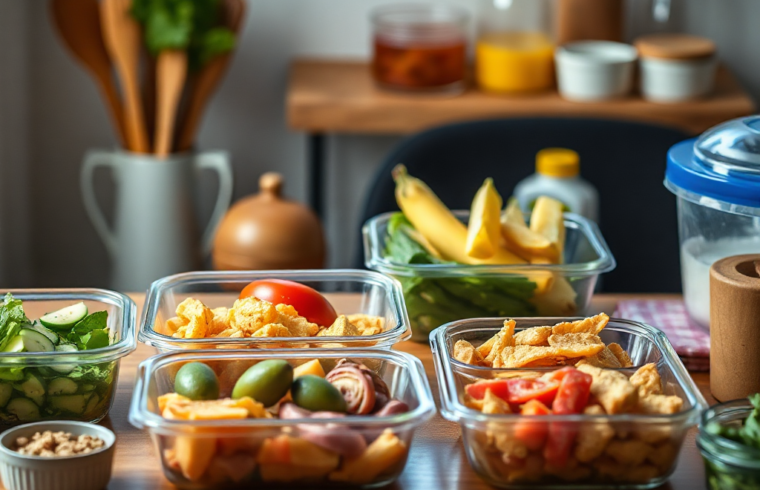
Can meal prepping prevent unplanned high calorie eating? Yes, it may reduce those episodes by making portions visible, lowering decision pressure, and keeping balanced options available when hunger or fatigue strikes. A useful prep routine combines a filling protein-and-fiber meal, measured calorie-dense extras, and a planned snack for predictable gaps between meals. Preparation is less effective when every serving is oversized, food variety is too limited, or ready meals are stored where they are difficult to see and use. Reviewing leftovers, hunger levels, and when overeating occurs helps you adjust the menu rather than treating meal prep as a guarantee.
Why Meal Prep Can Change Unplanned Eating
Meal prepping can reduce unplanned high calorie eating because it changes the decision made at the moment hunger appears. Without a ready option, a person may select takeout, snack directly from a large package, or combine several quick foods while waiting for dinner. A prepared meal creates a visible alternative with a defined portion and a known balance of ingredients.
The effect is practical rather than magical. Preparation removes some friction from eating a reasonable meal: vegetables are washed, grains are cooked, and a protein source is ready to reheat. That matters after a long workday, during a rushed lunch break, or when household members are eating at different times. The less effort required to assemble a satisfying plate, the less attractive an impulsive high calorie choice may seem.
Meal prep also makes calorie-dense ingredients easier to notice. A prepared container may contain rice, chicken, roasted vegetables, and a measured sauce, while an improvised meal can accumulate oil, cheese, creamy dressing, bread, and dessert without a clear stopping point. The difference is not that one food is forbidden. It is that preparation gives the eater a better view of the whole meal.
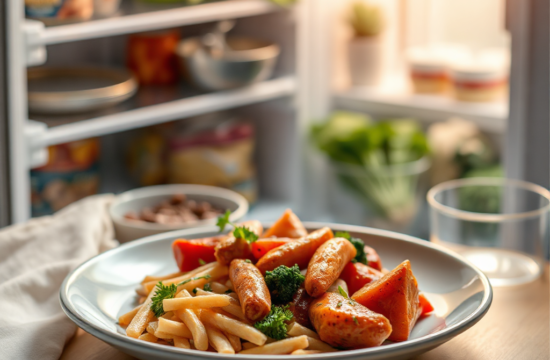
A useful comparison is batch cooking versus portion planning. Cooking a large pot of pasta and leaving it in the refrigerator may save time, but it does not necessarily prevent overeating. Dividing the pasta into meal-sized containers and adding vegetables and a protein source creates a more usable decision. The same principle applies to snacks: a bowl of nuts on the counter invites repeated handfuls, whereas small containers make the intended amount easier to follow.
Meal prep is less useful when it is built around foods that do not satisfy the person preparing them. A low-volume container of plain vegetables may be technically light but can lead to grazing later. The better question is whether the prepared option can compete with the food chosen during an unplanned eating episode. If it cannot, change its flavor, texture, portion, or protein and fiber content rather than relying on willpower.
Readers comparing preparation with other approaches may find the principles in Can meal prepping prevent unplanned high calorie eating useful when deciding whether the problem is access, portion size, or inadequate meal satisfaction.
How To Build Portions That Hold Up Under Hunger
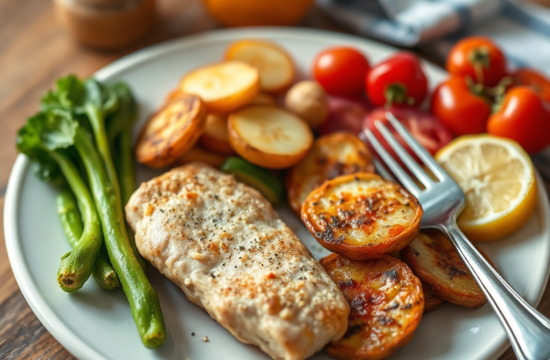
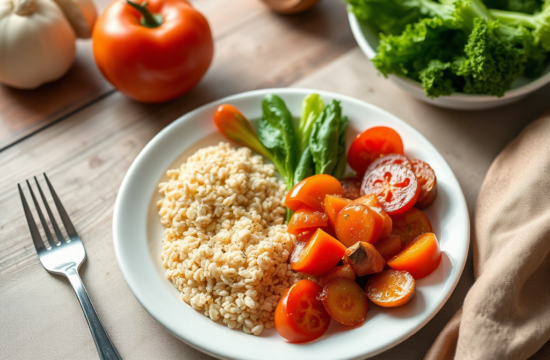
Portion design determines whether a prepared meal prevents later snacking or merely delays it. A dependable container usually includes a protein source, high-fiber plant foods, a satisfying carbohydrate or other energy source, and enough flavor to make the meal appealing. Examples include turkey with beans, brown rice, and peppers; tofu with edamame, vegetables, and noodles; or salmon with potatoes and a large salad.
Protein foods such as eggs, poultry, fish, tofu, lentils, Greek yogurt, and beans can make a meal more filling, while vegetables, fruit, oats, potatoes, and legumes contribute fiber and volume. These features do not guarantee appetite control, and individual responses differ, but they are generally more useful than building a container mainly from refined starch or highly processed snack foods. A meal of crackers alone may be convenient yet provide a short-lived sense of fullness.
Calorie-dense additions deserve measurement because small amounts can change the total energy of a container. Oil, pesto, mayonnaise, cheese, nuts, seeds, avocado, and creamy sauces can fit into a balanced pattern, but pouring them freely into several servings makes the final amount difficult to judge. Measuring a dressing into separate cups or using a spoon for cooking oil preserves flavor while limiting accidental overserving.
Consider a worker who prepares four bowls with chicken, quinoa, vegetables, and tahini sauce. If the sauce is mixed into the entire batch by eye, each bowl may differ substantially. Dividing the sauce separately allows the person to use more on a hungrier day and less when adding another calorie-dense side. This flexible arrangement is often more realistic than demanding identical portions every day.
Another important choice is whether to prepare complete meals or components. Complete meals are convenient for predictable schedules, but they may become repetitive or lose texture. Components offer variety and allow a person to adjust portions, although they require more decisions at serving time. Someone who tends to eat impulsively when tired may benefit from complete containers; someone who dislikes leftovers may do better with two cooked proteins, prepared vegetables, and fresh ingredients assembled as needed.
Check the plan after eating it for several days. Persistent evening hunger, frequent dessert seeking, or buying extra food despite having prepared meals suggests a mismatch. Increase meal volume with vegetables or legumes, add a measured carbohydrate portion, or schedule a snack containing fruit and yogurt. Cutting portions further may intensify the very hunger that drives unplanned eating.
Timing, Storage, And Access Matter
Prepared food only helps when it is available at the time and place hunger occurs. A nutritious lunch stored at home does not solve an afternoon office snack problem, and a dinner that requires extensive reheating may lose to delivery when someone arrives home exhausted. Planning must follow the actual eating environment rather than an idealized schedule.
Map the predictable pressure points first. If breakfast is rushed, prepare overnight oats, boiled eggs with fruit, or a reheatable breakfast burrito. If the danger period is between work and dinner, keep a ready snack such as yogurt, fruit, hummus with vegetables, or a portioned trail mix. If late-night eating follows an insufficient dinner, move some preparation effort toward a more satisfying evening meal instead of merely hiding snack foods.
Storage affects both food safety and adherence. Refrigerate perishable meals promptly, use suitable containers, and freeze portions that will not be eaten soon. Labeling containers with the meal and date reduces guesswork. Food that has developed an unpleasant texture, odor, or appearance should not be forced into the plan simply because it was prepared. Wasted food is frustrating, but eating questionable food is not a sound calorie-control strategy.
Visibility can work in either direction. Put ready meals at eye level and place planned snacks where they are easy to reach. Keep large bags of chips, sweets, or other trigger foods out of immediate view, or buy single portions if they are part of the household menu. This is not a requirement to remove every enjoyable food. It is a way to make the intended choice more convenient than the impulsive one.
Timing should remain flexible enough for real life. A fixed schedule may work during a regular workweek but fail on travel days, social evenings, or unexpected overtime. Preparing one emergency meal that can be frozen and one shelf-stable backup can prevent a minor schedule change from becoming an unplanned restaurant meal. The backup might be canned tuna with whole-grain crackers, a shelf-stable bean pouch with rice, or a prepared frozen entrée paired with vegetables.
Track whether meals are used, not just whether they were cooked. Repeatedly skipping containers because lunch timing changes indicates an operational problem. Smaller batches, freezer portions, or component prep may be better than a large Sunday routine that produces food no one wants by Thursday.
Common Meal-Prep Mistakes And Better Adjustments
The most common mistake is treating preparation as permission to eat unlimited amounts of a home-cooked dish. A casserole made with generous cheese, oil, cream, or refined starch can be high in calories even when it includes vegetables. Home cooking may improve ingredient control, but it does not automatically create a lower calorie portion.
A second mistake is preparing too much food at once. Five identical containers may look efficient, yet boredom can drive a person toward takeout while the prepared meals remain untouched. Two or three main meals plus frozen portions often provide a better balance between convenience and variety. Add fresh toppings, herbs, salsa, citrus, or different vegetables to create variation without cooking an entirely new menu.
Support Your Weight Loss Goals Huge Discount on the Best Certified Organic Nutrient Dense Supplement!
Underestimating snacks is another failure point. A person may plan breakfast, lunch, and dinner but leave a six-hour gap between lunch and the evening meal. By dinner, intense hunger can make a large portion feel urgent. A planned snack is not a breakdown in discipline; it can be a deliberate bridge that protects the next meal from becoming oversized.
Some people also use meal prep to impose excessive restriction. Containers that are too small, bland, or low in carbohydrate may produce predictable rebound eating. A more moderate plan can include a measured dessert, a favorite sauce, or a restaurant meal while keeping the rest of the week structured. The goal is not perfect control of every bite; it is fewer decisions made under fatigue and stronger awareness of portions.
Use this short review when the system is not working:
- Unused meals: change the batch size, texture, or storage method.
- Evening overeating: inspect lunch size, afternoon timing, and dinner satisfaction.
- Frequent extra sauces or snacks: portion calorie-dense items separately.
- Food fatigue: rotate flavors or prepare components instead of identical containers.
The mistake to avoid is responding to every problem by reducing portions. If the prepared meal is consistently followed by grazing, the issue may be inadequate satisfaction or poor timing rather than a lack of restraint.
A Practical Weekly Plan For Calorie Control
A workable routine can begin with one planning check: identify the two situations most likely to produce unplanned high calorie eating. Choose preparation that directly addresses those situations. Someone who orders lunch when meetings run long needs portable containers, while someone who snacks while cooking dinner may need a ready afternoon snack and a simple dinner that requires little tasting.
Prepare a limited set of ingredients rather than attempting an elaborate menu. Cook one or two proteins, one carbohydrate base, several vegetables, and one sauce. For example, roasted chicken, lentils, potatoes, green beans, chopped peppers, and yogurt-herb sauce can become bowls, wraps, or salads. Keep the sauce separate so portions remain visible and texture holds better.
Divide the result according to use. Make full meals for the busiest days, smaller component containers for flexible days, and one or two frozen backups. Place the next meal where it will be seen before hunger peaks. Pair the plan with a realistic snack rather than assuming every day will follow the same timetable.
After a week, assess three signals: prepared meals eaten, unplanned high calorie episodes, and satisfaction between meals. Improvement may look like fewer drive-through stops, less eating directly from packages, or easier portion decisions, even if every meal is not perfectly measured. Failure may look like repeated leftovers, strong hunger soon after eating, or dependence on extra snacks to make the plan tolerable.
Meal prepping should remain an adjustable tool. A person with medical dietary needs, a history of disordered eating, or a condition affected by food intake may need individualized guidance from a qualified clinician or registered dietitian. For general calorie awareness, the strongest routine is the one that makes balanced food convenient, keeps portions observable, accommodates variety, and survives an imperfect week.
Frequently Asked Questions
Does meal prepping automatically lower calorie intake?
No. It can make portions and ingredients easier to control, but a prepared dish may still be high in calories if it contains large amounts of oil, cheese, creamy sauce, or refined starch.
What should a meal-prep container include?
Use a satisfying protein source, fiber-rich vegetables or legumes, an appropriate carbohydrate or other energy source, and a measured flavorful topping. The exact portions depend on appetite, needs, and the rest of the day.
Can meal prep help with evening overeating?
It may help when evening eating follows skipped meals or a long gap. A prepared dinner and a planned afternoon snack can reduce extreme hunger, but persistent overeating may require adjusting meal satisfaction or addressing emotional triggers.
Is it better to prepare complete meals or ingredients?
Complete meals suit busy, predictable schedules, while prepared components offer more variety and portion flexibility. Choose complete containers if decisions are difficult when tired; choose components if repeated leftovers reduce your willingness to eat them.
How long should prepared meals be kept?
Follow current food-safety guidance for refrigeration and freezing, use clean containers, label dates, and freeze portions that will not be eaten promptly. Discard food with questionable odor, appearance, or storage history.
Conclusion
Meal prepping is most useful when it targets a specific eating problem rather than becoming a large weekly cooking project. Prepare the meals and snacks that are needed during rushed mornings, long workdays, or the gap before dinner. Build containers around satisfying foods, measure calorie-dense additions, and keep portions visible without making the plan unnecessarily restrictive.
Review what actually happens: which meals are eaten, when extra food appears, and whether hunger returns soon after preparation. Adjust batch size, timing, flavor, or meal composition based on those observations. A flexible system with frozen backups and some variety will usually withstand real schedules better than identical containers and rigid rules. Meal prep may reduce unplanned high calorie eating, but its value comes from making a satisfying, sensible choice easier at the moment it is needed.
Support Your Weight Loss Goals
HUGE DISCOUNT ON THE BEST CERTIFIED ORGANIC NUTRIENT DENSE SUPPLEMENT!
Related Content
Further Reading
Authoritative Sources
- American Red Cross Emergency Preparedness
redcross.orgPractical emergency preparation, safety, and supply guidance for households.
- FEMA National Preparedness
fema.govFederal preparedness, mitigation, response, and community-resilience resources.
- Ready.gov Preparedness Guidance
ready.govOfficial household preparedness guidance, checklists, alerts, and emergency planning resources.
- National Weather Service Safety
weather.govOfficial hazard, weather-readiness, and safety information.