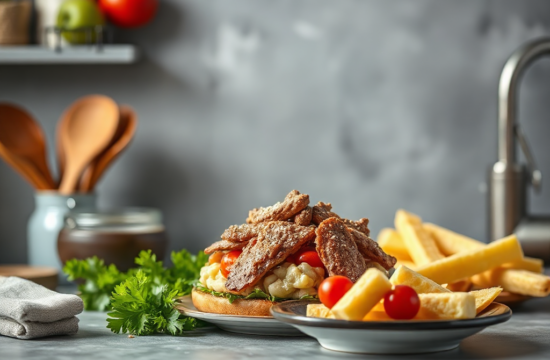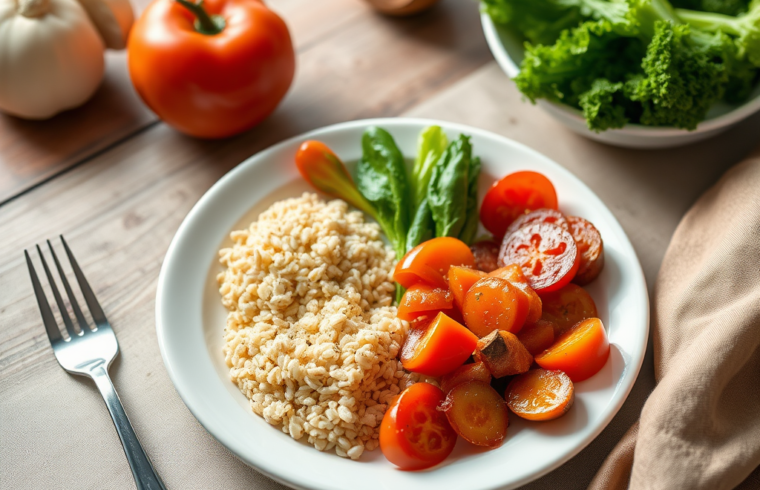
Portion sizes that support gradual weight loss usually combine half a plate of non-starchy vegetables, a quarter plate of protein, and a quarter plate of grains or starchy vegetables, with a modest amount of added fat. This structure moderates energy intake while preserving fiber, protein, and meal satisfaction, without requiring every food to be weighed. A palm-sized serving of protein, a cupped-hand serving of cooked starch, and one or two fists of vegetables offer useful starting points for many adults. Portions may need adjustment for hunger, activity, body size, medical needs, and progress over several weeks. The common mistake is shrinking meals so aggressively that hunger, cravings, and rebound eating follow.
A Portion Framework That Works at Ordinary Meals
A useful portion is not a fixed number that applies to every person or every meal. It is an amount that contributes to a modest energy deficit while leaving enough food volume and nutrients to make the pattern livable. For many people, a plate method is more practical than beginning with calorie calculations: fill about half the plate with non-starchy vegetables, one quarter with protein, and one quarter with a grain or starchy vegetable. Add a small amount of fat for flavor rather than allowing oils, dressings, cheese, or sauces to become unmeasured extras.
The visual method works because foods with different energy densities occupy different parts of the meal. Broccoli, peppers, leafy greens, mushrooms, and green beans provide substantial volume for relatively little energy, while rice, pasta, bread, nuts, and oil are more concentrated. A plate containing two cups of vegetables, a palm-sized piece of chicken, and a cupped-hand serving of cooked rice will usually be more filling than a plate dominated by rice and sauce, even if both look like a full dinner.
Hand portions offer a second layer of guidance when plates are unavailable. A palm is a starting point for protein, a cupped hand for cooked starch or fruit, a fist for vegetables, and a thumb for calorie-dense fats such as nut butter or oil. These references are not precision instruments. A larger person, someone with greater activity demands, or a person eating only two meals may reasonably need more than these starting points.
Use the framework at dinner, packed lunches, restaurants, and mixed dishes rather than treating it as a rule for one ideal meal. The aim is not to make every plate identical. It is to make the overall pattern recognizable: vegetables and protein occupy meaningful space, concentrated ingredients receive deliberate portions, and seconds become a choice rather than an automatic continuation.
How Protein, Produce, and Starch Fit on the Plate
Protein is often the portion component most worth protecting when meals become smaller. Eggs, fish, poultry, tofu, tempeh, beans, lentils, and plain Greek yogurt can make a meal more satisfying and help preserve a balanced eating pattern. A palm-sized serving of cooked meat or fish, two eggs with another protein source, or a serving of tofu or beans can be a reasonable meal anchor. The exact amount depends on the food and the person’s needs, so the visual guide should be treated as a starting point rather than a medical prescription.
Vegetables deserve generous space, but preparation changes the practical result. Steamed carrots and roasted carrots are both nutrient-dense; carrots roasted in a large amount of oil carry more energy from the cooking fat. A salad can look enormous while remaining highly concentrated if it includes several spoonfuls of dressing, nuts, cheese, avocado, and croutons. Keeping those additions visible and portioned makes the meal easier to assess than labeling the entire salad as automatically light.
Starches are not incompatible with gradual weight loss. Potatoes, oats, brown rice, corn, pasta, and whole-grain bread can provide carbohydrate and enjoyment, but their portions are easy to enlarge because they are often served from bowls or shared dishes. A cupped hand of cooked rice or pasta, a small-to-medium potato, or one slice of bread can serve as a first portion for a meal. A highly active person may need more, while someone pairing starch with several other carbohydrate foods may need less.
Consider a burrito bowl: a sensible arrangement might include a palm of chicken or tofu, a large serving of lettuce and salsa, a cupped hand of rice, beans in a moderate serving, and a measured spoonful of sour cream or guacamole. The tradeoff is clear: adding both a large rice serving and generous beans may be satisfying, but the total starch portion rises; reducing the vegetables to make room for toppings lowers volume. Readers seeking more meal ideas can also review portion guidance for gradual weight loss alongside their usual recipes.
Portion Differences Between Foods and Eating Situations
Equal-looking portions do not have equal effects on fullness or total energy intake. A tablespoon of oil, a small handful of nuts, and a large bowl of leafy greens occupy very different amounts of energy. That does not make oil or nuts bad foods; it means their portions benefit from deliberate measurement, especially when weight change has stalled. Measuring calorie-dense additions for a short period can reveal where a meal is becoming larger without feeling larger.
Processed snack foods create a different challenge because the package, not hunger, often determines the serving. Crackers, chips, cereal, and sweets are easy to eat directly from a bag or box. Put a chosen amount in a bowl, eat it with a planned protein or fruit pairing when appropriate, and return the package to the cupboard. This preserves flexibility while reducing unconscious refills. A rigid ban can backfire for some people; an unbounded family-size package is also a poor default.
Restaurant meals frequently exceed a comfortable home portion because of large plates, rich sauces, and shared starters. Before eating, decide whether to split the entrée, box part of it, or order a vegetable-based side with a protein-centered main. Pasta with cream sauce, for instance, may be easier to manage as a smaller portion paired with vegetables and grilled protein than as a large bowl eaten alone. At home, serve the planned amount in the kitchen instead of placing a serving dish within constant reach.
Mixed dishes require interpretation rather than false precision. In a casserole, estimate the protein, starch, vegetables, and added fat across the entire recipe, then choose a portion that leaves room for a vegetable side. If a meal contains little protein or produce, shrinking it further may simply create hunger. A more useful adjustment may be adding beans, yogurt, vegetables, or fruit and reducing the most concentrated component. The same principle applies to building portions around fullness when meals are shared or eaten away from home.
Adjusting Portions When Hunger or Progress Changes
Portion sizes should be tested against real feedback rather than judged after one meal. Track hunger between meals, energy during the day, satisfaction after eating, and body-weight trends over several weeks if monitoring weight is appropriate for you. A single weigh-in can reflect fluid, sodium, digestion, or menstrual-cycle changes, so it should not automatically trigger a major reduction in food.
If hunger arrives soon after a meal, first inspect composition before cutting more. A plate with a small amount of protein, refined starch, and little fiber may digest quickly and leave the person searching for snacks. Increase vegetables, choose a higher-fiber starch, or add a more substantial protein serving before assuming the answer is simply greater willpower. For example, replacing a small pastry breakfast with yogurt, berries, oats, and nuts may provide a more stable combination, although the nuts still deserve a measured amount.
If progress has remained unchanged for several weeks and portions have gradually expanded, make one modest adjustment. Reduce the added oil or sauce, use a smaller starch serving, or eliminate routine seconds while keeping protein and vegetables steady. Changing one variable makes it easier to identify what helped. Cutting every food group at once can produce fatigue, poor adherence, and a misleading short-term drop that does not represent a sustainable pattern.
Support Your Weight Loss Goals Huge Discount on the Best Certified Organic Nutrient Dense Supplement!
Activity and personal circumstances matter. Someone doing long endurance sessions, working a physically demanding job, or recovering from illness may need a different intake from someone who is sedentary. Pregnancy, diabetes, a history of eating disorders, gastrointestinal conditions, and medications can also change appropriate advice. A clinician or registered dietitian is the right source for individualized targets in those situations. The practical goal for most self-directed plans is a meal pattern that feels adequately nourishing and can be repeated without compensatory overeating.
Common Portion Mistakes and a Simple Daily Check
The most common error is confusing a smaller plate with a balanced portion. A tiny serving of vegetables, protein, and starch may look disciplined but can leave hunger unresolved. Another mistake is counting low-calorie foods carefully while ignoring oils, beverages, dressings, tasting while cooking, and weekend portions. These extras may matter because they add energy without adding much chewing or volume.
A second failure mode is using package serving sizes as personal recommendations. A label describes the quantity used for nutrition information; it does not determine how much an individual should eat. Conversely, treating every label number as a limit can make normal foods seem unnecessarily restrictive. Use labels to compare products and understand concentrated ingredients, then use hunger, meal composition, and longer-term progress to set a workable portion.
A short plate check can improve decisions without turning eating into constant arithmetic:
- Volume: Are vegetables or fruit providing meaningful bulk?
- Protein: Is there a clear source such as fish, eggs, beans, tofu, poultry, or yogurt?
- Concentration: Have oils, sauces, cheese, nuts, sweets, or liquid calories been portioned deliberately?
- Pattern: Will this meal likely carry you to the next planned eating occasion?
Apply the check before changing the entire diet. If meals are balanced but evening eating remains difficult, examine sleep, meal timing, stress, and access to snack foods rather than automatically halving dinner. If the plan works on weekdays but collapses at social events, practice restaurant portions and flexible choices instead of demanding perfect adherence. A gradual approach is successful when it produces repeatable decisions, adequate nourishment, and a trend that can be maintained.
Frequently Asked Questions
What is the easiest portion method for beginners?
Use the plate method: half non-starchy vegetables, one quarter protein, and one quarter starch, with a small measured amount of added fat.
Should I weigh every food to lose weight gradually?
No. Hand portions and plate proportions are often sufficient. A food scale can be useful temporarily for calorie-dense foods when visual estimates are unreliable.
Can I eat rice, pasta, or potatoes?
Yes. Begin with a cupped-hand serving of cooked starch or a small-to-medium potato, then adjust for hunger, activity, and the rest of the meal.
What should I do if smaller portions leave me hungry?
Check whether the meal contains enough protein, vegetables, and fiber. Increase those components before making another broad reduction, and consider meal timing and sleep.
How long should I wait before changing my portions?
Look for patterns over several weeks rather than reacting to one day or weigh-in. Make one modest adjustment at a time so the effect is easier to evaluate.
Conclusion
Gradual weight loss is more compatible with portions that are structured, satisfying, and flexible than with meals made as small as possible. Protect a meaningful protein serving, give vegetables or fruit enough space to add volume, keep starch portions deliberate, and measure concentrated additions such as oil, dressings, nuts, cheese, and sugary drinks when they are easy to underestimate. Use the plate method at home, adapt it for restaurants and mixed dishes, and judge the result by hunger, energy, adherence, and longer-term trends. If an approach produces persistent hunger or rebound eating, the answer is usually better meal composition or a smaller adjustment, not harsher restriction. Medical conditions, pregnancy, eating-disorder history, and unusual activity demands warrant individualized professional advice.
Support Your Weight Loss Goals
HUGE DISCOUNT ON THE BEST CERTIFIED ORGANIC NUTRIENT DENSE SUPPLEMENT!
Related Content
- What Are Realistic Body Transformation Timelines for Beginners: Steps and Expected Outcomes
- Tips To Shed Your Excess Pounds And Feel Great
- Embrace Freedom: Discover How to Lose Weight Without Obsessing Over Calories
- The Psychology of Successful Weight Loss
- Mastering the Art of Weight Management: How to Lose Weight Even With a Slow Metabolism
Further Reading
Authoritative Sources
- NIH Office of Dietary Supplements
ods.od.nih.govEvidence-based fact sheets about vitamins, minerals, supplements, and nutrition.
- CDC Nutrition
cdc.govOfficial public-health nutrition guidance and data.
- USDA FoodData Central
fdc.nal.usda.govOfficial food composition and nutrient data.
- MedlinePlus Health Information
medlineplus.govConsumer health information from the U.S. National Library of Medicine.