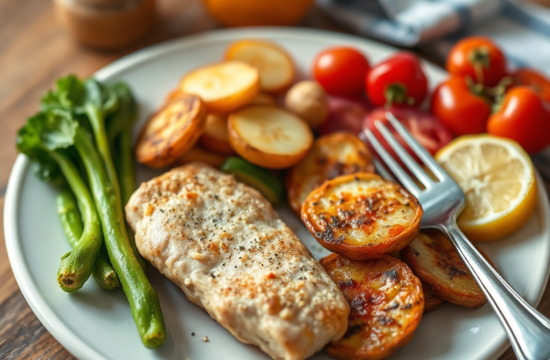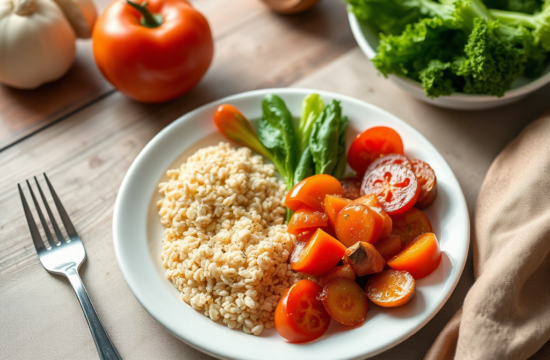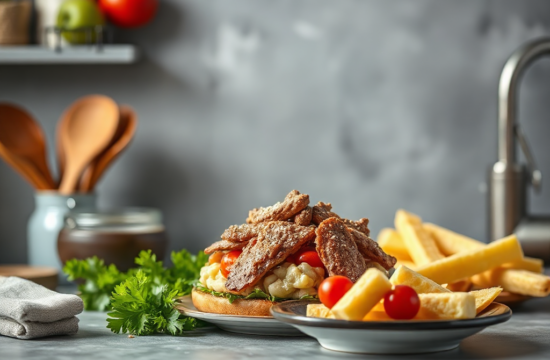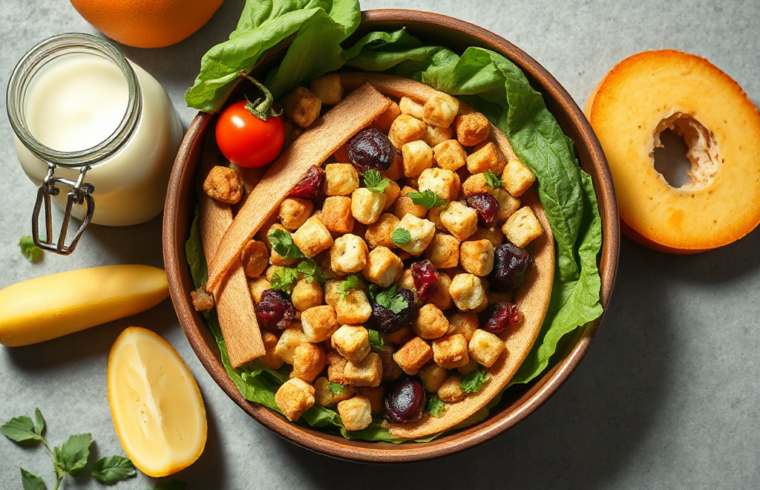
Calorie-dense healthy foods can slow weight loss because nutritious ingredients such as nuts, olive oil, avocado, cheese, granola, and dried fruit provide substantial energy in small portions, making it easy to exceed a calorie deficit. Their fiber, protein, and unsaturated fats may improve fullness, but those benefits do not cancel out energy density. Large handfuls, generous pours, frequent snacks, and calorie-heavy combinations can quietly raise daily intake. Keep these foods in your diet by measuring portions, choosing one concentrated fat source per meal when practical, and pairing smaller amounts with vegetables, fruit, legumes, or lean protein. Weight trends over several weeks are more useful than judging a single day.
Why Nutritious Foods Can Still Add Calories Quickly
Energy density explains why a food can be an excellent nutritional choice and still make a calorie deficit harder to maintain. Foods with little water and a concentrated amount of fat or carbohydrate deliver more calories in a smaller physical volume. Fat contains more than twice as much energy per gram as protein or carbohydrate, so a modest amount of oil, nuts, seeds, or nut butter can change a meal’s total without making the plate look much larger.
That does not make calorie-dense foods unhealthy. Extra-virgin olive oil, walnuts, avocado, and tahini can contribute unsaturated fats and other nutrients, while cheese may provide protein and calcium. The practical issue is dose. A spoonful of peanut butter, a casual pour of dressing, or a large handful of almonds can be considerably larger than the amount assumed during meal planning. Repeating that difference several times can erase the deficit created by otherwise sensible meals.
Fullness also has limits. Fiber, protein, and food volume influence appetite, but satiety is not a precise calorie meter. A person may feel satisfied after a bowl containing oats, chia seeds, nut butter, whole milk, banana, and granola while consuming far more energy than the same bowl made with fewer concentrated additions. The ingredients are individually defensible; the combination is simply dense.
A useful comparison is a baked potato beside a tablespoon of oil. The potato contains water and occupies substantial space, whereas the oil adds concentrated calories with almost no volume. Replacing some of the oil with broth, salsa, yogurt, or vegetables may preserve flavor and increase volume. The goal is not to remove every calorie-dense ingredient, but to notice which additions provide the most energy for the least visual bulk.
Readers who are trying to interpret Why calorie-dense healthy foods can slow weight loss should separate food quality from calorie concentration. Both matter, but they answer different questions: quality concerns nutrients and processing, while concentration affects how easily a planned intake can be exceeded.
The Healthy Foods Most Likely to Distort Portions
Nuts, seeds, oils, avocado, full-fat dairy, dark chocolate, granola, dried fruit, and coconut products are common portion traps because they are easy to eat quickly and difficult to estimate by sight. Their nutritional value can encourage a permissive attitude: a snack is labeled “clean,” “natural,” or “healthy,” so its quantity receives less attention. That mental shortcut is often more influential than the food itself.
Oil is a particularly clear example. Sautéing vegetables with a measured teaspoon is different from pouring oil directly into a pan until the surface is coated. Salad dressing creates the same issue. A salad built around leafy greens can become energy-dense when it includes oil-based dressing, cheese, nuts, seeds, avocado, and croutons together. None of those items is automatically a problem, but using all of them generously can turn a low-volume meal into a high-calorie one.
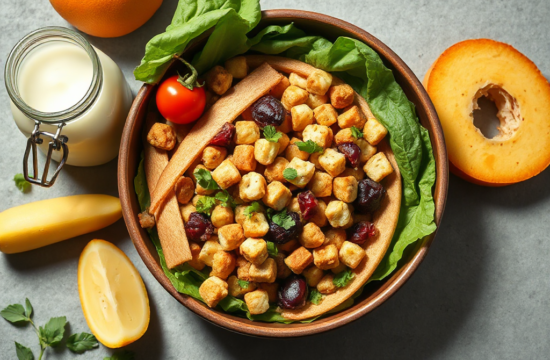
Dried fruit deserves separate attention. Removing water makes raisins, dates, apricots, and banana chips portable and shelf-stable, but it also makes several pieces equivalent to a much larger amount of fresh fruit by volume. A trail mix can combine dried fruit with nuts, chocolate, and seeds, creating a snack that is convenient but concentrated. Fresh fruit paired with yogurt may provide more volume for a similar or lower calorie budget, depending on portions and product choices.
Granola and “energy” snacks create a similar contrast with plain oats or air-popped popcorn. Added oils, syrups, nuts, and chocolate increase flavor and texture, yet a small cup may represent multiple servings according to the package. A person eating from the bag or container loses the visual boundary that makes portion awareness easier.
When choosing among these foods, consider the job each one performs. If olive oil supplies cooking fat, a large amount of avocado may be unnecessary at the same meal. If nuts are the snack’s main fat source, adding nut butter to a smoothie may not improve fullness enough to justify the extra concentration. This kind of substitution is more sustainable than treating every calorie-dense food as forbidden.
How Pairings, Preparation, And Snacking Change Intake
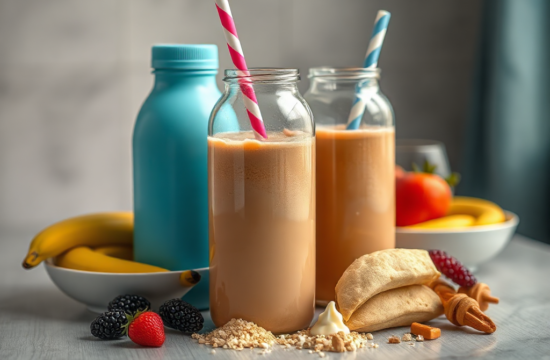
Calorie density becomes more consequential when several concentrated foods appear in the same eating occasion. A smoothie with whole milk, banana, oats, protein powder, peanut butter, and honey may be nutritious, but it can provide the energy of a substantial meal while being consumed in minutes. Liquid or finely blended foods may also be less visually satisfying than a plated meal, even when their ingredients are similar.
Preparation changes the equation because cooking methods can add calories without adding much volume. Roasting vegetables with oil, pan-frying potatoes, or dressing grains heavily can raise the meal’s total more than expected. Restaurant meals frequently combine cooking fat, sauces, cheese, and refined starches; a dish described as containing vegetables or whole grains may still be dense because of the preparation.
Snacking has a separate effect. A measured portion of walnuts may fit well into a day, while repeatedly eating a few pieces while working, driving, or cleaning can create several unrecorded servings. Grazing is hard to evaluate because each episode feels too small to count. The cumulative pattern matters more than whether any single bite appears excessive.
Consider two breakfasts. The first is toast with avocado, eggs cooked in oil, cheese, and a latte made with whole milk. The second uses less avocado and cooking oil, keeps the eggs, adds tomatoes and fruit, and uses a smaller milk serving. Both can be satisfying and nutritious, but the second leaves more room for later meals without requiring extreme restriction. The comparison is not “healthy versus unhealthy”; it is concentrated versus distributed intake.
A common mistake is to compensate by removing protein or vegetables first. That may reduce the meal’s staying power and lead to hunger later. A better adjustment usually targets the least filling concentrated addition: excess oil, a second handful of nuts, a sweetened beverage, or a large sauce. The calorie-dense healthy foods can slow weight loss problem is often solved by changing combinations rather than abandoning nutrient-rich ingredients.
A Practical Portion Method That Preserves Nutrition
Portion control works best when it is specific enough to guide decisions but flexible enough for ordinary life. Begin by identifying concentrated ingredients before serving: oils, spreads, nuts, seeds, cheese, dried fruit, granola, and creamy sauces. Measuring these items for a short period can reveal whether visual estimates are consistently generous. The purpose is calibration, not permanent dependence on a food scale.
Build the rest of the meal around volume and staying power. Vegetables, fresh fruit, beans, potatoes, whole grains, eggs, fish, poultry, tofu, and plain yogurt can occupy more space or provide protein and fiber. Calorie density varies within each category, so preparation still matters. A baked potato and a large serving of fries begin with the same basic food but do not offer the same volume for the same calorie budget.
Support Your Weight Loss Goals Huge Discount on the Best Certified Organic Nutrient Dense Supplement!
Use this compact check before adding a concentrated ingredient:
- What role does it serve? Flavor, cooking, protein, texture, or convenience?
- Is another concentrated ingredient already doing that job? Avoid stacking several sources without noticing.
- Can the portion be measured or pre-portioned? Small bowls and single-serving containers reduce automatic refills.
- Will the change reduce satisfaction? If so, keep the ingredient and adjust a less filling addition elsewhere.
A person who enjoys peanut butter does not need to replace it with a food they dislike. They might measure it onto toast, use berries for additional volume, and skip an unmeasured granola topping. Someone who enjoys avocado can use a thinner spread, add beans or vegetables, and keep the meal’s protein intact. These exchanges preserve taste while reducing the chance that several dense ingredients quietly accumulate.
Budget and convenience also matter. Pre-cut vegetables, single-serve yogurt, frozen fruit, and portioned nuts may cost more per unit but reduce decision friction. Alternatively, buying larger packages and dividing them immediately can be economical. The preferable method is the one that remains accurate during busy mornings, travel, or family meals rather than the one that works only under ideal conditions.
How to Judge Progress Without Overcorrecting
A scale trend over several weeks gives more useful feedback than one unusually high or low weigh-in. Body weight can shift with fluid, sodium, bowel contents, menstrual-cycle changes, and training-related inflammation. If the trend is not moving as expected after a consistent period, review concentrated additions before cutting entire food groups.
Keep a short audit for several ordinary days. Record cooking oil, dressings, drinks, tastes while preparing food, and snacks eaten directly from packages. Compare the planned portion with the served portion. This often identifies the problem faster than searching for a new “fat-burning” food or imposing a severe restriction.
Signs that the adjustment is sensible include stable energy, manageable hunger, meals that still contain protein and produce, and a gradual trend that does not depend on skipping food. Signs that the approach is too aggressive include persistent fatigue, intense preoccupation with eating, repeated evening overeating, or inability to maintain normal activities. Weight loss goals should be considered alongside health needs, medications, eating-disorder history, and individual medical circumstances; a registered dietitian or clinician can provide personalized guidance when those factors apply.
Do not assume that eliminating nuts, oils, avocado, or whole-milk dairy will automatically improve results. These foods may make meals more satisfying and can contribute useful nutrients. The more reliable question is whether their portions and combinations fit the person’s overall intake. The food choices that support a calorie deficit are often the same foods someone wants to retain, simply used with clearer boundaries.
Frequently Asked Questions
Are calorie-dense healthy foods bad for weight loss?
No. They can fit into a weight-loss eating pattern when portions are intentional and the overall daily intake remains appropriate. Their nutrients, flavor, and satiety may make meals easier to sustain.
Which healthy foods are easiest to overeat?
Oils, nuts, nut butters, seeds, avocado, cheese, granola, dried fruit, and creamy dressings are common examples because they contain substantial energy in relatively small servings.
Should I stop eating avocado or nuts?
Usually not automatically. Measure a smaller serving, avoid stacking several concentrated fat sources in one meal, and retain the foods that improve satisfaction and nutritional quality.
Can healthy smoothies slow weight loss?
They can if multiple dense ingredients are blended together and consumed quickly. Check the amounts of milk, oats, nut butter, sweeteners, and toppings, then consider adding whole fruit or vegetables for more volume.
How can I tell whether portions are slowing my progress?
Track ordinary portions for a few days, including oils, sauces, drinks, and unplanned bites. If the longer-term weight trend stalls, adjust the least filling concentrated additions before removing protein or produce.
Conclusion
Nutritious food quality and calorie concentration are separate parts of the weight-loss equation. Nuts, oils, avocado, cheese, granola, and dried fruit can remain on the menu, but their small serving sizes make measuring and pairing useful. Start by auditing the foods that are poured, spread, sprinkled, or eaten from a package, then look for stacked calorie sources in the same meal. Keep protein, vegetables, fruit, and other filling foods visible rather than cutting them first. Judge changes against a multi-week trend and your hunger, energy, and ability to maintain ordinary routines. If weight loss remains difficult despite consistent habits, personalized support from a qualified health professional may help identify medical, behavioral, or dietary factors that a simple calorie adjustment cannot address.
Support Your Weight Loss Goals
HUGE DISCOUNT ON THE BEST CERTIFIED ORGANIC NUTRIENT DENSE SUPPLEMENT!
Related Content
Further Reading
Authoritative Sources
- USDA FoodData Central
fdc.nal.usda.govOfficial food composition and nutrient data.
- CDC Nutrition
cdc.govOfficial public-health nutrition guidance and data.
- MedlinePlus Health Information
medlineplus.govConsumer health information from the U.S. National Library of Medicine.
- NIH Office of Dietary Supplements
ods.od.nih.govEvidence-based fact sheets about vitamins, minerals, supplements, and nutrition.