“Low-fat,” “sugar-free,” “natural,” “light,” and “high-protein” label claims can mislead people trying to lose weight when they draw attention away from calories, serving size, added sugars, fiber, and total ingredients. A reduced-fat product may replace fat with starch or sugar, while a sugar-free snack can still contain substantial calories from flour or fat. “Made with whole grains” does not mean the food is mostly whole grain, and “no added sugar” does not mean sugar-free. Compare the Nutrition Facts panel, serving amount, ingredient list, and per-package calories before treating a front-of-pack claim as evidence that a food supports your goal.
Why Front-of-Pack Claims Can Distort a Weight-Loss Decision
Front-of-package claims are designed to make one characteristic noticeable, not to describe the complete nutritional profile. Words such as “light,” “fit,” “wholesome,” or “smart choice” may create a health impression before a shopper checks the serving size, calorie count, or ingredient list. That impression can influence both product selection and portion size.
The main problem is not that every claim is false. A regulated nutrient claim may accurately describe one attribute while leaving out another that matters more for the meal. A cereal labeled “high fiber,” for instance, may provide useful fiber but also contain considerable added sugar. A reduced-fat dressing may have fewer calories per tablespoon than its original version, yet pouring freely can erase that difference.
Weight change is influenced by the overall energy pattern of a person’s diet, appetite, activity, and portion habits—not by a single reassuring phrase. The practical question is therefore not “Does this package look healthy?” but “What will I actually eat, in what amount, and what does the whole label show?” The label claims that can mislead people trying to lose weight become easier to spot once that question becomes routine.
A common failure occurs when a front claim changes expectations. Someone may eat a larger serving of “low-calorie” crackers or choose a second “protein” bar because the product seems compatible with dieting. The claim has not changed the food’s energy content; it has changed the person’s interpretation. Treating the package as a permission signal is often more consequential than the wording itself.
Claims That Hide Calories, Sugar, or Serving Size
“Low-fat,” “fat-free,” “sugar-free,” “no added sugar,” and “light” deserve a check against the full Nutrition Facts panel. Removing one ingredient does not automatically make a food low in calories. Fat may be replaced with starch, sweeteners, or thickeners, while sugar-free products can still contain calories from flour, nuts, oils, or other carbohydrates.
“No added sugar” has a narrower meaning than many shoppers assume. It indicates that sugars were not added during processing, but the product may contain naturally occurring sugars from fruit, milk, or concentrated ingredients. A fruit snack or smoothie can still be calorie-dense even without added sugar. Conversely, “sugar-free” does not necessarily mean carbohydrate-free or low-calorie; sugar alcohols and other sweetening ingredients may affect digestion and taste without making the product a free food.
Serving size is another frequent trap. A package may contain two or three servings even when it looks like one individual snack. If the label lists 140 calories per serving and the entire package contains three servings, eating the package supplies 420 calories. “100-calorie” portions are useful only when the portion printed on the label matches what the person consumes.
Compare a regular granola bar with a “reduced-sugar” bar rather than assuming the latter is automatically better. The reduced-sugar option may contain fewer sugars but similar calories because it uses more fat or starch. If the bar is eaten as a quick snack, the more useful choice may be the one with enough fiber or protein to be satisfying, not simply the one with the most appealing claim.
- Check calories for the amount you will actually eat.
- Read servings per container before opening a package.
- Compare added sugars, fiber, protein, and saturated fat together.
- Look at the ingredient list for oils, syrups, refined flour, and concentrated sweeteners.
The mistake to avoid is replacing one isolated number with another. Lower sugar, fat, or calories may be helpful, but the decision should reflect the entire portion and the food’s role in the meal.
Health-Sounding Claims That Say Less Than They Suggest
Claims such as “natural,” “made with whole grains,” “multigrain,” “gluten-free,” and “organic” can be meaningful for particular preferences, allergies, or dietary needs, but they do not automatically indicate that a product is suitable for weight loss. These phrases describe sourcing, ingredients, or processing features rather than the food’s total calorie density or ability to satisfy hunger.
“Made with whole grains” may mean that some whole-grain ingredient is present alongside refined flour. The ingredient list reveals the order and prominence of those ingredients. A bread with whole-wheat flour near the beginning may differ substantially from a sweet baked product that advertises a small amount of oats. “Multigrain” describes the number of grains, not whether those grains are whole.
“Gluten-free” is essential for people who must avoid gluten, but it is not a weight-loss claim. Gluten-free cookies, crackers, and snack bars can contain similar amounts of calories, sugar, and fat as conventional versions. “Organic” describes production standards for specified ingredients; it does not establish that a packaged dessert is lower in calories or appropriate in unlimited portions.
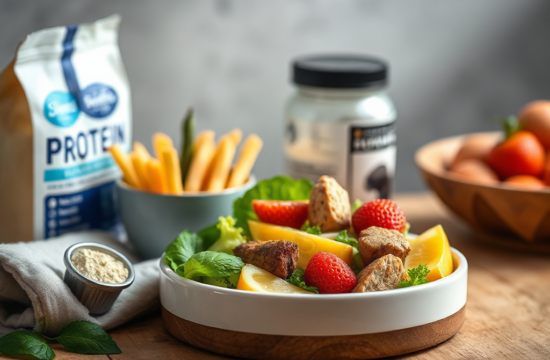
“High-protein” can also create a misleading halo. Protein may support fullness for some people, but a high-protein cookie or shake can still be a calorie-dense dessert or meal substitute. Compare it with a less processed option such as plain Greek yogurt with berries, eggs with whole-grain toast, or beans added to a meal. The packaged product may be convenient, yet convenience and nutritional superiority are not the same thing.
A useful scenario is the afternoon snack aisle. A shopper choosing between fruit, nuts, a protein bar, and a “natural” granola square should consider hunger level, planned dinner, portability, and portion control. The best option depends on the situation. A bar may be practical during travel, while fruit and yogurt may provide more volume at home. The common mistake is treating a sourcing or lifestyle claim as a complete assessment of the food.
A Better Way to Read Labels for Weight Management
Use the front claim as a prompt for investigation, not as the conclusion. Turning the package over creates a more reliable sequence: identify the serving amount, calculate the calories for the portion, inspect nutrients that affect fullness, and then review the ingredients. This approach reduces the chance that one favorable phrase will dominate the decision.
Start with the amount you realistically plan to eat. If you usually eat two servings of cereal, double the listed calories, sugar, and other nutrients before comparing brands. Next, consider whether the food will be eaten alone or with other items. A small amount of peanut butter may fit well with an apple, but the same food can add up quickly when spread thickly on toast and used in a smoothie.
Fiber and protein can make a food more satisfying, but neither cancels calories. A product with both may be useful when it replaces a less filling snack, not when it is added on top of regular meals. Whole foods such as vegetables, fruit, legumes, potatoes, dairy, eggs, fish, and minimally processed grains often make portion volume easier to manage, though packaged foods can also fit a balanced eating pattern.
Support Your Weight Loss Goals Huge Discount on the Best Certified Organic Nutrient Dense Supplement!
Apply this compact label check:
- Serving reality: Decide whether the printed serving resembles your normal portion.
- Energy check: Multiply calories by the number of servings you expect to eat.
- Fullness check: Look for useful protein or fiber, while noticing whether the food is easy to overeat.
- Ingredient check: Identify refined flour, oils, syrups, and concentrated sweeteners when they are relevant.
- Meal role: Decide whether the item replaces food or is being added as an extra.
Compare products within the same category rather than comparing a snack with a completely different food. A lower-calorie yogurt may be useful if it retains enough protein and is not followed by extra snacking. If it leaves you hungry, a slightly higher-calorie yogurt with more protein may work better in the day’s total pattern. The goal is a repeatable choice, not the lowest number on one panel.
When a Label Claim Is Actually Useful
Label claims can simplify decisions when they answer a specific need and are confirmed by the rest of the package. “Low-sodium” may help someone limiting sodium, “high-fiber” may help a person increase fiber gradually, and “no added sugar” may help someone reduce added sweeteners. Their value depends on the claim matching the person’s purpose.
For weight management, a claim is most useful when it supports a concrete comparison. Suppose two yogurts have similar calories per serving, but one contains more protein and less added sugar. That information may make it easier to choose a satisfying breakfast. If two breads have similar calories, the one with more fiber and a whole-grain ingredient prominent in the list may provide a more useful everyday option. Neither choice guarantees weight loss; it simply offers better information for building meals.
Convenience is a legitimate constraint. A packaged meal with a clear portion, adequate protein, and vegetables may be more practical than an idealized meal that is never prepared. The tradeoff is that convenience products can be expensive, highly palatable, or small enough to leave a person searching for more food. Check whether the product consistently helps you manage hunger and portions rather than judging it by its marketing language.
Watch for signs that a claim is working in practice: the portion is predictable, the food fits the meal, hunger remains manageable, and you are not compensating with unplanned snacks. Signs that the approach is failing include eating multiple “diet” products, ignoring serving sizes, or choosing foods primarily because they sound virtuous. At that point, return to basic comparisons and consider simpler foods.
The most confusing package claims for dieting are not necessarily the claims attached to unhealthy foods. Even a nutritious product can undermine a plan when portions are overlooked or when it is added rather than substituted. A label should improve your estimate of what you are eating, not replace judgment about hunger, context, and total intake.
Frequently Asked Questions
Does “low-fat” mean a food is better for weight loss?
Not automatically. Check calories, serving size, added sugar, and whether the reduced-fat version is easy to overeat.
Can sugar-free foods help with weight loss?
They may reduce sugar intake, but sugar-free products can still contain calories from flour, fat, or other ingredients.
Why can a high-protein snack still be unhelpful?
Protein does not erase calories, and some high-protein bars, cookies, and shakes are energy-dense or eaten in addition to meals.
What should I read first on a food label?
Begin with servings per container and serving size, then check calories for your actual portion before reviewing protein, fiber, added sugars, and ingredients.
Conclusion
Food-package claims become misleading when they turn one favorable feature into a judgment about the entire product. “Low-fat,” “sugar-free,” “natural,” “whole grain,” and “high-protein” may each provide useful information, but none replaces a look at serving size, calories, ingredients, added sugars, fiber, and protein. Make the label work for your actual routine: calculate the portion you will eat, decide whether the item replaces or adds to a meal, and compare similar products on more than one measure. A packaged convenience food can fit a weight-management plan when it is satisfying and portionable. If a claim repeatedly leads to oversized servings or extra snacking, ignore the marketing emphasis and choose a simpler option that makes intake easier to judge.
Support Your Weight Loss Goals
HUGE DISCOUNT ON THE BEST CERTIFIED ORGANIC NUTRIENT DENSE SUPPLEMENT!
Related Content
- Breaking Through Common Weight Loss Myths
- How to Balance Social Life While Dieting: Practical Steps for Enjoyable Experiences
- How to Lose Weight With High-Protein Dieting: Key Foods and Effective Strategies
- Stop The Yo-Yo Cycle With These Simple Weight Loss Tips
- Meal Planning Made Easy: The 5-Minute Solution to Stress-Free Healthy Eating
Further Reading
Authoritative Sources
- USDA FoodData Central
fdc.nal.usda.govOfficial food composition and nutrient data.
- CDC Nutrition
cdc.govOfficial public-health nutrition guidance and data.
- MedlinePlus Health Information
medlineplus.govConsumer health information from the U.S. National Library of Medicine.
- NIH Office of Dietary Supplements
ods.od.nih.govEvidence-based fact sheets about vitamins, minerals, supplements, and nutrition.