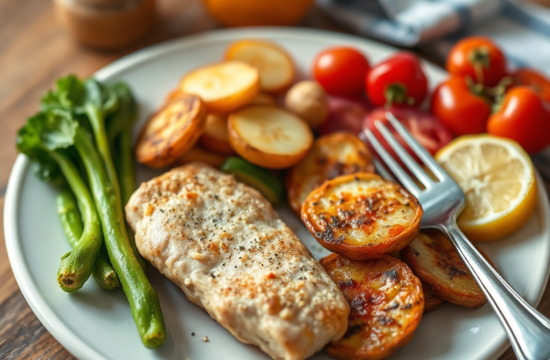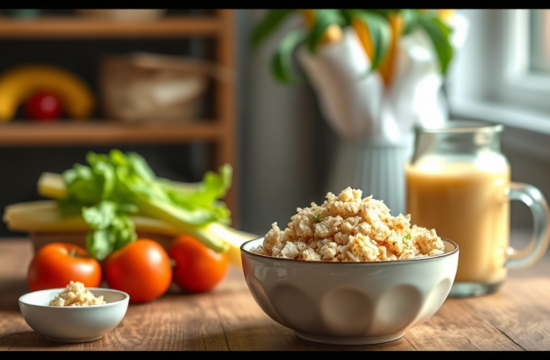
Manage intense hunger without abandoning your diet by first checking whether the urge reflects a genuinely under-fueled day, a long gap between meals, poor sleep, stress, or thirst, then use a filling food combination rather than trying to suppress it. A meal containing protein, fiber-rich carbohydrates, vegetables, and some fat usually provides more lasting satisfaction than a small snack built mainly from refined carbohydrates. Drink water, pause briefly, and choose a planned option such as Greek yogurt with berries, eggs with whole-grain toast, or beans with vegetables. If severe hunger repeatedly disrupts your plan, the calorie deficit, meal timing, or food restrictions may be too aggressive and should be adjusted.
Find Out Why Hunger Feels Intense
Intense hunger is not automatically evidence that a diet is working. It may reflect too little food, too much time between meals, inadequate protein or fiber, disrupted sleep, emotional stress, increased activity, or a habit linked to a particular time of day. The useful first question is not whether you should ignore the feeling; it is what changed before it appeared.
Physical hunger often builds gradually and can be satisfied by several types of food. A craving may arrive suddenly and focus on one highly palatable item, although real hunger and craving can occur together. A practical check is to rate hunger from 0 to 10 and note the last meal, fluids, sleep, exercise, and mood. A rating near 8 after a long interval and a light breakfast points toward under-fueling, while an urge appearing every evening after stressful work may need a different response.
Trying to overpower genuine hunger with willpower can backfire. The person may delay eating, become distracted, then consume food quickly and beyond comfort later. That pattern is not a character flaw; it is a predictable consequence of combining strong appetite with limited planning. Review your dieting habits alongside the hunger pattern rather than judging one difficult episode.
Do not assume thirst explains every episode, and do not use water as a substitute for food when you have eaten very little. Drink normally, then reassess. If hunger is accompanied by shakiness, faintness, confusion, vomiting, or other concerning symptoms, seek medical advice rather than treating it as an ordinary dieting problem.
Build Meals That Hold You Longer
Meal composition has a direct effect on how long a meal feels satisfying. Protein contributes to fullness, fiber adds volume and slows digestion, and a modest amount of fat can make a meal more satisfying. Vegetables, fruit, beans, oats, potatoes, brown rice, eggs, fish, tofu, poultry, plain yogurt, and nuts provide useful building blocks, but no single food guarantees freedom from hunger.
A bowl of sweetened cereal may provide quick energy yet leave someone looking for food soon afterward. Replacing it with oatmeal topped with Greek yogurt and berries, or eggs with whole-grain toast and fruit, adds protein and fiber without requiring an extreme restriction. At lunch, a salad containing only leafy greens may look large but remain unsatisfying; adding chickpeas, chicken, tofu, potatoes, or a whole-grain roll makes the meal more substantial.
Portion size still matters. A very large serving of calorie-dense foods can consume much of a daily target without producing proportional fullness, while an overly small “diet” meal may leave you preoccupied with food. The practical goal is a meal that fits the plan and contains enough volume to be satisfying. USDA FoodData Central can help compare the protein, fiber, and energy content of foods when labels or estimates are unclear.
Use this simple plate check when hunger is recurring:
- Include a clear protein source, such as beans, lentils, fish, eggs, tofu, poultry, or yogurt.
- Add a fiber-rich carbohydrate or fruit instead of eliminating carbohydrates by default.
- Fill a meaningful part of the meal with vegetables or another high-volume food.
- Use fats such as olive oil, avocado, seeds, or nuts in an amount that fits your needs.
The common mistake is chasing maximum fullness with low-calorie foods while making meals unpleasant or nutritionally narrow. A sustainable plan must balance satiety, enjoyment, cost, cooking time, and dietary restrictions. Someone who dislikes salads may do better with vegetable soup, roasted vegetables, or a bean-and-grain bowl. More detail on foods that make dieting easier should be judged by actual hunger patterns, not by a food’s reputation alone.
Use Timing And Planned Hunger Solutions
Meal timing should match the hours when hunger is most difficult, not an arbitrary schedule. Some people function well with three meals; others need a planned snack between lunch and dinner. The better arrangement is the one that prevents a predictable hunger spike without causing constant grazing.
Consider a person who eats a small breakfast, works through lunch, exercises in the afternoon, and reaches dinner ravenous. Adding a balanced afternoon snack—such as an apple with peanut butter, cottage cheese with fruit, or hummus with vegetables and whole-grain crackers—may be more effective than promising to eat less at dinner. The snack is not a diet failure if it prevents uncontrolled eating and remains part of the day’s overall plan.
When hunger arrives, use a short sequence rather than making an immediate decision while distracted:
- Pause long enough to identify the last substantial meal and the strength of hunger.
- Drink water if you may be thirsty, but do not postpone food when physical hunger is clear.
- Choose a planned combination of protein, fiber, and volume.
- Eat seated and without opening several packages at once.
- Reassess comfort after eating instead of continuing automatically.
A planned option works best when it is available. Keep shelf-stable choices such as tuna packets, roasted chickpeas, whole-grain crackers, or nuts in suitable portions, and prepare refrigerated options before the busy part of the day. Convenience influences behavior more reliably than good intentions made while calm.
Timing has limits. Moving meals earlier will not compensate for a diet that is chronically too restrictive, and a snack can become unplanned extra intake if it is added without considering the rest of the day. Track whether the change reduces frantic eating, improves concentration, and leaves you comfortably satisfied. If it does not, change the meal’s composition or the overall energy target rather than adding repeated small snacks.
Handle Cravings, Stress, And Diet Breakdowns
Stress and poor sleep can make hunger feel louder and make high-sugar or high-fat foods more appealing. Emotional eating is not always separate from physical hunger: a person may be genuinely hungry after a long day and also seek rapid comfort. Treating every urge as a discipline test ignores the conditions that created it.
Separate the immediate need from the longer-term trigger. If your stomach feels empty and you skipped lunch, eat a proper meal. If you ate recently but want a specific food after an argument, acknowledge the emotion and create a brief alternative pause, such as a walk, shower, phone call, or change of setting. These actions do not need to replace food; they create enough distance to decide whether food is the solution you actually want.
Support Your Weight Loss Goals Huge Discount on the Best Certified Organic Nutrient Dense Supplement!
Rigid rules often worsen the rebound. Declaring bread, dessert, or restaurant meals forbidden can increase their mental importance, especially when the diet already feels punishing. A measured serving alongside a satisfying meal may be easier to manage than waiting until the food becomes irresistible. The tradeoff is that flexible eating requires attention to portions and frequency, whereas total prohibition feels simpler but may be harder to maintain.
After overeating, do not compensate by skipping the next day’s meals or exercising as punishment. Resume a normal meal pattern, identify the preceding failure point, and make one concrete adjustment. For example, if the episode followed a low-protein lunch and a late commute, prepare a portable afternoon meal rather than cutting dinner further. Repeated loss-of-control eating, marked distress, or compensatory behaviors warrant support from a qualified health professional; a general dieting article is not a substitute for assessment or treatment.
Know When To Adjust The Diet
Recurring intense hunger is a signal to inspect the plan, not proof that you need more restraint. If hunger is strong most days, sleep is affected, concentration declines, exercise feels unusually difficult, or evening eating repeatedly exceeds your intentions, the deficit or food rules may be too aggressive. A modestly slower approach may be more productive than alternating severe restriction with overeating.
Review three days of ordinary eating without trying to make the record look perfect. Note meal times, protein-rich foods, fiber sources, drinks, activity, sleep, hunger ratings, and what happened afterward. Look for patterns: a breakfast made mostly of refined carbohydrates, a six-hour gap before dinner, or low intake on training days. Food composition data from USDA FoodData Central can clarify whether a meal is actually substantial rather than merely large in appearance.
Adjust one variable at a time. Increase the size of a protein-and-fiber meal, move a snack to the predictable danger period, or include a planned serving of a favorite food. Then observe the result for several days. Signs of improvement include less urgency, slower eating, better focus, and fewer unplanned episodes—not necessarily zero hunger. Hunger before a meal can be normal; hunger that dominates the day is a reason to reassess.
Medical conditions, medications, pregnancy, diabetes, and a history of disordered eating can change what dietary advice is appropriate. Excessive thirst, frequent urination, unexplained weight change, or persistent appetite changes should be discussed with a clinician. Sustainable appetite management depends on an adequately nourished plan, realistic expectations, and professional input when symptoms fall outside ordinary dieting discomfort.
Frequently Asked Questions
Should I ignore intense hunger while dieting?
No. Check whether you skipped food, waited too long, exercised more, slept poorly, or built an unsatisfying meal. Persistent intense hunger usually deserves a plan adjustment.
What should I eat when hunger is urgent?
Choose a combination such as Greek yogurt and berries, eggs with toast and fruit, beans with vegetables, or hummus with whole-grain crackers. Combining protein, fiber, and volume is generally more useful than eating a sugary snack alone.
Can drinking water stop hunger?
Water may help if thirst contributes to the sensation, but it cannot replace food when intake has been inadequate. Drink normally and eat when physical hunger remains.
Is a planned snack compatible with weight loss?
Yes, if it fits the overall eating plan and prevents a predictable episode of overeating. A planned snack is more useful when it replaces an uncontrolled eating pattern rather than simply adding food.
When is intense hunger a medical concern?
Seek medical advice for persistent appetite changes, excessive thirst, frequent urination, faintness, confusion, unexplained weight changes, or eating patterns that cause significant distress.
Conclusion
Intense hunger becomes easier to manage when you treat it as information about fueling, timing, sleep, stress, and diet rigidity rather than as a test of character. Check the cause, then use a satisfying meal or snack that combines protein, fiber-rich carbohydrates, produce, and an appropriate amount of fat. Plan around the hours when hunger reliably escalates, keep workable options available, and avoid compensating for one difficult episode by restricting harder the next day. A successful adjustment should reduce urgency and improve consistency without making eating increasingly narrow or unpleasant. If strong hunger continues despite reasonable meals, or if concerning physical or eating-related symptoms appear, discuss the pattern with a qualified clinician or dietitian.
Support Your Weight Loss Goals
HUGE DISCOUNT ON THE BEST CERTIFIED ORGANIC NUTRIENT DENSE SUPPLEMENT!
Related Content
- The Importance of Calcium in Weight Loss Diets
- How to Stick to Your Diet and Still Enjoy Eating Out
- How to Lose Weight Naturally with a Mediterranean Diet
- Realistic Expectations for Weight Loss Timelines: Understanding Progress and Milestones
- You Can Lose Weight Quickly And Easily By Following These Steps
Further Reading
Authoritative Sources
- USDA FoodData Central
fdc.nal.usda.govOfficial food composition and nutrient data.
- NIH Office of Dietary Supplements
ods.od.nih.govEvidence-based fact sheets about vitamins, minerals, supplements, and nutrition.
- CDC Nutrition
cdc.govOfficial public-health nutrition guidance and data.
- MedlinePlus Health Information
medlineplus.govConsumer health information from the U.S. National Library of Medicine.