Do low calorie foods always help with weight loss? No—foods with fewer calories can support a calorie deficit, but their effect depends on fullness, portion size, nutrient density, and what they replace. Watery vegetables, fruit, beans, and broth-based meals may make eating fewer calories easier, while low-calorie snacks with little protein or fiber can leave you hungry and lead to extra eating later. Serving size also matters: a large portion of a reduced-calorie product can provide more energy than expected. A more reliable approach is to build meals around vegetables or fruit, a protein source, high-fiber carbohydrates, and a measured amount of fat while checking the total meal rather than one food’s calorie label.
Why Fewer Calories Do Not Guarantee Better Results
A low-calorie food can contribute to weight loss when it helps reduce total energy intake over time. The label alone does not create that deficit. A person may choose a food with 100 calories, remain hungry, eat several additional items, and finish the day consuming more than intended. Another person may eat a slightly higher-calorie meal containing vegetables, beans, chicken, and olive oil and feel satisfied for several hours. The second meal may be more useful in practice even though its individual calorie count is higher.
Calories still matter, but food quality affects how easy it is to manage them. Protein and fiber generally slow digestion and add satiety, while water-rich foods provide volume for relatively few calories. Fat is more calorie-dense, yet a measured amount can improve flavor and make a meal satisfying. Removing every calorie-dense ingredient can produce meals that look efficient on paper but are difficult to maintain because they do not meet appetite or enjoyment needs.
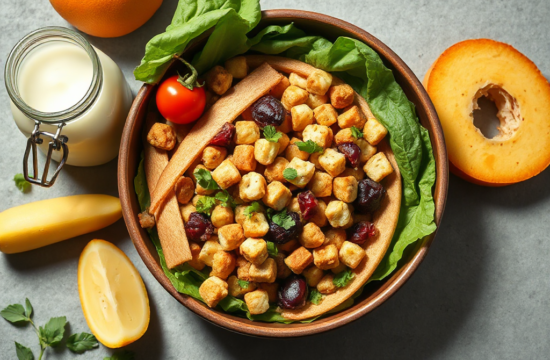
Consider a lunch built from a large salad with lettuce, cucumber, tomatoes, grilled chicken, chickpeas, and a measured dressing. It offers volume, protein, fiber, and some fat. A small packet of low-calorie crackers may contain fewer calories, but it provides less volume and may not feel like a complete meal. Choosing the crackers is not automatically wrong; using them as the sole basis of lunch is less likely to work for someone who becomes hungry soon afterward.
The common mistake is judging a food in isolation. Ask what it replaces, how long it keeps you comfortable, and whether it leads to unplanned eating later. The link Do low calorie foods always help with weight loss is best answered by looking at the whole eating pattern, not by sorting foods into universally good or bad categories.
Low-Calorie Foods That Make a Deficit Easier
Foods that combine high volume with useful nutrients are often the most practical choices for reducing calories without shrinking meals dramatically. Non-starchy vegetables such as broccoli, carrots, peppers, mushrooms, cabbage, and zucchini add water, texture, and fiber. Fruit provides sweetness and fiber in a form that may be more satisfying than a small sweet snack. Beans and lentils are not always the lowest-calorie foods by weight, but their combination of plant protein and fiber can make a meal more sustaining.
Protein deserves attention because a low-calorie eating plan can become harder to follow when meals contain very little of it. Greek yogurt, eggs, tofu, fish, poultry, cottage cheese, and legumes can fit different dietary preferences. The best selection depends on taste, budget, allergies, cooking time, and the rest of the meal. A plain yogurt with berries may be more filling than a sweetened low-calorie dessert, while tofu and vegetables may work better than a small snack for someone needing a substantial evening meal.
Preparation changes the calorie picture. Steaming vegetables and seasoning them with herbs keeps the added energy modest, but frying them or covering them with an unmeasured sauce can change the total considerably. Nuts, cheese, avocado, oils, and dressings can be nutritious, yet their calories accumulate quickly when poured or eaten directly from a package. They do not need to be eliminated; they need a portion that matches the meal’s purpose.
A useful comparison is a bowl of vegetable soup with beans versus a low-calorie beverage marketed as a meal substitute. The drink may be convenient, but it may not offer the texture or chewing experience that some people need to feel satisfied. The soup may contain more calories while delivering greater volume and a more complete eating experience. Use low-calorie choices most often where they add bulk, flavor, or nutrients—not merely where they produce the smallest number on a label.
Portion Size, Hunger, and the Reduced-Calorie Trap
Portion size can reverse the expected benefit of a low-calorie product. A food labeled “light,” “reduced calorie,” or “low calorie” may still contribute a substantial amount when eaten in a large serving. Some products compensate for reduced fat or sugar with starches, sweeteners, or other ingredients, and the nutritional value varies by product. The front label is a starting point, not a complete assessment.
Hunger is another reason these foods do not always help. A person who eats a very small breakfast of low-calorie cereal may feel successful initially, then become intensely hungry before lunch. By the afternoon, an oversized snack or restaurant meal may erase the earlier saving. A breakfast containing the cereal with milk or yogurt, fruit, and nuts could provide a more durable eating pattern, even if the total is higher than the cereal alone.
Liquid calories and highly palatable snack foods require particular care. Diet drinks may reduce calories for some people, but they do not necessarily replace the satisfaction of a meal. Low-calorie popcorn, rice cakes, or vegetable chips can be useful portions, yet repeated handfuls while distracted make intake difficult to judge. Eating from a bowl, checking the serving information, and pairing a snack with protein or fruit can improve awareness without turning food into a rigid accounting exercise.
Watch for a cycle of restriction followed by compensation: extremely small meals, persistent hunger, grazing, guilt, and another round of restriction. That pattern is not proof that low-calorie foods are harmful; it suggests the overall plan is too sparse or poorly balanced for the person using it. People with diabetes, a history of eating disorders, pregnancy, certain medical conditions, or medication-related appetite changes should seek individualized advice from a qualified clinician or registered dietitian rather than relying on general calorie rules.
How to Build a Filling Low-Calorie Meal
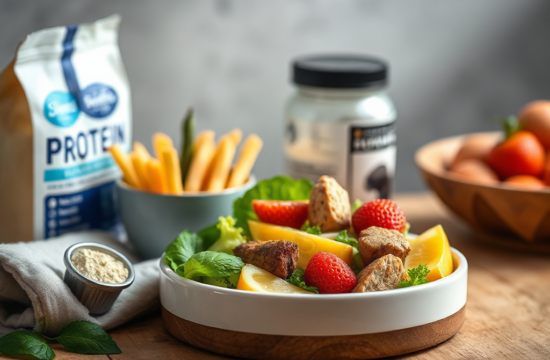
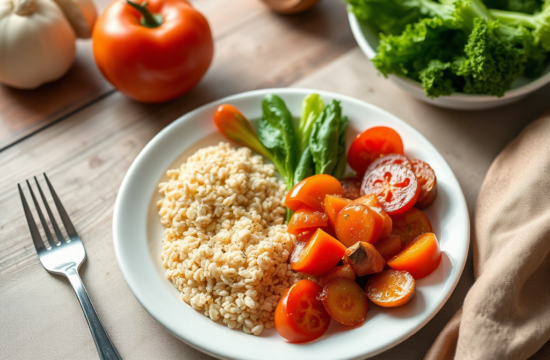
A filling meal usually works better when it contains several complementary parts instead of one exceptionally low-calorie item. Begin with vegetables or fruit for volume, add a clear protein source, include a fiber-rich carbohydrate when appropriate, and finish with a measured source of fat or flavorful sauce. This structure can be adjusted for vegetarian, dairy-free, cultural, and budget needs.
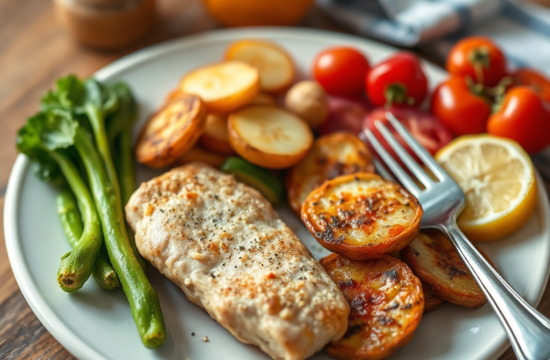
For example, a practical dinner might include roasted vegetables, lentils or grilled fish, a modest serving of potatoes or brown rice, and a spoonful of yogurt-based sauce or dressing. The potatoes are not automatically a problem, and the dressing does not need to disappear. Measuring the higher-energy addition while keeping the vegetables generous often produces a more satisfying result than replacing the entire plate with raw vegetables.
Breakfast could use eggs with spinach and whole-grain toast, or yogurt with berries, oats, and seeds. Lunch might combine a bean-and-vegetable soup with a piece of fruit. These examples are not mandatory menus. They illustrate the reasoning: lower-calorie ingredients supply volume, while protein, fiber, and modest fat help the meal function as food rather than as a temporary restriction.
Support Your Weight Loss Goals Huge Discount on the Best Certified Organic Nutrient Dense Supplement!
Prioritize the parts that solve your actual problem. If afternoon hunger drives overeating, improve lunch rather than searching for a lower-calorie afternoon snack. If restaurant portions are the issue, order a smaller entrée, share a dish, or save part before eating. If cooking time is limited, frozen vegetables, canned beans rinsed in water, precooked grains, and plain yogurt may be more useful than an ambitious meal plan that is rarely prepared.
A Practical Way to Judge Whether a Food Helps
Judge a low-calorie food by its role in the next several hours, not by its calorie count alone. A food is more likely to be useful when it fits the intended portion, provides meaningful nutrients, tastes acceptable, and reduces the chance of uncontrolled eating later. A food is less useful when it encourages repeated snacking, replaces a balanced meal without satisfying you, or carries health claims that distract from its serving size.
Use this short check when deciding whether to keep a product or meal in your routine:
- Purpose: Is it a meal, a snack, a dessert, or simply a way to add volume?
- Satiety: Does it contain protein, fiber, water, or texture that helps you remain comfortable?
- Portion: Can you identify a realistic serving without eating directly from the package?
- Replacement: What food or drink is it taking the place of?
- Pattern: Does it support steady eating, or does it trigger restriction and rebound hunger?
Keep a simple observation for several days: what you ate, when hunger returned, and whether you experienced unplanned eating. This is not a demand to count every calorie. It is a way to identify whether a supposedly helpful choice is functioning well in your routine. Someone who stays satisfied after a fruit-and-yogurt snack may have found a useful option; someone who is hungry again within minutes may need more protein, fiber, or a larger planned portion.
The most reliable decision is often substitution rather than addition. Replacing a high-calorie sauce with salsa, swapping part of a refined snack for fruit, or adding vegetables to a smaller serving of a favorite dish can reduce total intake while preserving enjoyment. More ideas related to Do low calorie foods always help with weight loss should be applied flexibly, because appetite, schedule, culture, and medical needs differ.
Frequently Asked Questions
Can eating only low-calorie foods cause weight loss?
Not necessarily. Total intake, portion sizes, hunger, food composition, and long-term adherence determine whether the pattern creates a sustainable calorie deficit.
Which low-calorie foods are usually most filling?
Vegetables, fruit, beans, lentils, broth-based soups, and meals that pair these foods with protein are often more filling than low-calorie snack foods eaten alone.
Are low-fat or reduced-calorie packaged foods better?
They may be useful substitutions, but compare serving size, protein, fiber, added sugar, and the amount you realistically eat rather than relying on front-label wording.
Why do I feel hungry after eating a low-calorie meal?
The meal may be too small or low in protein, fiber, fat, or texture. Pairing a low-calorie ingredient with a complete meal component can improve satisfaction.
Should high-calorie nutritious foods be avoided?
No. Foods such as nuts, oils, avocado, and cheese can provide useful nutrients and flavor; measured portions allow them to fit within an appropriate eating pattern.
Conclusion
Low-calorie foods are tools, not guarantees. Their value depends on whether they reduce total intake without creating persistent hunger, whether the portion is realistic, and whether the food contributes protein, fiber, fluids, or nutrients that make the eating pattern workable. Build meals around vegetables or fruit, add a dependable protein source, include satisfying high-fiber carbohydrates when they fit, and measure calorie-dense additions instead of banning them automatically. Pay attention to what happens after eating: steady appetite and fewer unplanned snacks suggest the approach is working, while repeated hunger and rebound eating signal that the meal needs adjustment. A balanced pattern usually offers better long-term control than choosing the smallest calorie number at every opportunity.
Support Your Weight Loss Goals
HUGE DISCOUNT ON THE BEST CERTIFIED ORGANIC NUTRIENT DENSE SUPPLEMENT!
Related Content
- Beyond Calories: The Psychology of Eating and Why It’s Key to Lasting Results
- How to Identify Signs of a Slowing Metabolism: Key Symptoms and What to Watch For
- How to Lose Weight Without Extreme Calorie Cutting: Effective Foods and Sustainable Methods
- Weight Loss Tips That Feel Natural: Simple Methods for Everyday Success
- Debunking the Myths of Fad Diets: What Really Works for Long-Term Weight Loss
Further Reading
Authoritative Sources
- USDA FoodData Central
fdc.nal.usda.govOfficial food composition and nutrient data.
- CDC Nutrition
cdc.govOfficial public-health nutrition guidance and data.
- MedlinePlus Health Information
medlineplus.govConsumer health information from the U.S. National Library of Medicine.
- NIH Office of Dietary Supplements
ods.od.nih.govEvidence-based fact sheets about vitamins, minerals, supplements, and nutrition.