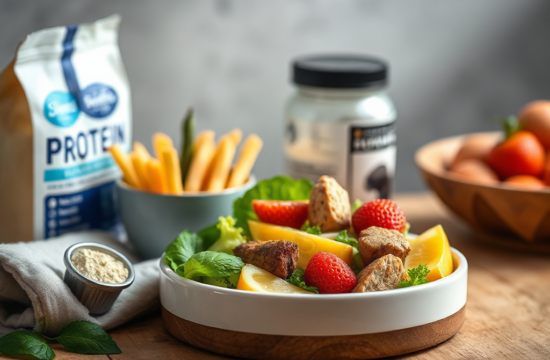
Choose a meal replacement for weight loss by comparing its calories, protein, fiber, added sugar, ingredient list, and suitability for your daily routine. A useful option should provide enough protein and fiber to make the portion satisfying, while keeping calories and added sugar compatible with your overall eating plan. Check whether it contains meaningful vitamins and minerals, mixes conveniently, and leaves room for nutritious whole-food meals. Avoid products that function mainly as sugary drinks, rely on vague proprietary blends, or encourage replacing most meals without professional guidance. People with diabetes, kidney disease, pregnancy, or medication-related dietary needs should ask a qualified clinician before using one regularly.
Define What the Replacement Must Do
A meal replacement is most useful when it solves a specific eating problem without making the rest of the day harder to manage. Someone who skips breakfast because of an early commute may need a portable drink, while someone who eats lunch at a desk may prefer a shelf-stable bar or a powder prepared at home. The product should fit the situation in which it will actually be used, not an ideal routine that rarely happens.
Weight reduction still depends on the overall energy pattern, so a replacement does not create a special exemption from portion awareness. Its practical value comes from offering a predictable serving that is easier to measure than an improvised takeaway meal. Predictability can reduce accidental overserving, but it can also backfire if the product is followed by grazing because it was too small or unappealing.
Before comparing brands, write down the intended use: which meal, how often, where it will be consumed, and what whole foods will accompany it. A powder may work for an occasional breakfast, but a ready-to-drink carton may be more realistic for travel. A person who dislikes sweet flavors may do better with a savory soup-style option or a yogurt-based meal rather than forcing down a shake and later seeking snacks.
A common mistake is choosing the lowest-calorie product on the shelf. A very small serving may appear attractive mathematically yet provide little protein, fiber, or sensory satisfaction. The better choice is the one that supports a manageable portion and allows the next meal to remain normal, varied, and nutrient-dense. You can also compare this decision with How to choose a meal replacement for weight loss in the context of your complete eating schedule rather than judging one package in isolation.
Read the Nutrition Facts Panel in the Right Order
Read the serving size and calories first, then examine protein, fiber, added sugar, and the broader nutrient profile. A label may list two scoops as one serving even though a hurried user pours only one, or a bottle may contain more than one serving. That mismatch makes the product seem more filling or lower in calories than it really is.
Protein matters because it contributes to the structure of a meal and may improve fullness for some people. Fiber adds bulk and can slow digestion, although a sudden increase may cause gas or bloating. There is no universal protein or calorie number that suits every adult; body size, activity, medical conditions, and the rest of the day all affect the appropriate portion. Treat the label as a comparison tool, not a prescription.
Added sugar deserves separate attention from total carbohydrate. A product can contain naturally occurring carbohydrate from milk or fruit ingredients, while added sugars contribute sweetness without necessarily improving satiety. Compare similar products using the same serving size, and look beyond front-of-package claims such as “light,” “clean,” or “high protein.” Those phrases do not reveal whether the serving is filling or nutritionally complete.
Use this compact screening sequence:
- Confirm the serving size and actual calories per serving.
- Check whether protein and fiber are substantial enough for the intended meal.
- Review added sugar, saturated fat, and sodium in the context of your diet.
- Look for useful vitamins and minerals without assuming fortification makes the product equivalent to varied food.
- Check allergens, sweeteners, and ingredients that have previously caused digestive symptoms.
USDA food-composition data can help you compare nutrients, while consumer information from government health agencies can clarify general dietary concepts. A frequent failure mode is focusing on one attractive number, such as protein, while ignoring a large serving, low fiber, or a taste that makes consistent use unlikely. A balanced label is more useful than a single impressive claim.
Compare Ingredients, Form, and Eating Satisfaction
Ingredients help explain what the label can and cannot tell you. Protein may come from milk, soy, peas, eggs, or a blend; the best option depends partly on allergies, dietary preferences, tolerance, and taste. Fiber may come from oats, inulin, psyllium, or other sources, and different fibers can affect digestion differently. A short ingredient list is not automatically superior, just as a long list is not automatically unsafe.
Form changes the eating experience. A ready-to-drink product offers speed and portion control but may cost more and can be less satisfying than chewing food. Powder usually costs less per serving and allows adjustment of liquid, yet measuring errors and poor mixing can undermine consistency. Bars provide portability but may resemble confectionery in texture and may be easy to eat quickly without feeling like a meal.
Consider a worker who needs lunch during a short break. A sweet drink alone may be finished in minutes, leaving little sensory satisfaction. Pairing it with fruit and a handful of nuts, when those additions fit the planned calories and dietary needs, may create more texture and improve the meal’s practical completeness. The added foods must be counted as part of the meal, not treated as free extras.
Whole foods remain valuable because they provide texture, water, and a broader mixture of nutrients. A replacement can be more convenient, but convenience is not the same as nutritional superiority. Someone who has time to prepare beans, vegetables, whole grains, and a protein source may find a conventional meal more satisfying and less expensive. Someone traveling or working irregular hours may reasonably prioritize portability.
Test a product during an ordinary week rather than buying a large supply immediately. Notice hunger two to three hours later, digestive comfort, taste fatigue, and whether the product causes compensation at dinner. The wrong assumption is that a product is suitable because it is marketed for dieting. Suitability is demonstrated by tolerable ingredients, an appropriate portion, and behavior that remains steady after use.
Use the Product Without Undermining the Diet
Use a meal replacement as one planned component of an eating pattern, not as permission to compensate for an oversized meal or an unstructured day. Decide in advance whether it replaces breakfast, lunch, or an occasional snack-sized eating period. Keeping the other meals based on vegetables, fruit, legumes, whole grains, dairy or alternatives, and minimally processed protein helps preserve variety.
Timing should reflect appetite and logistics rather than a supposed metabolic shortcut. A morning shake may be sensible for someone who cannot tolerate solid food early, while an afternoon option may prevent an impulsive purchase after work. The same product can be helpful at one time and ineffective at another if it is used when hunger is already extreme.
Build a simple trial plan for seven to fourteen days. Record the product and serving size, what was added, hunger before the next meal, and any stomach symptoms. Also note whether you are eating more at later meals. If the replacement repeatedly leads to intense hunger, it may need a different composition, a planned whole-food side, or replacement by a conventional meal.
Support Your Weight Loss Goals Huge Discount on the Best Certified Organic Nutrient Dense Supplement!
For example, a person who drinks a low-fiber shake at 8 a.m. and becomes ravenous by 11 a.m. might do better with a higher-fiber option or with oats, fruit, and yogurt prepared at home. The alternative is not necessarily another branded product; it may be a regular meal with comparable portion control. A common mistake is escalating from one replacement to several daily servings without checking whether appetite, food variety, and enjoyment are deteriorating.
Cost also affects adherence. Calculate price per usable serving, include delivery or refrigeration needs, and compare it with a realistic homemade option. A cheaper powder that remains unused is more expensive in practice than a moderate-priced product that fits the schedule. Keep How to choose a meal replacement for weight loss connected to the next shopping decision: repeat the purchase only if the trial showed acceptable hunger control, digestion, taste, and convenience.
Recognize Safety Limits and Signs of Poor Fit
A meal replacement should not be treated as a treatment for obesity, diabetes, or another condition. People using glucose-lowering medication, managing kidney or liver disease, dealing with food allergies, or following a medically prescribed diet may need individualized advice about calories, protein, potassium, phosphorus, carbohydrates, or vitamin content. Pregnancy, breastfeeding, and a history of disordered eating also warrant professional guidance before routine use.
Digestive symptoms provide useful feedback. Bloating, diarrhea, constipation, headaches, or nausea may reflect intolerance to lactose, sugar alcohols, concentrated fiber, or another ingredient, although symptoms can have many causes. Stop treating the product as a test of willpower. Review the label, reduce unnecessary additions, and seek medical advice when symptoms persist, are severe, or occur with signs of an allergic reaction.
Watch for behavioral warning signs as well. A plan is failing if the product encourages repeated restriction, fear of ordinary food, obsessive label checking, or rebound eating. A heavily fortified product may appear comprehensive, but it does not replace the variety and social usefulness of regular meals. More servings are not automatically better, and stacking it with multiple supplements can create unnecessary nutrient exposure.
Prioritize three checks before making it routine: medical compatibility, nutritional adequacy for the intended meal, and behavioral sustainability. Compare the chosen option with a simple whole-food meal and ask which one you can repeat without excessive cost, discomfort, or hunger. That comparison protects against the misconception that specialized packaging guarantees a better result.
Frequently Asked Questions
Can a meal replacement replace every meal?
Routine replacement of most or all meals should not be assumed to be safe or nutritionally appropriate. Professional supervision is especially important for people with medical conditions, pregnancy, or a history of disordered eating.
What should I check first on the label?
Check serving size and calories first, then compare protein, fiber, added sugar, allergens, and ingredients that may cause digestive symptoms.
Is a shake better than a meal replacement bar?
Neither form is automatically better. Choose the format that provides a suitable portion, tolerable ingredients, adequate satisfaction, and reliable convenience for the intended setting.
Should I add fruit or other foods?
You may add fruit, oats, yogurt, nuts, or vegetables when they fit your calorie and nutrition plan. Count additions as part of the meal rather than assuming they are extra.
How do I know the product is not working for me?
Repeated intense hunger, digestive discomfort, rapid boredom, later overeating, excessive cost, or growing fear of regular food are signs to reassess the product or use a whole-food alternative.
Conclusion
A useful meal replacement is defined by fit, not by its marketing language or lowest calorie number. Confirm the true serving size, compare protein and fiber, inspect added sugar and allergens, and test the product against your actual schedule. Then judge it by what happens afterward: steady appetite, comfortable digestion, reasonable cost, and enough room for varied whole-food meals.
Use one planned serving as a practical experiment rather than expanding it into an increasingly restrictive routine. If medication, a health condition, pregnancy, or eating-related distress is involved, obtain individualized advice before regular use. The strongest choice is the option you can use responsibly, understand clearly, and replace with a balanced conventional meal whenever circumstances make that the better fit.
Support Your Weight Loss Goals
HUGE DISCOUNT ON THE BEST CERTIFIED ORGANIC NUTRIENT DENSE SUPPLEMENT!
Related Content
- Eating Healthy Meals Can Help You Lose Weight
- The Best Dieting Tips for Weight Loss: What Works and What Doesn’t
- How to Lose Weight Without Extreme Lifestyle Changes: Simple Strategies and Foods to Consider
- Ditch the Fad Diets! 7 Healthy Habits That Lead to Long-Term Weight Loss
- Take Inches Off Your Waist Line With These Helpful Tips
Further Reading
Authoritative Sources
- CDC Nutrition
cdc.govOfficial public-health nutrition guidance and data.
- USDA FoodData Central
fdc.nal.usda.govOfficial food composition and nutrient data.
- MedlinePlus Health Information
medlineplus.govConsumer health information from the U.S. National Library of Medicine.
- NIH Office of Dietary Supplements
ods.od.nih.govEvidence-based fact sheets about vitamins, minerals, supplements, and nutrition.