
Understanding the underlying mechanisms of weight loss is essential for success. Many people mistakenly believe that extreme dieting is necessary, leading to unhealthy habits and yo-yo dieting. Instead, adopting a balanced approach that includes a variety of foods and regular physical activity is critical. This not only supports weight loss but also helps maintain muscle mass and overall energy levels.
Common pitfalls include neglecting the importance of hydration and sleep, both of which play vital roles in metabolic health and appetite regulation. Many individuals overlook these factors, thinking they can out-exercise a poor diet or lack of rest. Prioritizing hydration and sleep can significantly enhance the effectiveness of weight loss efforts.
The Role of Whole Foods in Weight Loss
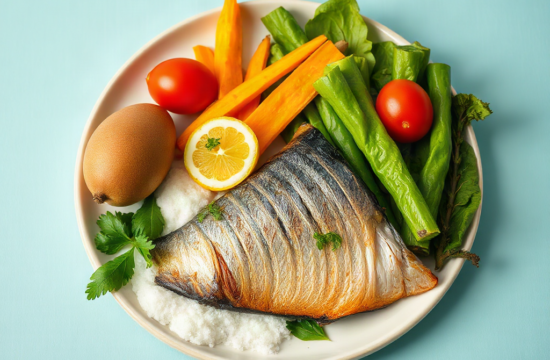
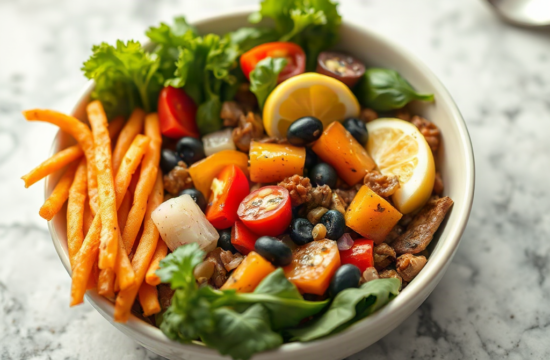
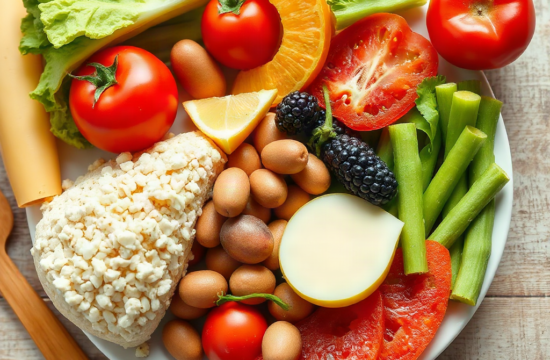
Whole foods, such as fruits, vegetables, whole grains, lean proteins, and healthy fats, are the cornerstone of effective weight loss. These foods are nutrient-dense, meaning they provide essential vitamins and minerals without excessive calories. When you fill your diet with whole foods, you not only nourish your body but also keep your appetite in check.
One practical approach is to plan meals around whole food options, which can help reduce cravings for processed foods that are often high in sugar and unhealthy fats. Additionally, cooking at home allows you to control ingredients and portion sizes, making it easier to stick to a weight loss plan. Remember, the quality of your food choices significantly impacts your weight loss journey.
Many people underestimate the role of snacks in their diet. Opting for whole food snacks, like fruits, nuts, or yogurt, can help maintain energy levels and prevent overeating during main meals. By incorporating whole foods consistently, you set a solid foundation for long-term weight loss success.
Portion Control: A Key Strategy
Portion control is often overlooked but is crucial for effective weight management. Understanding serving sizes and learning to listen to your body’s hunger cues can prevent overeating. Using smaller plates and measuring food can help you gauge appropriate portion sizes, which is essential for maintaining a caloric deficit.
Many people fail to recognize that even healthy foods can contribute to weight gain if consumed in excess. It’s vital to strike a balance between enjoying food and being mindful of portions. Practicing mindfulness while eating—such as eating slowly and savoring each bite—can enhance satisfaction and help prevent unnecessary snacking.
Another common mistake is eating out frequently, where portion sizes can be significantly larger than recommended. When dining out, consider sharing dishes or opting for smaller portions to better manage caloric intake. Focusing on portion control allows you to enjoy a variety of foods while working toward your weight loss goals.
Incorporating Exercise into Your Routine
Regular physical activity is essential for weight loss and maintaining a healthy lifestyle. Engaging in a mix of aerobic exercises, such as walking, running, or cycling, along with strength training, can optimize fat loss while preserving lean muscle mass. Aim for at least 150 minutes of moderate-intensity exercise each week.
Finding enjoyable activities can make exercise feel less like a chore and more like a rewarding part of your routine. Whether it’s joining a class, hiking, or dancing, incorporating movement into your daily life can enhance motivation and consistency. Additionally, setting realistic goals and tracking progress can help maintain momentum.
A common misconception is that one must spend hours at the gym to see results. Short, high-intensity workouts can be just as effective when done consistently. Prioritize finding a balance that fits your lifestyle and preferences to ensure that exercise becomes a sustainable habit.
Support Your Weight Loss Goals
Huge Discount on the Best Certified Organic Nutrient Dense Supplement!
The Importance of Hydration and Sleep
Hydration is often an underestimated factor in weight loss. Drinking adequate water supports metabolic processes and helps control appetite. Sometimes, thirst is mistaken for hunger, leading to unnecessary calorie consumption. Aim to drink at least eight cups of water per day, adjusting for activity level and climate.
Sleep is equally important; lack of sleep can disrupt hormones that regulate hunger, leading to increased cravings and weight gain. Prioritizing 7-9 hours of quality sleep each night can improve your weight loss efforts. Establishing a relaxing bedtime routine and minimizing screen time before bed can enhance sleep quality.
Many individuals overlook these lifestyle elements, focusing solely on diet and exercise. However, integrating proper hydration and sleep hygiene into your routine is vital for achieving lasting weight loss results. Consider tracking your water intake and sleep patterns to identify areas for improvement.
Further Reading
Authoritative Sources
- CDC: Healthy Weight
cdc.govThis resource provides guidelines on maintaining a healthy weight, including practical tips for weight loss
- NIH: Aim for a Healthy Weight
nhlbi.nih.govOffers comprehensive information on weight management and health, including effective strategies for weight loss
Frequently Asked Questions
What are the best foods for weight loss?
The best foods for weight loss include whole grains, lean proteins, fruits, vegetables, and healthy fats. These foods are nutrient-dense and help keep you full longer.
How much exercise should I do for weight loss?
Aim for at least 150 minutes of moderate-intensity aerobic activity each week, combined with strength training on two or more days to support weight loss.
Can I lose weight without exercising?
Yes, weight loss can be achieved primarily through dietary changes. However, incorporating exercise enhances results and improves overall health.
How important is sleep for weight loss?
Sleep is crucial for weight loss as it regulates hormones related to hunger. Lack of sleep can lead to increased cravings and weight gain.
What should I avoid when trying to lose weight?
Avoid processed foods, sugary drinks, and excessive snacking. Focus on whole foods and mindful eating to support your weight loss goals.
Conclusion
To achieve effective and sustainable weight loss, focus on incorporating whole foods, practicing portion control, and establishing a consistent exercise routine. Additionally, prioritize hydration and sleep as crucial components of your weight loss strategy. By understanding these elements and avoiding common pitfalls, you can create a balanced approach that leads to lasting results. Remember, small, consistent changes can make a significant impact on your weight loss journey.
Support Your Weight Loss Goals
Huge Discount on the Best Certified Organic Nutrient Dense Supplement!
Related Content
- Why Dieting Is Not Always the Answer to Weight Loss: Understanding Psychological Barriers and Sustainable Approaches
- 10 Effective Tips for Weight Loss on a Budget in 2025 That Actually Work
- How to Create a Diet That Works: Practical Steps and Effective Methods
- Making Exercise Support Your Diet Goals
- Dieting Mistakes You’re Probably Making (and How to Fix Them