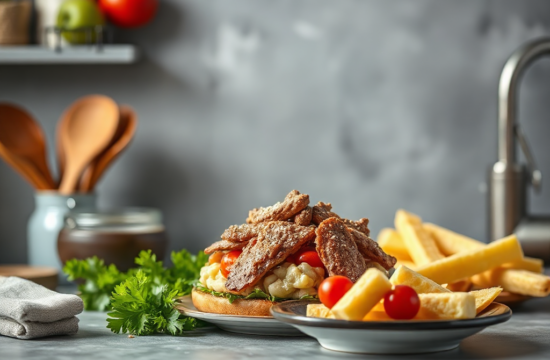
High-protein foods that tend to keep you full longer include eggs, Greek yogurt, cottage cheese, chicken, fish, lean meat, tofu, beans, lentils, and edamame. Their staying power comes from protein’s effect on appetite signals, slower digestion when paired with fiber or fat, and the larger meal volume supplied by foods such as legumes and vegetables. A bowl of Greek yogurt with berries and chia seeds, or lentils with vegetables and a little olive oil, will usually be more satisfying than a protein-only snack. Watch for hidden calories in processed meats, sweetened dairy, and large amounts of cheese, and choose portions that fit your overall energy needs.
What Makes Protein-Rich Foods Filling
Protein-rich foods often reduce hunger more effectively than foods dominated by refined carbohydrates because they take longer to digest and may influence appetite-related signals. That does not mean every food labeled “high protein” will keep you satisfied. A sweetened shake, for instance, may contain protein but little fiber, chewing, or meal volume, so it can feel less substantial than lentils, eggs, or yogurt with fruit.
Satiety depends on the complete eating experience. Protein contributes the main appetite-control effect, while water, fiber, texture, and moderate fat influence how quickly a meal leaves the stomach and how long it takes to eat. A chicken breast eaten alone may provide plenty of protein but leave someone looking for a side dish soon afterward. Chicken with roasted vegetables, potatoes, or beans creates more volume and a more balanced meal.
Portion size also matters. More protein is not automatically better once a reasonable serving has been reached, particularly when the source is cheese, fatty meat, or a calorie-dense bar. The useful question is not simply whether a food contains protein, but whether it delivers protein in a form that fits the person’s appetite, budget, preferences, and total daily intake.
For readers comparing options, Which high protein foods keep you full longer is best answered by looking at both the protein source and what accompanies it. A minimally processed protein paired with high-volume plant foods will generally be more filling than an isolated, highly sweetened protein product.
High-Protein Foods With the Most Staying Power
Eggs, strained yogurt, cottage cheese, poultry, fish, tofu, beans, lentils, and edamame are strong choices because they combine useful protein with texture and, in several cases, fiber or substantial volume. The best option depends on whether the reader wants a breakfast, portable snack, low-preparation lunch, or plant-based meal.
Animal-based choices
Eggs are practical at breakfast or as an addition to a salad, and their solid texture makes them more satisfying than a drink consumed quickly. Plain Greek yogurt and cottage cheese provide protein in a soft format that works well with berries, apples, nuts, or seeds. Unsweetened versions avoid the added sugar found in some flavored products, although labels should still be checked because protein content varies by brand.
Chicken, turkey, tuna, salmon, and other fish can anchor a filling lunch or dinner. Fish may also provide fats that make a meal more satisfying, but calorie density rises with creamy sauces, heavy breading, or large oil-based portions. Lean meat can fit the same role when someone enjoys it, while rotating in beans, tofu, and lentils adds variety and often increases fiber.
Plant-based choices
Lentils, black beans, chickpeas, and split peas are especially useful because they provide protein and fiber together. That combination supports slower eating and greater meal volume. Edamame offers a convenient higher-protein legume for salads, grain bowls, or snacks. Firm tofu absorbs sauces and can replace meat in stir-fries without requiring elaborate preparation.
A common misconception is that the highest-protein food on a nutrition label will always be the most filling. A protein bar may beat an apple on protein but still be less satisfying than a bowl of beans and vegetables because the whole meal contains more water, fiber, and chewing. Use Which high protein foods keep you full longer as a comparison question, not as a reason to select the most concentrated product available.
How Fiber, Fat, And Food Volume Change Satiety
Protein works best for fullness when it is part of a meal with fiber and enough volume. Fiber-rich vegetables, fruit, legumes, and intact grains add bulk and can slow the movement of food through digestion. A salmon fillet with a small pile of vegetables may be nutritious but less satisfying than salmon served with a large salad and a bean- or potato-based side.
Moderate amounts of fat can improve taste and help a meal feel complete, but fat is energy-dense. Olive oil, avocado, nuts, seeds, and cheese can be useful additions, yet generous servings may raise calories without adding much physical volume. The practical balance is to use a measured amount rather than treating healthy fat as unlimited. A spoonful of dressing can be enough to make vegetables appealing; several unmeasured pours can change the meal substantially.
Texture and eating speed matter as well. Solid foods generally require more chewing than shakes, and slower eating gives the body more time to register the meal. This does not make liquid protein inherently poor, but it explains why a smoothie may need fruit, oats, yogurt, or seeds to feel like a meal. Drinking a plain protein beverage alongside a normal meal may also add calories without solving hunger.
Consider two lunches: a turkey wrap made with a thin tortilla and little filling, or a turkey bowl containing vegetables, beans, and a moderate portion of rice. Both can contain similar protein, but the bowl may offer more volume and fiber. Someone who prefers wraps can add a side of fruit or vegetable soup rather than assuming the wrap must be made much larger. This kind of adjustment is more sustainable than relying on appetite suppression alone.
Building Filling Meals And Snacks
A satisfying meal usually combines a clear protein source with plants and a suitable carbohydrate or fat source. Begin by choosing the main protein, then add vegetables or fruit for volume and fiber. Finish with a portion of rice, potatoes, oats, whole-grain bread, beans, nuts, or another food that matches the meal and the person’s energy needs.
Breakfast could be eggs with whole-grain toast and fruit, or Greek yogurt with berries, oats, and chia seeds. Lunch might pair tuna or tofu with a large salad, chickpeas, and a modest amount of dressing. Dinner could combine chicken or lentils with vegetables and potatoes. These combinations are often more dependable than eating a protein food alone and waiting for hunger to return.
For snacks, choose based on the next meal’s timing. Cottage cheese with fruit, edamame, a boiled egg with vegetables, or plain yogurt with seeds may work when several hours remain before dinner. If the snack is needed only briefly, a smaller serving may be enough. A large protein bar may be unnecessary when dinner is close, particularly if it contains substantial sugar alcohols or added fats that cause digestive discomfort.
A useful trial is to record hunger before eating and again two or three hours later for several days. Notice whether the food prevented distracting hunger, whether energy stayed steady, and whether the portion created heaviness. If hunger returns quickly, add fiber or volume before simply adding more protein. If the meal feels overly dense, reduce calorie-dense extras and keep the protein serving steady.
Support Your Weight Loss Goals Huge Discount on the Best Certified Organic Nutrient Dense Supplement!
- Choose: a recognizable protein source such as eggs, yogurt, fish, poultry, tofu, beans, or lentils.
- Add: vegetables, fruit, or legumes to increase fiber and volume.
- Adjust: oils, cheese, sauces, and snack portions according to hunger and energy needs.
Readers who want more meal-specific ideas can use Which high protein foods keep you full longer alongside their usual breakfast, lunch, and dinner patterns rather than replacing familiar foods with a rigid menu.
Common Mistakes And Practical Limits
The most common mistake is treating protein as a license to ignore overall meal balance. Bacon, sausage, fried chicken, and heavily processed protein snacks may be filling, but frequent reliance on them can bring excess sodium, saturated fat, added sugar, or calories. A higher-protein label does not erase the rest of the ingredient list.
Another problem is increasing protein while removing too much carbohydrate or produce. Some people feel briefly satisfied but then struggle with low meal variety, digestive discomfort, or difficulty maintaining the pattern. Beans, fruit, vegetables, and whole grains can coexist with a higher-protein eating pattern; they do not need to be treated as competing categories.
Digestive tolerance sets a real limit. A sudden increase in beans, lentils, protein bars, or dairy can cause bloating or bowel changes. Increase fiber gradually, drink enough fluid for personal needs, and select lactose-free dairy or tofu if those foods are poorly tolerated. People with kidney disease or other medical conditions that affect protein intake should ask a qualified clinician for individualized advice rather than copying a high-protein plan.
Diet goals also change the best choice. Someone seeking a lower-calorie meal may favor fish, poultry, tofu, yogurt, or legumes with vegetables, while someone with high energy needs may deliberately include more rice, oats, nuts, or olive oil. The sign that an approach is working is not merely a high protein total; it is predictable hunger, adequate energy, comfortable digestion, and a pattern the person can repeat.
For reliable nutrition information, compare food choices with guidance from national dietary authorities, university nutrition programs, and qualified health professionals. Official dietary guidance can help place protein foods within a broader eating pattern and account for medical or dietary restrictions.
Frequently Asked Questions
Which protein food is best for staying full?
There is no single best choice, but eggs, Greek yogurt, cottage cheese, fish, poultry, tofu, beans, and lentils are dependable options. Pairing them with fiber-rich foods usually improves meal satisfaction.
Do beans keep you full longer than meat?
Beans may provide strong staying power because they contain both protein and fiber. Meat can also be filling, but it usually needs vegetables, legumes, or another high-volume side to provide the same broader meal structure.
Are protein shakes filling?
They can help, especially when combined with yogurt, fruit, oats, or seeds. A plain shake consumed quickly may be less satisfying than a solid meal because it provides less chewing and often less fiber.
Can high-protein foods cause weight gain?
Any food can contribute to weight gain if total energy intake regularly exceeds needs. Cheese, fatty meats, bars, and large portions of calorie-dense foods can raise intake even when their protein content is high.
How can I make a protein meal more filling?
Add vegetables, fruit, beans, lentils, or whole grains, and use moderate amounts of fat for flavor. Eating the meal slowly and checking hunger later can show whether the adjustment is working.
Conclusion
Foods that keep you full longest are usually more than concentrated protein sources. Eggs, yogurt, fish, poultry, tofu, beans, lentils, and edamame become more satisfying when paired with vegetables, fruit, legumes, whole grains, or another sensible source of fiber and volume. Choose minimally processed options when practical, watch calorie-dense sauces and snacks, and adjust portions according to hunger, energy needs, and digestive comfort. A simple next step is to upgrade one meal: keep its usual protein, add a generous plant-food side, and observe hunger over the following few hours. That test provides more useful information than assuming a bar, shake, or oversized serving will automatically deliver lasting fullness.