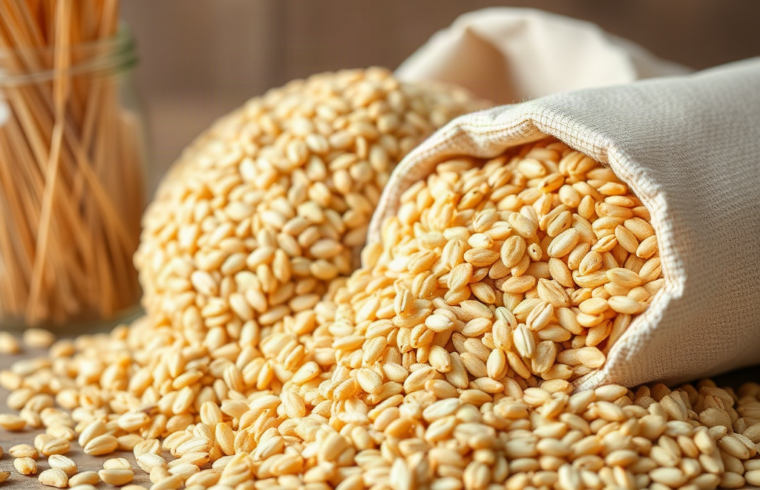
Whole grains contain the bran, germ, and endosperm, while refined grains have the bran and germ removed during milling, leaving mostly the starchy endosperm. That processing changes fiber, vitamin, mineral, and texture content, although some refined products are enriched with selected nutrients afterward. Brown rice, oatmeal, and whole-wheat bread are whole-grain examples; white rice, regular pasta, and white bread are usually refined-grain choices. For everyday eating, check the ingredient list for “whole” before the grain name, compare fiber on the Nutrition Facts label, and remember that added sugar, sodium, and portion size still matter. Refined grains are not automatically harmful, but replacing some with intact or minimally processed grains may provide a more filling, nutrient-dense option.
How Whole and Refined Grains Are Processed
A grain kernel has three main parts: the bran, the germ, and the endosperm. The bran is the protective outer layer and contributes fiber and several minerals. The germ is the part capable of producing a new plant and contains fats, vitamins, minerals, and plant compounds. The endosperm supplies most of the kernel’s starch and protein. A whole grain retains all three parts in their natural proportions, although it may be cracked, rolled, ground, or cooked.
Refined grains have been milled so that the bran and germ are removed. This produces a finer texture, lighter color, longer storage life, and more predictable baking performance. White flour and white rice are familiar examples. Removing the outer layers also removes much of the original fiber and some nutrients. Certain refined products are enriched or fortified after milling, meaning selected nutrients are added back, but enrichment does not generally restore the original structure or full fiber content.
Processing level matters more than color alone. Brown rice is usually a whole grain, while white rice is refined, but a dark bread is not necessarily whole grain if its color comes from molasses or another coloring ingredient. Likewise, steel-cut oats and rolled oats remain whole grains because the kernel’s three parts are preserved; instant oats can also be whole grain but may contain added sugar or sodium in flavored versions.
A common mistake is treating “grain-based” and “whole grain” as interchangeable. A cracker, cereal bar, or bread can contain wheat without being made primarily from whole wheat. Readers comparing products should ask two separate questions: which parts of the kernel remain, and what else was added during manufacturing? That distinction connects with broader label decisions covered in What is the difference between whole grains and refined grains, particularly when a product uses several grain ingredients.
Nutritional Differences That Affect Everyday Meals
Whole grains generally provide more naturally occurring fiber and a wider range of nutrients than their refined counterparts because the bran and germ remain present. Fiber adds bulk and can slow the movement of food through digestion, which may make a meal feel more satisfying for some people. Whole grains also contribute nutrients such as magnesium, iron, zinc, and B vitamins, although the exact amount depends on the grain and the processing method.
Refined grains are not nutritionally empty. Enriched flour products may provide iron and certain B vitamins, and refined grains can be useful when a softer texture, quicker cooking time, or easier digestion is preferred. The practical difference is that enrichment addresses specific nutrients rather than recreating the intact kernel. A bowl of white rice and a bowl of brown rice may serve the same culinary role, but they are not identical in fiber, texture, cooking time, or overall nutrient profile.
The surrounding meal changes the comparison. Whole-grain bread paired with sugary spread and a large portion may offer less favorable nutrition than a modest serving of refined pasta combined with vegetables, beans, and a protein source. Conversely, replacing a low-fiber breakfast pastry with plain oatmeal, fruit, and yogurt changes both the grain type and the meal’s fiber and added-sugar profile. Grain quality should therefore be judged alongside preparation, portion, and accompanying ingredients.
Another weak assumption is that whole grains automatically produce weight loss or control blood sugar for every person. They may support a more filling eating pattern, but the result depends on serving size, total dietary pattern, individual tolerance, and the rest of the recipe. Anyone managing diabetes, digestive symptoms, or a medically prescribed diet should interpret grain choices within advice from a qualified clinician rather than treating one label as a complete solution.
How to Identify Whole-Grain Foods at the Store
The ingredient list is usually the most useful starting point. Look for a whole-grain term near the beginning, such as “whole wheat,” “whole oats,” “brown rice,” “whole rye,” or “whole-grain corn.” A product listing “wheat flour” without the word “whole” may use refined flour. Terms such as multigrain, seven-grain, stone-ground, and wheat bread describe a product’s style or ingredients but do not by themselves prove that the grain is whole.
Nutrition labels add useful supporting information. Compare dietary fiber between similar products, but do not use fiber alone as proof of whole-grain content because isolated fibers can be added to refined foods. A bread with a brown appearance may still be made mostly from refined flour, while a whole-grain cereal may have a pale appearance. The ingredient list reveals the grain source; the Nutrition Facts panel helps assess the product’s broader nutritional profile.
Use this compact check when comparing packaged items:
- Find the specific grain term in the ingredient list and look for “whole” before it.
- Check whether the whole-grain ingredient appears early enough to be a major component.
- Compare fiber, added sugar, sodium, and serving size with competing products.
- Notice whether nuts, seeds, dried fruit, or coatings substantially change calories or sweetness.
For example, two sliced breads may both advertise wheat. One may list whole-wheat flour first and provide a substantial amount of fiber, while the other lists enriched wheat flour first and uses a small amount of whole wheat later. The first is the clearer whole-grain choice, but the second may still fit a balanced meal. The goal is accurate comparison rather than rejecting every refined ingredient.
Choosing Between Grain Types in Real Meals
Whole grains are often the better default when a meal would benefit from more fiber, a chewier texture, or slower cooking and eating. Oatmeal at breakfast, barley in soup, quinoa in a grain bowl, and brown rice with vegetables are practical examples. Switching every grain at once can make meals less appealing or create digestive discomfort for someone whose usual intake is low in fiber. Gradual substitutions, such as mixing brown and white rice or choosing whole-grain bread for one meal, can be more workable.
Refined grains have legitimate uses. White rice cooks relatively quickly and works well in dishes where a softer texture is desired. Regular pasta may be preferred by someone who dislikes the texture of whole-wheat pasta, and refined flour can produce the structure expected in some breads or baked foods. Choosing a refined grain occasionally does not cancel the value of a generally varied eating pattern. The more useful question is whether refined grains crowd out beans, vegetables, fruit, nuts, seeds, and higher-fiber grain options most of the time.
Meal composition can make a larger practical difference than a single grain swap. A refined-grain meal built around vegetables, lentils, eggs, or fish may be more balanced than an oversized serving of whole-grain crackers eaten alone. To test whether a change is working, observe hunger between meals, enjoyment, digestive comfort, and whether the serving remains reasonable. If a whole-grain product causes bloating, try a smaller portion, a different grain, or a less processed form such as oats or rice, and increase fluids as appropriate.
For readers using whole-grain meal planning, priority should go to intact or minimally processed options when convenient, then to packaged products with a clearly identified whole grain and a sensible amount of added sugar and sodium. Do not let a “whole grain” claim distract from a long ingredient list or oversized portion. A flexible pattern is usually easier to maintain than an all-or-nothing rule.
Support Your Weight Loss Goals Huge Discount on the Best Certified Organic Nutrient Dense Supplement!
Common Misunderstandings About Grain Quality
“Whole” does not mean unprocessed. Rolled oats, whole-grain flour, and whole-wheat pasta undergo processing while retaining the kernel’s essential parts. The meaningful distinction is whether the bran, germ, and endosperm remain, not whether the food was untouched by machinery. This explains why a whole-grain product can still be convenient and shelf-stable.
“Refined” also does not mean unsafe. Milling changes the nutritional profile and texture, but refined grains can appear in nutritious meals. The concern arises when refined-grain foods are frequently paired with added sugars, excess sodium, or large portions and displace more varied foods. A plain refined-grain side dish is a different nutritional decision from a sweet pastry made with refined flour.
Gluten status is a separate issue from whole-versus-refined status. Whole-wheat and refined wheat products both contain gluten, while naturally gluten-free grains such as rice, corn, buckwheat, and quinoa can be whole or refined. People with celiac disease or another medically diagnosed condition need appropriate gluten guidance; changing from refined wheat to whole wheat does not address that condition.
The best next step is to compare products within the same category and choose the option that fits the meal, budget, texture preference, and health needs. Use grain label checks to avoid misleading packaging, but keep the decision proportional: one refined-grain serving is not a dietary failure, and one whole-grain ingredient does not automatically make a highly sweetened product a strong everyday choice.
For reliable background on grain composition, labeling, and dietary patterns, consult current guidance from the USDA and nutrition education materials from university extension programs. These sources can help readers compare serving information and interpret whole-grain terminology without relying on package color or marketing language.
Frequently Asked Questions
Is brown rice a whole grain?
Yes. Brown rice normally retains the bran, germ, and endosperm, while white rice has had the bran and germ removed.
Is whole wheat the same as whole grain?
Whole wheat is one type of whole grain. Whole grains also include oats, barley, brown rice, rye, corn, and other grains when their bran, germ, and endosperm remain.
Are refined grains unhealthy?
Not automatically. Refined grains can fit a varied eating pattern, but they usually contain less natural fiber than intact whole grains and deserve comparison with the meal’s other ingredients.
Does multigrain mean whole grain?
No. Multigrain means more than one grain is used. Check the ingredient list for specific whole-grain terms rather than relying on the word multigrain.
How can someone eat more whole grains?
Try oats, barley, brown rice, whole-wheat bread, or whole-grain pasta in familiar meals. Make gradual changes and compare fiber, added sugar, and sodium on packaged foods.
Conclusion
The defining difference is what happens to the kernel: whole grains retain the bran, germ, and endosperm, while refined grains retain mainly the endosperm after milling. That change affects fiber, nutrients, texture, cooking time, and how a product should be judged on its label. Prioritize clearly identified whole grains when they fit your taste and digestion, but evaluate the complete food rather than assuming every whole-grain product is ideal. Refined grains can remain useful for texture, convenience, and meal variety. Next time you shop, verify the ingredient list, compare fiber and added sugar, and select the grain that makes the overall meal more balanced and practical.