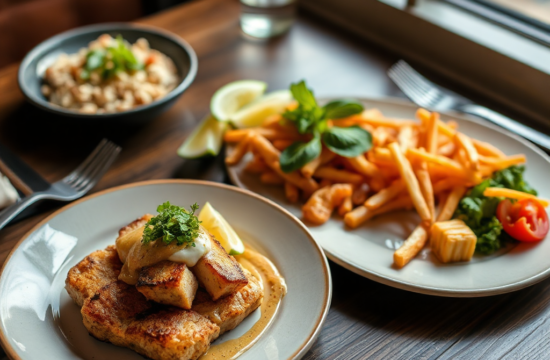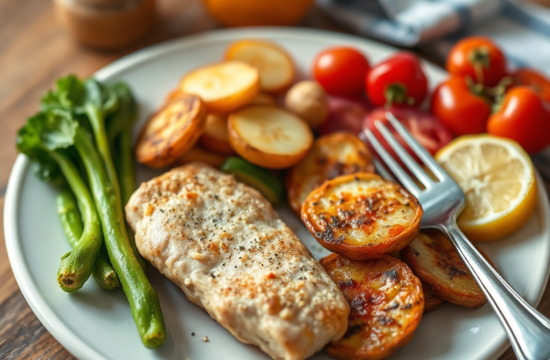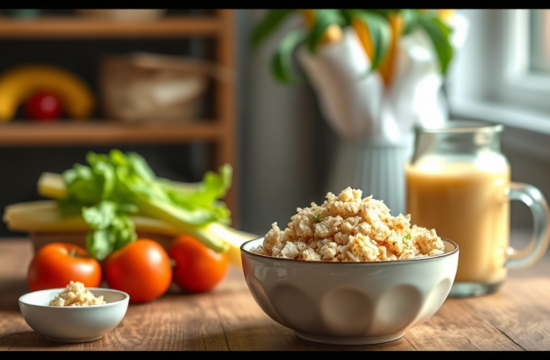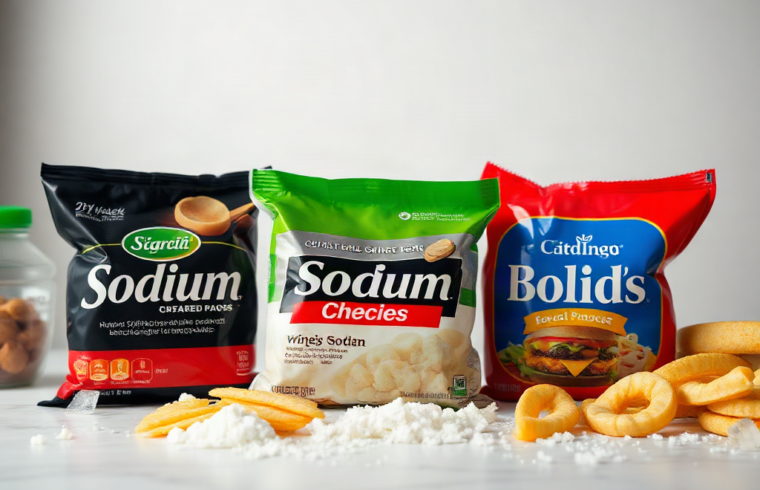
Reduce sodium in packaged diet foods by comparing serving sizes and milligrams per serving, choosing lower-sodium versions, limiting sauces and seasoning packets, and balancing convenience meals with fresh ingredients. Sodium often accumulates because a single frozen entrée, soup, snack, or shake is counted as one item even when the package contains multiple servings. Check the Nutrition Facts label, compare similar products, and add unsalted vegetables, fruit, plain grains, or fresh protein rather than stacking several prepared foods in one meal. Rinsing canned ingredients may remove some surface sodium, but it does not make heavily seasoned foods low sodium.
Where Sodium Accumulates in Packaged Diet Foods
Packaged diet foods can make calorie control easier while quietly concentrating sodium. Frozen entrées, meal-replacement shakes, canned soups, deli-style proteins, crackers, sauces, and reduced-calorie snacks may each contribute a modest amount, but several products eaten across one day can create a much larger total. The issue is not that every packaged item is unsuitable; it is that convenience foods often combine a small volume with salty flavor systems, preservatives, broths, cheese powders, or seasoning blends.
Read the entire package before judging a product. A frozen meal labeled as one entrée may contain more than one serving, and a soup container may be intended for multiple servings. Sodium listed per serving must be multiplied by the amount actually eaten. A meal with 700 milligrams per serving becomes a very different choice if the package contains two servings and you finish the container. The same calculation applies to snack bags, instant noodles, and prepared grain bowls.
Frequency matters as much as a single purchase. Someone who eats a low-sodium frozen entrée with unsalted fruit and vegetables has a different pattern from someone who combines that entrée with canned soup, a processed snack, and a seasoning packet. A useful first step is to record the packaged foods eaten on a typical day and mark the products that contribute sodium more than once: the entrée, sauce, bread, filling, topping, or snack. That reveals the accumulation point rather than encouraging unnecessary restrictions on every convenience food.
Use the packaged-food sodium checklist when shopping, but keep the goal realistic. A lower-sodium product may cost more, taste less intense, or have a different texture. Replacing every item immediately can make a diet impractical; changing the highest-sodium recurring item usually produces a more manageable improvement.
How to Read Labels and Compare Products
The Nutrition Facts label is the most useful tool for comparing packaged diet foods because it gives a measurable sodium amount rather than relying on claims such as “light,” “healthy,” or “natural.” Start with serving size, then inspect sodium per serving. Compare products within the same category, such as two frozen bowls or two canned soups, because serving sizes and package weights can differ. A product with fewer calories is not automatically the lower-sodium choice.
Look beyond the front of the package. “Reduced sodium” means less sodium than a reference product, not necessarily a small amount. “No salt added” means salt was not added during processing, but ingredients may still contain naturally occurring sodium or sodium-containing components. Flavor claims also deserve scrutiny: sauces, marinades, cheese toppings, broths, and seasoning packets can account for much of a meal’s sodium while the entrée itself appears moderate.
Compare both sodium per serving and sodium per 100 grams when package sizes differ. The first number helps with daily meal planning; the second can make similar products easier to compare. Ingredient lists can identify concentrated sources such as salt, sodium phosphate, monosodium glutamate, sodium benzoate, baking soda, soy sauce, or cured ingredients. The presence of a sodium-containing ingredient does not by itself show that the food is unsuitable, but several of them near the top of the list warrant closer comparison.
A practical shopping method is to choose three comparable products, calculate the amount you would actually eat, and select the one that fits your meal rather than the one with the most persuasive front label. A lower-sodium entrée paired with a salty side may not improve the meal much. Conversely, a moderately salty entrée with unsalted vegetables and fruit may work better than a very low-sodium entrée surrounded by processed additions. Keep notes on taste and satisfaction so the replacement remains usable rather than becoming a short-lived purchase.
Practical Swaps for Lower-Sodium Convenience Meals
The most effective swaps preserve the convenience of packaged foods while replacing the components that add the most sodium. Choose plain frozen vegetables instead of sauced vegetables, unseasoned frozen grains instead of seasoned rice, and plain canned beans that can be drained and rinsed. For canned beans, rinsing may remove some sodium from the surface, but it cannot reverse sodium already incorporated into the food. Use the technique as a partial reduction, not as permission to ignore the label.
Sauces and seasoning packets are frequent pressure points. Use half a packet, reserve part of a sauce, or replace it with lemon juice, vinegar, garlic, onion, black pepper, smoked paprika, herbs, or a small amount of salt-free seasoning. Acid and aromatic ingredients can make a meal taste more complete without reproducing the same sodium load. Taste the food before adding anything; packaged meals often contain enough seasoning even when they seem bland at first.
Pair convenience foods with foods that have little or no added sodium. A frozen entrée can be served with a plain baked potato, unsalted vegetables, fruit, or a simple salad dressed with oil and vinegar. A meal-replacement shake can be accompanied by fresh fruit rather than a packaged bar. These additions provide volume and variety without automatically adding another concentrated seasoning source. The tradeoff is preparation time, so select options that require washing, microwaving, or opening rather than elaborate cooking.
Consider a simple comparison: a highly seasoned diet meal plus a packaged side may be fast but difficult to adjust, while a plain frozen protein with microwaveable vegetables and a no-salt-added grain gives you more control. The second option may require one extra label check and a few minutes of assembly. If taste is the barrier, change one component at a time and use herbs, citrus, or heat from chili rather than adding salty condiments. The best swap is the one you can repeat on busy days.
For ideas that fit a calorie-conscious routine, review lower-sodium packaged meal combinations before buying individual products. A combination-level check prevents a common mistake: selecting several acceptable items that become a high-sodium meal when eaten together.
Building a Packaged-Food Meal Plan That Holds Up
A lower-sodium plan works better when packaged foods serve as selected components rather than the entire dietary pattern. Assign convenience foods to the meals where they solve a real problem, such as a frozen entrée during a work shift or a shelf-stable breakfast during travel. Use less processed ingredients at other meals so sodium is not concentrated in every eating occasion. This approach protects flexibility without requiring every meal to be cooked from scratch.
Plan around categories: one prepared main item, one low-sodium or no-salt-added side, and one fresh or minimally processed item. For example, combine a lower-sodium frozen meal with plain frozen broccoli and an orange. At another meal, use unsalted oats, milk or yogurt, berries, and a small amount of chopped nuts instead of a fully prepared breakfast bowl. These combinations are not automatically perfect; check the labels on dairy products, breads, dressings, and meat substitutes because those foods can shift the total.
Batch preparation can reduce reliance on high-sodium emergency choices without eliminating packaged foods. Cook a plain grain, wash vegetables, portion fruit, or freeze unseasoned poultry for quick use. Keep a few lower-sodium packaged staples available for days when cooking is unrealistic. The aim is to create a reliable fallback, not an idealized plan that collapses after one busy evening.
Support Your Weight Loss Goals Huge Discount on the Best Certified Organic Nutrient Dense Supplement!
Review the plan after several days. If meals taste flat, the problem may be missing acidity, herbs, texture, or fat rather than a genuine need for more salt. If hunger leads to extra packaged snacks, increase meal volume with vegetables, fruit, legumes, or other foods that fit your dietary needs. If the plan feels expensive, compare unit prices and use plain store-brand frozen produce, oats, beans, or grains. Convenience, budget, taste, and sodium can conflict; prioritize the recurring choices with the greatest practical effect.
Common Mistakes and When to Seek Individual Advice
The most common mistake is treating calorie language as a sodium guarantee. “Diet,” “low calorie,” and “portion controlled” describe different product features and do not establish a sodium level. Another error is counting only obvious salty foods while overlooking bread, sauces, cheese, deli-style fillings, and meal replacements. A written three-day food record can expose these less obvious contributors more accurately than memory.
Do not assume that taste reliably measures sodium. Some foods use acids, spices, or sweeteners to mask saltiness, while others taste salty because of surface seasoning but contain less total sodium than expected. Labels remain more dependable than flavor. Do not make a sudden, highly restrictive change based on a single meal or a nonprofessional social-media claim. Product formulations vary, and individual nutrition needs vary as well.
People with kidney disease, heart failure, high blood pressure, or other conditions affected by sodium and fluid balance may need personalized guidance. A clinician or registered dietitian can help interpret laboratory results, medications, fluid instructions, and a medically appropriate sodium target. Avoid changing prescribed treatment or assuming that a packaged-food strategy substitutes for clinical care.
Track whether the approach is working operationally: Are you checking serving sizes? Are you using fewer sauces and seasoning packets? Can you identify a lower-sodium replacement that fits your budget and schedule? If the answer is no, simplify the plan rather than adding more rules. A repeatable label comparison, one dependable meal combination, and a small stock of plain sides are more useful than an ambitious list of products that never make it into regular meals.
Frequently Asked Questions
Are packaged diet foods always high in sodium?
No. Sodium varies widely by product, so compare serving sizes and labels rather than judging the entire category. Plain frozen produce and unsalted grains are often easier to control than sauced or seasoned versions.
Does rinsing canned food remove enough sodium?
Rinsing and draining can remove some surface sodium, especially from canned beans, but it does not eliminate sodium throughout the food. Use it as one reduction step and still compare labels.
What should I check first on a frozen diet meal?
Check the serving size, sodium per serving, package servings, and included sauces or toppings. Calculate the amount you will actually eat before comparing it with another entrée.
How can I make lower-sodium packaged meals taste better?
Try lemon juice, vinegar, garlic, herbs, black pepper, chili, or smoked paprika. These add aroma, acidity, and heat without relying on extra salty sauce or a full seasoning packet.
Should people with high blood pressure set their own sodium limit?
Not necessarily. Sodium needs and medical instructions differ, particularly with kidney or heart conditions. Ask a clinician or registered dietitian for an individualized target and practical food guidance.
Conclusion
Reducing sodium while using packaged diet foods is mainly a matter of controlling accumulation, not banning convenience products. Check the serving size first, compare similar items by sodium, and pay special attention to sauces, seasoning packets, deli-style ingredients, and prepared sides. Build meals around one convenient main item and add plain or fresh foods that give you more control over seasoning. Keep a few dependable combinations available for busy days, then adjust based on taste, cost, hunger, and how consistently you can follow the plan. Rinsing canned foods and using herbs or acidic ingredients can help, but neither replaces label reading. If a medical condition affects sodium or fluid balance, use professional advice rather than a generic target.
Support Your Weight Loss Goals
HUGE DISCOUNT ON THE BEST CERTIFIED ORGANIC NUTRIENT DENSE SUPPLEMENT!
Related Content
- Lose Weight And Get Healthy – Tips That Work!
- 10 Effective fat loss tips for beginners to kickstart results in 2025
- 7 Powerful Top Dieting Strategies for Weight Loss in 2025: The Ultimate Guide
- How to Diet Without Feeling Deprived
- Ditch the Fads, Find Your Balance: A Personalized Approach to Healthy Eating
Further Reading
Authoritative Sources
- USDA FoodData Central
fdc.nal.usda.govOfficial food composition and nutrient data.
- NIH Office of Dietary Supplements
ods.od.nih.govEvidence-based fact sheets about vitamins, minerals, supplements, and nutrition.
- CDC Nutrition
cdc.govOfficial public-health nutrition guidance and data.
- MedlinePlus Health Information
medlineplus.govConsumer health information from the U.S. National Library of Medicine.