Turmeric is unlikely to produce meaningful weight loss by itself, although curcumin may modestly influence inflammation, glucose regulation, and other metabolic processes examined in clinical research. Human trials are generally small, use concentrated extracts rather than culinary turmeric, and do not establish the spice as a substitute for a calorie deficit. Practical use means adding turmeric to nutritious meals for flavor while treating any supplement as optional and checking its curcumin content, piperine, dose, and safety warnings. Concentrated products can cause digestive effects and interact with medicines, so people with medical conditions or regular prescriptions should consult a qualified clinician or pharmacist first.
Does Turmeric Help With Weight Loss?
Turmeric has biological activity, but that does not make it an effective fat-loss treatment. Its best-studied component, curcumin, has been investigated for effects involving inflammatory signaling, oxidative stress, blood glucose, and lipid metabolism. Those pathways are relevant to metabolic health, yet changing a laboratory marker is not the same as causing a substantial, lasting reduction in body fat.
Clinical research has reported mixed outcomes. Some trials and pooled analyses suggest small changes in body weight, body mass index, or waist measurements among certain participants taking curcumin preparations. Other findings are less convincing, and the studies often differ in duration, participant health, formulation, dose, and accompanying lifestyle advice. Small average changes can also be difficult to separate from changes in food intake, activity, or fluid balance.
The central constraint is energy balance. Stored body fat generally declines when energy intake remains below energy expenditure over time. Turmeric does not cancel the calories in a meal, reliably suppress appetite, or compensate for portions that consistently exceed a person’s needs. A sweetened turmeric latte, for example, may add more energy than the spice could plausibly influence through metabolic pathways.
A more useful question is whether turmeric can make a calorie-aware eating pattern easier to sustain. Its earthy, peppery flavor can add interest to lentils, vegetables, soups, eggs, and lean proteins without requiring large amounts of sugar or rich sauce. In that role, it may indirectly support food choices that provide more fiber, protein, and volume per calorie.
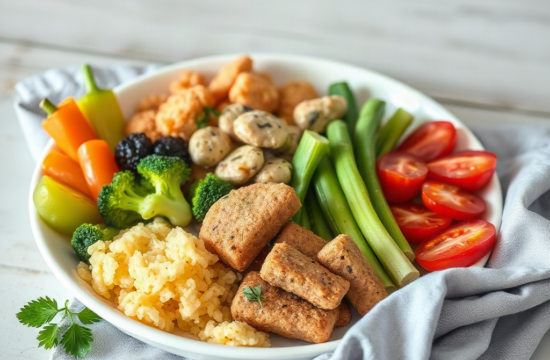
Notice the difference between a supporting ingredient and a primary method. A meal of chickpeas, roasted cauliflower, greens, and a turmeric-spiced yogurt sauce offers protein, fiber, and satisfying volume. The structure of that meal matters far more for fullness and energy intake than the turmeric itself. Progress should be judged through eating-pattern consistency, waist or weight trends over several weeks, hunger, and energy—not sensations such as warmth after a spicy drink.
Why Does Curcumin Research Need Careful Interpretation?
Curcumin findings cannot automatically be translated into advice to sprinkle more turmeric on food. Turmeric is a whole spice containing curcuminoids and many other compounds, while clinical trials commonly test concentrated extracts. A capsule may therefore deliver a very different exposure from a teaspoon used across a family meal.
Absorption adds another complication. Curcumin is not readily absorbed and is processed quickly by the body. Researchers and manufacturers use different delivery systems, including formulations combined with piperine from black pepper or carried in lipid-based products. Results from one enhanced formulation may not apply to ordinary turmeric powder or to a supplement with a different composition.
Study populations matter as well. A result observed in people with obesity, metabolic abnormalities, or a particular health condition does not establish the same effect in otherwise healthy adults. Short trials cannot answer whether a small change will persist, and scale weight alone cannot show whether the change came from fat, water, digestive contents, or lean tissue. Differences in diet counseling further blur the contribution of the tested product.
Marketing often compresses this uncertainty into claims that turmeric “boosts metabolism” or “burns fat.” Those phrases imply a direct, dependable outcome that the evidence does not justify. Mechanistic findings from cells or animals can help researchers form hypotheses, but they do not establish a practical human dose or predict a visible change on the scale.
Use a compact evidence check before accepting a claim:
- Product: Was the research on culinary turmeric, curcumin extract, or an enhanced-absorption formula?
- People: Did participants resemble the person considering the product?
- Outcome: Was actual body composition assessed, or only a blood marker or scale measurement?
- Context: Were participants also changing calories, exercise, or medication?
- Duration: Was the study long enough to address maintenance and adverse effects?
This check does not dismiss promising research; it keeps the conclusion proportional to the evidence. For a person choosing between buying a premium curcumin product and improving breakfast protein, vegetable intake, or portion awareness, the established eating-pattern changes deserve priority. Turmeric can remain part of the plan without carrying expectations the research cannot support.
How to Use Turmeric in Everyday Meals
Culinary turmeric is most useful as a flavor tool within meals built around filling foods. It works especially well with beans, lentils, eggs, fish, chicken, tofu, cauliflower, carrots, squash, brown rice, and savory yogurt sauces. Pairing it with aromatic ingredients such as ginger, garlic, cumin, or coriander creates depth without relying on heavy cream or excessive added sugar.
For breakfast, turmeric can season scrambled eggs or tofu with spinach and tomatoes. At lunch, it can go into a lentil soup containing vegetables and a measured amount of oil. At dinner, it can flavor roasted cauliflower and chicken alongside a high-fiber grain. These examples are useful because the surrounding foods supply protein, fiber, and volume—the features more likely to influence fullness and portion control.
Fat helps disperse turmeric’s flavor and may affect how curcuminoids are handled, but “add fat for absorption” should not become an excuse for unmeasured oil, coconut milk, or butter. A small amount of cooking oil within a complete meal is different from turning a drink into a calorie-dense dessert. Black pepper is a normal culinary partner, yet adding large amounts is unnecessary and may irritate some people’s digestive systems.
Support Your Weight Loss Goals Huge Discount on the Best Certified Organic Nutrient Dense Supplement!
Turmeric beverages deserve similar scrutiny. Unsweetened tea made with turmeric and ginger can be a low-calorie option. A café-style drink prepared with sweetened milk, syrup, and coconut cream may contain enough energy to work against a deficit if consumed in addition to regular meals. The label “golden” or “wellness” gives no information about calories, added sugar, or serving size.
A practical trial is to use turmeric in one or two savory meals several times a week while leaving the rest of the eating plan stable. Check whether those meals remain enjoyable, satisfying, and compatible with your calorie target. Signs the approach is working include easier use of vegetables and legumes, less dependence on rich sauces, and a gradual weight trend consistent with the broader plan. It is failing if turmeric drinks or recipes add untracked calories, cause digestive discomfort, or distract from recurring issues such as low protein, grazing, and oversized portions.
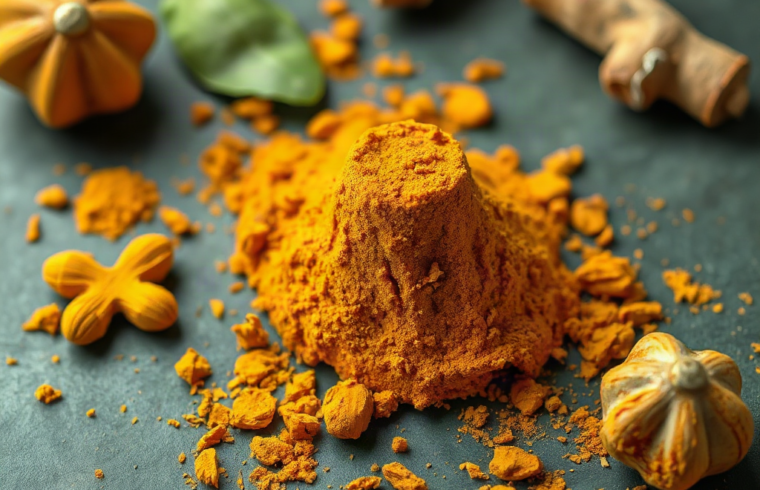
Fresh turmeric root and ground powder both work in cooking. Fresh root offers a bright, pungent character but requires peeling or grating and can spoil. Powder is inexpensive, concentrated in flavor, and easy to store. Neither form has demonstrated a predictable weight-loss advantage, so choose according to taste, cost, and the meals you will actually prepare.
Should You Take a Curcumin Supplement?
A curcumin supplement is optional, not a required part of a weight-loss program. Concentrated products cost more than culinary turmeric, vary in composition, and may use absorption enhancers that change both exposure and interaction potential. A higher dose or a more absorbable formula should not be assumed to produce greater fat loss.
Product labels need close reading because “turmeric,” “turmeric extract,” and “curcuminoids” are not interchangeable descriptions. Check the amount per serving, number of capsules, presence of piperine or other delivery technology, added ingredients, and use warnings. Avoid proprietary language that makes it impossible to tell what the serving supplies. Independent quality testing can offer useful information about identity and contaminants, but it does not prove that a product causes weight loss.
Concentrated curcumin may cause nausea, reflux, abdominal discomfort, or diarrhea in some users. Turmeric or curcumin products may also be unsuitable with certain medicines or health conditions, particularly where bleeding, blood glucose, gallbladder function, or drug absorption is a concern. Piperine can alter how the body handles some medicines. Anyone taking regular prescriptions, preparing for surgery, managing a chronic condition, or pregnant or breastfeeding should seek individualized advice from a clinician or pharmacist rather than relying on a supplement label.
If professional guidance supports a trial, change only one variable at a time and define what success would look like before buying the product. For weight management, that means tracking a trend over weeks while keeping food intake, activity, and other supplements reasonably consistent. Stop and seek advice if new digestive symptoms, unusual bruising, allergic symptoms, or other unexpected effects appear. A rapid scale change over a few days is more likely to reflect fluid or digestive shifts than a curcumin-driven reduction in body fat.
Compare the supplement with what the same budget could accomplish elsewhere. Money spent on a monthly bottle might instead fund beans, frozen vegetables, eggs, plain yogurt, or other foods that directly improve meal structure. A supplement may be reasonable for a specific, professionally assessed purpose, but purchasing it solely because an advertisement promises effortless fat burning is a weak tradeoff. Reliable weight management still rests on an eating pattern, activity level, sleep routine, and monitoring approach that can be maintained.
Frequently Asked Questions
How much turmeric should I take for weight loss?
No culinary or supplemental amount has been established as a dependable weight-loss dose. Use turmeric to season food; discuss concentrated curcumin with a clinician or pharmacist, especially if you take medicine.
Does turmeric burn belly fat?
Turmeric has not been shown to target abdominal fat. Waist size may decline when overall body fat decreases through a sustained calorie deficit, but fat cannot be selectively removed by a spice.
Is turmeric tea useful for losing weight?
Unsweetened turmeric tea can replace a higher-calorie beverage, which may help reduce intake. The advantage comes mainly from the substitution; sweeteners and rich milk can reverse it.
Is fresh turmeric better than turmeric powder?
Neither has a proven weight-loss advantage. Fresh root has a brighter flavor, while powder is affordable and convenient; choose the form that fits nutritious meals you prepare regularly.
Can turmeric supplements interact with medication?
Yes. Concentrated curcumin products, especially those containing piperine, may interact with some medicines or be unsuitable for certain conditions. Ask a pharmacist or clinician to review the exact label.
Conclusion
Turmeric deserves a place in the spice cabinet, not at the center of a fat-loss claim. Use it to make vegetables, legumes, eggs, lean proteins, and whole grains more appealing while keeping oils, sweeteners, and portions aligned with your goals. Judge progress by sustained habits and multiweek trends rather than by a short-lived scale change or a supplement’s marketing language.
Before considering concentrated curcumin, identify the product tested, the formulation used, and whether the reported outcome matters in daily life. Review piperine, serving size, quality testing, medication interactions, and digestive effects with a qualified professional when relevant. The most productive next step is usually to strengthen meal structure and monitor intake first; turmeric can complement that work, but it should not displace it.