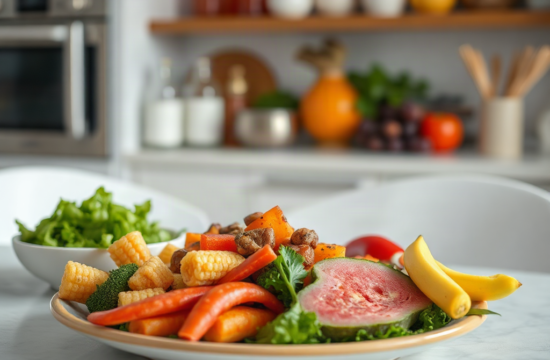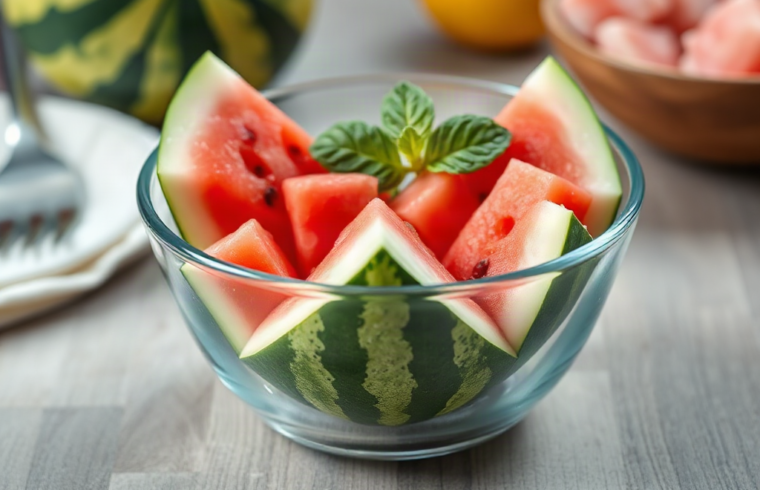
Watermelon can fit a weight loss eating plan when its portion is counted as part of the day’s food intake rather than treated as unlimited because it contains mostly water. A measured bowl can provide sweetness and volume for relatively few calories, but watermelon has little protein and only modest fiber, so it may not keep hunger away by itself. Pairing it with Greek yogurt, cottage cheese, or a small portion of nuts creates a more substantial snack. Fresh pieces are generally more filling than juice, and results still depend on total calorie intake, meal quality, and a sustainable eating pattern.
Why Watermelon Can Fit a Calorie-Conscious Menu
Watermelon offers a large amount of food volume because water makes up most of its edible flesh. That makes it useful when someone wants a sweet, refreshing food without the calorie density of pastries, candy, or many packaged snacks. Its sweetness comes with carbohydrates and naturally occurring sugar, but the presence of water changes how much energy is packed into each bite.
Volume can make a reduced-calorie menu feel less restrictive, although it should not be confused with guaranteed fullness. Watermelon contains some vitamin C, vitamin A precursors, potassium, and the red pigment lycopene. It is still relatively low in protein and contains less fiber than fruits such as raspberries, pears, or apples. A person who eats watermelon alone may therefore feel hungry sooner than someone who combines fruit with protein or chooses a higher-fiber snack.
Consider the difference between a bowl of watermelon and a handful of candy eaten for afternoon sweetness. The watermelon takes longer to eat, supplies fluid, and occupies more space for a comparable or lower calorie cost, depending on the portions. That substitution may make a calorie deficit easier to maintain. Replacing a balanced lunch with watermelon, however, is a poor trade: the meal would lack enough protein, fat, and sustained energy for most people.
Watermelon does not burn fat, detoxify the body, or cause weight reduction through a special biochemical property. Body weight generally changes when energy intake remains below energy expenditure over time. The fruit’s practical advantage is that it can replace a more calorie-dense choice while keeping portions visually satisfying. If it is simply added on top of an already adequate intake, that advantage may disappear.
The most useful way to view Watermelon in a weight loss eating plan is as one flexible carbohydrate choice, not as the center of the menu. It works best alongside vegetables, adequate protein, higher-fiber foods, and meals that a person can sustain beyond a short burst of dieting.
Choosing a Portion That Matches the Meal
A sensible watermelon portion depends on where it appears in the day and what is served with it. A measured cup or modest bowl is a practical starting point for a snack or meal component. Measuring once or twice can help someone recognize a suitable serving without requiring permanent weighing or tracking.
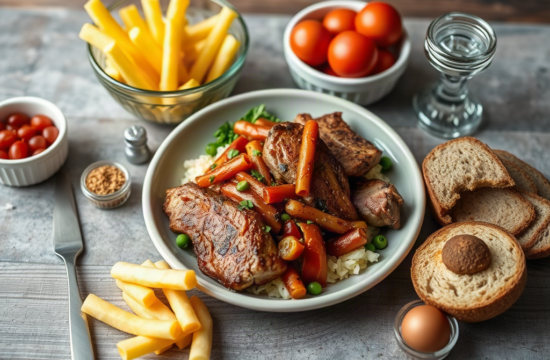
Context matters more than finding a supposedly perfect amount. A person having watermelon beside eggs and whole-grain toast at breakfast may need a different portion from someone adding it to a lunch that already includes bread, beans, and another fruit. When several carbohydrate-rich foods occupy the same meal, reducing one portion can keep the plate aligned with the intended calorie range without banning any individual food.
Large wedges can be difficult to estimate, particularly at picnics or when eating directly from a half melon. Cutting the fruit into pieces and placing the intended amount in a bowl makes intake easier to notice. Seconds can still be chosen deliberately, but the person is less likely to continue eating simply because an open container remains nearby.
Appetite should also inform the portion. Watermelon may work well before a meal for someone who arrives extremely hungry, yet it should not crowd out the meal’s protein and vegetables. After exercise, fruit can supply carbohydrate and fluid, but a demanding workout may call for a more complete recovery snack, such as watermelon with plain Greek yogurt, rather than fruit alone.
People monitoring blood glucose may need to pay particular attention to serving size and meal composition. Individual responses differ, and a clinician or registered dietitian can help tailor carbohydrate intake for diabetes, medication use, pregnancy, or other medical needs. The goal is not to label watermelon as forbidden; it is to account for the amount and what accompanies it.
A portion is probably working when it satisfies the desire for fruit, fits the planned meal, and does not lead to persistent hunger soon afterward. Regularly eating several bowls, overlooking the calories, or using watermelon to postpone a balanced meal suggests that the serving or meal structure needs adjustment.
Pairing Watermelon for Better Fullness
Protein, fiber, and some dietary fat make watermelon more useful as a stand-alone snack. The fruit supplies volume and sweetness, while the accompanying food slows the eating occasion and contributes nutrients that watermelon lacks. This pairing approach is more dependable than expecting a water-rich fruit to control appetite for several hours by itself.
Plain Greek yogurt with watermelon creates a cool, protein-containing snack. Cottage cheese offers a savory alternative, especially with mint or a small amount of black pepper. A modest serving of almonds, pistachios, or pumpkin seeds adds texture and fat, though nuts and seeds are calorie-dense and should not be poured freely from the package. For a meal, watermelon can accompany grilled chicken, lentils, tofu, or fish rather than replacing those foods.
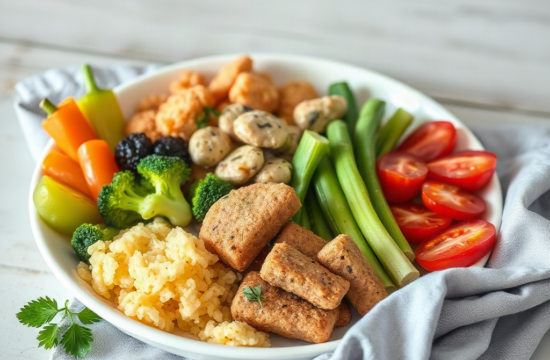
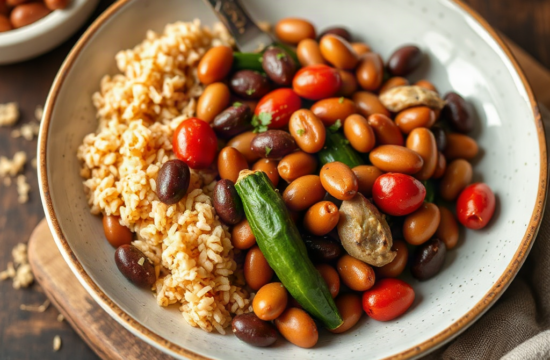
A practical lunch might include a lentil-and-vegetable salad, a bowl of watermelon, and water. The lentils contribute protein and fiber, while the fruit provides a sweet finish. By comparison, a lunch consisting of watermelon and crackers contains relatively little protein and may leave someone looking for another snack well before dinner.
Pairing does not require adding calories without limit. If watermelon and yogurt replace a pastry, the change may reduce total energy while improving protein intake. If the same snack is added after a full meal despite a lack of hunger, it can work against the planned deficit. Substitution is often more effective than accumulation.
Whole pieces are usually preferable to watermelon juice for appetite management. Juicing removes much of the physical structure, makes a large amount easy to drink quickly, and may provide less satisfaction than chewing the same fruit. Smoothies retain more of the fruit than strained juice, but large blended portions can still be consumed rapidly and may include calorie-heavy additions such as sweetened yogurt, juice, syrups, or oversized quantities of nut butter.
Anyone building Watermelon in a weight loss eating plan should judge a pairing by the next few hours. Comfortable fullness and stable meal timing suggest that it works. Repeated grazing, energy dips, or intense hunger indicate that more protein, more fiber, or a different snack may be needed.
Common Watermelon Mistakes and Better Alternatives
The most common mistake is treating watermelon as calorie-free because it contains so much water. Its calorie density is low, but a very large quantity still contributes carbohydrates and energy. Mindless eating from a large container can turn a planned serving into several without creating the fullness expected from a balanced meal.
A second problem is the “watermelon diet” approach, in which the fruit replaces diverse meals for several days. Such a menu is nutritionally incomplete and provides inadequate protein, essential fats, and variety. Rapid scale changes during an extreme plan may partly reflect shifts in water and stored carbohydrate rather than durable fat loss. Returning to usual eating can reverse those short-term changes.
Support Your Weight Loss Goals Huge Discount on the Best Certified Organic Nutrient Dense Supplement!
Liquid forms create another weak point. Watermelon juice may sound equivalent to fresh fruit, but it is easier to drink quickly and may be sold with added sweeteners or blended with other juices. Checking the ingredient list and serving size helps distinguish plain juice from a sweetened beverage. Even unsweetened juice deserves a deliberate portion rather than unlimited use for hydration.
Late-night watermelon is not inherently fattening. The relevant questions are whether the person is hungry, whether the snack fits the day’s intake, and whether eating a large watery portion close to bed disrupts comfort or sleep through fullness or nighttime bathroom trips. Someone who routinely snacks from habit may benefit from serving a small bowl and putting the remaining fruit away rather than eating beside the refrigerator.
Digestive tolerance differs as well. A large serving may cause bloating or gastrointestinal discomfort in some people, including some individuals sensitive to certain fermentable carbohydrates. Reducing the amount or selecting another fruit can be more practical than forcing watermelon into the menu because it has a healthy reputation.
Food safety also matters once the rind is cut. Refrigerate cut watermelon promptly, keep it covered, and discard pieces that have been left in warm conditions for an unsafe length of time or show signs of spoilage. Weight goals never justify eating questionable food. Planning smaller containers can improve portion visibility while keeping the remaining fruit chilled.
A Practical Checklist for Using Watermelon
A repeatable process makes watermelon easier to include without turning each serving into a calorie calculation. Begin by deciding its role: fruit at a meal, a replacement for dessert, or part of a planned snack. That decision determines whether it needs a protein partner and whether another carbohydrate portion should be adjusted.
- Serve it intentionally: Put a moderate amount in a bowl instead of eating from a large container.
- Check the meal: Look for a meaningful protein source and, when appropriate, a higher-fiber food.
- Use substitution: Replace a more calorie-dense sweet or snack rather than automatically adding fruit to the day.
- Notice the outcome: Track hunger, energy, digestion, and whether the serving leads to unplanned grazing.
- Adjust one variable: Change the portion or pairing before deciding watermelon cannot fit.
Suppose an afternoon bowl of watermelon leaves someone hungry within an hour. The first adjustment could be adding plain yogurt while slightly reducing the fruit portion. If that still fails, a higher-fiber choice such as an apple with yogurt may be more satisfying. The better option is the one that controls hunger and fits the person’s calorie target, preferences, digestion, and schedule—not the fruit with the strongest diet reputation.
Progress should be assessed across weeks rather than after a single snack. Useful signs include fewer impulsive sweets, manageable hunger between meals, consistent portions, and gradual movement toward the intended weight trend. Failure signs include relying on watermelon instead of meals, frequent overeating because it seems harmless, or feeling so restricted that higher-calorie foods rebound later.
A practical Watermelon in a weight loss eating plan should remain flexible. Fresh melon can be replaced with another whole fruit when it is unavailable, expensive, out of season, or poorly tolerated. Consistency in the broader eating pattern matters more than keeping one specific fruit on the menu every day.
Frequently Asked Questions
How much watermelon can I eat while trying to lose weight?
A measured cup or modest bowl is a reasonable starting point, but the appropriate amount depends on your calorie needs, other carbohydrates in the meal, hunger, and medical considerations.
Is watermelon too high in sugar for weight loss?
No single fruit is automatically too high in sugar for weight loss. Portion size and total intake matter; fresh watermelon is water-rich, but its carbohydrates should still be included in the meal.
Is watermelon better before or after a workout?
Either can work. Before exercise it offers fluid and carbohydrate; afterward, pair it with a protein source if the session requires a more complete recovery snack.
Can I eat watermelon at night?
Yes, provided it fits your intake and does not disturb sleep or digestion. Serve a planned portion rather than grazing from a large container.
Is watermelon juice as useful as fresh watermelon?
Fresh pieces are generally more useful for fullness because chewing slows consumption and preserves the fruit’s structure. Juice is easier to overconsume and may contain added sweeteners.
Conclusion
Watermelon earns its place on a calorie-conscious menu through high water content, appealing volume, and its ability to replace denser sweets—not through fat-burning or detox claims. Start with a visible, moderate serving and decide whether it functions as a meal component, dessert replacement, or snack. Add protein when the fruit must hold hunger until the next meal, and choose fresh pieces over juice when fullness is the priority.
Watch what happens after eating it. A useful portion leaves room for balanced meals and does not trigger repeated grazing. If hunger returns quickly, change the pairing; if intake grows unnoticed, pre-portion the fruit. Sustainable weight management comes from the complete eating pattern, so keep watermelon when it improves satisfaction and substitute another whole fruit when cost, season, digestion, or preference makes that the better choice.
Support Your Weight Loss Goals
HUGE DISCOUNT ON THE BEST CERTIFIED ORGANIC NUTRIENT DENSE SUPPLEMENT!
Related Content
- Why you’re not losing weight after 45 (and what actually works now)
- How to Lose Weight the Healthy Way: Practical Foods and Daily Habits
- 10 Effective Slow Metabolism Solutions (2025 Guide) to Boost Weight Loss
- 10 Effective sustainable dieting methods to transform your health in 2025
- Achieve Your Goals Safely: Proven Strategies for Effective and Healthy Weight Loss