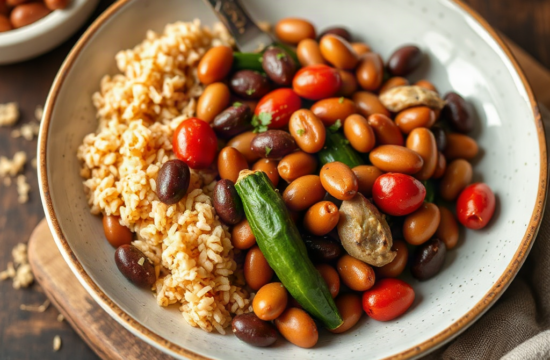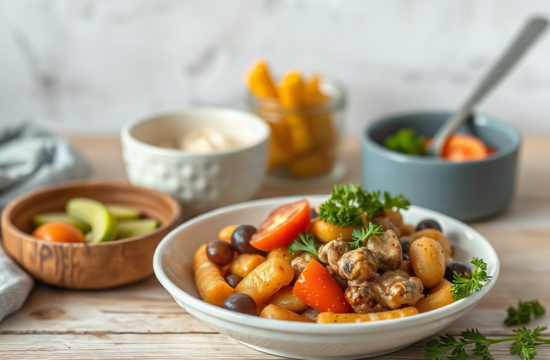
PCOS weight loss is more consistent when the diet uses repeatable meal structure, adequate protein and fiber, measured energy-dense foods, and progress checks that do not depend on daily scale changes. Regular meals built from vegetables, minimally processed carbohydrates, protein, and unsaturated fats may improve fullness while making portions easier to manage. Carbohydrates do not need to be eliminated, but pairing them with protein and fiber can reduce abrupt hunger between meals. A modest approach is usually easier to sustain than severe restriction, especially when sleep, medication, appetite, and insulin resistance affect results.
Build Meals Around Fullness and Blood Glucose Management
Insulin resistance is common in PCOS, although it is not present in every person with the condition. When insulin sensitivity is reduced, the body may need to release more insulin to manage glucose after eating. That does not make carbohydrates inherently harmful, but it does make carbohydrate quality, portion size, and meal composition useful decision points.
A practical meal combines a substantial protein source, a high-fiber plant food, an appropriate portion of carbohydrate, and some unsaturated fat. A lunch might include chicken or tofu, lentils, salad vegetables, olive-oil dressing, and fruit. At breakfast, plain Greek yogurt with berries, oats, and walnuts generally supplies more protein and fiber than a pastry or sweetened cereal eaten alone. These mixed meals often remain satisfying longer because protein, fiber, fat, and food volume slow the eating and digestive process.
Low-carbohydrate eating is one possible preference, not a universal PCOS requirement. Some people find that reducing refined bread, sweets, sugary drinks, and oversized servings of starch makes appetite easier to manage. Others sustain a moderate carbohydrate pattern more comfortably, particularly when it includes beans, whole grains, fruit, and starchy vegetables. The useful comparison is not “carbs versus no carbs”; it is whether a particular meal supports manageable hunger and fits the person’s culture, budget, activity, and medical needs.
Protein needs differ with body size, age, activity, kidney health, and other factors, so a single target is not appropriate for everyone. Still, distributing protein across meals can be more practical than trying to obtain most of it at dinner. Eggs, fish, poultry, cottage cheese, yogurt, tofu, tempeh, beans, and lentils offer varied price points and preparation options.
A common mistake is treating “PCOS-friendly” foods as unlimited. Nuts, cheese, avocado, oils, granola, and nut butter can fit well, but their energy density makes unmeasured portions easy to underestimate. Keep the nutrient-rich food while adjusting the amount: use a spoon for oil, portion nuts into a small bowl, or combine a smaller serving of cheese with vegetables and beans. For a closer review of meal composition, see PCOS weight loss diet principles that support consistency.
Choose a Repeatable Meal Pattern Instead of a Perfect Menu
Consistency becomes easier when eating decisions are limited without making the menu rigid. A rotating set of breakfasts, lunches, dinners, and snacks reduces the effort required to shop, prepare food, and estimate portions. It also creates enough repetition to identify which meals actually control hunger.
Meal timing does not need to follow one universal schedule. Someone who becomes extremely hungry after skipping breakfast may do better with three meals and an optional planned snack. Another person may prefer a later first meal and experience no rebound eating. The better pattern is the one that produces steady energy, tolerable hunger, and portions that remain predictable through evenings and weekends. Long fasting periods are a poor fit if they repeatedly end in grazing, large takeout orders, or feeling out of control around food.
A compact weekly structure can include:
- Two dependable breakfasts: eggs with whole-grain toast and fruit, or yogurt with oats and berries.
- Two prepared lunches: a bean-and-chicken bowl or a tuna, chickpea, and vegetable wrap.
- Three flexible dinners: one sheet-pan meal, one stir-fry, and one soup or chili.
- Two purposeful snacks: fruit with yogurt or vegetables with hummus.
This structure is more resilient than a detailed menu that assumes every evening will be available for cooking. Frozen vegetables, canned beans, microwaveable brown rice, canned fish, rotisserie chicken, and bagged salad can shorten preparation without turning the diet into a highly processed pattern. Convenience should solve the actual constraint. If fatigue leads to delivery meals on work nights, keeping a freezer meal with vegetables and a recognizable protein source may be more valuable than collecting new recipes.
Planning also needs room for restaurant meals and preferred foods. A strict “clean eating” rule can turn one unplanned dessert into abandonment of the entire week. A more workable response is to eat the dessert intentionally, return to the usual meal pattern afterward, and avoid compensatory restriction. Consistency is measured by the pattern across weeks, not by whether every meal meets an ideal.
The failure signal is not simply eating off-plan. Watch for repeated evening hunger, skipped meals followed by overeating, food preparation that exceeds available time, or a menu that isolates the person from family meals. Those patterns suggest the structure needs simplification. The principles described in PCOS weight loss diet principles that support consistency should reduce friction rather than create another demanding routine.
Create an Energy Deficit Without Aggressive Restriction
Weight loss requires average energy intake to remain below energy use over time, but the size of that gap affects adherence. Severe restriction may cause rapid early scale movement, partly from water changes, while also increasing hunger, fatigue, food preoccupation, and the likelihood of regaining lost weight. PCOS does not cancel energy balance, yet appetite, insulin resistance, sleep disruption, mood, medication, and individual metabolic differences can make managing that balance harder.
Start by changing portions and food density rather than removing entire food groups. Half a plate of non-starchy vegetables, a clear serving of protein, and a moderate portion of starch is a useful visual starting point, not a medical prescription. Someone eating a large pasta dinner could retain pasta while adding chicken or lentils, doubling the vegetables, and reducing the amount of creamy sauce. The revised meal may provide greater volume and protein with less energy than the original.
Liquid calories and casual extras deserve attention because they may add energy without resolving hunger. Sweetened coffee, alcohol, sugary drinks, frequent bites while cooking, and heavy pours of dressing can matter more than a serving of potatoes at dinner. The goal is not obsessive tracking. It is to identify changes that preserve satisfying meals. Water, unsweetened tea, or a lower-sugar coffee may be an easier adjustment than making lunch too small.
Calorie counting can clarify portions for some people, but it is not required and may be inappropriate for anyone with an active or previous eating disorder. A portion-based approach can instead hold breakfast and lunch relatively stable, include vegetables at dinner, and measure calorie-dense additions for a few weeks. Either method should leave enough food to support daily function. Persistent dizziness, weakness, intense preoccupation with food, binge episodes, or menstrual changes warrant prompt discussion with a qualified clinician rather than tighter restriction.
Do not assume that supplements marketed for PCOS can replace meal structure or create predictable fat loss. Evidence and product quality vary, and supplements may interact with medications or be unsuitable during pregnancy. Likewise, prescribed treatments such as metformin or anti-obesity medication can affect appetite, glucose management, or weight, but they require individualized medical oversight. Nutrition remains supportive care, not a cure for PCOS.
A workable deficit often feels uneventful: meals remain recognizable, hunger is manageable, and social eating is possible with modest adjustments. If the diet repeatedly triggers rebound eating, the planned deficit may be too aggressive or the meals may lack protein, fiber, volume, or preferred flavors.
Support Your Weight Loss Goals Huge Discount on the Best Certified Organic Nutrient Dense Supplement!
Use Progress Checks to Adjust the Diet Carefully
PCOS progress should be judged by trends rather than a single weigh-in. Body weight can shift with hydration, sodium, bowel contents, menstrual-cycle changes, and carbohydrate intake. Irregular cycles can make those fluctuations harder to interpret, so reacting to every increase often produces unnecessary restriction.
If weighing is emotionally neutral, use measurements taken under similar conditions and compare weekly averages over several weeks. If weighing worsens anxiety or disordered eating, alternatives include waist measurements taken less often, how clothing fits, meal adherence, hunger stability, energy, strength, or laboratory markers reviewed with a clinician. No single measure captures health or determines whether the eating pattern is sustainable.
Before reducing food, check whether the plan was followed often enough to evaluate. A person may eat structured meals Monday through Thursday but drink more alcohol, order larger meals, and graze on weekends. The solution is not necessarily a smaller weekday breakfast. A planned restaurant choice, a protein-rich afternoon snack, or fewer unmeasured drinks may address the actual source of inconsistency.
Use this sequence when progress appears stalled:
- Review at least several weeks rather than a few days, unless a clinician has advised otherwise.
- Check meal regularity, beverages, restaurant frequency, cooking fats, snacks, sleep, and medication changes.
- Change one manageable variable, such as measuring oil or slightly reducing one starch portion.
- Keep the adjustment long enough to evaluate hunger, adherence, and the direction of the trend.
Signs that the approach is working include less urgent hunger, fewer unplanned eating episodes, repeatable grocery shopping, and gradual movement in the chosen outcome. A flat scale does not automatically mean failure if waist measurements, strength, or clinical markers are improving. Conversely, quick weight loss accompanied by exhaustion, constant hunger, or binge eating is not evidence that the method is sustainable.
Seek individualized care when weight changes are unexplained, PCOS symptoms are worsening, pregnancy is planned, or eating behavior feels unsafe. A registered dietitian familiar with PCOS can adapt portions to medical history and food preferences. A clinician can also assess sleep apnea, thyroid disorders, medication effects, glucose status, and other issues that diet alone cannot resolve. Use PCOS weight loss diet principles that support consistency as a foundation for questions, not as a substitute for diagnosis or treatment.
Frequently Asked Questions
Do I need to avoid carbohydrates to lose weight with PCOS?
No. Many people can include fruit, beans, whole grains, and starchy vegetables while losing weight. Portion size and pairing carbohydrates with protein, fiber, or fat may make hunger and glucose responses easier to manage.
How often should I eat if I have PCOS?
There is no mandatory schedule. Choose meal timing that prevents extreme hunger and supports predictable portions; three meals, or three meals with a planned snack, works better than fasting for some people.
What should a PCOS-friendly plate contain?
A useful starting point is plenty of non-starchy vegetables, a distinct protein source, a moderate portion of minimally processed carbohydrate, and some unsaturated fat. Adjust amounts for hunger, activity, medical needs, and progress.
Why is my weight fluctuating even when my meals are consistent?
Hydration, sodium, bowel contents, carbohydrate intake, and menstrual-cycle changes can alter scale weight. Compare trends across several weeks rather than responding to an isolated measurement.
When should I get professional help with PCOS weight management?
Consult a clinician or registered dietitian if eating becomes restrictive or distressing, symptoms worsen, weight changes unexpectedly, pregnancy is planned, or medications and related conditions need review.
Conclusion
A sustainable PCOS eating pattern should make ordinary meals easier to repeat, not require constant restraint. Begin with mixed meals that supply protein, fiber-rich plants, measured fats, and carbohydrate portions suited to your appetite and activity. Build a short rotation of convenient foods, then observe hunger, weekend eating, beverages, and preparation demands before reducing portions further.
Evaluate changes across several weeks because fluid shifts and irregular cycles can obscure short-term scale results. Adjust one variable at a time and retain any method only if it supports adequate nutrition, stable eating behavior, and daily function. Bring persistent symptoms, concerning weight changes, medication questions, or signs of disordered eating to an appropriate healthcare professional. The next useful step is a simple weekly meal structure that you can realistically repeat and assess.
Support Your Weight Loss Goals
HUGE DISCOUNT ON THE BEST CERTIFIED ORGANIC NUTRIENT DENSE SUPPLEMENT!
Related Content
- Low-Fat Dieting: Foods, Fullness, and Tradeoffs—Protein, Fiber, and Portion Checks
- What Benefits Can You Expect To See From Your Weight Loss Plan?
- Take Inches Off Your Waist Line With These Helpful Tips
- The Best Weight Loss Advice Available Anywhere
- 10 Effective healthy metabolism boosters to boost energy in 2025