How Meal Balance Affects Insulin Resistance
Insulin resistance means muscle, liver, and fat cells do not respond to insulin as efficiently as expected. The pancreas may compensate by producing more insulin, but glucose regulation can become harder over time. Body-weight reduction may improve insulin sensitivity for some people, yet the method used to lose weight matters. A plan dominated by refined starches, liquid calories, or very small meals can leave a person hungry and produce sharp glucose fluctuations even when total calories appear low.
Meal composition changes how quickly food is digested and how satisfying it feels. Carbohydrate generally has the most immediate effect on post-meal glucose, but its source, portion, preparation, and food pairings all matter. Lentils and sweetened cereal are both carbohydrate-containing foods, for example, yet lentils supply fiber and protein and usually require more chewing. Pairing them with vegetables and fish creates a different meal response than eating an oversized bowl of cereal by itself.
Protein helps preserve lean tissue during weight reduction and often extends fullness between meals. Fiber from vegetables, beans, intact grains, berries, nuts, and seeds adds volume and slows digestion. Unsaturated fats from olive oil, avocado, nuts, seeds, and fish can improve satisfaction, although their portions still deserve attention because fats are calorie-dense. No single nutrient cancels the effects of an oversized meal; balance works through the combined effect of food quality and appropriate quantity.
A common misconception is that managing insulin resistance requires eliminating all carbohydrate. A very-low-carbohydrate approach may suit some adults, but it is not the only workable pattern and can be difficult to maintain. It may also require medication adjustment when glucose-lowering drugs are involved. A moderate approach keeps nutrient-rich carbohydrate in measured servings and evaluates the response. Readers considering Managing insulin resistance with balanced weight loss meals should prioritize repeatable meals over rigid rules that trigger fatigue, cravings, or social disruption.
The practical goal is not a perfectly flat glucose line after every bite. It is a meal pattern that produces manageable hunger, supports gradual weight change, and fits medical needs. Persistent high readings, symptoms of high or low blood glucose, or uncertainty about medication and food interactions warrant guidance from a qualified clinician or registered dietitian.
Build a Plate That Supports Fullness and Glucose Control
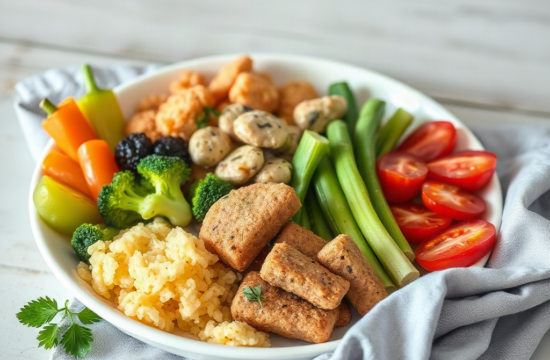
A useful starting plate gives the most space to non-starchy vegetables, then divides the remaining space between protein and a fiber-rich carbohydrate. This visual method controls portions without requiring every ingredient to be weighed. It also prevents a frequent problem: treating a large serving of rice, pasta, or bread as the meal and adding only a small amount of protein or vegetables.
For a typical lunch or dinner, fill roughly half the plate with vegetables such as broccoli, peppers, mushrooms, leafy greens, cauliflower, green beans, or zucchini. Use about one-quarter for eggs, fish, poultry, tofu, tempeh, lean meat, cottage cheese, or another suitable protein. The final quarter can hold beans, lentils, brown rice, barley, quinoa, corn, potatoes, or another carbohydrate. These ratios are starting points rather than prescriptions; energy needs, medications, activity, culture, and glucose response may justify different portions.
Consider two lunches with similar ingredients. A burrito made with a large flour tortilla, a generous scoop of white rice, cheese, and a small amount of chicken concentrates several energy-dense foods while offering little vegetable volume. A bowl using lettuce, peppers, salsa, chicken, black beans, a smaller rice portion, and a spoonful of avocado distributes the meal differently. The second option is not automatically low-calorie, but its protein, fiber, and produce make portion control and fullness easier.
Breakfast deserves the same structure even when it does not resemble a dinner plate. Plain Greek yogurt with berries, walnuts, and a small amount of oats combines protein, produce, fat, and carbohydrate. Eggs with sautéed vegetables and one slice of whole-grain toast offer another option. By contrast, juice with a pastry delivers rapidly digested carbohydrate with limited protein and fiber. Smoothies can work, but fruit juice, sweetened yogurt, nut butter, and large fruit portions can turn a drink into a high-energy meal that is less filling than solid food.
Use this compact check before serving a meal:
- Protein: Is there a clear, satisfying source rather than a token amount?
- Produce: Do non-starchy vegetables or whole fruit provide volume and fiber?
- Carbohydrate: Is the portion visible, measured, and mostly minimally processed?
- Fat: Is it intentional rather than accumulating from oil, cheese, sauces, and nuts?
- Drink: Is water or an unsweetened beverage replacing routine liquid calories?
Convenience does not have to undermine the structure. Frozen vegetables, canned beans rinsed of excess sodium, precooked grains, canned fish, rotisserie chicken with skin removed, and bagged salad can assemble a practical meal. The mistake is assuming that “healthy” ingredients are portion-free. Olive oil, nuts, avocado, cheese, and whole grains remain nutritious choices, but several generous servings in one bowl can erase the calorie deficit needed for weight reduction.
Adjust Portions, Carbohydrates, and Meal Timing
Carbohydrate tolerance is individual, so the most useful portion is the smallest one that still supports satisfaction, nutrition, activity, and adherence—not the smallest amount a person can endure. Someone who walks after dinner or performs physically demanding work may handle a different serving than a sedentary person. Glucose-lowering medication can further change the decision, especially when missed meals or abrupt carbohydrate reductions increase the risk of low blood glucose.
Begin with a consistent carbohydrate portion at comparable meals rather than changing everything daily. For example, serve a modest scoop of brown rice with salmon and vegetables on several occasions, then examine fullness and any clinician-recommended glucose measurements. If readings repeatedly exceed the personal target discussed with a healthcare professional, the next experiment might be reducing the rice portion, replacing part of it with lentils or cauliflower, or taking an appropriate walk after eating. Removing both the rice and other satisfying foods at once makes it difficult to identify what helped.
Food labels can clarify portions but should not become the sole measure of quality. “Net carbohydrate,” “keto,” or “sugar-free” claims do not guarantee that a product is filling, minimally processed, or low in calories. Check the serving size, total carbohydrate, fiber, added sugars, protein, and calories in the amount actually eaten. A snack bar may contain little sugar yet still be easy to consume quickly and less satisfying than an apple paired with plain yogurt or a small portion of nuts.
Meal timing should solve a specific problem. Regular meals may help a person who becomes ravenous after skipping lunch and overeats at night. A shorter daily eating window may suit someone who naturally prefers fewer meals, but it is not automatically better for insulin resistance or weight loss. Long fasting periods can conflict with certain medicines, exercise schedules, pregnancy, eating-disorder history, or medical conditions. Late eating also matters mainly through context: a planned evening meal differs from repeated grazing on calorie-dense snacks after dinner.
Support Your Weight Loss Goals Huge Discount on the Best Certified Organic Nutrient Dense Supplement!
Snacks are optional rather than mandatory. Add one when there is a long interval between meals, genuine physical hunger, or a need related to medication or exercise. Choose a pairing such as carrots with hummus, cottage cheese with berries, or an apple with peanut butter. Grazing because food is visible can quietly raise energy intake without improving nutrition. A structured approach to Managing insulin resistance with balanced weight loss meals distinguishes planned fuel from automatic eating.
Judge timing and portions by several signals together: hunger before meals, satisfaction afterward, energy, digestive comfort, weight trend, and glucose data when monitoring is appropriate. A plan is probably too aggressive if it causes persistent weakness, intense preoccupation with food, recurrent low readings, or evening binges. Adjust the structure rather than treating those warning signs as a lack of discipline.
Track Results and Correct Common Meal-Planning Mistakes
Progress is better assessed as a pattern than as a reaction to one meal or one weigh-in. Body weight changes with hydration, sodium, digestion, hormones, and carbohydrate storage. Glucose also varies with sleep, stress, illness, activity, medication, and meal composition. Use comparable measurements over time and follow the monitoring plan provided by a healthcare professional rather than chasing every fluctuation with a new restriction.
A brief meal record can reveal more than detailed calorie tracking when it captures the right information. Note the meal components, approximate portions, hunger before eating, fullness afterward, and any glucose values requested by a clinician. If afternoon hunger repeatedly follows a light salad, check whether it contains enough protein, carbohydrate, and dressing to function as a meal. If breakfast is followed by a larger-than-expected glucose rise, compare sweetened oatmeal with a smaller serving of oats combined with eggs, seeds, or plain yogurt.
The first adjustment should target the clearest weak point. Replace sugary drinks before removing whole fruit. Reduce restaurant-sized starch portions before banning beans. Measure freely poured oil before cutting a modest potato from dinner. These changes address concentrated calories or rapidly consumed carbohydrate while preserving foods that contribute fiber, micronutrients, and satisfaction.
Several common failure modes deserve attention:
- Over-restricting early: A sharp calorie or carbohydrate cut may produce quick scale movement but can cause fatigue, food fixation, and rebound eating.
- Ignoring hidden energy: Coffee additions, alcohol, dressings, cooking oils, nuts, and frequent tastes can outweigh adjustments made to the main plate.
- Using exercise as compensation: Activity may support insulin sensitivity and health, but it does not reliably offset unmeasured portions.
- Treating medication as static: Weight change, lower carbohydrate intake, or increased activity may alter medication needs and should be discussed with the prescriber.
Signs the approach is working may include more predictable hunger, fewer unplanned snacks, meals that remain satisfying for several hours, a gradual weight trend, and glucose measurements moving toward individualized clinical targets. A flat scale does not automatically mean failure; portions may need refinement, but short-term fluid changes can conceal fat loss. Waist measurements, meal consistency, and improvements noted during medical follow-up provide additional context.
Seek professional input when readings remain outside the recommended range, hypoglycemia occurs, weight changes unexpectedly, or food restriction becomes distressing. People who are pregnant, use insulin or medicines that can cause low glucose, have kidney or liver disease, or have a history of an eating disorder need individualized planning. Balanced meals may support insulin-resistance management, but they do not replace diagnosis, prescribed treatment, or appropriate laboratory follow-up.
Frequently Asked Questions
Do I need to stop eating carbohydrates if I have insulin resistance?
No. Many people can include measured portions of beans, intact grains, fruit, dairy, or starchy vegetables, especially when paired with protein, fiber, and unsaturated fat. Individual glucose responses and medication needs should guide adjustments.
What is a simple dinner for insulin resistance and weight loss?
Try grilled fish or tofu with a large serving of roasted non-starchy vegetables and a modest portion of lentils, barley, or potatoes. Use oil and sauces deliberately so nutritious additions do not unintentionally raise calories.
Are low-carb packaged foods better than whole grains or beans?
Not automatically. A low-carb label does not show how filling, processed, or calorie-dense a product is. Compare serving size, total carbohydrate, fiber, protein, added sugars, and ingredients with the whole-food alternative.
How quickly should glucose readings change after improving meals?
Responses vary with medication, activity, sleep, illness, meal portions, and baseline glucose control. Follow the testing schedule and targets set by a clinician, and evaluate repeated patterns rather than drawing conclusions from one reading.
Can intermittent fasting help with insulin resistance?
It may help some people reduce energy intake, but it is not inherently superior to balanced meals eaten on a regular schedule. It can be unsuitable with certain medications, medical conditions, pregnancy, or an eating-disorder history.
Conclusion
Effective meal planning for insulin resistance should make portions easier to manage without stripping meals of satisfaction or nutritional value. Build most lunches and dinners around non-starchy vegetables and a meaningful protein source, then add a measured high-fiber carbohydrate and a deliberate amount of fat. Apply the same logic to breakfast and snacks rather than relying on special diet products.
Keep the first changes narrow enough to evaluate: replace caloric drinks, measure concentrated fats, improve protein at weak meals, or reduce an oversized starch serving. Watch hunger, energy, weight trends, and clinician-directed glucose readings for several weeks before making further changes. If medication, recurrent low glucose, pregnancy, kidney disease, or disordered eating complicates the plan, involve a qualified healthcare professional instead of attempting increasingly strict restriction.