Healthy drinks that support weight loss goals are primarily water, unsweetened tea or coffee, sparkling water, and other options that provide hydration without adding substantial calories or sugar. Check serving size, calories, added sugars, caffeine, and ingredients rather than relying on claims such as “natural,” “vitamin,” or “sports.” Protein-rich drinks may help with fullness when they replace a planned snack or meal component, but they still count toward daily energy intake. Keep sweetened beverages occasional, use zero-calorie alternatives selectively if they reduce sugar intake, and judge success by whether a drink fits your eating pattern without increasing hunger or triggering extra snacking.
Why Beverage Calories Deserve Attention
Liquid calories are easy to underestimate because drinking does not always produce the same sense of fullness as eating a meal with protein, fiber, and texture. A sweetened coffee, bottled tea, juice drink, or large smoothie may be consumed quickly and followed by a normal meal. The issue is not that the body somehow ignores beverage calories; it is that people may fail to compensate for them by eating less later.
Frequency matters as much as the calorie count of a single drink. A modestly sweetened beverage purchased every morning can have a larger effect on total intake than a richer drink enjoyed occasionally and deliberately. The practical priority is therefore to identify repeated sources rather than treating every caloric beverage as forbidden. Coffee with a small amount of milk, for example, is different from a flavored coffee containing syrup, whipped topping, and a large serving of sweetened cream.
Sugar-sweetened drinks can also make portion judgment difficult. Bottles that look like one serving may contain more than one, while restaurant cups provide no immediate nutrition label. Juice presents a related misconception: although 100% juice can supply nutrients, it contains less fiber than whole fruit and is easier to consume in a large amount. Eating an orange generally takes longer and provides more intact fiber than drinking orange juice.
Begin with a three-day beverage check. Record water, coffee additions, alcohol, juices, soft drinks, energy drinks, milk, and any drinks consumed during exercise. Include approximate size and refills. The purpose is not perfect calorie tracking; it is to reveal the drink that occurs often enough to matter. If replacing one recurring sweet beverage with water or an unsweetened option feels manageable, that change is usually more durable than trying to overhaul every choice at once.
A useful sign that the adjustment is working is that meals and hunger remain stable while beverage calories decline. If the change leaves you preoccupied with sweets or leads to compensatory snacking, modify it rather than forcing it. A lightly sweetened version, smaller size, or gradual reduction may work better than an abrupt switch.
The Most Useful Everyday Drink Choices
Water is the strongest default because it hydrates without contributing calories, sugar, caffeine, or a complicated ingredient list. Still or sparkling water can both serve this purpose, provided flavored varieties are checked for added sugar. Carbonation may cause temporary fullness or bloating in some people, so still water may be more comfortable around exercise or for anyone sensitive to fizzy drinks.
Unsweetened coffee and tea are also practical choices. Their impact changes when sugar, syrups, sweetened creamers, or large amounts of cream are added. Someone who dislikes black coffee does not need to force it: a measured splash of milk may be easier to sustain and nutritionally clearer than repeatedly pouring an unmeasured flavored creamer. Caffeine can interfere with sleep or cause jitteriness in sensitive people, and poor sleep may make appetite management harder. Decaffeinated coffee and herbal tea offer alternatives when timing or tolerance is a concern.
Milk and fortified unsweetened soy beverages provide protein and nutrients, but they are not calorie-free thirst quenchers. They fit best when their nutrition has a purpose, such as accompanying breakfast or contributing protein to a planned snack. Other plant beverages vary widely. Almond, oat, coconut, and rice drinks can differ in protein, added sugar, calories, and fortification, so the category name alone does not reveal how useful a product will be.
A simple hierarchy can make Choosing healthy drinks that support weight loss goals easier during a busy day:
- For routine thirst: still or sparkling water.
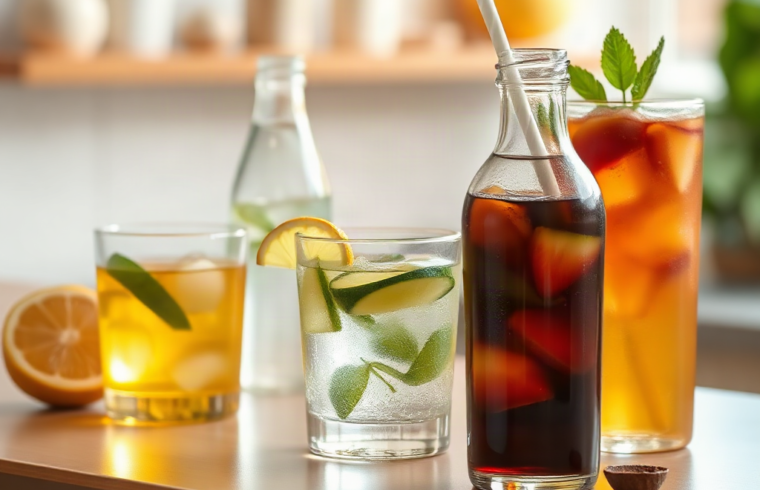
- For flavor without much energy: unsweetened tea, coffee, or water flavored with citrus, cucumber, or herbs.
- For nutrition: an appropriately portioned dairy or soy beverage that fits the meal.
- For enjoyment: a sweet drink selected consciously rather than treated as automatic hydration.
Sports drinks are frequently unnecessary for ordinary desk work, errands, or short, easy workouts. Their carbohydrate and electrolyte content may be useful during prolonged or demanding activity, heavy sweating, or specific conditions, but water is commonly sufficient for routine hydration. The mistake is choosing a specialized drink because its packaging appears healthier, without matching it to the actual activity.
How to Read a Beverage Label
The Nutrition Facts panel is more informative than claims on the front of a bottle. Terms such as “clean,” “made with fruit,” or “energy” do not tell you whether a drink is low in calories or added sugar. Start with serving size and servings per container. If a bottle lists two servings and you drink the entire bottle, the listed calories and nutrients must be doubled.
Next, compare total calories and added sugars with the role the beverage is supposed to play. A hydration drink used several times a day should generally contribute little or no energy. A protein shake intended to replace part of breakfast can reasonably contain calories because it serves a different purpose. Context prevents the common mistake of declaring one number universally good or bad.
Use this compact label checklist before buying a new drink:
- Confirm the portion: Compare the labeled serving with the amount you will actually drink.
- Check calories: Decide whether they are intentional nourishment or incidental liquid energy.
- Find added sugars: Compare similar products rather than assuming fruit, tea, or vitamin wording means unsweetened.
- Review protein and fiber: Expect meaningful amounts only when the drink is meant to contribute fullness or replace food.
- Notice caffeine and stimulants: Consider the total from coffee, tea, energy drinks, and supplements, especially later in the day.
- Scan the ingredients: Look for sweeteners, juice concentrates, and multiple forms of added sugar.
Marketing language can obscure differences between nearly identical products. “No added sugar” does not necessarily mean sugar-free because milk or fruit ingredients may contain naturally occurring sugars. “Zero sugar” may indicate the use of low- or no-calorie sweeteners. Neither label automatically establishes whether the drink suits your appetite, digestion, preferences, or broader diet.
Restaurant drinks require estimation rather than precise label reading. Order the smallest size that will satisfy the occasion, ask for fewer syrup pumps, choose unsweetened tea, or request sauces and sweeteners on the side when possible. A flavored latte can also be treated as a snack rather than paired automatically with a pastry. That role-based decision is more useful than trying to classify the drink as inherently healthy or unhealthy.
Where Diet Drinks, Smoothies, and Protein Shakes Fit
Low- and no-calorie sweetened drinks can be useful when they directly replace regularly consumed sugary beverages. They are not required for weight loss, and individual responses differ. Some people find that a diet soda satisfies a preference without adding sugar; others report that a strongly sweet flavor maintains their desire for sweet foods. The practical test is what happens afterward, not whether the product belongs to a supposedly perfect category.
Track the effect for a week or two. A useful substitution lowers beverage calories without increasing snacks, cravings, digestive discomfort, or reliance on caffeine. It is failing if the “saved” calories become permission for extra food, or if multiple diet drinks displace water throughout the day. Unsweetened beverages remain the simpler long-term default, but a zero-calorie alternative can be a realistic bridge away from frequent sugary drinks.
Smoothies require different judgment because their calorie content depends on ingredients and size. A blend of fruit, milk or unsweetened soy beverage, and plain yogurt can function as a meal component. A large smoothie made with juice, sweetened yogurt, syrup, nut butter, and multiple fruit portions can be far more substantial than it appears. Blending retains more fiber than juicing whole produce, yet the final drink may still be consumed faster than the same ingredients eaten separately.
Support Your Weight Loss Goals Huge Discount on the Best Certified Organic Nutrient Dense Supplement!
Protein shakes may improve fullness for some people when used in place of a less filling snack or as a convenient post-exercise option. They do not cause fat loss independently, and adding one on top of normal meals simply adds energy. Check the protein source, serving size, added sugars, and total calories. People with kidney disease, medically prescribed protein limits, allergies, or other nutrition-related conditions should discuss major dietary changes with a qualified clinician.
Alcohol deserves separate consideration. It supplies calories, can lower food restraint, and often arrives with mixers or late-night eating. A smaller serving, slower pace, water between alcoholic drinks, or an alcohol-free choice may make intake easier to manage. Saving calories by skipping meals before drinking is a poor tradeoff because it can increase hunger and intoxication risk. For more comparisons, use Choosing healthy drinks that support weight loss goals as a decision based on purpose, portion, and what the drink replaces.
Build a Drink Routine That Works in Real Life
A sustainable beverage routine reduces decisions at predictable moments. Keep water visible at a desk, carry a refillable bottle during errands, and decide on coffee additions before ordering. These environmental choices are more dependable than waiting until thirst or fatigue makes the sweetest option feel automatic.
Match substitutions to the reason you choose the original drink. If you want carbonation, sparkling water may work better than plain water. If the appeal is an afternoon ritual, hot tea or decaffeinated coffee preserves the pause. If you are genuinely hungry, replacing a sweet drink with water may not solve the problem; a planned snack containing protein and fiber could be more appropriate. Hunger and thirst overlap for some people, but they should not be treated as interchangeable.
Consider a commuter who buys a large flavored coffee every weekday. Switching immediately to black coffee may feel punitive and last only a few days. Ordering a smaller size with half the syrup, then gradually reducing sweetness, preserves convenience while changing the repeated source of calories. By contrast, someone who drinks one regular soda at a weekly dinner may gain little from obsessing over that isolated choice compared with examining daily sweet tea or oversized smoothies.
Hydration needs vary with body size, climate, activity, pregnancy, illness, medications, and the water present in food. Thirst and urine color can offer rough day-to-day feedback, but rigid water targets are not appropriate for everyone. Excessive fluid intake can also be harmful, and people with heart, kidney, or fluid-balance conditions may need individualized limits from their healthcare team.
Review the routine after two weeks. Look for fewer unplanned drink purchases, stable energy, manageable hunger, and a reduction in repeated sweetened choices. Watch for warning signs such as headaches from abruptly cutting caffeine, worsening sleep from late stimulants, persistent hunger after replacing meals with thin drinks, or “healthy” smoothies steadily growing in size. Adjust one variable at a time so you can tell what is helping. The best pattern is not the one with the strictest rules; it is the one that directs routine thirst toward low-calorie choices while leaving deliberate room for nutrition and enjoyment.
Frequently Asked Questions
What is the best drink for weight loss?
Water is the most practical default because it provides hydration without calories. Unsweetened tea, plain coffee, and sparkling water can add variety, but no individual drink causes weight loss by itself.
Can I drink fruit juice while trying to lose weight?
Yes, but portion size matters. Juice is easy to drink quickly and has less intact fiber than whole fruit, so a small serving with a meal is generally easier to account for than using juice as routine hydration.
Are zero-sugar drinks better than regular soda?
They can reduce calories and added sugar when they replace regular soda. Whether they are useful long term depends on appetite, digestive tolerance, caffeine intake, and whether they actually reduce rather than shift total intake.
Do protein shakes help with weight loss?
A protein shake may support fullness when it replaces a planned snack or meal component. Adding it to an unchanged eating pattern adds calories, so its value depends on portion, ingredients, and what it replaces.
How can I make water easier to drink?
Try chilled water, sparkling water, a reusable bottle, or flavor from lemon, lime, cucumber, mint, or berries. Place water where you normally reach for a drink and pair refills with recurring activities.
Conclusion
Drink choices work best when they are matched to purpose. Use water and unsweetened beverages for routine thirst, reserve caloric drinks for situations where their nutrition or enjoyment is intentional, and check labels for the portion you will actually consume. Pay particular attention to repeated coffee additions, sweetened teas, juice drinks, oversized smoothies, alcohol, and products marketed as sports or wellness beverages.
Choose one frequent drink to adjust during the next two weeks. Reduce its size or sweetness, replace it with an option you genuinely enjoy, and observe hunger, sleep, energy, and unplanned snacking. Keep the change if it lowers incidental calories without creating a rebound elsewhere. If medical conditions affect fluid, caffeine, alcohol, sugar, or protein intake, use individualized advice from a qualified healthcare professional rather than applying a general beverage rule.