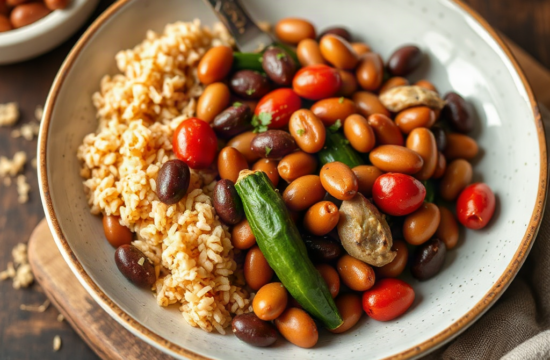
AIP diet plans can affect weight loss by removing many calorie-dense convenience foods, but the protocol is designed to identify food triggers rather than serve as a permanent slimming diet. A sound approach maintains adequate protein, carbohydrates, fats, fiber, and total energy while using a time-limited elimination phase followed by structured food reintroductions. Unplanned restriction may cause fatigue, nutrient gaps, muscle loss, constipation, or unintended rapid weight change. Track symptoms and intake separately, judge progress beyond the scale, and involve a registered dietitian or clinician when autoimmune disease, medication, pregnancy, disordered eating, or unexplained weight loss complicates the decision.
What the AIP Elimination Phase Actually Does
The autoimmune protocol, commonly called AIP, uses a temporary elimination period to simplify food exposure before foods are tested again. Typical exclusions include grains, legumes, dairy, eggs, nuts, seeds, nightshade vegetables, alcohol, and many additives or highly processed products. Meals are generally built from meat, poultry, seafood, vegetables other than nightshades, fruit, selected fats, and carbohydrate-rich roots or tubers. Exact versions vary, so a person needs a defined protocol rather than a vague promise to “eat clean.”
The purpose is not to prove that every excluded food causes inflammation or weight gain. Removing multiple food groups at once may make symptom patterns easier to observe, but it cannot diagnose an allergy, intolerance, or autoimmune condition. Evidence for AIP remains limited and condition-specific, and symptom changes can have several explanations. A person may feel different because meals contain less alcohol or fewer ultra-processed foods, because overall calorie intake changed, or because sleep, medication, stress, and disease activity changed at the same time.
Weight loss often occurs incidentally when familiar breakfasts, snacks, restaurant meals, and desserts disappear. Someone who previously ate cereal with milk, sandwiches, cheese, and packaged snacks may suddenly have fewer convenient calories available. That does not mean the eliminated foods independently blocked fat loss. The more likely mechanism is a change in energy intake, meal composition, appetite, or eating opportunities. Conversely, generous portions of dried fruit, coconut products, avocado, oils, and fatty meat can keep energy intake high even when every ingredient is AIP-compatible.
A useful starting boundary is a clearly defined, time-limited elimination phase with a plan for reassessment and reintroduction. Write down the symptoms being monitored, such as bowel changes, joint discomfort, skin symptoms, fatigue, or headaches, and record their baseline frequency or severity. Keep weight goals separate from symptom goals so a lower scale reading is not mistaken for proof that a food was harmful.
The common failure mode is treating the strictest phase as a permanent badge of success. Long-term exclusion increases social burden, cost, food anxiety, and the chance of missing nutrients such as calcium, vitamin D, folate, or certain forms of fiber. Readers comparing AIP diet plans and weight loss considerations should prioritize a workable exit plan, not the longest possible prohibited-food list.
Building AIP Meals Without Undereating
A nutritionally adequate AIP meal needs more than vegetables and a small serving of lean meat. Restriction removes several inexpensive sources of energy and nutrients, including beans, whole grains, dairy, eggs, nuts, and seeds. Unless those roles are deliberately replaced, meals can become too low in energy, carbohydrate, calcium, or fiber for the person’s needs.
Start with a substantial protein source, then add vegetables, an AIP-compatible carbohydrate, and a measured source of fat. A practical dinner might combine baked salmon, roasted sweet potato, broccoli, and olive oil. Another option is turkey patties with winter squash, sautéed greens, and avocado. Breakfast could be leftover chicken with plantain and spinach rather than relying on fruit alone. These combinations provide more staying power than a plate dominated by leafy vegetables, yet they avoid turning coconut cream or cooking oil into an untracked calorie source.
Protein deserves attention during intentional weight loss because losing body weight too quickly can include loss of lean tissue. Meat, fish, poultry, and seafood are central AIP options, but variety matters. Repeatedly choosing processed AIP-labelled snacks or fatty cuts may crowd out seafood, vegetables, and other nutrient-dense foods. Portion needs differ with body size, activity, health status, and appetite, so a dietitian can individualize intake without imposing an arbitrary universal target.
Carbohydrates should not disappear by accident. Sweet potatoes, cassava, taro, plantains, winter squash, and fruit can help support daily activity and make the plan more sustainable. A sedentary person pursuing gradual loss may use smaller portions than an endurance athlete, but persistent weakness, declining exercise capacity, poor concentration, or intense food preoccupation suggests the deficit may be too aggressive. Low carbohydrate intake can also alter water storage, causing an early scale drop that does not represent equivalent body-fat loss.
Use this compact meal check before tightening portions further:
- Protein: Is there a recognizable serving of meat, poultry, fish, or seafood?
- Plants: Are vegetables varied in color and type rather than limited to salad greens?
- Energy: Is there enough root vegetable, tuber, squash, or fruit for activity and satiety?
- Fat: Is oil, avocado, coconut, or animal fat present in a deliberate amount?
- Tolerance: Does the meal fit known allergies, digestive needs, and medical advice?
The mistake to avoid is assuming compliant foods can be eaten without regard to quantity or nutritional balance. Whole foods remain preferable to heavily processed substitutes, but “AIP-compliant” describes ingredient rules, not calorie content or overall quality. For budget control, frozen vegetables, canned fish with compatible ingredients, less expensive cuts of meat, and batch-cooked roots can be more practical than specialty products.
Weight Change, Symptoms, and Signs the Plan Is Failing
Scale movement during AIP needs interpretation rather than automatic praise or concern. Early changes may reflect water, glycogen, digestive contents, or sodium intake. A slower trend over several weeks is more informative for intentional fat loss, while symptom tracking should use measures relevant to the original reason for trying the protocol.
Record body weight under reasonably consistent conditions if weighing is appropriate for you, but add indicators such as hunger, energy, bowel regularity, strength, sleep, and meal satisfaction. For example, a person may lose several pounds while becoming constipated, exhausted, and unable to complete usual workouts. That pattern is not a successful trade merely because the scale moved downward. Another person may maintain weight while identifying a food that reliably corresponds with digestive symptoms during reintroduction; that can still be useful information.
Signs that the approach may be working include manageable hunger, stable daily function, meals that can be prepared within the available budget, and a gradual trend consistent with the stated goal. Symptom observations should be repeatable rather than based on a single unusually good or bad day. When weight loss is intended, waist measurements, clothing fit, or performance can add context, although none should become a substitute for medical monitoring when health is changing.
Warning signs include rapid unintended loss, dizziness, persistent fatigue, worsening gastrointestinal symptoms, frequent binge episodes, fear of reintroducing foods, menstrual changes, declining strength, or increasing fixation on ingredient purity. Constipation may indicate inadequate food volume, fluids, or tolerable fiber sources. Constant hunger may reflect undersized meals rather than weak willpower. No symptom checklist can determine the cause, so severe, persistent, or unexplained changes warrant professional assessment.
Support Your Weight Loss Goals Huge Discount on the Best Certified Organic Nutrient Dense Supplement!
The protocol also becomes harder when medical constraints overlap. People who are pregnant or breastfeeding, underweight, managing diabetes, taking medicines affected by food intake, living with kidney disease, or recovering from an eating disorder should not improvise a restrictive plan. Children and adolescents have growth requirements that make unsupervised restriction especially concerning. AIP is not a replacement for prescribed treatment, and medication changes should be handled by the prescribing clinician.
A common misconception is that slower loss means more foods must be eliminated. Body-weight trends can be influenced by intake, activity, sleep, medications, fluid retention, and health conditions; expanding the prohibited list does not identify which factor matters. Review portions, cooking fats, beverages, snack frequency, and activity before blaming another food category. A registered dietitian familiar with autoimmune conditions can help distinguish a useful adjustment from restriction that only adds burden. That distinction is central to responsible AIP diet plans and weight loss considerations.
Reintroducing Foods Without Losing Useful Information
Reintroduction is the information-gathering phase, not an optional departure from the protocol. Keeping every excluded food out indefinitely prevents the person from learning which foods are tolerated and leaves the diet narrower than necessary. A methodical process tests one food at a time while the rest of the routine stays relatively stable.
Choose a single food and begin with a small amount, then use a larger portion if no concerning reaction appears. Observe the response over the following days before introducing something else. The exact waiting period and sequence should reflect the protocol being followed, prior reaction history, and professional guidance. Stop a challenge if a meaningful symptom appears, record what happened, and return to the established baseline before deciding whether or when to retest.
Suppose someone challenges cooked egg yolk while also trying a new supplement, eating at a restaurant, sleeping poorly, and sharply cutting calories. A headache or digestive change afterward cannot be attributed confidently to the egg. A cleaner test keeps medication, supplements, meal structure, and activity as consistent as practical. Notes should identify the food, preparation, amount, timing, and specific response rather than using broad labels such as “felt inflamed.”
Food safety and allergy risks override a home experiment. Anyone with a known or suspected immediate food allergy, previous breathing difficulty, facial or throat swelling, faintness, or another severe reaction should seek medical advice and should not conduct an unsupervised challenge. Digestive discomfort after a large serving is also different from a confirmed allergy, which is another reason not to diagnose reactions from an elimination diary alone.
Successful reintroductions expand nutrient variety, reduce cost, and make social eating easier. Reintroducing eggs could restore a convenient protein source; tolerating yogurt or another dairy food may make calcium intake easier; legumes could add affordable fiber and plant protein. A temporary increase on the scale after restoring carbohydrates may represent replenished glycogen and associated water rather than immediate fat gain. Judging a food solely by next-day weight can therefore produce unnecessary restriction.
The frequent mistake is combining reintroduction with an aggressive weight-loss push. Large calorie changes can alter digestion, energy, hunger, and body weight, creating noise that obscures the food test. Hold the basic meal pattern steady while gathering tolerance information, then adjust portions gradually once the diet has broadened. The best endpoint is not perfect compliance; it is the least restrictive eating pattern that meets nutritional needs, respects confirmed reactions, and remains realistic in ordinary life.
Frequently Asked Questions
Is AIP specifically designed for weight loss?
No. AIP is an elimination-and-reintroduction protocol intended to explore possible food-related symptoms. Weight may decrease if total energy intake falls, but loss is not proof that excluded foods caused symptoms.
How long should the elimination phase last?
There is no single duration appropriate for everyone. Set a defined review point with a clinician or dietitian rather than extending strict elimination indefinitely, especially if symptoms do not improve or nutrition becomes difficult.
Can AIP be low in carbohydrates?
It can become low in carbohydrates if grains and legumes are removed without adding roots, tubers, squash, plantains, or fruit. Low carbohydrate intake is not an automatic requirement of AIP.
Why did my weight rise after a food reintroduction?
A short-term increase may reflect water, glycogen, sodium, or digestive contents. It does not by itself establish fat gain, intolerance, or inflammation; assess symptoms and longer trends separately.
Who should get professional help before trying AIP?
Professional input is particularly important for children, pregnant or breastfeeding people, anyone underweight, and people with diabetes, kidney disease, significant food allergies, unexplained weight loss, or an eating-disorder history.
Conclusion
AIP works best as a controlled experiment with an endpoint, not as an escalating contest in restriction. Define the symptoms being observed, construct meals with adequate protein, produce, compatible carbohydrates, fats, and total energy, and monitor function alongside body weight. Early scale changes require caution because water and glycogen can shift quickly when the food pattern changes.
Set a reintroduction plan before beginning, test foods under stable conditions, and preserve foods that prove tolerable. If fatigue, digestive problems, food anxiety, declining strength, or unintended weight loss develops, pause further restriction and seek qualified help. The practical next step is to write down the goal, baseline symptoms, meal structure, and review date; if those cannot be defined clearly, a less restrictive eating pattern may be the safer and more useful choice.