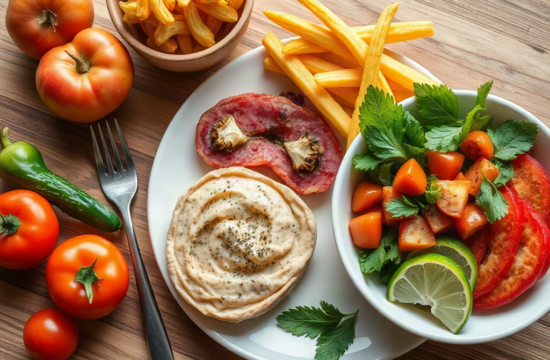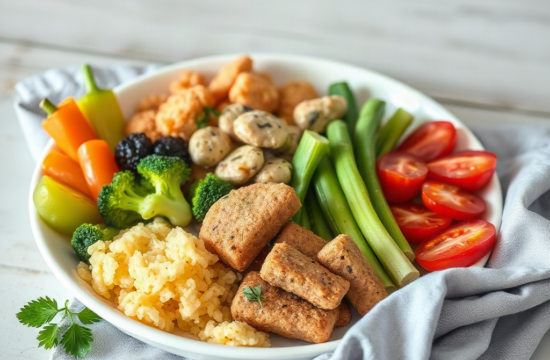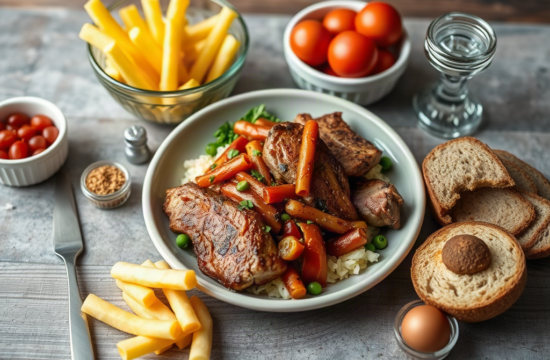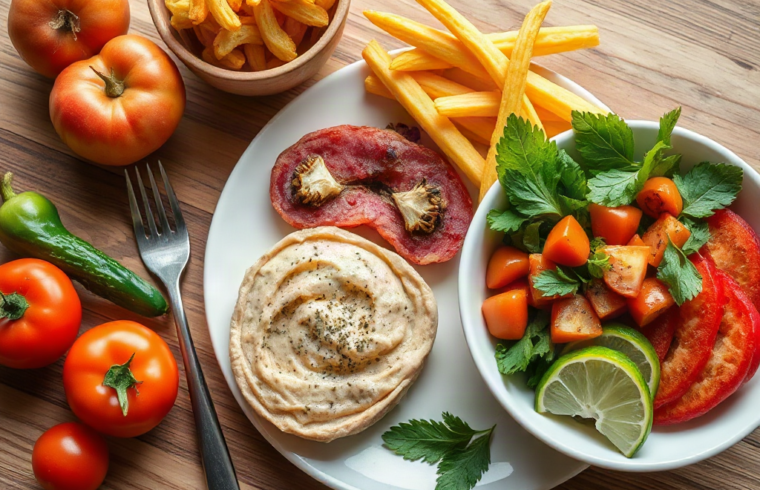
Healthy eating with PCOS for steady weight management centers on regular, filling meals that combine protein, fiber-rich carbohydrates, unsaturated fats, and minimally processed foods. This pattern may moderate post-meal blood glucose changes, reduce between-meal hunger, and make portions easier to manage without eliminating entire food groups. Build meals around vegetables, beans, fish, eggs, poultry, yogurt, whole grains, fruit, nuts, and seeds while limiting sugary drinks and highly refined snacks. Because insulin resistance, medications, sleep, and appetite differ between people with PCOS, adjust portions from observed hunger, energy, and weight trends rather than following an aggressively restrictive menu.
How PCOS Changes the Weight-Management Equation
Polycystic ovary syndrome can affect appetite, blood glucose regulation, body composition, and the ease with which a calorie deficit can be maintained. Insulin resistance is common in PCOS, although it does not affect everyone to the same degree. When cells respond less effectively to insulin, the body may produce more of it to manage blood glucose. That physiology can coexist with stronger hunger, fatigue, or cravings, but it does not mean that carbohydrates must be eliminated or that weight gain is inevitable.
Weight management still reflects energy intake over time, yet treating that fact as the whole answer is rarely useful. A small bowl of sweetened cereal and a bowl containing plain Greek yogurt, berries, oats, and walnuts may have similar calories depending on portions, but they do not necessarily produce the same fullness. Protein, fiber, food volume, texture, and the degree of processing influence how satisfied someone feels and how easily they can reach the next meal without grazing.
PCOS also varies substantially from person to person. Someone taking metformin may experience nausea or appetite changes, while another person may be managing irregular periods, sleep disruption, acne, fertility concerns, or a history of restrictive dieting. These factors can alter food choices and consistency. A rigid menu that ignores work shifts, food costs, cultural meals, or medication side effects is less useful than a repeatable structure that can be adapted.
A common mistake is assuming every stalled scale reading proves that a specific food is “hormone disrupting.” Body weight can fluctuate with hydration, sodium, bowel contents, menstrual changes, and glycogen storage. Look at trends over several weeks rather than reacting to a single measurement. Waist measurements, meal satisfaction, energy, and laboratory results reviewed with a clinician can add context.
Medical support matters when symptoms are changing or weight efforts repeatedly fail despite a consistent routine. A physician can assess PCOS-related concerns and rule out other contributors, while a registered dietitian can tailor intake to medications, preferences, metabolic markers, and eating-disorder history. Food choices may support symptom and weight management, but they do not replace individualized PCOS treatment.
Build Meals That Manage Hunger and Blood Glucose
A practical PCOS meal starts with three anchors: a substantial protein source, a high-fiber plant food, and an appropriate portion of carbohydrate or unsaturated fat. Combining these components generally produces a more satisfying meal than eating a refined carbohydrate alone. It also slows digestion and can soften the rise and fall in blood glucose after eating, although individual responses vary.
For a flexible plate, fill roughly half with non-starchy vegetables, reserve about one-quarter for protein, and use the remaining quarter for a fiber-rich starch. Add a modest amount of fat if the meal is otherwise lean. This visual method is a starting point rather than a prescription; a highly active person may need more starch, while someone with a small appetite may need a less bulky meal.
- Breakfast: eggs with sautéed vegetables, whole-grain toast, and fruit.
- Lunch: lentils, chopped vegetables, feta, and olive-oil dressing with a whole-grain pita.
- Dinner: salmon, roasted broccoli, and a moderate serving of potatoes or brown rice.
- Snack when needed: an apple with peanut butter or plain yogurt with berries.
Protein does not have to come from meat at every meal. Fish, eggs, plain dairy foods, tofu, tempeh, beans, lentils, and poultry all offer useful options. Plant proteins such as beans contribute both protein and fiber, though their carbohydrate content should still be considered when portions are being adjusted. Nuts and seeds provide unsaturated fat and some protein, but their energy density makes measured portions helpful when progress has stalled.
Vegetables and whole fruit usually deserve priority over juice because their fiber and chewing requirements improve fullness. Frozen produce is nutritionally useful and often less expensive than fresh produce that spoils before it is eaten. Canned beans, tuna, salmon, and vegetables can also reduce preparation time; draining or rinsing canned foods can lower excess sodium where needed.
The failure mode to avoid is building a technically “healthy” meal that is too small to satisfy. A salad containing lettuce, cucumber, and low-calorie dressing may leave someone hungry within an hour. Adding chicken or chickpeas, a whole grain, and olive oil turns it into a functional meal. The broader approach to Healthy eating with PCOS for steady weight management should make hunger manageable, not demand constant resistance to it.
Choose Carbohydrates by Quality, Portion, and Context
Carbohydrate quality and meal context are generally more useful considerations than declaring all carbohydrate foods unsuitable for PCOS. Beans, oats, barley, quinoa, whole-grain bread, potatoes, dairy foods, and fruit contain different combinations of starch, natural sugar, fiber, water, protein, and micronutrients. They should not be treated as metabolically identical to sugary drinks, candy, or large portions of refined baked goods.
Pairing matters. A banana eaten with yogurt or peanut butter is likely to be more filling than a banana by itself. Rice served with tofu, vegetables, and sesame oil produces a mixed meal rather than a concentrated serving of starch. The goal is not to prevent every rise in blood glucose—an increase after eating carbohydrate is normal—but to create meals that support stable energy and reasonable hunger between eating occasions.
A lower-carbohydrate pattern may suit some people, especially if it replaces refined foods with vegetables, protein, legumes, and healthy fats. It should not automatically become a very-low-carbohydrate diet. Severe restriction can make social eating difficult, reduce fiber intake, intensify cravings, or trigger rebound overeating. Conversely, a high-carbohydrate meal pattern dominated by sweet drinks, white bread, snack foods, and oversized grain portions may make appetite and energy intake harder to manage.
Use a simple adjustment sequence before removing foods:
- Replace sweetened beverages with water, sparkling water, or unsweetened drinks most of the time.
- Choose higher-fiber starches when they are affordable and acceptable.
- Pair carbohydrate foods with protein and produce.
- Reduce oversized portions gradually if weight or hunger trends remain unfavorable.
Food labels can help, but a single number does not determine whether a product belongs in the diet. Compare serving size, fiber, added sugar, protein, and the ingredient list. A cereal advertised as whole grain may still contain substantial added sugar, while a simple oat cereal can be combined with milk, nuts, and berries to create a more complete breakfast.
Another mistake is using the glycemic index as an absolute ranking system. Preparation, ripeness, serving size, and the rest of the meal affect the actual response. Personal glucose monitoring may be clinically appropriate for someone with diabetes or prediabetes, but it should be interpreted with a healthcare professional rather than used to create fear around nutritious foods. For most people, the practical priority is a minimally processed eating pattern with portions that fit their needs.
Create a Sustainable Eating Pattern and Track What Works
Consistency becomes easier when eating decisions are made before hunger is urgent. Choose two or three reliable breakfasts, lunches, and dinners that use overlapping ingredients. A batch of roasted vegetables, cooked grain, and chicken or tofu can become grain bowls, wraps, or salad toppings. This approach is often more workable than preparing a different recipe every day.
Support Your Weight Loss Goals Huge Discount on the Best Certified Organic Nutrient Dense Supplement!
Meal timing should fit appetite, medication, sleep, and daily obligations. Three meals may work well for someone who prefers larger portions, while another person may need three smaller meals and a planned snack. Frequent snacking is not inherently harmful, but unplanned bites can obscure total intake and may never provide genuine satisfaction. If a snack is routinely needed, treat it as a small meal containing protein or fiber rather than relying on crackers or sweets alone.
Start by observing the current pattern for one or two weeks. Record meals, approximate portions, hunger before and after eating, sleep, and relevant symptoms without trying to make the record perfect. Then change one high-impact factor, such as adding protein at breakfast or replacing a daily sweetened drink. Changing everything at once makes it difficult to identify what improved hunger or what caused fatigue, digestive discomfort, or excessive restriction.
Signs that an approach is working include tolerable hunger, fewer impulsive eating episodes, adequate energy, meals that fit ordinary social life, and a gradual trend toward the intended weight outcome. Warning signs include persistent dizziness, preoccupation with food, binge eating, worsening fatigue, avoidance of entire food groups without medical need, or a menu too complicated to maintain. Rapid short-term scale changes often reflect water rather than a durable change in body fat.
Plateaus call for review rather than punishment. Check cooking oils, restaurant frequency, beverages, alcohol, snack portions, sleep, and activity before making the menu drastically smaller. Strength training and regular movement may support body composition and insulin sensitivity, while sleep loss can make appetite harder to regulate. Neither exercise nor sleep cancels food intake, but both affect how manageable an eating routine feels.
People pursuing Healthy eating with PCOS for steady weight management should also review medications and metabolic markers with their healthcare team. PCOS can overlap with prediabetes, diabetes, abnormal cholesterol levels, sleep apnea, and mental health concerns. A dietitian can help set an appropriate energy target without unnecessary exclusions, particularly during pregnancy planning, fertility treatment, adolescence, or recovery from disordered eating.
Frequently Asked Questions
Do people with PCOS need to avoid carbohydrates?
No. Many carbohydrate foods, including beans, whole grains, fruit, and dairy, provide useful nutrients. Quality, portion size, and pairing carbohydrates with protein, fiber, or unsaturated fat usually matter more than complete avoidance.
Is a low-carbohydrate diet best for PCOS weight management?
Some people find a moderately lower-carbohydrate pattern satisfying, but it is not the only workable option. The best pattern is nutritionally adequate, fits medical needs and preferences, and can be maintained without severe restriction.
How much protein should each PCOS meal contain?
Needs vary with body size, activity, kidney health, age, and total intake. Include a recognizable protein source at each main meal, then seek individualized guidance if a precise target is needed.
Can healthy eating cure PCOS?
No food pattern is proven to cure PCOS. Nutrition may support weight, blood glucose, cardiovascular health, and symptom management, but it should complement appropriate medical assessment and treatment.
What should I change first if my weight is not moving?
Review beverages, snack portions, cooking fats, restaurant meals, sleep, and consistency before imposing a drastic restriction. Change one measurable factor for several weeks and evaluate the trend rather than daily fluctuations.
Conclusion
A workable PCOS eating routine should reduce decision fatigue and keep meals satisfying enough to repeat. Prioritize protein, vegetables, fiber-rich carbohydrate foods, and measured amounts of unsaturated fat, then adjust portions according to hunger, energy, and multiweek weight trends. Avoid interpreting every plateau as evidence that fruit, grains, or another single food must be removed.
Begin with one concrete change: strengthen breakfast with protein, replace a sugary drink, or prepare two balanced lunches in advance. Review the result before adding another restriction. Persistent fatigue, severe hunger, binge eating, medication side effects, or unexpected weight changes warrant support from a clinician or registered dietitian. Steady management comes from a nutritionally adequate pattern that fits PCOS care and ordinary life, not from the most restrictive menu.