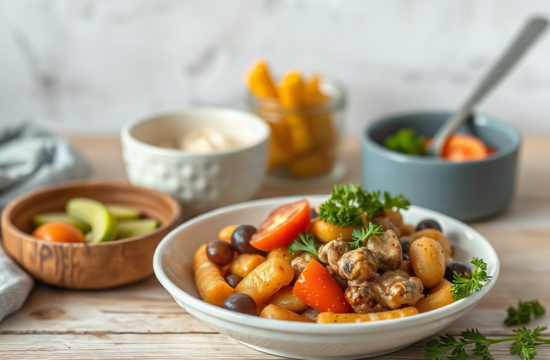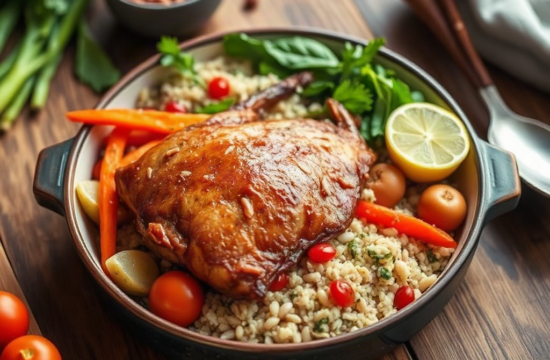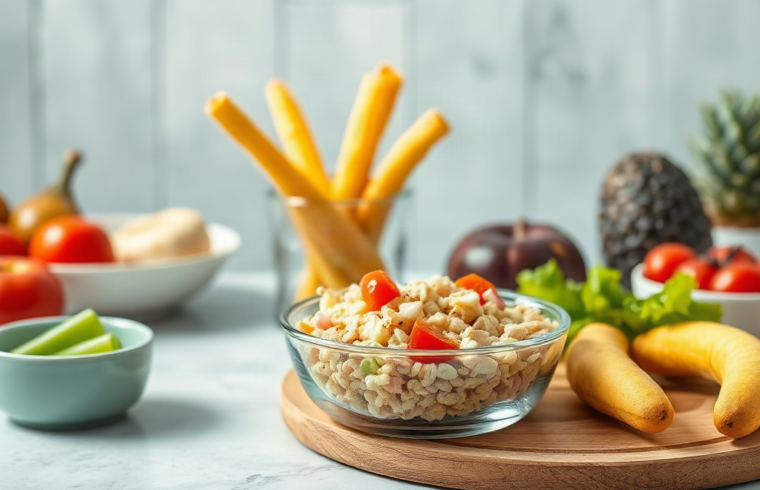
Healthy eating strategies for PCOS-related weight concerns should emphasize regular meals built from protein, fiber-rich carbohydrates, unsaturated fats, and minimally processed foods rather than severe carbohydrate restriction. This combination may moderate post-meal blood sugar changes, improve fullness, and make a sustainable energy deficit easier when weight reduction is appropriate. Practical choices include pairing beans or whole grains with vegetables and protein, limiting sugary drinks, and adjusting portions according to hunger and activity. Because PCOS symptoms, insulin resistance, medications, and eating-disorder risk vary, progress should be judged by energy, menstrual patterns, laboratory results, and eating consistency—not body weight alone.
How PCOS Changes the Nutrition Decision
Polycystic ovary syndrome can affect appetite, blood sugar regulation, menstrual function, and where the body tends to store fat. Insulin resistance is common in PCOS, although it is not present in everyone and cannot be diagnosed from body size alone. When cells respond less effectively to insulin, the pancreas may release more of it to manage blood glucose. That physiological pressure can make hunger, fatigue, or weight management more difficult for some people, but it does not mean a particular food caused PCOS.
The useful nutrition question is therefore not simply, “Which foods cause weight loss?” A better question is whether an eating pattern provides enough protein, fiber, and micronutrients while creating meals that are satisfying and practical. A lunch of vegetables alone may look light, yet it can leave someone hungry within an hour. Adding lentils, chicken, tofu, tuna, eggs, or Greek yogurt—and an appropriate portion of whole-grain bread, brown rice, or potatoes—usually produces a more complete meal.
Weight reduction may improve metabolic or reproductive markers for some people with PCOS, particularly when higher body weight is accompanied by insulin resistance. It is not a universal requirement, and larger losses should not be treated as the only meaningful outcome. Improved blood pressure, lower glucose readings, more stable energy, greater dietary variety, better strength, or more predictable cycles may occur without dramatic movement on the scale. Fertility goals, pregnancy, adolescence, a history of disordered eating, and medications that influence glucose or appetite all change what is appropriate.
A common failure mode is responding to slow progress with increasingly restrictive rules. Skipping breakfast despite morning hunger, cutting out fruit, or eliminating all grains may temporarily reduce calorie intake, but it can also produce fatigue, intense evening hunger, constipation, or binge-restrict cycles. A moderate pattern that can be repeated through workdays, social meals, and symptom fluctuations is generally more useful than a rigid plan that lasts two weeks.
Before changing intake aggressively, check the assumptions behind the goal. Confirm PCOS and related metabolic concerns with a qualified clinician rather than self-diagnosing from symptoms. Ask whether thyroid conditions, sleep problems, medication effects, depression, or another health issue could be influencing weight or appetite. The most appropriate Healthy eating strategies for PCOS-related weight concerns should fit those clinical findings rather than relying on a one-size-fits-all “PCOS diet.”
Build Meals That Support Fullness and Steadier Blood Sugar
A balanced plate offers a practical starting point because it controls meal composition without demanding precise calorie counting. Fill roughly half the plate with non-starchy vegetables, reserve about a quarter for a protein-rich food, and use the remaining area for a fiber-containing carbohydrate. Add a modest source of unsaturated fat where it improves flavor and satisfaction. The proportions are flexible: hunger, body size, activity, medication, cultural preferences, and whether the meal must last several hours all affect suitable portions.
Protein and fiber slow digestion and tend to make meals more filling than refined carbohydrate eaten by itself. Useful protein choices include fish, poultry, eggs, cottage cheese, plain Greek yogurt, tofu, tempeh, edamame, beans, and lentils. Vegetables, berries, pears, oats, barley, legumes, and whole-grain breads provide different types of fiber. Olive oil, avocado, nuts, seeds, and oily fish contribute unsaturated fats, but portions still matter because these foods are energy-dense.
Consider two breakfasts with similar convenience. Sweetened coffee and a large pastry provide concentrated refined carbohydrate and may not sustain fullness. Plain yogurt with berries, walnuts, and oats supplies protein, fiber, and fat alongside carbohydrate. Someone who dislikes yogurt could choose eggs with whole-grain toast and tomatoes, or reheated beans with vegetables and avocado. The objective is not to make breakfast mandatory; it is to avoid relying on a meal that repeatedly leads to a sharp hunger rebound.
A compact meal-building checklist can simplify decisions:
- Protein: Include a clearly visible source rather than assuming a small garnish is enough.
- Produce: Add vegetables or whole fruit for volume, fiber, and micronutrients.
- Carbohydrate: Choose an amount suited to hunger and activity, preferably from minimally processed sources.
- Fat and flavor: Use olive oil, nuts, seeds, avocado, herbs, or sauces in deliberate portions.
Whole foods are valuable, but convenience foods are not automatically poor choices. Frozen vegetables, canned beans, microwavable brown rice, rotisserie chicken, and tinned fish can make balanced meals possible when time or energy is limited. Compare labels when sodium, added sugar, or portion size matters, and rinse canned beans if desired. A frozen meal can also work better when supplemented with vegetables or protein rather than rejected in favor of skipping dinner.
The mistake to avoid is turning the plate method into another inflexible rule. A bean chili already contains protein, carbohydrate, and vegetables, so separating every component is unnecessary. Mixed dishes can be assessed by asking what is missing: perhaps extra vegetables, a larger protein portion, or less calorie-dense topping. That adaptable reasoning is more durable than pursuing visually perfect plates.
Choose Carbohydrates by Quality, Pairing, and Portion
Carbohydrates do not need to be eliminated solely because someone has PCOS. The type, amount, and foods eaten alongside them influence the post-meal glucose response. Intact or minimally processed carbohydrate sources—such as beans, lentils, oats, barley, quinoa, whole fruit, corn, and potatoes with their skin—usually provide more fiber and satiety than sugary drinks, candy, or highly refined baked goods.
Pairing matters in ordinary meals. An apple eaten with peanut butter or cheese is likely to be more sustaining than apple juice because whole fruit retains fiber and the accompanying protein or fat slows the meal. White rice does not have to be forbidden; a smaller serving alongside salmon or tofu and a generous portion of vegetables differs substantially from a large bowl of rice with little protein. Cooling and reheating some cooked starches may alter resistant starch modestly, but that detail should not displace the bigger priorities of portion, fiber, and the total meal.
Low-carbohydrate diets can reduce glucose exposure and appetite for some people, but “lower” does not need to mean ketogenic or grain-free. Strict approaches may limit fruit, legumes, dairy, and whole grains that provide valuable nutrients. They can also be expensive, socially restrictive, or difficult to sustain. A moderate approach begins by removing liquid sugar, reducing oversized servings of refined starch, and distributing carbohydrate across meals instead of saving most of it for late evening.
Glycemic index can offer context, but it is not a complete ranking system. Ripeness, cooking, processing, portion size, and meal composition all change the effect of a food. Watermelon, for example, may have a different glycemic-index classification than its typical carbohydrate load would suggest. Meanwhile, a low-glycemic dessert can still be energy-dense. Using a single number to label foods “good” or “bad” often creates confusion without improving the overall pattern.
Support Your Weight Loss Goals Huge Discount on the Best Certified Organic Nutrient Dense Supplement!
Signs that carbohydrate portions may need adjustment include predictable sleepiness after meals, rapid return of hunger, persistently elevated glucose identified by a clinician, or difficulty fitting intake to activity. The next step is not automatic elimination. Try replacing juice with whole fruit, adding protein to breakfast, exchanging part of a refined grain serving for beans or vegetables, or selecting a smaller portion while monitoring fullness. People using insulin or glucose-lowering medication should discuss major carbohydrate changes with their healthcare team because medication needs and hypoglycemia risk may be affected.
Budget also shapes carbohydrate choices. Dried lentils, oats, brown rice, frozen corn, and store-brand whole-grain bread can cost less than specialty “PCOS-friendly” products. Expensive powders, bars, and low-carb replacements are not required for Healthy eating strategies for PCOS-related weight concerns; their labels may still show substantial calories, saturated fat, or sugar alcohols that cause digestive discomfort.
Create a Sustainable Eating Pattern and Measure Progress
Consistency usually matters more than selecting a named diet. Mediterranean-style patterns are often practical because they feature vegetables, legumes, fruit, whole grains, fish, olive oil, nuts, and moderate portions rather than rigid exclusions. A culturally familiar eating pattern can follow the same principles using different staples: corn tortillas with beans and vegetables, dal with a measured portion of rice, or tofu and greens with noodles can all be balanced meals.
Meal timing should respond to symptoms and daily demands. Some people feel better with three meals and no snacks, while others need a planned snack because shifts, exercise, medication, or long gaps trigger overeating. Intermittent fasting is not automatically more effective for PCOS, and evidence about the best timing pattern remains limited. If fasting produces dizziness, obsessive food thoughts, low training energy, or a large nighttime meal that feels out of control, it is failing as a practical strategy even if the fasting window looks disciplined.
Preparation should target the point where the week typically breaks down. Someone arriving home exhausted at 7 p.m. may benefit more from keeping frozen vegetables, cooked protein, and microwaveable grains available than from writing an elaborate menu. A realistic preparation routine might cook one protein and one grain, wash produce, and stock two emergency meals. Examples include lentil soup with whole-grain toast, canned salmon with microwavable rice and frozen broccoli, or eggs with vegetables and a baked potato.
Weight trends should be assessed over time because hydration, sodium, constipation, menstrual changes, and glycogen can shift scale readings. Daily weighing is useful only if it provides neutral information; weekly or less frequent measurement may be safer for someone who becomes anxious or compensates by restricting food. Other indicators include waist measurements, hunger stability, meal regularity, strength, sleep quality, menstrual patterns, blood pressure, and clinician-ordered glucose or lipid tests.
A strategy is probably working when meals are satisfying for several hours, energy is reasonably stable, grocery and preparation demands are manageable, and any weight change is gradual rather than driven by dehydration or skipped meals. Warning signs include recurrent bingeing, persistent fatigue, constipation, hair loss, fear of ordinary foods, or avoiding social events. Those signs call for reassessment with a registered dietitian or clinician, not stricter self-discipline.
PCOS management may also include sleep support, physical activity, medications, and treatment for reproductive or dermatologic symptoms. Nutrition should not be presented as a cure or as proof of personal responsibility. When eating changes are coordinated with medical care, the plan can account for laboratory results, fertility intentions, medication side effects, food access, and disordered-eating history. That context turns Healthy eating strategies for PCOS-related weight concerns into an individualized practice rather than a restrictive internet template.
Frequently Asked Questions
Should people with PCOS avoid all carbohydrates?
No. Fiber-rich carbohydrates such as beans, oats, whole fruit, and intact grains can fit a PCOS eating pattern. Portion size, processing, meal composition, glucose status, and medication use are more informative than a blanket ban.
Is a low-carbohydrate diet required for PCOS weight management?
No single carbohydrate target works for everyone. A moderate reduction in sugary drinks and oversized refined-starch portions may be sufficient, while stricter plans can create nutrient, cost, or sustainability problems.
What is a practical PCOS-friendly breakfast?
Choose a combination of protein, fiber, and fat, such as plain Greek yogurt with berries, oats, and walnuts or eggs with vegetables and whole-grain toast. Breakfast is optional if skipping it does not cause problematic hunger later.
How quickly should weight change with PCOS?
There is no PCOS-specific rate that suits everyone. Look for a gradual trend and monitor energy, hunger, menstrual patterns, strength, and clinical markers; rapid change accompanied by fatigue or severe restriction warrants reassessment.
When should a dietitian or clinician be involved?
Seek individualized care when pregnancy is planned, glucose is elevated, medications affect blood sugar, symptoms worsen, or food rules trigger bingeing, anxiety, or avoidance. A clinician can also check other causes of weight or menstrual changes.
Conclusion
A useful PCOS eating pattern is built around repeatable meals rather than forbidden-food lists. Prioritize a dependable protein source, fiber-rich produce, an appropriate portion of carbohydrate, and enough fat to make meals satisfying. Start with the change most likely to improve daily eating—replacing sugary drinks, strengthening breakfast, planning an emergency dinner, or reducing an oversized refined-starch portion—then observe hunger, energy, symptoms, and clinical markers.
Do not treat slow scale movement as evidence that every carbohydrate must go. PCOS varies considerably, and sleep, medications, insulin resistance, reproductive goals, and eating-disorder history can alter the safest approach. If a strategy causes fatigue, bingeing, obsessive tracking, or unstable glucose, adjust it with a registered dietitian or healthcare professional. The best next step is a sustainable pattern that supports metabolic health while leaving room for ordinary meals and real-life constraints.
Support Your Weight Loss Goals
HUGE DISCOUNT ON THE BEST CERTIFIED ORGANIC NUTRIENT DENSE SUPPLEMENT!
Related Content
- Making Weight Loss Progress Consistent
- How to Transition to a Vegetarian Diet with Family Support
- How to Handle Social Pressure While Dieting: Practical Steps for Success
- Avoiding the Pitfalls: The Most Common Dieting Mistakes That Prevent Weight Loss and How to Overcome Them
- Are These Common Foods Preventing You From Losing Weight?