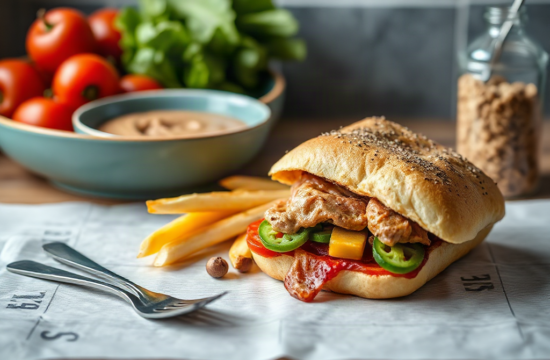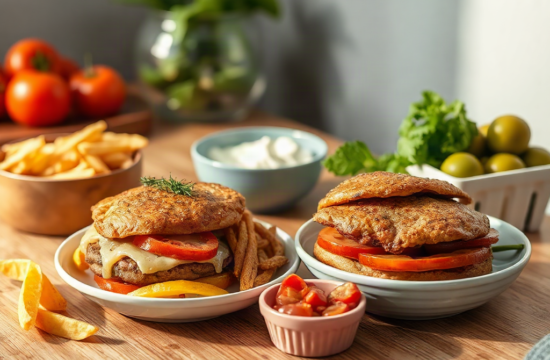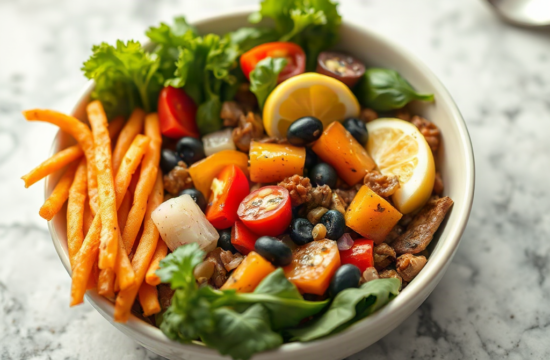
GERD-friendly diet planning for weight management combines a modest calorie deficit with smaller meals, lower-fat cooking methods, personally tolerated foods, and enough time between dinner and lying down. Build meals around lean protein, vegetables, whole grains or other fiber-rich starches, while testing common reflux triggers individually rather than banning them all. Large portions, high-fat meals, alcohol, and late-night eating can worsen symptoms even when daily calories appear appropriate. Track meal size, timing, ingredients, and symptoms for two weeks, then adjust the clearest patterns. Persistent reflux, painful swallowing, vomiting, bleeding, or unexplained weight loss warrants medical evaluation rather than further dietary restriction.
Balancing Reflux Control With a Calorie Deficit
Weight management and reflux control can pull eating habits in different directions. Reducing calories may support gradual weight loss, and weight loss may reduce reflux burden for some people, particularly when excess abdominal weight contributes to pressure around the stomach. Yet an aggressive diet can introduce new problems: long gaps without food may lead to an oversized evening meal, highly restrictive menus can become nutritionally thin, and “diet” products may contain ingredients that trigger symptoms.
A practical calorie deficit should be small enough to preserve normal meals and adequate nutrition. Instead of skipping breakfast and lunch to save calories for dinner, distribute food across the hours when eating is comfortable. A person who becomes very hungry at night might do better with breakfast, lunch, an afternoon snack, and a moderate dinner than with intermittent fasting followed by one large meal. The total intake may be similar, but the second pattern places less volume in the stomach at once and makes late overeating less likely.
Food quality matters, but calorie density and serving size still influence progress. Olive oil, nuts, avocado, and nut butter contain useful unsaturated fats, yet generous amounts can make a meal both calorie-dense and high in fat. Fat slows stomach emptying in some contexts and may aggravate reflux symptoms in susceptible people. These foods do not need automatic exclusion; measured portions may work better than unrestricted use. For example, a teaspoon of olive oil on roasted vegetables may be better tolerated than vegetables sitting in several tablespoons of oil.
Protein and fiber can make a lower-calorie pattern more satisfying. Skinless poultry, fish, eggs if tolerated, tofu, beans, low-fat yogurt, oats, barley, brown rice, potatoes, and cooked vegetables offer different combinations of these nutrients. Beans and coarse high-fiber foods can cause bloating for some people, so increasing fiber gradually and adjusting texture may be more comfortable than making a sudden change.
A common failure is judging the diet only by the scale. Also check hunger, reflux frequency, sleep disruption, bowel comfort, and whether meals contain enough protein and varied plant foods. If calorie cutting repeatedly causes nighttime eating or worse symptoms, the deficit or meal distribution needs adjustment. The objective of GERD-friendly diet planning for weight management is a pattern that can be repeated, not the lowest possible daily intake.
Choosing Foods by Tolerance, Nutrition, and Fullness
GERD food choices work best when they are individualized rather than based on a universal prohibition list. Commonly reported triggers include high-fat or fried foods, chocolate, peppermint, alcohol, coffee, carbonated drinks, spicy dishes, tomatoes, and citrus. A food appearing on that list does not prove it causes symptoms for every person. Removing all of them at once can produce an unnecessarily narrow diet and make it difficult to identify the ingredient that actually matters.
Start with a nutritionally complete base of foods that are often easier to adapt. Breakfast could pair oatmeal with banana and low-fat yogurt, provided dairy is tolerated. Lunch might include a turkey-and-cucumber sandwich on whole-grain bread with melon. Dinner could combine baked fish, rice, and roasted zucchini. These are examples rather than prescribed “safe” meals; portion size, preparation, seasoning, and individual response can change how any dish feels.
Cooking method often explains why one version of a food causes trouble while another does not. A baked potato topped with low-fat yogurt has a different fat load from fries with cheese. Grilled chicken with herbs differs from breaded chicken in a creamy sauce. Tomato may be tolerated in a small lunch portion but not as a large, rich pasta dinner close to bedtime. Looking at the whole meal prevents the weak assumption that a single ingredient always deserves the blame.
Use substitutions that preserve the meal’s function. If citrus fruit causes burning, choose melon, pear, banana, or another tolerated fruit rather than removing fruit entirely. If tomato sauce is troublesome, try a vegetable-based sauce without heavy cream. If coffee triggers symptoms, test a smaller serving, a lower-caffeine option, or a non-mint herbal beverage; decaffeinated coffee can still bother some people. If raw vegetables feel uncomfortable, cooked vegetables may provide a more tolerable route to fiber.
Processed “low-fat” foods are not automatically better. A product may be lower in fat but high in added sugar, low in protein, or easy to overeat. Conversely, a whole food with some fat may fit in a measured amount. Compare the serving’s calories, fat, protein, fiber, acidity, and your own symptom response rather than relying on one front-label claim.
Test suspected triggers one at a time when symptoms are stable enough to do so. Keep the portion and time of day consistent, and avoid changing several other variables during the test. A clear repeatable response is more useful than discomfort after a complicated restaurant meal containing alcohol, spice, fried food, and a large dessert.
Using Meal Size and Timing to Reduce Reflux Pressure
Meal volume and timing may matter as much as the ingredient list. A very full stomach is more likely to create pressure that encourages stomach contents to move upward, particularly when a person bends, exercises intensely, or lies down soon afterward. Smaller meals reduce that immediate volume, although eating tiny portions continuously all day can make calorie tracking difficult and may not improve symptoms.
A workable schedule leaves enough time after the final substantial meal before going to bed. Many people test a dinner-to-bed interval of roughly three hours, then adjust it according to symptoms and clinical advice. Someone who sleeps at 10:30 p.m., for example, might finish dinner around 7 p.m. rather than eating a large meal at 9:30. If genuine hunger appears later, it may signal that earlier meals lacked sufficient protein, fiber, or calories. Rebuilding lunch and the afternoon snack is often more useful than repeatedly adding a bedtime meal.
Eating speed can affect meal volume before fullness registers. Serve a planned portion, sit upright, chew at an unhurried pace, and pause before deciding on seconds. Drinking a very large beverage with a meal can add substantial stomach volume, so some people find it more comfortable to sip modestly with food and drink more between meals. Hydration should not be restricted without a medical reason.
Exercise timing requires similar judgment. Walking after a meal may feel comfortable for some people, while running, heavy lifting, abdominal exercises, or repeated bending soon after eating may provoke reflux. Schedule vigorous training farther from larger meals, and avoid “earning” an enormous post-workout dinner by under-eating all day. A moderate meal containing lean protein and a tolerated carbohydrate is usually easier to manage than a high-fat reward meal.
A compact timing check can reveal correctable pressure points:
- Before eating: Rate hunger and confirm the planned portion.
- During the meal: Notice speed, beverage volume, fat-rich additions, and early fullness.
- After eating: Record bending, strenuous activity, or lying down.
- At night: Note burning, regurgitation, coughing, or disrupted sleep.
The mistaken alternative is relying on rigid clock rules while ignoring context. Shift workers, people taking medicines with food, and those managing diabetes or other conditions may need different schedules. The useful principle is to prevent large, late meals and identify the spacing that supports both symptom control and adequate intake. Discuss major timing changes with a clinician when another medical condition or medication schedule constrains eating.
Support Your Weight Loss Goals Huge Discount on the Best Certified Organic Nutrient Dense Supplement!
Building and Testing a Sustainable Eating Pattern
A structured two-week trial provides better information than repeatedly changing the menu after every symptom. Begin with familiar, balanced foods and moderate portions rather than an extreme elimination diet. Record the meal time, approximate portion, key ingredients, cooking method, hunger level, bedtime, and reflux response. Include stress, alcohol, and unusual activity when relevant because symptoms cannot always be traced to food alone.
Build the plate from three functional parts: a lean protein, a tolerated fiber-rich carbohydrate, and vegetables or fruit. An example lunch is grilled chicken, barley, and cooked carrots; a vegetarian alternative is tofu, rice, and green beans. Add fat deliberately rather than accidentally through multiple sources such as oil, cheese, dressing, and avocado in the same meal. For weight management, repeatable portions are more informative than attempting precise calorie calculations for every homemade dish.
Review patterns after several days, not after one isolated episode. If reflux repeatedly follows a large dinner but not the same foods at lunch, timing and volume deserve attention before broad food exclusions. If symptoms follow coffee across different days and meal contexts, a controlled coffee adjustment is reasonable. If the log reveals no pattern, do not keep shrinking the diet indefinitely. Reflux can persist despite careful food choices and may require medical assessment or treatment.
Signs the approach is working include fewer nighttime symptoms, less regurgitation after meals, manageable hunger, steady energy, and a weight trend moving gradually in the intended direction. Daily scale changes reflect more than body fat, so use a consistent weighing routine and assess the trend over time. Signs of failure include escalating restriction, fear of eating, recurrent overeating, poor sleep, weakness, constipation, or symptoms continuing regardless of food changes.
Restaurant and budget constraints should be planned rather than treated as exceptions. At restaurants, choose grilled or baked items, request sauces separately, and stop when comfortably satisfied; taking part of the meal home may be easier than searching for a perfectly “GERD-safe” entrée. Lower-cost staples such as oats, rice, potatoes, frozen vegetables, canned beans, eggs, and canned fish can support balanced meals. Rinse canned beans if sodium is a concern, and test smaller servings if they increase bloating.
Medication and dietary planning should remain separate decisions. Do not stop prescribed acid-suppressing medicine because a menu seems to be helping, and do not assume medication makes every trigger irrelevant. Seek prompt medical guidance for difficulty or pain with swallowing, persistent vomiting, gastrointestinal bleeding, chest pain, anemia, or unexplained weight loss. A registered dietitian can help when GERD-friendly diet planning for weight management becomes overly restrictive or must accommodate diabetes, kidney disease, pregnancy, food allergies, or a history of disordered eating.
Frequently Asked Questions
Can weight loss reduce GERD symptoms?
Gradual weight loss may reduce reflux for some people when excess abdominal weight contributes to pressure on the stomach. It is not a guaranteed remedy, and persistent or severe symptoms still require clinical evaluation.
Do I need to avoid every common GERD trigger?
No. Trigger responses vary, so use a food-and-symptom record and test suspected foods individually. Broad exclusions can reduce diet variety without identifying the actual problem.
What is a GERD-friendly breakfast for weight management?
Oatmeal with banana and low-fat yogurt is one option if those foods are tolerated. Eggs with whole-grain toast or yogurt with oats may also work; keep portions moderate and limit high-fat additions.
Is intermittent fasting suitable for someone with GERD?
It depends on the eating window and individual response. Fasting that leads to a large, late meal may worsen reflux, while a schedule that permits moderate meals well before bedtime may be better tolerated.
When should reflux symptoms be assessed by a clinician?
Arrange medical evaluation for frequent or persistent symptoms, and seek prompt care for painful or difficult swallowing, bleeding, recurrent vomiting, chest pain, anemia, or unintended weight loss.
Conclusion
A useful GERD-conscious eating pattern protects nutrition while reducing the situations most likely to provoke symptoms. Prioritize moderate portions, lean protein, tolerated fiber-rich foods, measured fats, and a final substantial meal comfortably separated from bedtime. Change one suspected trigger at a time, because an extensive banned-food list can conceal the effects of meal size, cooking method, and timing.
For the next two weeks, record meals, symptoms, activity, and sleep timing, then review repeatable patterns rather than isolated reactions. Adjust the clearest issue first and confirm whether the change improves both comfort and dietary consistency. If symptoms persist, the menu becomes increasingly restrictive, or warning signs appear, involve a clinician or registered dietitian instead of cutting more foods.
Support Your Weight Loss Goals
HUGE DISCOUNT ON THE BEST CERTIFIED ORGANIC NUTRIENT DENSE SUPPLEMENT!
Related Content
- Top Tips To Lose Weight Quickly And Painlessly
- How to Read Nutrition Labels Like a Pro
- Strategies for Controlling Appetite Without Extreme Restriction: Practical Methods for Sustainable Eating Habits
- Fantastic Advice On How To Shed Excess Weight
- How to Stick to a Diet Plan Without Feeling Deprived or Overwhelmed