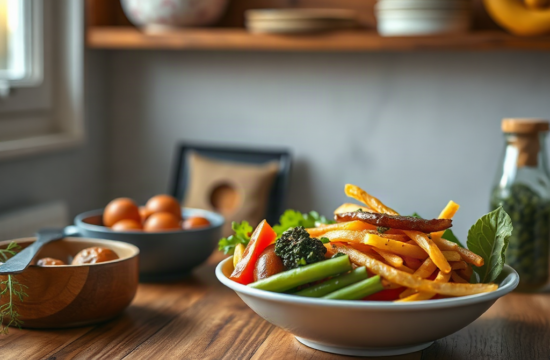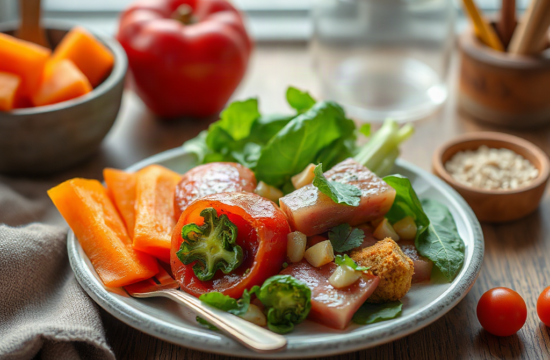
A seven-day anemia diet plan should combine iron-rich foods with vitamin C, adequate protein, folate, and vitamin B12 while accounting for the diagnosed cause of anemia. Include heme iron from meat or seafood when suitable, or use legumes, tofu, seeds, and fortified cereals with produce such as peppers, citrus, or tomatoes. Keep tea, coffee, and large calcium doses away from iron-focused meals because they may reduce nonheme iron absorption. Food can support recovery, but persistent fatigue, breathlessness, chest pain, faintness, or confirmed deficiency requires medical assessment because diet alone may not correct blood loss, malabsorption, or severe anemia.
Confirm What the Eating Plan Needs to Address
An anemia-focused menu is useful only when it matches the nutrient deficit or medical issue involved. Iron-deficiency anemia is common, but anemia can also be associated with inadequate vitamin B12 or folate, chronic inflammation, kidney disease, inherited blood disorders, medication effects, or ongoing blood loss. A week of nutritious meals cannot distinguish among these causes. A clinician may use a complete blood count and additional tests, such as ferritin or vitamin measurements, to determine what needs attention.
The distinction changes food priorities. Low iron stores call for reliable iron sources and thoughtful meal pairings. A vitamin B12 deficiency raises different concerns because B12 occurs naturally mainly in animal-derived foods, although fortified foods can help people who avoid them. Folate is abundant in lentils, beans, leafy greens, asparagus, avocado, and fortified grain products. Someone with anemia related to chronic disease may already consume enough iron, so adding more food or supplements without guidance may not solve the underlying problem.
Real-world constraints matter as well. Heavy menstrual bleeding, gastrointestinal bleeding, pregnancy, recent surgery, restrictive eating, frequent blood donation, or digestive conditions can increase needs or interfere with recovery. For example, a person losing blood each month may improve meal quality yet continue to become deficient because losses exceed dietary replacement. Treating the source of blood loss is then more consequential than finding another high-iron recipe.
Before following Seven-day anemia diet plan essentials, establish three practical facts: whether anemia has been confirmed, which deficiency is suspected or documented, and whether a clinician has recommended a supplement. Do not assume tiredness alone proves anemia; sleep disorders, thyroid conditions, infections, medication effects, and inadequate calorie intake can produce similar symptoms.
A common mistake is treating all iron numbers as interchangeable. Hemoglobin reflects oxygen-carrying capacity, while ferritin is commonly used to assess stored iron, although inflammation can complicate its interpretation. The practical implication is straightforward: use the weekly menu to organize supportive food choices, not to self-diagnose or replace follow-up testing.
Build Iron-Focused Meals That Absorb Well
Effective meal design depends on both the amount and the form of iron. Heme iron, found in meat, poultry, and seafood, is generally absorbed more readily than nonheme iron from beans, lentils, tofu, nuts, seeds, vegetables, and fortified grains. A vegetarian menu can still provide meaningful iron, but it benefits from consistent intake and careful pairing because plant iron absorption varies with the rest of the meal.
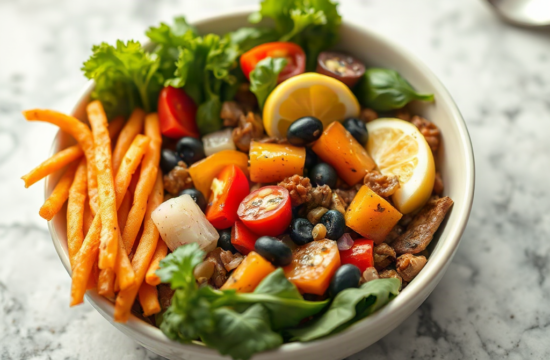
Vitamin C can improve the absorption of nonheme iron. Useful combinations include lentil soup with tomatoes, tofu stir-fry with bell peppers, fortified oatmeal with strawberries, chickpea salad with lemon juice, or black beans with cabbage salsa. The goal is not a special drink or oversized serving of fruit; it is placing a vitamin C source in the same meal as plant-based iron. Whole produce also contributes fiber and other nutrients that a sugary fruit beverage may not provide.
Some meal components work against that pairing. Tea and coffee contain compounds that may inhibit nonheme iron absorption, so people trying to correct low iron intake can drink them between meals rather than alongside the most iron-focused plate. Calcium may also compete with iron absorption under some conditions. Dairy foods remain nutritious, but a large calcium supplement or calcium-heavy meal need not accompany every iron-rich serving. Medication timing and prescribed supplements should be discussed with a pharmacist or clinician rather than rearranged casually.
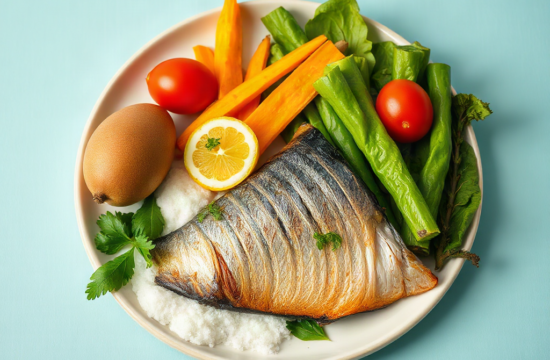
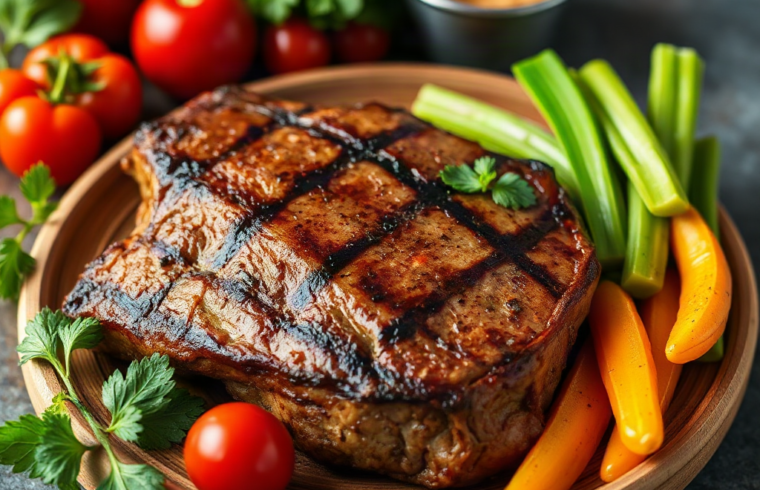
A practical plate contains an iron anchor, a vitamin C partner, a source of energy, and enough protein to make the meal satisfying. One example is lean beef with roasted potatoes and broccoli. A plant-based alternative is a lentil-and-quinoa bowl with pumpkin seeds, peppers, and a citrus dressing. The beef meal supplies heme iron; the lentil bowl relies on several nonheme sources supported by vitamin C. Neither option is universally better—dietary preference, budget, allergies, digestive tolerance, and the diagnosed deficiency determine the better fit.
- Iron anchors: lean beef, dark poultry meat, sardines, lentils, beans, tofu, pumpkin seeds, or iron-fortified cereal.
- Vitamin C partners: bell peppers, citrus, kiwi, berries, tomatoes, broccoli, or cabbage.
- Other blood-forming nutrients: eggs, dairy or fortified alternatives for B12; legumes and greens for folate; varied protein foods for amino acids.
The frequent failure point is relying on one “superfood,” such as spinach, while the rest of the day provides little iron or protein. Spinach contains iron, but its absorption is limited by naturally occurring compounds. Variety and repeated exposure across the week are more dependable than an unusually large serving of a single food.
A Practical Seven-Day Menu Framework
A useful seven-day structure rotates iron sources instead of repeating liver, steak, or spinach daily. Rotation broadens nutrient intake, controls cost, and accommodates different eating patterns. Portions should reflect appetite, energy needs, medical conditions, and any individualized advice; the combinations below are meal templates rather than a calorie prescription.
- Day one: Choose iron-fortified oatmeal with strawberries and pumpkin seeds for breakfast. Serve lentil-tomato soup with whole-grain bread at lunch, then chicken, roasted broccoli, and potatoes at dinner.
- Day two: Pair eggs with sautéed peppers and toast. Use a chickpea salad with tomatoes and lemon for lunch. Finish with lean beef or tofu strips, cabbage slaw, and brown rice.
- Day three: Combine fortified cereal with a B12-fortified plant beverage and kiwi. Make a black bean and pepper bowl for lunch, followed by salmon, asparagus, and quinoa at dinner.
- Day four: Try whole-grain toast with seed butter and berries. Eat leftover bean bowl with fresh salsa at lunch. Prepare turkey chili or three-bean chili with tomatoes for dinner.
- Day five: Serve an egg-and-spinach breakfast with an orange. Use chili leftovers at midday, then combine sardines or baked tofu with potatoes and a broccoli salad.
- Day six: Make fortified oatmeal with raisins and citrus fruit. Choose hummus, a whole-grain pita, and pepper-cucumber salad for lunch. Serve lean meatballs or lentil patties with tomato sauce and pasta at dinner.
- Day seven: Use eggs or fortified cereal at breakfast. Prepare a quinoa, edamame, and cabbage bowl with lime dressing for lunch. End with a bean stew or lean beef stew containing potatoes, carrots, and tomatoes.
Snacks can fill gaps without disrupting the meal structure. Options include roasted chickpeas with a clementine, pumpkin seeds with berries, hummus with pepper strips, or an egg with fruit. If dairy is a major part of the diet, yogurt or milk may fit better between iron-focused meals. People with diabetes, kidney disease, celiac disease, food allergies, swallowing difficulty, or pregnancy-related nutrition needs should adapt these examples with an appropriate clinician or dietitian.
Budget planning makes the framework easier to sustain. Dried lentils and beans are inexpensive, while canned versions reduce preparation time; rinsing canned beans can lower some of the sodium. Frozen peppers, broccoli, and berries are practical substitutes for fresh produce. Tinned sardines offer heme iron and protein but may be unsuitable for people limiting sodium or avoiding fish. Iron-fortified cereal can be economical, although the label should be checked because iron and added-sugar levels vary widely.
Batch-cooking one pot of lentils or chili prevents the common midweek failure of replacing planned meals with low-iron convenience foods. Prepare a grain, wash or thaw vitamin C-rich produce, and portion two protein choices before the week begins. The menu should also provide enough total food. A highly restrictive weight-loss approach may reduce iron, protein, and folate intake, undermining the purpose of the plan.
Monitor Results, Supplements, and Warning Signs
Progress should be judged through symptoms and appropriate laboratory follow-up, not by whether seven days of meals felt healthy. Energy may not rebound immediately, and blood values or depleted iron stores can take longer to improve than a one-week menu cycle. A better short-term sign is consistency: several iron-containing meals across the week, sensible vitamin C pairings, adequate total intake, and fewer tea or coffee conflicts around key meals.
Signs that the approach is failing include worsening exhaustion, difficulty completing normal activities, persistent dizziness, or an inability to tolerate the recommended foods or supplement. Constipation, nausea, abdominal discomfort, and dark stools can occur with some oral iron products. Dark stools may be expected with iron, but black, tarry stools can also signal gastrointestinal bleeding and should not automatically be dismissed. Contact the prescribing clinician when side effects interfere with adherence rather than changing the dose or formulation without advice.
Support Your Weight Loss Goals Huge Discount on the Best Certified Organic Nutrient Dense Supplement!
Food and supplementation serve different roles. Meals can improve routine nutrient intake and may help prevent repeated dietary gaps, but prescribed iron delivers a more concentrated amount when deficiency is confirmed. Taking extra iron “just in case” is not a safe shortcut; excessive iron can be harmful, interact with medicines, and obscure the need to identify blood loss or another cause. Keep supplements away from children, for whom accidental ingestion can be especially dangerous.
The same caution applies to vitamin B12 and folate. High-folate eating or supplementation does not correct every form of anemia, and folic acid may mask some blood findings associated with B12 deficiency while neurological injury continues. People following vegan diets, those with prior stomach or intestinal surgery, and adults with absorption problems may need professional assessment of B12 status rather than relying solely on menu changes.
Use a compact review at the end of the week: count how many meals contained a credible iron source, note which included vitamin C, record supplement side effects, and identify any symptoms that are unchanged or worse. Then repeat or revise the Seven-day anemia diet plan essentials according to medical findings, food preferences, and what was realistically sustainable.
Seek urgent care for chest pain, fainting, severe shortness of breath, a rapid or irregular heartbeat with weakness, vomiting blood, or black tarry stools. Those signs need prompt assessment rather than another dietary adjustment. Pregnancy, childhood anemia, severe laboratory abnormalities, and suspected internal bleeding also warrant individualized medical management.
Frequently Asked Questions
Can a seven-day diet plan cure anemia?
No. A week of iron- and nutrient-rich meals may improve dietary intake, but anemia caused by substantial deficiency, bleeding, malabsorption, chronic disease, or an inherited condition usually requires diagnosis and targeted care.
What should I drink with an iron-rich meal?
Water is a simple choice, while a vitamin C-containing food such as citrus, kiwi, peppers, or tomatoes can support nonheme iron absorption. Consider having tea and coffee between meals instead.
Can vegetarians get enough iron from this menu?
They may be able to by regularly eating lentils, beans, tofu, seeds, fortified grains, and vitamin C-rich produce. Confirmed iron-deficiency anemia may still require clinician-directed supplementation and follow-up testing.
Should spinach be eaten every day for anemia?
Spinach contributes iron and folate, but its iron is not absorbed as efficiently as many people assume. Rotate it with legumes, tofu, fortified cereals, seeds, meat, poultry, or seafood as appropriate.
When should blood tests be repeated?
The timing depends on anemia severity, its cause, the treatment used, and the clinician's follow-up plan. Do not use symptom improvement alone to decide that iron stores or blood counts have normalized.
Conclusion
A productive week emphasizes repeated exposure to suitable iron sources, vitamin C alongside plant iron, enough protein and energy, and attention to folate and vitamin B12. Rotate legumes, fortified grains, tofu, meat, poultry, seafood, seeds, and vegetables according to dietary needs rather than depending on spinach or another single food. Move tea, coffee, and large calcium doses away from the most iron-focused meals when practical.
The next step is to compare the menu with the diagnosed cause of anemia and any prescribed treatment. Track tolerance, symptoms, and barriers such as cost or preparation time, then discuss persistent problems with a clinician. Worsening breathlessness, fainting, chest pain, or signs of bleeding require prompt assessment. A seven-day structure is most valuable as a repeatable eating routine that complements—not replaces—medical evaluation and follow-up.