What Low-Fat Eating Changes in a Meal
Dietary fat supplies more calories per gram than carbohydrate or protein, so reducing it can lower a meal’s energy density without requiring a visibly tiny plate. Replacing a large amount of oil, cream, cheese, fatty meat, or fried coating with vegetables, beans, fruit, whole grains, or lean protein often creates more food volume for a similar or lower calorie total. That difference can be useful for someone who prefers substantial portions.
Lower-fat does not automatically mean more nutritious or more filling. Fat contributes flavor, carries fat-soluble vitamins, and slows the movement of food through the stomach. A plain plate of white rice and steamed vegetables may be low in fat, yet it can feel less satisfying than a bowl containing brown rice, vegetables, beans, and a small spoonful of tahini. The second meal combines fiber, protein, texture, and some fat rather than relying on low fat content alone.
The source of fat matters alongside the amount. Saturated fat is concentrated in foods such as butter, fatty cuts of meat, full-fat dairy products, coconut oil, and many baked or fried products. Unsaturated fats occur in foods including olive oil, nuts, seeds, avocado, and many fish. A lower-fat pattern that trims frequent sources of saturated fat while retaining measured portions of unsaturated fats is generally more balanced than one that removes every visible source of fat.
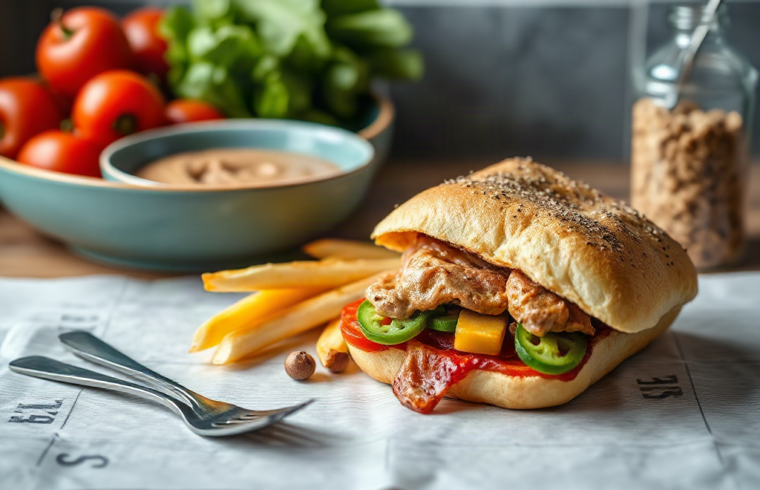
Cooking method can make a larger difference than the food’s name suggests. A baked potato is naturally very low in fat, but butter, cheese, sour cream, and bacon can transform its nutrition profile. Skinless chicken breast is lean when grilled or roasted, but breading and deep-frying add substantial fat. Compare the whole prepared dish rather than classifying foods from their base ingredient.
A common misconception is that eating less fat inevitably produces body-fat loss. Body weight is influenced by total energy intake over time, while appetite, food access, activity, sleep, medications, and health conditions can affect that intake. Low-fat eating may make an energy deficit easier for some people, but it does not override large servings, constant grazing, or calorie-rich drinks. The useful question is whether the resulting meals remain nutritious, satisfying, and workable.
Foods That Reduce Fat Without Reducing Nutrition
The strongest low-fat choices are minimally processed foods that naturally provide water, fiber, protein, or micronutrients. Vegetables, whole fruit, beans, lentils, intact whole grains, skinless poultry, many types of seafood, and low-fat or fat-free dairy products can anchor meals without depending on specialty diet products. These foods do different jobs, so a plate should normally include more than one category.
Protein deserves particular attention because simply removing meat, cheese, or full-fat dairy can leave a meal nutritionally incomplete. Useful lower-fat options include lentils, black beans, chickpeas, egg whites combined with a whole egg, tuna packed in water, white fish, shrimp, turkey breast, skinless chicken, tofu, nonfat Greek yogurt, and low-fat cottage cheese. Salmon contains more fat than white fish, but it also provides beneficial unsaturated fats; it need not be rejected solely because another protein is leaner.
Whole-food carbohydrate sources can supply both volume and fiber. Oats with berries and low-fat milk are more likely to sustain fullness than a low-fat pastry made primarily from refined flour and sugar. A lunch of lentil soup, whole-grain bread, and fruit has a different effect from crackers and fruit-flavored candy carrying the same low-fat label. The label describes fat content, not overall food quality.
Use substitutions that preserve the purpose of an ingredient. Greek yogurt can replace some mayonnaise in a chicken salad while contributing protein and acidity. Pureed beans can add body to a soup without cream. Roasting vegetables on parchment with a measured amount of oil reduces incidental oil compared with pouring directly from the bottle. These changes retain texture and flavor better than removing rich ingredients without replacing what they contributed.
Packaged reduced-fat products require a label check. When manufacturers remove fat, they may add sugar, refined starch, sodium, or thickeners to restore flavor and texture. That does not make every reduced-fat product a poor choice. Low-fat plain yogurt, milk, or cottage cheese can be straightforward options. Sweetened low-fat yogurt, snack cookies, and frozen desserts are different: serving size, added sugars, protein, fiber, and total calories provide the necessary context.
For more meal-specific context, compare these choices with the broader principles in Low-fat dieting: foods, fullness, and tradeoffs. A useful grocery rule is to select foods that would still offer clear nutritional value if the front-of-package fat claim disappeared.
How to Preserve Fullness on a Lower-Fat Diet
Fullness on a lower-fat pattern comes from the combined effects of protein, fiber, water, food volume, texture, and meal satisfaction. Removing fat reduces energy density, but a meal built mostly from refined starch may digest quickly and prompt hunger soon afterward. The correction is not necessarily to add back a large amount of fat; it is to identify which satiety component is missing.
Start with protein. Breakfast might combine nonfat Greek yogurt, oats, berries, and a small amount of walnuts rather than fruit alone. Lunch could pair a large salad with chickpeas, chicken, or tuna instead of relying on lettuce and fat-free dressing. At dinner, lentils, fish, tofu, or lean poultry can accompany vegetables and a whole grain. Protein portions do not need to be extreme, but a recognizable source at each main meal is more dependable than trying to catch up late in the day.
Fiber and water increase the physical volume of food. Broth-based bean soup, oranges, berries, potatoes with their skin, barley, oats, and non-starchy vegetables can occupy more stomach space than dry snacks. Whole fruit is usually more filling than juice because its fiber remains intact and it takes longer to consume. Similarly, a bowl of oatmeal often provides more staying power than a small serving of a sugary cereal, even if both are advertised as low in fat.
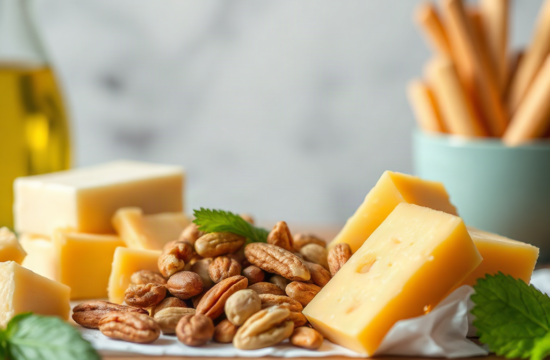
Some fat may improve satisfaction enough to make the meal easier to sustain. A teaspoon of olive oil on roasted vegetables, a spoonful of seeds in oatmeal, or a thin layer of avocado on a bean sandwich can add flavor and texture without dominating the calorie total. Measured additions are especially useful when a meal repeatedly leaves a person searching for snacks despite containing adequate protein and fiber.
Meal timing and eating speed also shape the experience. Skipping lunch and expecting an ultra-low-fat dinner to control intense hunger often leads to seconds or dessert. Regular meals, deliberate pacing, and minimally distracting eating provide more opportunity to notice fullness. Signs the approach is working include comfortable satisfaction between meals, stable energy, enjoyable food, and no persistent preoccupation with eating.
Persistent hunger, irritability, repeated evening overeating, or constant thoughts about restricted foods suggest that the plan may be too aggressive, too low in protein, or too monotonous. Use the principles in Low-fat dieting: foods, fullness, and tradeoffs to adjust meal composition rather than responding by imposing stricter rules.
Support Your Weight Loss Goals Huge Discount on the Best Certified Organic Nutrient Dense Supplement!
Tradeoffs, Mistakes, and a Practical Portion Check
The main tradeoff in low-fat dieting is that lowering calorie density can also lower pleasure, convenience, or nutrient variety if every rich food is treated as unacceptable. Fat is needed in the diet, and foods containing it may supply essential fatty acids and fat-soluble vitamins. Extremely restrictive versions can be difficult to maintain and may be inappropriate for children, pregnant people, athletes with high energy needs, or anyone with a medical condition affecting digestion or nutrient absorption without individualized professional advice.
Another tradeoff is portion compensation. A person may eat much more of a product because it says “fat-free,” overlooking its calories or added sugar. Granola, frozen yogurt, pretzels, and low-fat baked goods can still contribute substantial energy when servings expand. At the opposite extreme, measuring every gram of naturally occurring fat can turn a useful preference into a rigid system that crowds out social meals and normal appetite cues.
Use a compact check before changing a meal:
- Identify the major fat source. Look first at frying oil, creamy sauces, fatty meat, cheese, butter, dressings, nuts, and oversized avocado portions.
- Decide whether it is excess or nutritionally useful. Trimming deep-frying oil differs from eliminating fish, seeds, or every trace of olive oil.
- Protect protein and fiber. Replace removed foods with beans, lean protein, whole grains, vegetables, or fruit rather than refined low-fat snacks.
- Measure concentrated additions. Pour oil into a spoon, portion nuts, and use cheese as an accent when calories matter.
- Review the result after eating. Notice hunger two or three hours later, energy, cravings, digestive comfort, and whether the meal was enjoyable.
Consider pasta as a real-world example. Replacing a cream-based sauce and large amount of cheese with tomato sauce lowers fat, but plain pasta and sauce may lack protein. Adding white beans, shrimp, chicken, or lentils and serving a vegetable alongside it creates a more complete meal. A small amount of Parmesan or olive oil can remain if it improves satisfaction. The goal is not the lowest possible fat number; it is a better nutritional exchange.
People managing cardiovascular risk may particularly benefit from discussing saturated fat sources and overall dietary pattern with a registered dietitian or clinician. Anyone experiencing unexplained weight change, persistent digestive symptoms, menstrual changes, weakness, or signs of nutrient deficiency should seek individualized assessment rather than assuming further restriction is the answer. The practical framework in Low-fat dieting: foods, fullness, and tradeoffs is educational, not a treatment plan.
Frequently Asked Questions
How much fat counts as a low-fat diet?
Definitions vary by dietary pattern and medical context. Rather than choosing an arbitrary target, focus on reducing excess saturated fat and concentrated additions while preserving necessary unsaturated fats; a dietitian can set an individualized range.
Are fat-free foods automatically better for weight management?
No. Fat-free products may contain added sugar or refined starch, and larger servings can erase any calorie difference. Compare serving size, calories, protein, fiber, added sugars, and ingredients.
Why am I hungry after a low-fat meal?
The meal may lack protein, fiber, volume, or enough total energy. Add beans, lean protein, whole grains, vegetables, or fruit, then consider a modest portion of unsaturated fat if satisfaction remains poor.
Can nuts and avocado fit into low-fat eating?
They can fit in measured portions, although they are not low-fat foods. Their unsaturated fats and nutrients may justify including them while reducing less useful sources such as deep-fried foods or heavy sauces.
Is low-fat eating suitable for everyone?
No single fat level suits every person. Growth, pregnancy, athletic demands, digestive disorders, medications, and other medical needs can change requirements, so highly restrictive plans warrant professional guidance.
Conclusion
A workable lower-fat diet changes the composition of meals rather than chasing the smallest number on a label. Begin by reducing frequent sources of saturated fat and unmeasured cooking oil, then replace the lost volume and nutrition with vegetables, fruit, beans, whole grains, and lean protein. Keep modest amounts of unsaturated fat when they improve flavor, supply useful nutrients, or prevent the meal from feeling punitive.
Test the pattern against real outcomes: comfortable fullness, steady energy, digestive tolerance, food enjoyment, and the ability to eat this way without repeated rebound snacking. If meals fail those checks, adjust protein, fiber, portions, or fat quality before restricting further. Medical conditions, major dietary limitations, or persistent symptoms call for individualized guidance from a qualified clinician or registered dietitian.