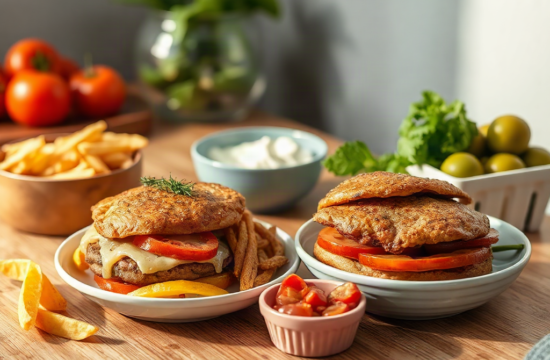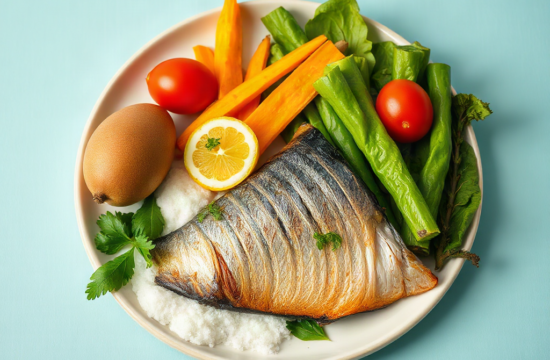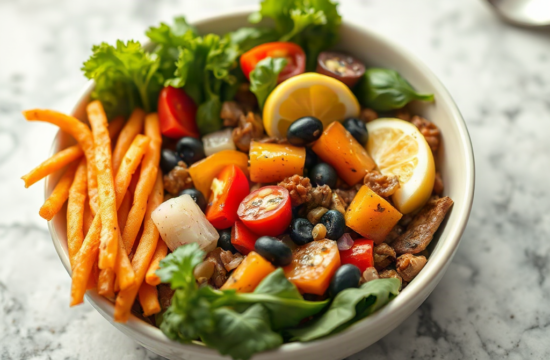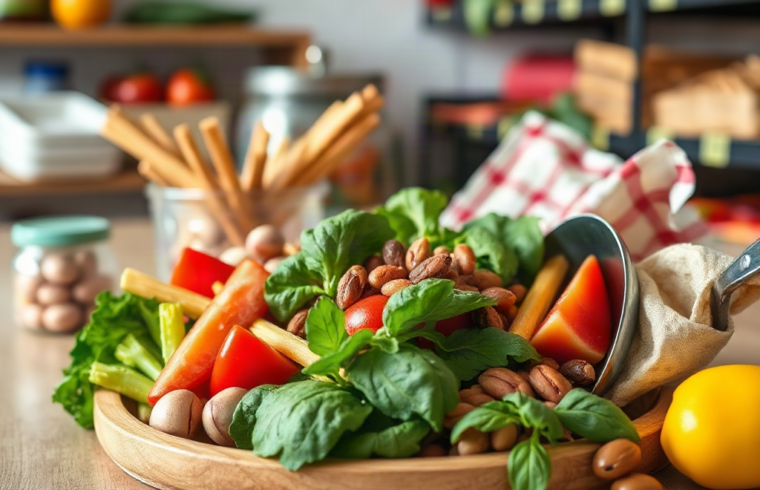
A seven-day diet plan for high blood pressure should center on vegetables, fruit, beans, unsalted nuts, whole grains, and modest portions of lean protein while sharply reducing sodium from packaged meals, cured meats, salty sauces, and restaurant food. Build meals around potassium-rich produce and fiber-rich staples, then use herbs, citrus, vinegar, garlic, and salt-free seasoning for flavor. The practical goal is a repeatable eating pattern rather than a short cleanse. People using blood-pressure medicine, diuretics, or potassium-affecting treatment should check with a clinician before deliberately increasing potassium-rich foods or using salt substitutes.
What Makes a Week of Eating Blood-Pressure Friendly
Blood-pressure-friendly meals work by lowering the dietary sodium load while making room for foods that naturally provide fiber, potassium, magnesium, and unsaturated fats. Sodium can encourage fluid retention in people who are salt-sensitive, which may raise blood pressure. No single food cancels out a high-sodium pattern, so the largest gains usually come from changing recurring choices: breakfast sandwiches, deli meat, canned soup, frozen entrées, pizza, salty snacks, bottled dressings, and takeout sauces.
A useful weekly pattern resembles DASH-style eating without requiring specialty products. Fill roughly half the plate with vegetables and fruit, reserve a quarter for a protein such as fish, chicken, eggs, lentils, tofu, or plain yogurt, and use the remaining quarter for oats, brown rice, quinoa, potatoes, or other minimally processed starches. This arrangement is more dependable than relying on “healthy” packaged items, which may still be high in sodium.
Potassium deserves a careful, food-first role. Bananas, potatoes, beans, spinach, yogurt, oranges, tomatoes, and winter squash fit well in many plans, but potassium is not automatically appropriate for everyone. Kidney disease and several common medicines can change safe intake. Salt substitutes containing potassium chloride require the same caution. A clinician or pharmacist can clarify individual limits.
Flavor is where many plans fail. Removing the salt shaker while continuing to buy seasoned rice mixes, rotisserie chicken, or bottled marinades rarely changes much. Start with plain or no-salt-added staples, then layer flavor with lemon, lime, vinegar, fresh herbs, cumin, paprika, pepper, ginger, onion, garlic, and salt-free blends. The Seven-day diet plan for high blood pressure becomes easier to sustain when meals taste deliberately seasoned rather than merely restricted.
Seven Days of Low-Sodium Meal Ideas
Use these menus as flexible combinations, not prescribed portions or medical treatment. Appetite, calorie needs, food access, diabetes management, kidney function, and cultural preferences all affect what a suitable day looks like. Choose plain dairy or fortified alternatives, rinse canned beans when using them, and compare labels for breads, broths, and sauces because those items can quietly determine the day’s sodium total.
Days 1 Through 3: Establish the Core Pattern
Day 1: Have oatmeal with berries, walnuts, and milk or fortified soy beverage for breakfast; a chickpea, cucumber, tomato, and brown-rice bowl with lemon and olive oil for lunch; and baked salmon, roasted broccoli, and a small baked potato for dinner. Choose an apple with unsalted peanut butter if a snack is needed.
Day 2: Try plain yogurt with sliced fruit and oats; a leftover salmon salad wrapped in lettuce or served over greens; then a chicken and vegetable stir-fry over brown rice. Use ginger, garlic, lime, and a small measured amount of lower-sodium sauce rather than pouring from the bottle. A common mistake is assuming homemade stir-fry is low in sodium when regular soy sauce is the main seasoning.
Day 3: Make eggs with sautéed spinach and whole-grain toast; eat lentil soup made with no-salt-added tomatoes and low-sodium broth alongside a salad; and serve black bean tacos in corn tortillas with cabbage, avocado, salsa chosen for lower sodium, and plain yogurt. Deli turkey may seem like an easier taco filling, but cured or packaged meat often carries substantially more sodium than beans or home-cooked poultry.
Days 4 Through 7: Keep Variety Without Returning to Convenience Foods
Day 4: Blend a smoothie with plain yogurt, berries, spinach, and oats; pack a quinoa salad with white beans, peppers, parsley, and vinegar; then make turkey or tofu lettuce cups with mushrooms, carrots, and brown rice. Unsalted popcorn or fruit can cover the afternoon snack that might otherwise become chips.
Day 5: Choose overnight oats with pear and cinnamon; a baked potato topped with broccoli, plain Greek yogurt, and black pepper; and cod or another white fish with green beans and barley. Skip pre-seasoned fish fillets when possible; their coating or marinade can add more sodium than the fish itself.
Day 6: Eat scrambled eggs with tomatoes and fruit; make a hummus-and-vegetable plate using a modest portion of hummus, raw vegetables, and whole-grain pita; and prepare a vegetable chili with kidney beans, corn, tomatoes, and spices. Rinsing canned beans is practical, but selecting no-salt-added beans and tomatoes offers more control from the start.
Day 7: Finish with oats or whole-grain toast topped with nut butter and fruit; a chicken, apple, and cabbage salad dressed with olive oil and cider vinegar; and a sheet-pan dinner of chicken or tofu, cauliflower, carrots, and sweet potato. Keep leftovers for the next week. Repeating a few successful meals is often more realistic than seeking seven entirely new recipes.
Shopping, Prep, and Portion Decisions
The grocery cart determines whether the plan survives a busy Wednesday. Shop primarily from produce, plain proteins, dry grains, unsalted nuts, and low-sodium canned goods. Then treat packaged foods as ingredients to evaluate rather than automatic shortcuts. “Reduced sodium” may still be salty, and restaurant meals can make careful home choices less effective if they occur often.
Start by reading the Nutrition Facts label before comparing front-label claims. Check serving size, sodium per serving, and how many servings the package contains. A frozen bowl that appears to be one lunch may list two servings; eating the whole package doubles the listed sodium. Bread, cheese, cereal, sauces, broth, canned vegetables, and salad dressing are worth comparing because they are commonly eaten in repeated portions.
A compact prep session can reduce dependence on convenience food:
Support Your Weight Loss Goals Huge Discount on the Best Certified Organic Nutrient Dense Supplement!
- Cook one grain, such as brown rice or quinoa, and one bean or lentil dish.
- Wash and cut vegetables for snacks, salads, and sheet-pan meals.
- Roast a tray of vegetables and cook plain chicken, fish, tofu, or eggs for quick protein.
- Mix a simple dressing with olive oil, vinegar or citrus, garlic, pepper, and herbs.
Portion choices matter, but they should not distract from sodium sources. A large serving of steamed vegetables is rarely the concern; a modest serving of canned soup, restaurant ramen, or processed meat may be. If weight management is also a goal, use the plate structure rather than eliminating all carbohydrates. Oats, beans, fruit, and intact whole grains bring fiber and make meals more filling than refined crackers or sweetened cereals. For more meal-combination ideas, use the Seven-day diet plan for high blood pressure as a template and rotate affordable seasonal produce.
Common Roadblocks and When to Adjust the Plan
The most frequent obstacle is hidden sodium, not a lack of willpower. People may cook vegetables at home yet rely on sandwich bread, cheese, sauces, soup, and takeout for the rest of the day. Another weak assumption is that sea salt, kosher salt, or pink salt is meaningfully different for blood pressure; these are still sodium-containing salts. The total amount and frequency matter more than the color or marketing of the salt.
Restaurant meals require a different strategy. Choose grilled, baked, steamed, or roasted dishes when available; ask for sauce and dressing on the side; and consider splitting a large entrée or saving half before eating. A salad is not automatically the lower-sodium option if it contains cheese, olives, cured meat, croutons, and bottled dressing. A plain protein with vegetables and a simple starch can be easier to modify.
Taste adaptation takes time. Food may seem bland for the first several days if the usual diet is salty, but stronger use of acid, herbs, aromatics, and texture can make the transition less abrupt. Pair crunchy raw vegetables with creamy unsalted yogurt dip, or add toasted unsalted seeds to salads. Simply eating less overall is not a reliable sodium solution when the food itself is highly processed.
Track practical signals rather than expecting a dramatic overnight change. Notice how often meals come from packages or restaurants, whether labels fit your chosen sodium target, and whether you can repeat the meals without feeling deprived. Home blood-pressure readings can be useful when taken with an appropriate device and technique, but diet changes do not replace prescribed medication or clinical follow-up. Seek individualized advice promptly for very high readings, symptoms such as chest pain, shortness of breath, weakness, severe headache, or vision changes. The Seven-day diet plan for high blood pressure should be adjusted with professional guidance for pregnancy, heart failure, kidney disease, diabetes, or complex medication regimens.
Frequently Asked Questions
How much sodium should a person with high blood pressure eat?
Individual targets vary. A clinician can set a personal goal, especially when kidney disease, heart failure, or medications are involved. Labels and restaurant choices matter because sodium accumulates across the entire day.
Can I use a salt substitute?
Some salt substitutes contain potassium chloride. They may be unsuitable with kidney disease or medicines that affect potassium levels, so ask a clinician or pharmacist before using them regularly.
Are canned beans acceptable on this plan?
Yes, particularly no-salt-added versions. If regular canned beans are the practical option, drain and rinse them, then avoid adding salty sauces or seasoning packets.
Does this plan replace blood-pressure medication?
No. Food changes may support blood-pressure management, but medication should only be changed with the prescriber who manages your care.
What is the easiest meal to prepare ahead?
A grain-and-bean bowl is adaptable and affordable: cook brown rice or quinoa, add rinsed beans, chopped vegetables, fruit if desired, and a lemon-olive-oil dressing.
Conclusion
Make the first week manageable by changing the foods that contribute sodium most often, not by trying to eat perfectly. Stock plain staples, prepare one or two proteins and grains ahead, and use produce, herbs, citrus, and vinegar to build flavor. Keep an eye on labels for bread, broth, sauces, cheese, canned foods, and frozen meals, since these choices can outweigh the benefit of a single healthy dinner. Repeat meals that fit your budget and schedule, then add variety gradually. If medications, kidney concerns, or unusually high blood-pressure readings are part of the picture, use the menu as a discussion tool with a qualified clinician rather than a substitute for care.
Support Your Weight Loss Goals
HUGE DISCOUNT ON THE BEST CERTIFIED ORGANIC NUTRIENT DENSE SUPPLEMENT!
Related Content
- How Anyone Can Start Losing Weight Today
- Discover the Power of Whole Foods for Weight Loss
- How Metabolism Adapts During Long Term Calorie Restriction: Mechanisms and Common Misconceptions
- Dieting Tips from People Who Have Actually Lost Weight (and Kept It Off
- How to Adjust Calories When Weight Loss Stalls: Practical Steps and Common Mistakes