How to Build a Smoothie That Functions as a Meal
A meal-replacement smoothie needs enough protein and fiber to control hunger, but its ingredients still require measured portions. Blending does not make calories disappear. A drink containing fruit juice, sweetened yogurt, honey, avocado, nut butter, and granola may be nutritious in several respects, yet it can carry more energy than the meal it was intended to replace.
Begin with a protein anchor. Plain Greek yogurt, cottage cheese, dairy or soy milk, silken tofu, kefir, or an appropriately used protein powder can make a smoothie more substantial than fruit and water alone. Protein slows the return of hunger and helps preserve lean tissue during an energy deficit. Plant-based drinkers should check labels because almond, oat, and coconut beverages often contain much less protein than dairy or fortified soy milk.
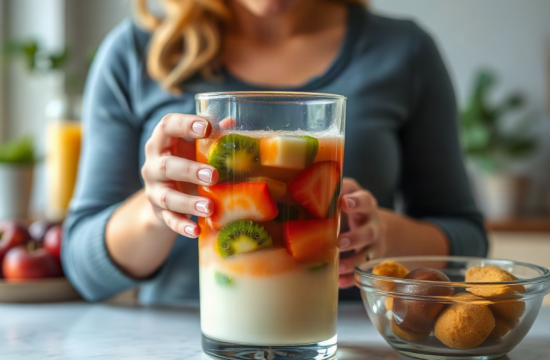
Add one or two sources of fiber rather than relying on juice. Whole berries, pears, apples, kiwi, leafy greens, oats, chia seeds, and ground flax retain fiber that juice lacks. Fiber adds volume and may slow digestion, although blending can make food easier to consume quickly. Sip the smoothie over several minutes and notice whether it keeps you comfortable until the next planned eating occasion.
A practical starting formula is one serving of protein, one to two servings of produce, a measured fiber or fat addition, and enough unsweetened liquid to blend. For example, combine plain Greek yogurt, frozen berries, spinach, one tablespoon of ground flax, and water or milk. A vegan alternative could use silken tofu, unsweetened soy milk, berries, and chia seeds. Cinnamon, ginger, cocoa powder, mint, or vanilla can add flavor without requiring syrup.
Fat can improve texture and satisfaction, but it is the easiest component to overpour. Use a spoon for nut butter and seeds rather than estimating directly from the jar. Avocado, coconut milk, nuts, and seeds are not foods to avoid; they simply need to fit the rest of the day. The common mistake is combining several concentrated additions in one blender and assuming the result is automatically suitable for weight loss.
The Seven-day smoothie plan for weight loss below is designed around one smoothie meal per day, not a liquid-only diet. Keeping other meals solid preserves chewing, variety, and opportunities to eat vegetables, legumes, whole grains, and other foods that may be less satisfying when blended.
The Seven-Day Smoothie Schedule
Use each daily recipe as breakfast or lunch, depending on when a quick meal is most useful. Quantities can be adjusted for body size, activity, appetite, and the nutritional information on specific products. Choose unsweetened ingredients where possible, and add liquid gradually so the smoothie remains thick enough to drink slowly rather than functioning like juice.
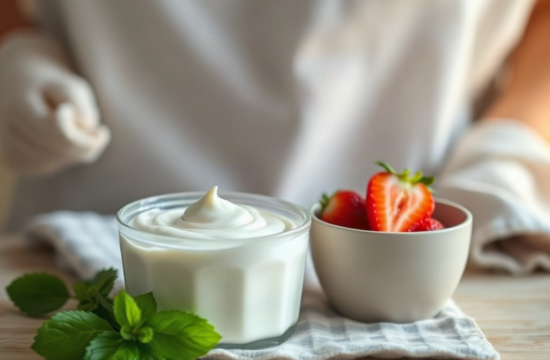
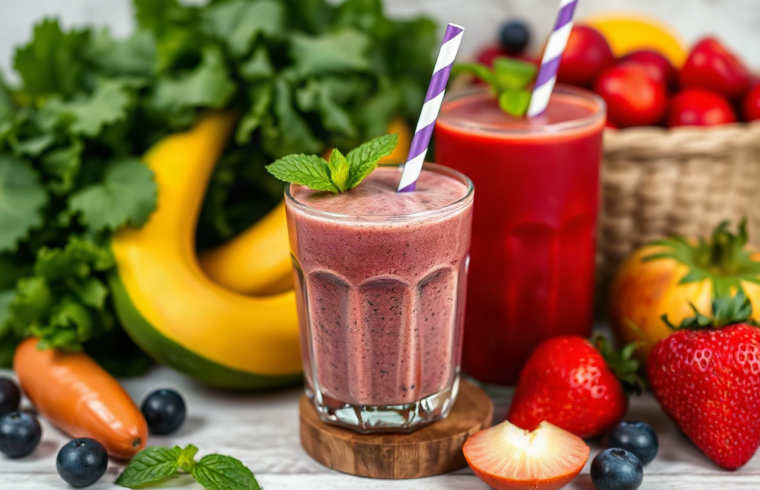
- Day 1: Berry-yogurt smoothie. Blend plain Greek yogurt, frozen mixed berries, spinach, ground flax, and milk or water. The yogurt supplies protein, while berries and flax contribute fiber. If breakfast is followed by a physically demanding morning, a small portion of oats can make it more durable.
- Day 2: Apple-oat smoothie. Combine an apple with the skin, plain kefir or yogurt, rolled oats, cinnamon, ice, and water. This works well for someone who prefers familiar breakfast flavors. Avoid adding apple juice; the whole apple already provides sweetness and more fiber.
- Day 3: Green tofu smoothie. Blend silken tofu, unsweetened soy milk, kiwi, spinach, cucumber, and fresh ginger. Tofu and soy milk create a higher-protein base than coconut water. Kiwi adds tartness, so taste before adding any sweetener.
- Day 4: Cocoa-cherry smoothie. Use plain Greek yogurt or silken tofu, frozen cherries, unsweetened cocoa, chia seeds, and milk. Cocoa powder gives chocolate flavor without turning the drink into a dessert. Measure the chia because several large spoonfuls can increase both calories and digestive discomfort.
- Day 5: Pear-ginger smoothie. Blend a ripe pear with its skin, cottage cheese or plain yogurt, spinach, ginger, and water. Cottage cheese produces a creamy texture and supplies protein, but people watching sodium can compare labels or choose yogurt instead.
- Day 6: Peanut-banana smoothie. Combine half to one small banana, dairy or soy milk, plain yogurt or tofu, and one measured tablespoon of peanut butter. This is denser than the green smoothie, making it useful before an active morning. Adding several spoonfuls of peanut butter would change it from a controlled meal into a much heavier drink.
- Day 7: Blueberry-oat smoothie. Blend blueberries, plain kefir, a modest portion of oats, spinach, and cinnamon. It provides a neutral template for deciding which ingredients were most filling during the week. Use that observation—not novelty—to select future combinations.
Ingredient repetition is acceptable and often reduces cost. Frozen berries and spinach minimize spoilage, while larger containers of plain yogurt usually create less packaging than individual flavored cups. If fresh produce is expensive or unavailable, unsweetened frozen fruit remains practical. Canned fruit may also work when packed in water and drained, but fruit in syrup adds sweetness that the recipe does not need.
Prepare freezer packs containing fruit and greens, but keep liquids, dairy products, tofu, and seeds separate until blending. This protects texture and makes portions easier to verify. The schedule is not a detox, cleanse, or treatment program; it is a short meal-planning structure that can reveal which combinations fit your appetite and routine.
Portions, Pairings, and Calorie Traps
The rest of the day determines whether a smoothie supports weight loss. Replacing breakfast with a balanced smoothie may reduce total intake for someone who previously bought a pastry and sweetened coffee. Drinking the same smoothie alongside a full breakfast simply adds another meal. That distinction matters more than any supposedly fat-burning fruit, spice, or powder.
Pair the smoothie with solid food when it is too light to serve as a complete meal. A small smoothie made from fruit, spinach, and water is better treated as part of breakfast. Eggs, edamame, a small bean salad, or whole-grain toast with cottage cheese can supply the missing protein and chewing satisfaction. Conversely, a smoothie containing yogurt, oats, berries, seeds, and milk may already be substantial enough on its own.
Liquid calories can be easy to consume rapidly, and fullness varies considerably between people. Someone who becomes hungry an hour after drinking breakfast may do better with a smoothie bowl eaten with a spoon, a smaller smoothie paired with solid food, or an entirely solid breakfast. Weight loss does not require smoothies. They are useful only when convenience, produce intake, and portion control outweigh their tendency to be consumed quickly.
Before blending, use this compact check:
- Protein: Is there a meaningful source such as Greek yogurt, soy milk, tofu, cottage cheese, or protein powder?
- Fiber: Does the recipe contain whole produce, oats, chia, or flax rather than juice alone?
- Concentrated additions: Have nut butter, seeds, coconut milk, sweeteners, and oats been measured?
- Meal role: Is the smoothie replacing a meal, complementing a light meal, or serving as a snack?
- Hunger response: Does it keep you reasonably satisfied without causing heaviness or digestive discomfort?
Added sugar is another common failure point. Honey, maple syrup, agave, flavored yogurt, sweetened plant milk, and juice can accumulate in one recipe. Start with ripe fruit, cinnamon, vanilla, or cocoa, then taste the finished drink. If sweetness remains necessary, use a small amount rather than pouring freely.
People following Seven-day smoothie plan for weight loss ideas should also keep lunch and dinner balanced rather than compensating with severe restriction. A practical plate may include vegetables, beans, fish, poultry, tofu, eggs, or another protein source, plus a portion of whole grains or starchy vegetables. Skipping meals after a smoothie can trigger intense evening hunger, while an unplanned grazing pattern can erase the intended energy reduction.
How to Evaluate Results and Adjust the Plan
Seven days is enough to assess convenience, hunger, digestion, and ingredient preferences, but it is too short to judge a meaningful long-term fat-loss trend. Body weight can shift because of water, sodium, carbohydrate intake, menstrual-cycle changes, bowel contents, and weighing time. Treat the week as a structured trial rather than a promise of a specific number on the scale.
Support Your Weight Loss Goals Huge Discount on the Best Certified Organic Nutrient Dense Supplement!
Useful signs include steady energy, manageable hunger before the next meal, comfortable digestion, and less reliance on unplanned snacks. A smoothie is probably too light if concentration drops, hunger returns quickly, or evening eating becomes difficult to control. Increase protein first, then consider more fiber or a solid side. If the drink causes heaviness, review portions of oats, nut butter, seeds, avocado, and full-fat coconut milk before removing fruit or vegetables.
Digestive symptoms deserve a methodical response. A sudden jump in chia, flax, oats, fruit, and leafy greens can cause bloating for someone accustomed to little fiber. Introduce these ingredients gradually and drink adequate fluids during the day. Lactose intolerance may make milk, kefir, cottage cheese, or some yogurts uncomfortable; lactose-free dairy or fortified soy alternatives may be easier to tolerate. Persistent pain, vomiting, severe diarrhea, or other concerning symptoms should not be treated as a normal part of dieting.
Medical and nutritional constraints can change the appropriate recipe. People with diabetes may need to consider carbohydrate quantity, medication timing, and glucose response rather than assuming every fruit smoothie is suitable. Kidney disease can require individualized management of potassium, phosphorus, fluid, or protein. Food allergies, pregnancy, eating-disorder history, and medications that interact with certain foods also justify advice from a qualified clinician or registered dietitian.
If the week works well, retain two or three favorite recipes instead of forcing daily novelty. Batch portion frozen produce, keep a reliable protein base available, and rotate flavors according to cost and season. If it fails, identify the specific reason: insufficient fullness, excessive preparation, poor texture, digestive discomfort, or unwanted expense. A solid breakfast may be the better option, and that is a useful result rather than a lack of discipline.
The strongest long-term version of a Seven-day smoothie plan for weight loss is flexible. Smoothies can handle rushed mornings, while cooked or assembled meals can cover days when chewing and greater volume are more satisfying. Sustainable progress depends on the broader eating pattern, sleep, activity, and portions—not continued dependence on a blender.
Frequently Asked Questions
Should a weight-loss smoothie replace breakfast or lunch?
Either can work. Replace the meal that is normally rushed, oversized, or difficult to plan, and make sure the smoothie contains protein and fiber rather than fruit and juice alone.
Can I drink more than one smoothie per day?
You can, but multiple liquid meals may reduce variety and leave some people less satisfied. One daily smoothie is a more practical starting point, with solid meals supplying additional textures and nutrients.
Is fresh fruit better than frozen fruit in a smoothie?
Both are suitable. Unsweetened frozen fruit is convenient, lasts longer, and creates a thicker texture; fresh fruit may be preferable when it is affordable, ripe, and in season.
Do I need protein powder?
No. Greek yogurt, cottage cheese, milk, fortified soy milk, kefir, and silken tofu can provide protein. Protein powder is mainly a convenience and should be chosen with allergies, ingredients, and personal needs in mind.
Why am I still hungry after a smoothie?
The drink may be low in protein, fiber, total food, or chewing satisfaction. Add a stronger protein source, thicken it with whole produce or oats, or pair a smaller smoothie with a solid food.
Conclusion
A useful smoothie week is measured by more than the scale. Pay attention to whether each recipe fits your schedule, controls hunger, digests comfortably, and replaces rather than supplements a meal. Build around protein and whole produce, measure calorie-dense extras, and keep added sugars limited. Choose two or three successful recipes for future use instead of treating all seven as mandatory.
If hunger rebounds quickly, adjust protein or add a solid side before cutting intake further. If blending feels inconvenient or liquid meals are unsatisfying, return to balanced solid meals without viewing the experiment as a failure. People managing diabetes, kidney disease, pregnancy, food allergies, an eating-disorder history, or relevant medications should seek individualized guidance. The next step is to select one recipe, portion its ingredients before blending, and record how well it carries you to the next meal.