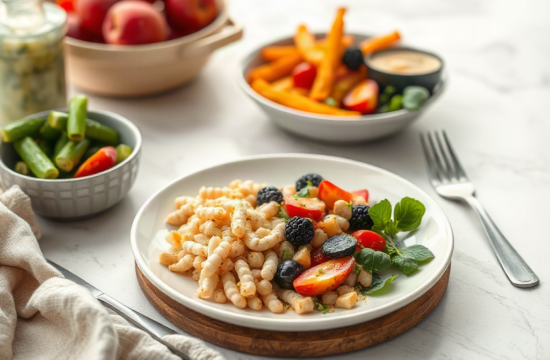
Strategies for maintaining motivation during dieting work best when they reduce daily decision fatigue, use measurable behavior goals, and include a planned response to setbacks. Tracking meals or one target habit, preparing satisfying high-protein and fiber-rich foods, and reviewing progress weekly can make the plan easier to follow when initial enthusiasm fades. Motivation often drops when calorie restriction is too aggressive, progress is judged only by the scale, or a single unplanned meal is treated as failure. A flexible routine with realistic portions, scheduled treats, supportive accountability, and adjustments for sleep, stress, and social events is more sustainable than relying on willpower alone.
Build Motivation Around Behaviors You Can Control
Motivation is more dependable when it is attached to repeatable actions rather than a specific number on the scale. A target such as “lose 15 pounds” may provide direction, but it does not tell you what to do on a busy Tuesday. A behavior target does: prepare lunch before work, include a source of protein at breakfast, drink water with meals, or take a short walk after dinner. These actions create visible evidence of progress even when body weight fluctuates.
Choose two or three behaviors for the first week instead of changing every meal, snack, and exercise habit at once. For example, someone who frequently skips breakfast and then overeats at night might begin by eating a planned morning meal and portioning an evening snack. Someone who relies on takeout may focus on cooking dinner three nights weekly. The better choice depends on the behavior causing the most friction, not on which diet rule appears most impressive.
A useful goal has a clear cue and a minimum version. “Eat better” is difficult to evaluate; “add vegetables to lunch on Monday through Friday” is observable. The minimum version might be a piece of fruit and a yogurt when a full meal is unavailable. This approach prevents an imperfect day from becoming a reason to abandon the plan. It also exposes a common mistake: setting an ambitious routine that only works under ideal conditions.
- Outcome goal: a longer-term change, such as improving body composition or health markers.
- Behavior goal: an action, such as planning four dinners or recording meals.
- Fallback goal: the smallest useful action for travel, illness, stress, or limited time.
Review these goals once a week. If completion is consistently low, adjust the environment or reduce the target before blaming motivation. A smaller plan completed regularly is more informative and often more sustainable than a strict plan followed briefly. Related ideas about strategies for maintaining motivation during dieting should always be translated into actions that fit the reader’s schedule, budget, cooking ability, and appetite.
Make Meals and Food Decisions Easier
Food structure protects motivation by lowering the number of decisions required each day. A diet that depends on constant restraint becomes harder when someone is hungry, tired, or surrounded by convenient food. Planned meals do not need to be identical or highly restrictive. They need enough protein, fiber, flavor, and volume to make the next choice manageable.
Build meals from a flexible pattern: a protein food such as eggs, beans, tofu, fish, poultry, Greek yogurt, or lean meat; produce such as vegetables or fruit; a carbohydrate source such as potatoes, oats, rice, or whole-grain bread; and a measured source of fat when appropriate. The exact portions depend on energy needs and dietary preferences. A bowl with beans, brown rice, salsa, vegetables, and avocado may be satisfying for one person, while another may prefer salmon, potatoes, and green beans. Both can fit a weight-management plan.
Preparation should focus on bottlenecks rather than elaborate meal plans. Wash fruit, cook a batch of grains, portion nuts, keep frozen vegetables available, or prepare two sauces that make simple meals appealing. A person who arrives home hungry may benefit more from a ready-to-heat lentil soup and rotisserie chicken than from a complex Sunday cooking ritual that is difficult to maintain.
Strict food bans can create a rebound effect for some people, especially when the forbidden food is highly appealing or regularly present in social settings. A planned portion of dessert can be easier to manage than an all-or-nothing rule, although people with a history of eating disorders may need individualized guidance from a qualified professional. Motivation is not improved by making the plan unnecessarily punishing.
Use strategies for maintaining motivation during dieting to decide what deserves preparation: foods that are filling, affordable, culturally familiar, and available when hunger is highest. If a plan requires expensive specialty products or separate meals for the household, its practical burden may outweigh its theoretical advantages.
Track Progress Without Letting the Scale Decide Everything
Tracking can reinforce motivation when it provides feedback, but it can undermine motivation when one measurement is treated as a verdict. Body weight naturally changes with fluid balance, meal timing, sodium intake, digestion, menstrual-cycle changes, and exercise-related water retention. A higher reading after a restaurant meal does not establish that body fat increased by the same amount.
Choose a tracking method that answers a useful question. A food log can reveal skipped meals, frequent grazing, or portions that are larger than expected. A habit checklist can show whether planned breakfasts or walks actually occurred. Waist measurements, clothing fit, energy, hunger patterns, and consistency with medical nutrition goals may add context, though none should be interpreted in isolation. People who find daily weighing distressing may prefer less frequent measurements or a weekly trend.
Set a review point rather than reacting to every day. After two to four weeks, ask whether the routine is being followed, whether hunger is manageable, and whether the selected measurements are moving in a desired direction. If adherence is high but the plan feels exhausting, the calorie deficit may be too aggressive or the meals may lack satisfying foods. If adherence is low, changing the diet formula may be less useful than simplifying shopping and meal timing.
Consider two scenarios. A person sees no scale change for six days and quits despite following the plan; a second person reviews four weeks of readings, notices a gradual trend, and keeps the routine. The second response is not blind optimism—it uses a longer observation period. Conversely, a flat trend over several weeks may justify a measured adjustment to portions, activity, or meal composition rather than endless waiting.
Record one sentence about what worked and what created difficulty after each weekly review. That note turns motivation into problem-solving. Avoid compensating for an indulgent meal by skipping food the next day; that cycle can intensify hunger and make the diet harder to resume. A neutral review is more useful than punishment.
Plan for Setbacks, Stress, and Social Situations
Setbacks are predictable interruptions, not proof that a diet has failed. Travel, overtime, celebrations, poor sleep, emotional strain, and limited food access can change eating behavior even when intentions remain strong. A resilient plan specifies the next reasonable action before these situations occur.
Use an if-then response tied to a real obstacle: if a workday runs late, choose a prepared frozen meal or a balanced restaurant option; if a celebration includes dessert, eat a normal meal beforehand and select a portion intentionally; if a missed workout affects mood, resume with the next scheduled activity rather than doubling the following session. These responses protect continuity without pretending that every day will be controlled.
Stress deserves particular attention because it can increase preference for rapidly available, highly palatable foods and reduce the mental energy available for planning. The answer is not to demand perfect discipline. Keep a few low-effort foods accessible, such as canned beans, whole-grain wraps, fruit, yogurt, tuna, or frozen vegetables, and identify a nonfood decompression activity that is realistic, such as a shower, brief walk, phone call, or quiet period before dinner.
Support Your Weight Loss Goals Huge Discount on the Best Certified Organic Nutrient Dense Supplement!
Social flexibility also matters. At a restaurant, scan the menu before hunger becomes urgent, select a meal with a clear protein and produce component, and decide whether sharing an appetizer or dessert fits the occasion. Ordering the “healthiest” item is not always the most satisfying choice if it leads to additional eating later. Portion awareness and enjoyment can coexist.
A common failure mode is the “broken streak” mindset: one large meal becomes several unstructured days because the person waits for Monday. Replace that rule with a next-meal reset. If setbacks are frequent, severe, or connected with guilt, binge eating, purging, or significant distress, individualized support from a doctor or registered dietitian is more appropriate than stricter self-monitoring.
Turn a Diet Into a Sustainable Routine
Long-term motivation depends less on constant excitement than on a routine that remains acceptable after the novelty disappears. Sustainability requires a workable tradeoff between speed and comfort. A faster approach may demand tighter portions and leave less room for social meals; a slower approach may be easier to repeat and adjust. Neither is automatically right for every person.
Test the routine under ordinary conditions for several weeks. Check whether hunger is manageable between meals, whether grocery costs are reasonable, whether family meals can be accommodated, and whether the plan leaves enough flexibility for work and weekends. If the answer is no, modify the design. A diet that works only with separate cooking, extensive tracking, or constant access to prepared food may be unsuitable despite producing short-term results.
Motivation also improves when the routine contains immediate rewards that are not dependent on weight change. Enjoyable recipes, a calmer evening meal, better organization, improved confidence in grocery shopping, or increased comfort during a walk can reinforce the behaviors themselves. These benefits do not prove that a diet is medically appropriate, but they can make adherence easier to evaluate honestly.
Use a simple monthly decision process:
- Keep: behaviors that are easy enough to repeat and produce useful feedback.
- Adjust: behaviors that work in theory but fail because of hunger, time, cost, or social demands.
- Remove: rules that create guilt, encourage compensation, or add effort without a clear benefit.
- Add support: involve a healthcare professional when medical conditions, medications, pregnancy, or disordered eating concerns affect the plan.
The sign of a functioning approach is not perfect compliance. It is the ability to resume, learn from patterns, and make moderate changes without abandoning the entire routine. For more context, strategies for maintaining motivation during dieting are most useful when they create a repeatable system rather than a temporary burst of determination.
Frequently Asked Questions
How can I stay motivated when weight loss slows?
Review a multi-week trend and track behaviors such as meal planning, portions, and activity. If adherence is consistent but hunger or fatigue is high, reassess the plan rather than applying harsher restrictions.
Should I weigh myself every day while dieting?
Daily weighing suits some people but not others. Use a frequency that provides useful trend information without creating anxiety, and interpret readings alongside food patterns, measurements, and routine consistency.
What should I do after an unplanned large meal?
Return to your normal eating pattern at the next meal. Avoid skipping food or exercising excessively to compensate, since those responses may increase hunger and prolong the disruption.
How many diet goals should I set at once?
Two or three behavior goals are usually easier to evaluate than a complete lifestyle overhaul. Add another target after the first routine is reasonably stable.
When should I seek professional nutrition support?
Consult a qualified professional when a medical condition, medication, pregnancy, significant distress, binge eating, purging, or a history of disordered eating affects food choices or weight goals.
Conclusion
Motivation lasts longer when the diet is designed for ordinary life rather than ideal conditions. Prioritize a small set of controllable behaviors, meals that provide satisfying protein and fiber, and a tracking method that shows trends without turning every measurement into a judgment. Prepare fallback options for late workdays, travel, celebrations, and stressful evenings so one interruption does not become abandonment. Review the plan weekly, keeping what is workable and changing what repeatedly produces excessive hunger, cost, or mental strain. Begin with two specific actions for the next seven days and define the smallest version you can complete on a difficult day. If health conditions or disordered eating concerns are present, obtain individualized advice before making major dietary changes.