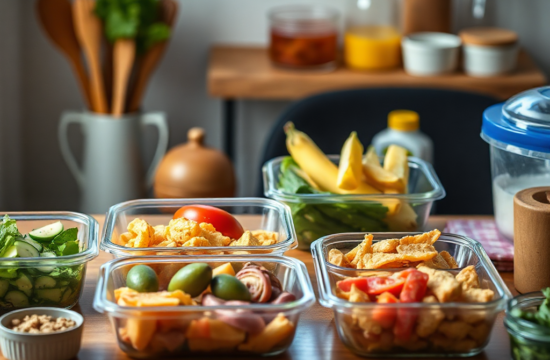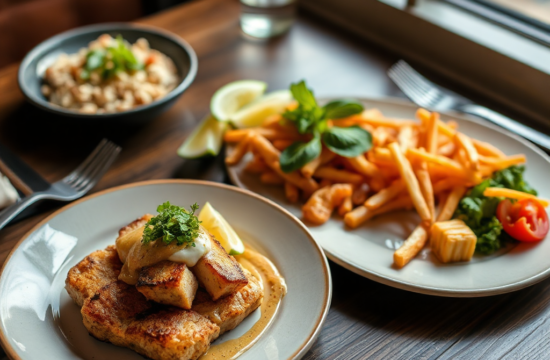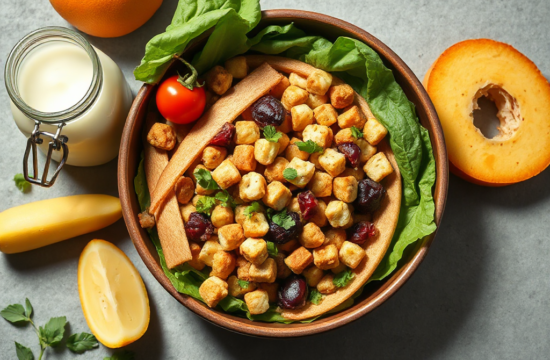
Dietary fat during weight loss usually fits well at roughly 20% to 35% of daily calories, with the precise amount shaped by calorie needs, food preferences, and medical considerations. A 1,600-calorie plan would provide about 36 to 62 grams of fat in that range, using the nutrition label rather than guessing by eye. Prioritize unsaturated sources such as olive oil, avocado, nuts, seeds, and fish, while limiting portions because fat supplies more calories per gram than protein or carbohydrate. Very low-fat eating may make meals less satisfying for some people, but higher-fat choices can quietly erase a calorie deficit if serving sizes are not measured.
How Much Fat Fits a Weight-Loss Diet?
A useful starting range for dietary fat during weight loss is about 20% to 35% of total daily calories. That range is broad because a person’s calorie budget, food preferences, training demands, digestion, and health history all affect what is workable. Weight loss itself comes from maintaining an appropriate calorie deficit over time, not from reaching a special fat percentage.
Fat provides 9 calories per gram, compared with 4 calories per gram for protein and carbohydrate. On a 1,600-calorie plan, 20% to 35% of calories from fat equals approximately 36 to 62 grams daily. On a 2,000-calorie plan, the same percentage equals about 44 to 78 grams. These figures are planning tools, not mandatory targets. A person who feels satisfied and meets nutritional needs at the lower end may not benefit from pushing intake higher, while someone who dislikes large amounts of starch may find a moderate-fat pattern easier to maintain.
The best starting point is usually a middle range rather than an extreme. Setting fat near 25% to 30% of calories leaves room for protein-rich foods, vegetables, fruit, legumes, and grains without making meals unusually restrictive. For instance, a 1,800-calorie diet at 30% fat provides about 60 grams per day. That could be distributed across meals as a measured amount of oil in cooking, a small serving of nuts, and naturally occurring fat from eggs, dairy, fish, or tofu.
People following a prescribed diet for gallbladder disease, pancreatic conditions, malabsorption, diabetes, kidney disease, or another medical concern should not use a general percentage as personal treatment advice. A registered dietitian or clinician may recommend a different pattern. For general dieting, the practical test is whether the chosen amount supports a sustainable calorie deficit, adequate protein and fiber, enjoyable meals, and stable energy.
Why Dietary Fat Still Matters During Calorie Restriction
Dietary fat contributes to meal satisfaction, flavor, and the absorption of fat-soluble vitamins A, D, E, and K. It also supplies essential fatty acids that the body cannot make in sufficient amounts. Removing nearly all fat can make meals bland and less satisfying, which may increase the appeal of high-calorie snacks later. Keeping some fat in meals can make a reduced-calorie pattern easier to follow, although more is not automatically better.
Fat’s calorie density creates the main tradeoff. A tablespoon of oil can add substantially more energy than a person expects, and oil used during cooking may not appear as a separate food on a plate. The same issue occurs with nut butter, cheese, creamy dressings, coconut milk, pesto, and trail mix. These foods can be nutritious, but generous portions may use a large share of the day’s calorie allowance before the meal feels especially filling.
Fat quality matters alongside quantity. Unsaturated fats from olive or canola oil, avocado, walnuts, seeds, and fatty fish can fit into a balanced eating pattern. Saturated fat from butter, fatty meats, cream, and some baked foods deserves attention within the overall diet, particularly when replacing it with unsaturated options is practical. The goal is not to classify every food as good or bad; it is to make the most calorie-dense choices deliberate rather than accidental.
Consider two lunches: a salad with vegetables, beans, grilled chicken, and a measured vinaigrette, or the same salad with a large pour of dressing, cheese, avocado, and a handful of nuts. Both may contain nutrient-rich ingredients, but the second version can be far more calorie-dense. The lesson is not to remove all toppings. It is to choose one or two satisfying fat sources, portion them intentionally, and let vegetables, legumes, and lean protein provide volume.
For a broader look at how energy balance interacts with food composition, see How much dietary fat is needed during weight loss.
Choosing Fat Sources Without Losing Portion Control
Food choice and serving size need to be considered together. Olive oil, salmon, almonds, avocado, and full-fat yogurt can all contribute useful nutrients, but their calories accumulate differently from those in watery vegetables or broth-based foods. A weight-loss diet does not require avoiding these items; it requires deciding which ones earn space in the meal.
Whole-food sources often bring additional protein, fiber, or micronutrients. Salmon supplies protein along with fat, beans provide fiber and carbohydrate with little fat, and nuts offer fat with some protein and minerals. Oils provide mostly fat, so they are useful for cooking and flavor but usually offer less volume per calorie. Comparing these options helps explain why a measured teaspoon or tablespoon of oil may be more difficult to notice than a serving of avocado or fish.
Practical portions depend on the meal and the rest of the day. A person might use one teaspoon of oil for sautéing vegetables, add a small amount of seeds to oatmeal, or choose avocado instead of cheese in a sandwich. Another person may prefer a serving of olive-oil dressing at lunch and low-fat dairy elsewhere. Neither arrangement is inherently superior if total calories, protein, fiber, and personal satisfaction remain compatible with the goal.
Restaurant meals create a separate challenge because added fats are difficult to estimate. Roasted vegetables may be finished with oil, sauces may contain butter or cream, and fried foods absorb cooking fat. Asking for dressing or sauce on the side gives more control, but it does not make the entire meal automatically low-calorie. When eating out, prioritize a protein source, vegetables or legumes, and one planned rich item rather than attempting to estimate every gram.
- Usually useful choices: fish, avocado, nuts, seeds, olives, tofu, and unsaturated cooking oils.
- Worth measuring: oils, dressings, mayonnaise, nut butters, cheese, cream, pesto, and mixed snack foods.
- Worth limiting when frequent: foods high in saturated fat or combinations of refined starch, added sugar, and concentrated fat.
Nutrition information from How much dietary fat is needed during weight loss can help when comparing food labels, but labels still require attention to the stated serving size.
A Practical Method for Setting and Adjusting Intake
Set a starting fat target from calories, then judge the pattern by hunger, food quality, and progress rather than treating the number as a pass-or-fail rule. Multiply daily calories by the chosen fat percentage and divide by 9 to estimate grams. For example, 1,700 calories at 30% fat equals 510 calories from fat, or about 57 grams. This calculation gives structure without pretending that the body responds to a single perfect ratio.
Track for several days using food labels or a reputable food-composition database. Include cooking oil, dressings, spreads, beverages containing cream, and small bites while preparing food. Under-counting these items is a common reason an apparently moderate-fat plan becomes much higher in calories. Weighing calorie-dense foods temporarily can improve portion awareness, especially for oils, nuts, cheese, and nut butter.
Use a compact review process:
Support Your Weight Loss Goals Huge Discount on the Best Certified Organic Nutrient Dense Supplement!
- Check the calorie target: confirm that it is realistic and not based on an overly aggressive restriction.
- Set a moderate fat range: begin near 25% to 30% unless a clinician has advised otherwise.
- Build meals around protein and plants: add a measured fat source instead of allowing several concentrated sources to appear by default.
- Review hunger and adherence: persistent hunger may call for more food volume, protein, fiber, or a modest fat adjustment.
- Adjust one variable: if progress stalls, inspect portions and tracking before making a drastic change to fat intake.
Signs the approach is working include predictable meals, manageable hunger, adequate energy for normal activities, and gradual progress over a meaningful period. Signs it needs revision include frequent unplanned eating, fatigue, constipation from a poorly designed low-carbohydrate pattern, or calorie totals that rise through sauces and snacks. A lower-fat plan may suit someone who prefers large portions of grains, potatoes, fruit, and vegetables; a somewhat higher-fat plan may suit someone who finds those foods less satisfying. The best choice is the one that preserves nutritional adequacy and can be repeated.
Common Mistakes That Distort Fat Intake
The most common mistake is assuming that a healthy fat source is unlimited. Avocado, nuts, olive oil, and dark chocolate can fit a nutritious diet, but their calorie density still matters during weight loss. Calling a food “healthy” does not remove the need for a serving decision. Measuring calorie-dense ingredients for a short period often reveals where estimates have drifted.
A second mistake is treating low-fat packaged foods as automatically better. Some reduced-fat products replace fat with added sugar, starch, or other ingredients, while others may be useful swaps because they preserve protein or volume at fewer calories. Compare the full label, including calories, protein, fiber, added sugar, and saturated fat. Low-fat yogurt with substantial protein may be a convenient option, but a low-fat cookie is not necessarily a better choice than a smaller portion of a satisfying food.
Another weak assumption is that a particular fat percentage determines whether body fat will be lost. Total energy intake, adherence, activity, sleep, medication effects, and individual health factors all influence results. Reducing fat can lower calories if it replaces large amounts of oil, cream, or fried food, but it will not create an advantage if those calories are simply replaced with excessive refined carbohydrate or frequent snacks.
People also sometimes cut fat so sharply that meals become difficult to enjoy. A dry chicken-and-rice routine may look efficient on paper but can encourage repeated extras later. Adding a measured dressing, a few nuts, or a portion of avocado may improve satisfaction without undermining the calorie target. The adjustment should be deliberate, not a return to unmeasured pouring.
Use How much dietary fat is needed during weight loss as a planning question, not a demand for a rigid prescription. If a health condition, medication, menstrual changes, gastrointestinal symptoms, or a history of disordered eating affects food choices, personalized professional support is more appropriate than aggressive macro experimentation.
Frequently Asked Questions
What percentage of calories should come from fat during weight loss?
A general starting range is 20% to 35% of calories, with many people finding 25% to 30% practical. Individual medical needs and food preferences may justify a different amount.
How many grams of fat should I eat on 1,600 calories?
At 20% to 35% of calories, 1,600 calories provides about 36 to 62 grams of fat. A target near 25% to 30% would provide roughly 44 to 53 grams.
Does eating fat stop fat loss?
No. Fat can fit into a calorie-controlled diet, but its 9 calories per gram make oils, dressings, nuts, and spreads easy to overconsume.
Which fats are most useful during dieting?
Choose mostly unsaturated sources such as olive or canola oil, fish, avocado, nuts, seeds, and olives, while keeping portions and overall saturated fat in view.
Should I choose a low-fat or higher-fat diet?
Choose the pattern you can sustain while meeting protein, fiber, and calorie needs. A lower-fat approach may suit larger-volume eaters, while moderate fat may improve satisfaction for others.
Conclusion
Dietary fat does not need to disappear during weight loss. A moderate starting range of about 20% to 35% of calories can accommodate nutrient-rich foods while leaving room for protein, fiber, and satisfying carbohydrates. The practical priority is portion control for oils, dressings, nuts, spreads, cheese, and creamy sauces because these foods can raise calorie intake quickly. Build meals around protein and produce, select mostly unsaturated fat sources, and track enough detail to see whether the plan matches the target. Review hunger, energy, food enjoyment, and progress before making a major adjustment. If a medical condition or prescribed diet changes your needs, obtain individualized advice rather than relying on a general percentage.
Support Your Weight Loss Goals
HUGE DISCOUNT ON THE BEST CERTIFIED ORGANIC NUTRIENT DENSE SUPPLEMENT!
Related Content
- How to Create a Sustainable Eating Schedule: Practical Steps for Long-Term Success
- Dieting Tips That Simplify Weight Loss: Practical Steps and Effective Strategies
- How to Overcome Emotional Eating Habits
- Lose Weight Today: A Guide To Safe Weight Loss
- Dieting Made Easy: Simple Strategies for Long-Term Success
Further Reading
Authoritative Sources
- USDA FoodData Central
fdc.nal.usda.govOfficial food composition and nutrient data.
- NIH Office of Dietary Supplements
ods.od.nih.govEvidence-based fact sheets about vitamins, minerals, supplements, and nutrition.
- CDC Nutrition
cdc.govOfficial public-health nutrition guidance and data.
- MedlinePlus Health Information
medlineplus.govConsumer health information from the U.S. National Library of Medicine.