
It’s essential to approach dieting with a mindset that encourages sustainability rather than restriction. Instead, focusing on small, manageable changes can lead to lasting results. For instance, incorporating more fiber-rich foods can help control hunger and reduce calorie intake without feeling deprived.
Another common mistake is the tendency to overlook the importance of hydration. Drinking enough water aids digestion and can sometimes help curb unnecessary snacking. Additionally, being mindful of portion sizes and eating without distractions can enhance the experience of meals and contribute to better satiety.
These foods provide essential nutrients that support weight loss and overall. It's essential to approach dieting with a mindset that encourages sustainability rather than restriction.
Understanding Whole Foods
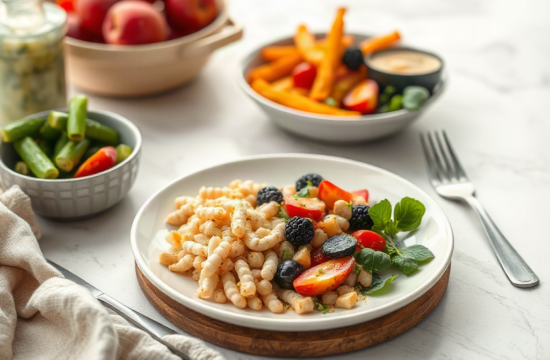
Whole foods are unprocessed or minimally processed foods that retain their natural state, such as fruits, vegetables, whole grains, and lean meats. These foods provide essential nutrients that support weight loss and overall health. Prioritizing whole foods over refined options helps reduce added sugars and unhealthy fats that can contribute to weight gain.
Incorporating a variety of whole foods ensures a balanced intake of vitamins, minerals, and antioxidants. This not only aids in weight management but also boosts energy levels and supports metabolic health. Planning meals around whole foods can be an effective strategy for simplifying the dieting process.
Mindful Eating Practices
Mindful eating involves being present during meals and paying attention to hunger and satiety cues. This practice can significantly contribute to successful weight loss by helping individuals avoid overeating. By slowing down and savoring each bite, one can enjoy meals more and feel satisfied with less food.
To practice mindful eating, try to eliminate distractions during meals, such as watching TV or using your phone. Focus on the flavors, textures, and aromas of the food. Additionally, consider keeping a food diary to track eating habits and identify emotional triggers that may lead to overeating.
The Role of Exercise
Regular physical activity is crucial for weight loss and maintaining a healthy weight. Engaging in aerobic exercises, strength training, and flexibility workouts can help burn calories and build muscle mass. Muscle tissue burns more calories at rest, which can aid in weight management.
Finding enjoyable forms of exercise can make it easier to stay active. Whether it’s walking, swimming, or dancing, incorporating movement into daily routines enhances the likelihood of sticking with a fitness regimen. Aim for at least 150 minutes of moderate aerobic activity each week, alongside muscle-strengthening activities on two or more days.
Avoiding Common Pitfalls
One of the biggest challenges in dieting is falling into the trap of fad diets that promise quick results but are unsustainable. These diets often lead to yo-yo dieting, which can be detrimental to metabolism and overall health. Instead, focus on gradual weight loss through consistent, healthy habits.
Another pitfall is neglecting to listen to one’s body. Recognizing hunger and fullness signals is vital for maintaining a healthy relationship with food. Avoiding emotional eating by finding alternative coping mechanisms can significantly enhance weight loss efforts.
Support Your Weight Loss Goals
Huge Discount on the Best Certified Organic Nutrient Dense Supplement!
Frequently Asked Questions
What are the best foods for weight loss?
Foods high in fiber, such as fruits, vegetables, and whole grains, are excellent for weight loss as they help keep you full longer while providing essential nutrients.
How can I stay motivated while dieting?
Setting realistic goals, tracking progress, and finding support from friends or groups can help maintain motivation during a dieting journey.
Is it important to count calories?
While counting calories can help some individuals understand their intake, focusing on the quality of food and portion sizes can be more beneficial for long-term success.
What role does hydration play in weight loss?
Staying hydrated is essential for overall health and can help control hunger, as sometimes thirst is mistaken for hunger.
Can I lose weight without exercising?
While exercise is beneficial for weight loss, it is possible to lose weight through dietary changes alone, but combining both is more effective for long-term results.
Further Reading
Authoritative Sources
- Weight loss: 6 strategies for success
mayoclinic.orgThese healthy changes include eating a balanced diet and moving more each day. Here are six tips to help you start your weight-loss journey.
- Optimal Diet Strategies for Weight Loss and ... - PMC - NIH
pmc.ncbi.nlm.nih.govLow-fat and low-carbohydrate diets are good options for initial weight loss; in some cases, a ketogenic diet could be a viable alternative. High-protein diets ...
- 5 steps to sustainable weight loss
bhf.org.uk1. Understand what causes obesity · 2. Work out your healthy weight · 3. Make changes that work for your lifestyle · 4. Eat a balanced diet · 5. Get ...
- Healthy eating, diets & weight loss
health.harvard.eduWhat's the best diet for weight loss? · Emphasize plant-based foods, especially fruits and vegetables, with most meals and snacks. · Include lean ...
Conclusion
Incorporating practical dieting tips can significantly simplify the weight loss process. By focusing on whole foods, practicing mindful eating, and engaging in regular exercise, individuals can achieve sustainable weight loss without feeling deprived. It’s crucial to avoid common pitfalls and create a personalized plan that aligns with individual preferences and lifestyles. Taking small, consistent steps will ultimately lead to lasting results and improved overall health.