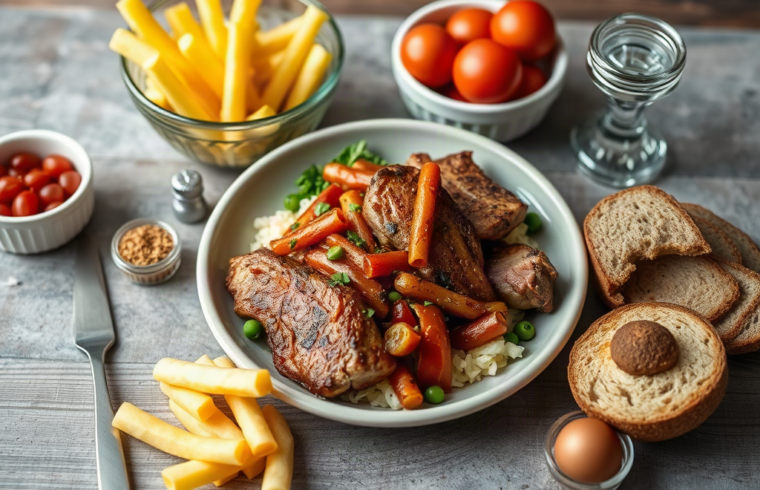
A two-week no-carb diet sharply restricts carbohydrate-containing foods, usually leaving meat, fish, eggs, fats, and a limited selection of dairy while excluding grains, fruit, legumes, starchy vegetables, and most sweets. It may produce quick scale changes as glycogen and stored water decline, but that should not be mistaken for equivalent fat loss. Common tradeoffs include constipation, headaches, fatigue, restricted food variety, and low intake of fiber and certain micronutrients. A less extreme low-carbohydrate version that retains non-starchy vegetables is usually easier to tolerate and nutritionally broader. People using glucose-lowering medicine or managing kidney, liver, digestive, or eating-related conditions should seek individualized medical guidance first.
What “No Carb” Actually Means for Two Weeks
A literal zero-carbohydrate menu is difficult to achieve with ordinary foods. Eggs, cheese, shellfish, organ meats, and seasonings can contain small amounts of carbohydrate, while milk contains considerably more through lactose. Most plans described as “no carb” are therefore extremely low-carbohydrate diets built mainly around animal proteins and added fats rather than diets containing absolutely none.
That distinction affects both expectations and food choices. Removing bread, rice, pasta, potatoes, beans, fruit, sweets, and sweetened drinks cuts out obvious carbohydrate sources. Eliminating leafy vegetables, nuts, seeds, plain yogurt, and incidental carbohydrates is a much stricter step with fewer clear practical advantages. It also removes prominent sources of fiber, potassium, magnesium, vitamin C, folate, and plant compounds.
During the first several days, the body uses glycogen stored in the liver and muscles. Glycogen is stored with water, so reducing it can cause a noticeable early drop on the scale. The body then relies more heavily on fat and ketones for energy, although protein and dietary fat still supply calories. Ketosis does not make energy balance irrelevant, and a rapid first-week change does not show how much body fat was lost.
Food quality also matters within this narrow pattern. A menu dominated by bacon, processed sausage, butter, and cheese differs materially from one based on salmon, sardines, chicken, eggs, lean beef, olive oil, and carefully selected low-carbohydrate vegetables. The first may be high in sodium and saturated fat while providing little variety. The second is not truly carb-free, but it offers a more balanced way to reduce carbohydrates.
A useful interpretation of Two-week no-carb diet plans and their tradeoffs is therefore a short experiment in severe carbohydrate restriction, not a nutritionally complete template. Before starting, decide whether the goal is appetite observation, removal of highly refined foods, or short-term menu simplification. If the objective is sustainable fat loss, a moderate deficit with vegetables, legumes, or controlled portions of whole grains offers more flexibility and may be easier to maintain.
A Practical 14-Day Food Structure
A workable two-week structure should emphasize complete protein, varied fat sources, hydration, and repeated meals that do not depend entirely on processed meat. Rather than assigning 42 elaborate recipes, use a compact rotation. That reduces shopping waste and makes it easier to notice whether hunger, energy, digestion, and exercise tolerance are changing.
Days 1–7: Establish a Simple Rotation
Breakfast can rotate among eggs cooked with olive oil, an omelet with a small amount of cheese, or leftover chicken. Lunch might be tuna mixed with mayonnaise and served with cucumber, turkey patties with a leafy salad, or salmon with zucchini. Dinner options include roasted chicken thighs with broccoli, lean beef with sautéed mushrooms, or baked cod with asparagus. These vegetables mean the menu is technically very low carb rather than zero carb, but they preserve fiber and food volume for relatively few carbohydrates.
Choose water, sparkling water, unsweetened tea, or coffee without sugar. Cream, flavored coffee additions, sauces, marinades, and cured meats can contain unexpected carbohydrates or substantial sodium, so labels deserve attention. A “sugar-free” claim does not necessarily mean carbohydrate-free, particularly when a product contains starches or sugar alcohols.
Days 8–14: Adjust According to Tolerance
Repeat the meals that were filling without causing digestive problems, then vary the protein source. Replace beef with trout, chicken with pork tenderloin, or cheese-heavy meals with eggs and avocado if the chosen carbohydrate limit permits it. Someone experiencing constipation should not respond by removing the remaining vegetables. Increasing low-carbohydrate vegetables, chia or flax where appropriate, fluids, and gradual activity is more sensible than pursuing a stricter label.
A compact daily checklist keeps the plan focused:
- Protein: Include a substantial source at each meal rather than relying on fat alone.
- Produce: Retain non-starchy vegetables unless a clinician has given a specific reason not to.
- Fats: Mix olive oil, avocado, nuts, seeds, and oily fish with—not only—animal fats.
- Fluids: Drink regularly, while avoiding forced excessive water intake.
- Symptoms: Record hunger, bowel habits, headaches, dizziness, sleep, and training quality.
The common mistake is treating unlimited meat, cheese, and butter as an automatic fat-loss formula. Portions can still exceed energy needs, and cheese or nuts are particularly easy to eat without noticing quantity. A plate built around protein and vegetables generally provides better satiety feedback than grazing on calorie-dense “allowed” foods throughout the day.
Expected Changes and Important Tradeoffs
The most visible short-term result is often water loss rather than a direct measure of fat reduction. Lower glycogen stores release associated water, and changes in sodium intake can move scale weight further. Some of that weight may return when carbohydrates are reintroduced. Waist measurements, consistent weigh-in conditions, hunger patterns, and how clothes fit provide more context than one early number.
Appetite may decline for some people because protein is filling, food choices are narrower, and ketosis can alter hunger. Other people experience the opposite: meals feel unsatisfying without fruit, grains, or legumes, leading to intense cravings and later overeating. Neither response represents a failure of willpower. It shows whether the restriction is compatible with the person’s preferences, routine, and energy demands.
Digestive effects are another practical dividing line. Removing whole grains, beans, fruit, and most vegetables sharply reduces fiber unless low-carbohydrate plant foods remain. Constipation, harder stools, or disrupted regularity can follow. Adding only more cheese may worsen the problem. A plan that includes leafy greens, cauliflower, broccoli, zucchini, avocado, nuts, and seeds contains some carbohydrate, but it is more likely to support bowel function.
Exercise performance may also change. Light walking and ordinary daily activity may feel normal after an adjustment period, while repeated sprints, hard intervals, or high-volume strength training may feel more difficult because those efforts rely substantially on carbohydrate availability. A competitive athlete and a sedentary adult should not evaluate the same menu by the same standard. Poor training output, persistent weakness, or slow recovery suggests that the restriction is working against the activity goal.
The comparison that matters is not strict no-carb eating versus an unrestricted menu of sweets and refined snacks. A more useful comparison is severe restriction versus a moderate low-carbohydrate pattern containing vegetables, berries, plain yogurt, beans in measured portions, or small servings of minimally processed grains. Both can remove sugary drinks and oversized refined starch portions, but the moderate option provides broader nutrition and more social flexibility.
Use the full set of outcomes when judging Two-week no-carb diet plans and their tradeoffs. A lower scale reading accompanied by dizziness, constipation, poor sleep, and rebound eating is not a strong result. Stable energy, manageable hunger, normal digestion, and an eating pattern that can transition into ordinary life are more informative signs.
Support Your Weight Loss Goals Huge Discount on the Best Certified Organic Nutrient Dense Supplement!
Safety Checks and a Better Exit Strategy
Severe carbohydrate restriction is not an appropriate unsupervised experiment for everyone. Insulin and some other glucose-lowering medicines can require adjustment when carbohydrate intake changes sharply. People with kidney or liver disease, a history of disordered eating, pregnancy-related nutrition needs, or medical conditions affecting digestion or metabolism should discuss the plan with a qualified clinician or registered dietitian before beginning.
Headache, temporary tiredness, altered bowel habits, or reduced exercise capacity can occur during a major dietary shift, but severe or persistent symptoms should not be normalized as proof that the diet is “working.” Fainting, confusion, repeated vomiting, inability to keep fluids down, marked weakness, or symptoms of very low or very high blood glucose warrant prompt medical attention. Online advice cannot determine whether a symptom is a routine adjustment or a medical problem.
Medication use is not the only constraint. A worker performing physical labor in heat, a distance runner, and a person with a quiet desk schedule have different fluid, energy, and recovery demands. Restaurant meals, family dinners, budget limits, and access to refrigeration also shape feasibility. Depending heavily on steaks, specialty snacks, and packaged low-carb products can make the experiment expensive without improving its nutritional quality.
Plan the exit before day one. On days 15 through 18, add one controlled carbohydrate source at a time rather than celebrating the finish with a very large refined-carbohydrate meal. Examples include berries with plain yogurt, lentils alongside fish, a small sweet potato with chicken, or oats with eggs on the side. Gradual reintroduction makes digestive responses and hunger easier to interpret, though temporary water regain is still expected as glycogen is restored.
Keep the changes that provided clear value: fewer sweetened drinks, deliberate protein portions, reduced reliance on pastries or chips, and more planned meals. Release restrictions that created nutritional or social costs without a useful return. The best follow-on pattern may be lower in refined carbohydrates while retaining vegetables, fruit, legumes, and portions of whole grains suited to activity and preference.
If the two-week period is being used to investigate bloating, fatigue, glucose changes, or another symptom, do not treat the outcome as a diagnosis. Several foods are removed simultaneously, so improvement cannot identify a single cause. A clinician-led elimination and reintroduction process is more informative than repeatedly cycling through Two-week no-carb diet plans and their tradeoffs without a clear medical or nutritional objective.
Frequently Asked Questions
Can a diet be completely carbohydrate-free?
Not easily with ordinary mixed foods. Eggs, dairy, shellfish, seasonings, and some processed meats may contain small amounts, so “no carb” usually means extremely low carb.
How much weight can someone lose in two weeks without carbs?
Results vary, and early scale movement often includes water released as glycogen declines. It should not be interpreted as an equal amount of body-fat loss.
Are vegetables allowed on a no-carb plan?
Vegetables contain some carbohydrate, but non-starchy choices such as spinach, broccoli, zucchini, and cauliflower add fiber and micronutrients with a relatively small carbohydrate contribution.
What should happen after the 14 days?
Reintroduce nutrient-dense carbohydrate foods gradually, beginning with options such as berries, beans, oats, or sweet potato, while monitoring digestion, hunger, and energy.
Who should avoid an unsupervised no-carb diet?
People using glucose-lowering medicine or managing kidney, liver, metabolic, digestive, pregnancy-related, or eating-disorder concerns should obtain individualized professional guidance first.
Conclusion
Two weeks of severe carbohydrate restriction can simplify food choices and produce a quick scale change, but the initial result may be driven substantially by water. The useful test is whether the menu supports manageable hunger, normal digestion, steady energy, adequate nutrition, and the person’s actual activity demands.
Prioritize varied protein sources, mostly unsaturated fats, fluids, and non-starchy vegetables rather than chasing literal zero-carbohydrate intake. Stop treating persistent weakness, dizziness, digestive disruption, or poor exercise recovery as necessary milestones. Before starting, identify medication or health concerns and decide how carbohydrates will be reintroduced. A moderate low-carbohydrate pattern that limits refined foods while retaining fiber-rich plants will often offer a more practical next step than extending the strict phase.
Support Your Weight Loss Goals
HUGE DISCOUNT ON THE BEST CERTIFIED ORGANIC NUTRIENT DENSE SUPPLEMENT!
Related Content
- How to Lose Weight Without Overcomplicating Your Diet: Simple Steps and Practical Foods to Embrace
- How Portion Control Affects Sustainable Weight Management Results: Practical Steps and Common Pitfalls
- How to Stay Full Longer: 7 Effective Tips for 2025 Mastery
- Put An End To Yo-Yo Dieting With These Tips
- 10 Effective dieting motivation tips to stay on track in 2025