
Many people mistakenly believe that weight management is solely about what foods to eat. However, the quantity of food consumed plays an equally crucial role. Portion sizes have increased over the years, leading to higher calorie consumption, often without the individual realizing it. Effective portion control empowers individuals to enjoy their favorite foods while maintaining a balanced diet, thus supporting sustainable weight management.
A common mistake is underestimating the impact of visual cues on portion sizes. For instance, using larger plates can lead to larger servings, even if one intends to eat less. Understanding these psychological factors is essential for implementing effective portion control strategies. When individuals become aware of their eating habits and the cues that influence them, they can make more informed choices that align with their weight management goals.
Understanding Portion Control
Portion control refers to the practice of managing the amount of food consumed in one sitting. This concept is essential for anyone looking to achieve sustainable weight management results. Understanding portion sizes helps individuals avoid overeating, which can lead to weight gain over time. Research shows that people often underestimate the amount they consume, making portion awareness vital.
When individuals learn to recognize proper serving sizes, they can better align their food intake with their nutritional needs. This alignment is crucial for maintaining energy levels and supporting overall health. Portion control not only aids in weight management but also fosters a healthier relationship with food by encouraging individuals to appreciate their meals and eat mindfully.
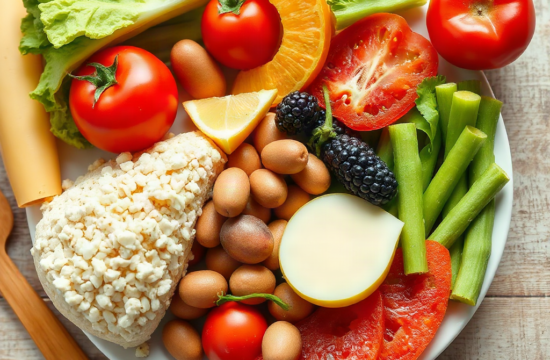
A practical approach to understanding portion sizes is to compare them to everyday objects. For example, a serving of protein should be about the size of a deck of cards, while a serving of vegetables can be compared to a baseball. Getting accustomed to these comparisons can make it easier to visualize appropriate portions during meals.
Practical Strategies for Portion Control
Implementing effective portion control strategies can significantly enhance weight management efforts. One practical method is to use smaller plates and bowls, which can create an illusion of a fuller plate with less food. This psychological trick can help individuals feel satisfied while consuming fewer calories.
Another effective strategy is to measure portions initially until individuals become familiar with appropriate sizes. Using measuring cups or a kitchen scale can provide valuable insights into serving sizes that align with personal dietary goals. Over time, this practice can help individuals develop an intuitive sense of portion sizes, making it easier to manage meals without constant measurement.
Additionally, focusing on the quality of food is essential. Prioritizing nutrient-dense foods over empty calories can lead to better satiety and overall well-being. For instance, incorporating more whole grains, fruits, and vegetables can help individuals feel fuller on smaller portions, thus supporting sustainable weight management.
Common Pitfalls to Avoid
While practicing portion control, individuals may encounter several pitfalls that can hinder their weight management efforts. One common mistake is eating straight from large packages or containers. This habit can lead to mindless eating and excessive calorie consumption. Instead, it is advisable to portion out snacks into smaller bowls or bags to avoid overeating.
Another pitfall is consuming meals while distracted, such as watching television or using smartphones. This distraction can prevent individuals from recognizing their hunger and fullness cues, leading to overeating. To combat this, it is beneficial to create a designated eating environment that encourages mindfulness and focus on the meal at hand.
Lastly, relying solely on external cues, such as clean plates or social pressure, can lead to overeating. It is crucial to prioritize internal hunger signals and eat according to personal needs rather than external factors. Developing this awareness can significantly enhance the effectiveness of portion control.
The Role of Mindfulness in Eating
Mindfulness plays a vital role in effective portion control and sustainable weight management. Being mindful during meals encourages individuals to slow down and savor each bite, which can enhance the eating experience and promote satisfaction. This practice leads to a greater awareness of hunger and fullness cues, allowing individuals to respond appropriately to their body’s needs.
Support Your Weight Loss Goals
Huge Discount on the Best Certified Organic Nutrient Dense Supplement!
Incorporating mindfulness techniques, such as eating without distractions, can help individuals connect with their food and recognize when they are satiated. This connection is essential for effective portion control. Additionally, practicing gratitude for food can enhance the overall eating experience, making it easier to appreciate smaller portions.
To cultivate mindfulness, individuals can try techniques such as meditation or deep breathing before meals. These practices can help center the mind and prepare individuals to engage fully with their food, fostering a healthier relationship with eating.
Further Reading
Authoritative Sources
- ChooseMyPlate.gov
choosemyplate.govA comprehensive resource for understanding portion sizes and balanced meals
- CDC Healthy Weight
cdc.govOffers insights into maintaining a healthy weight through portion control and nutrition
- Academy of Nutrition and Dietetics
eatright.orgProvides expert advice on nutrition, portion sizes, and healthy eating habits
- Nutrition.gov
nutrition.govA reliable source for nutritional information and portion control guidelines
Frequently Asked Questions
What is portion control?
Portion control is the practice of managing the amount of food consumed in a single meal, which is essential for effective weight management.
How does portion control help with weight management?
By regulating calorie intake through appropriate serving sizes, portion control helps prevent overeating and supports sustainable weight management.
What are some effective portion control strategies?
Using smaller plates, measuring portions, and focusing on nutrient-dense foods are effective strategies for managing portion sizes.
What common mistakes should I avoid when practicing portion control?
Avoid eating from large containers, consuming meals while distracted, and relying solely on external cues to guide portion sizes.
How can mindfulness improve portion control?
Mindfulness enhances portion control by encouraging individuals to eat slowly, savor their food, and pay attention to hunger and fullness cues.
Conclusion
In closing, mastering portion control is a fundamental component of sustainable weight management. By understanding appropriate serving sizes and being mindful during meals, individuals can effectively manage their calorie intake while still enjoying their favorite foods. Prioritizing nutrient-dense options and avoiding common pitfalls can further enhance the benefits of portion control. As individuals become more aware of their eating habits, they can achieve their weight management goals and foster a healthier relationship with food.
Support Your Weight Loss Goals
HUGE DISCOUNT ON THE BEST CERTIFIED ORGANIC NUTRIENT DENSE SUPPLEMENT!
Related Content
- Changing The Foods You Eat Will Help You Lose Weight
- How to Balance Macros for Effective Weight Loss: Practical Steps and Common Mistakes
- The Psychological Benefits of Successful Dieting: Enhancing Self-Esteem, Motivation, and Mental Clarity
- Which Label Claims Can Mislead People Trying to Lose Weight: A Food-Package Reality Check
- How To Lose Weight Without Starving Yourself