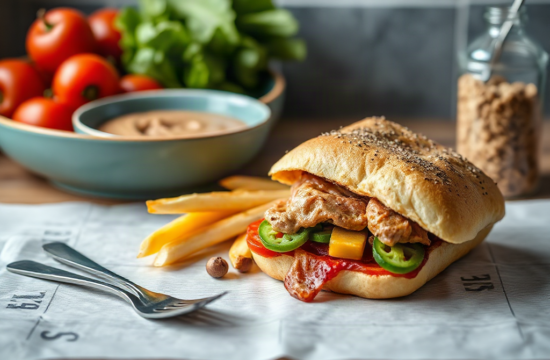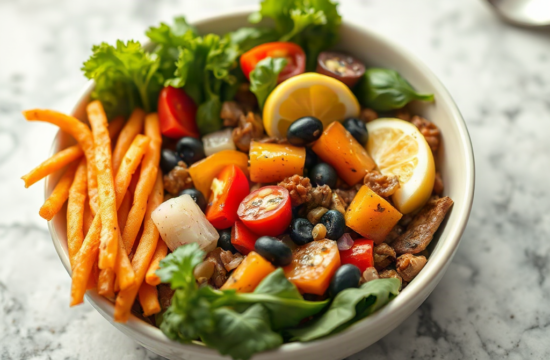
Twenty-one-day fatty liver diet plan resources should provide a repeatable eating schedule built around vegetables, minimally processed carbohydrates, unsaturated fats, and adequate protein while limiting alcohol, sugary drinks, and oversized portions. A three-week plan can establish practical routines, but it should not promise to reverse liver fat within 21 days. Useful resources include a grocery template, flexible plate formula, meal-preparation schedule, and tracking checklist for meals, alcohol intake, hunger, and clinician-requested measurements. People with diabetes, cirrhosis, kidney disease, pregnancy, or prescribed dietary restrictions should have the plan adapted by a qualified healthcare professional.
What a Three-Week Plan Can Realistically Accomplish
A 21-day schedule is best treated as a structured practice period rather than a liver treatment or rapid detoxification program. Fatty liver disease, often called metabolic dysfunction-associated steatotic liver disease when linked with metabolic risk, develops in a broader context that may include insulin resistance, elevated triglycerides, type 2 diabetes, excess abdominal fat, alcohol exposure, or certain medications. Food choices matter, but a short menu cannot establish the cause, measure liver damage, or replace medical evaluation.
The practical benefit of three weeks is repetition. Preparing a balanced breakfast several times, replacing sweetened drinks, and learning an appropriate dinner portion can turn vague advice into observable habits. Someone who previously skipped lunch and ordered a large evening meal, for example, might use a planned lunch containing beans, vegetables, and whole grains to reduce intense evening hunger. The value lies in changing the daily pattern, not in finding a single ingredient that “cleanses” the liver.
Expectations should be separated into short- and longer-term outcomes. During 21 days, a person may notice steadier hunger, fewer restaurant meals, more consistent fiber intake, or easier grocery decisions. Changes in liver fat, liver enzymes, blood glucose, triglycerides, or body weight cannot be inferred from how someone feels. Those outcomes require appropriate follow-up and may take longer, while liver enzyme results alone do not fully describe liver health.
Before using any Twenty-one-day fatty liver diet plan resources, confirm whether the diagnosis and likely contributing factors have been discussed with a clinician. Alcohol intake deserves a direct conversation because advice may differ according to the type and severity of liver disease. People taking insulin or glucose-lowering medicines may also need help avoiding low blood sugar when changing carbohydrate portions or meal timing.
A common failure is making the plan so restrictive that it ends after several days. Juice fasts, supplement-based cleanses, and extremely low-calorie menus may displace protein and fiber without addressing the usual eating pattern. A better test is whether the meals could remain workable after day 21, with adjustments for culture, budget, appetite, and medical needs.
Build Meals Around Liver-Relevant Food Choices
A useful fatty liver eating pattern emphasizes food quality and total intake rather than banning every source of carbohydrate or fat. Vegetables, legumes, intact whole grains, fruit, fish, poultry, nuts, seeds, and unsaturated plant oils can form the base. These foods make it easier to obtain fiber, protein, and micronutrients without relying heavily on refined starches, added sugars, or highly processed snacks.
Use a simple plate formula for lunch and dinner: make roughly half the plate non-starchy vegetables, reserve about one quarter for protein, and use the remaining quarter for a fiber-rich carbohydrate. A practical meal could be roasted broccoli and peppers with baked salmon and barley. A lower-cost version might pair cabbage and carrots with lentils and brown rice. Portions still matter, especially when oils, cheese, nuts, sauces, or multiple starches are added to an otherwise nutritious plate.
Sugary beverages deserve priority because they deliver added sugar with little fullness. Regular soda, sweet tea, energy drinks, many coffee drinks, and large servings of juice can add substantial carbohydrate quickly. Water, unsweetened tea, or coffee without heavy additions are more practical defaults. Whole fruit is generally different from juice because its fiber and chewing contribute to fullness, although individual carbohydrate needs may vary for people managing diabetes.
Fat quality also changes the character of a menu. Olive or canola oil, nuts, seeds, avocado, and fish provide unsaturated fats, while fatty processed meats, deep-fried foods, butter-heavy dishes, and many packaged pastries tend to supply more saturated fat or excess energy. Unsaturated fat is not calorie-free, so pouring oil freely or treating nuts as unlimited can undermine an intended calorie reduction.
Protein should appear regularly enough to make meals satisfying. Fish, skinless poultry, eggs, tofu, tempeh, plain yogurt, beans, and lentils offer different combinations of protein, fat, carbohydrate, and cost. Processed meats are less useful as daily staples because they often come with high sodium and saturated fat. No special “liver superfood” compensates for frequent sweetened drinks, alcohol, or chronically oversized meals.
Alcohol is not interchangeable with ordinary food choices. Someone with liver disease should ask the diagnosing clinician whether complete avoidance is appropriate rather than relying on a generic allowance. Supplements marketed for liver cleansing also warrant caution: “natural” does not establish safety, and some concentrated herbal products can injure the liver or interact with medicines.
A Flexible 21-Day Eating Structure
The strongest three-week structure repeats a manageable formula while changing flavors and ingredients. A rigid menu can fail when an item is unavailable, a family meal intervenes, or leftovers need to be used. Flexible categories let the reader substitute similar foods without abandoning the underlying pattern.
Days 1–7: Establish the Baseline
During the first week, standardize breakfast and remove routine liquid sugar. Breakfast options might include plain oatmeal with berries and walnuts, eggs with vegetables and whole-grain toast, or unsweetened yogurt with fruit and seeds. Lunch can rely on leftovers or a bean-based bowl, while dinner follows the vegetable-protein-whole-grain plate. Record what was eaten without trying to make the log look perfect; the purpose is to identify skipped meals, sweet drinks, alcohol, and portions that create problems later.
Days 8–14: Improve Quality and Preparation
The second week shifts attention to ingredient quality and home preparation. Replace one refined grain with a whole-grain or legume option each day, and prepare at least two proteins and two vegetable dishes that can be recombined. For example, baked chicken, seasoned chickpeas, roasted vegetables, and cooked quinoa can become dinner plates, lunch bowls, or a salad topping. This is more resilient than preparing seven unrelated recipes.
Days 15–21: Test the Pattern Under Real Conditions
The final week should include realistic constraints rather than perfect laboratory conditions. Practice ordering a meal away from home, assembling a convenience meal, or handling an unusually busy evening. A workable convenience option could combine a low-sodium bean soup, bagged salad, and fruit. At a restaurant, grilled fish or chicken with vegetables and a modest starch is usually easier to assess than a fried entrée covered in an unknown sauce.
Meal timing should reduce avoidable hunger, not obey an arbitrary clock. Some adults do well with three meals; others need a planned snack because of work hours, medication, or appetite. Useful snacks combine produce with protein or unsaturated fat, such as an apple with a measured portion of nuts or carrots with hummus. Constant grazing and unplanned late-night eating can make total intake hard to judge even when the foods appear healthy.
Intermittent fasting is not required for a fatty liver menu. It may suit some adults, but it can be unsuitable with certain diabetes medicines, pregnancy, a history of disordered eating, or medical frailty. Consistent food quality and an appropriate energy intake matter more than forcing a narrow eating window. The best Twenty-one-day fatty liver diet plan resources therefore offer substitutions rather than presenting timing as a cure.
Support Your Weight Loss Goals Huge Discount on the Best Certified Organic Nutrient Dense Supplement!
Shopping, Preparation, and Progress Checks
A practical resource set should reduce daily decisions without requiring specialty products. Begin by checking the pantry and freezer, then buy ingredients that can serve more than one meal. Frozen vegetables, canned beans rinsed before use, canned fish, plain oats, brown rice, eggs, and unsweetened frozen fruit can control cost and waste. Fresh produce is valuable, but frozen and no-added-sugar canned options can be nutritionally useful when storage time or access is limited.
Use the following compact checklist before starting:
- Medical context: Confirm relevant diagnoses, medicines, alcohol guidance, and any sodium, protein, or carbohydrate restrictions.
- Meal foundation: Choose two breakfasts, two lunches, and three dinners that share ingredients.
- Drink default: Stock water, sparkling water, or unsweetened tea instead of sugary beverages.
- Backup food: Keep one balanced freezer or pantry meal for disrupted days.
- Tracking method: Use a simple paper or phone log for meals, hunger, alcohol, and preparation barriers.
Preparation does not need to occupy an entire weekend. Cook one grain, wash or roast vegetables, portion a protein, and mix a simple dressing. Store foods safely and freeze extra portions that will not be eaten promptly. If batch cooking is unrealistic, use assembly meals: prewashed greens, canned salmon or beans, microwavable whole grains, and vegetables can produce a balanced plate in minutes.
Track behaviors that can be acted upon. Useful markers include the number of sweetened drinks, vegetable servings, alcohol-free days when medically appropriate, restaurant meals, and episodes of unplanned eating caused by excessive hunger. Body weight may be relevant for some people because gradual weight reduction can be part of clinical fatty liver management, but daily fluctuations are noisy and weight loss is not appropriate for everyone. A clinician or registered dietitian can help set an individualized target.
Signs the structure is working include groceries being used before they spoil, meals keeping hunger manageable, and fewer last-minute high-sugar or fried-food choices. Signs of failure include persistent dizziness, low blood sugar, extreme hunger, binge eating, worsening digestive symptoms, or a menu that conflicts with prescribed care. Those signals call for revision, not stricter restriction.
At the end of day 21, review which meals were affordable, satisfying, and repeatable. Keep the successful components and replace the fragile ones. A completed checklist is less meaningful than a pattern that can continue while laboratory tests and liver status are monitored through appropriate healthcare.
Frequently Asked Questions
Can a fatty liver be reversed in 21 days?
A three-week menu may improve eating habits, but it cannot guarantee reversal of liver fat or damage. Meaningful change depends on the cause, disease severity, sustained behavior, and appropriate medical follow-up.
What should I eat for breakfast on this plan?
Choose a fiber-rich meal with protein, such as oatmeal with berries and nuts, eggs with vegetables and whole-grain toast, or plain yogurt with fruit and seeds.
Do I need to avoid all carbohydrates?
No. Beans, lentils, whole grains, vegetables, and whole fruit provide fiber and nutrients. Prioritize these over sugary drinks, sweets, and large servings of refined grains, while following individualized diabetes guidance if applicable.
Is coffee allowed on a fatty liver eating plan?
Unsweetened coffee can fit many plans, but sugar, syrups, and heavy cream can change its nutritional impact. Ask a clinician about caffeine if you have another condition or medication-related restriction.
Should I take a liver detox supplement during the 21 days?
Do not assume detox supplements are safe or effective. Concentrated herbal ingredients may interact with medicines or harm the liver, so review any product with a clinician or pharmacist first.
Conclusion
Use the three-week period to identify meals and routines that remain workable after the calendar ends. Build most plates from vegetables, a satisfying protein, and a measured high-fiber carbohydrate; replace sugary drinks; address alcohol directly with the treating clinician; and keep convenient backup foods available. Judge the plan by repeatability, manageable hunger, and fewer unplanned choices rather than detox claims or dramatic short-term promises.
Before starting, account for diabetes medicines, kidney disease, cirrhosis, pregnancy, disordered-eating history, and other needs that can make a standard menu unsuitable. After 21 days, retain the combinations that fit the household budget and schedule, revise those that repeatedly failed, and arrange any recommended follow-up for laboratory results or liver assessment. Sustainable changes provide more decision value than completing a rigid menu exactly once.