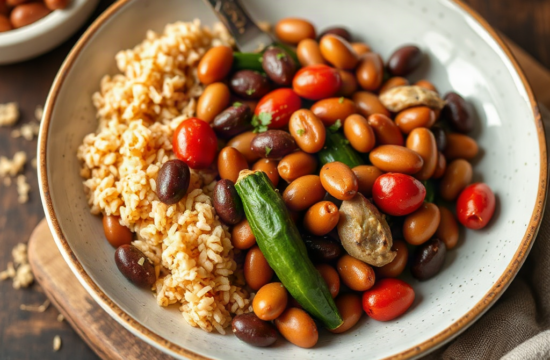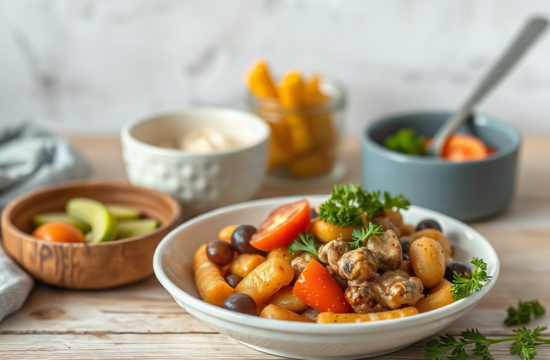
A seven-day eating plan to lower triglycerides should replace added sugars, refined starches, alcohol, and excess saturated fat with high-fiber plants, unsaturated fats, and appropriately portioned protein. Build meals around vegetables, beans, oats, intact whole grains, fish, nuts, seeds, and unsweetened dairy or fortified alternatives. Include oily fish during the week for omega-3 fats, while keeping sweet drinks, desserts, white bread, and large servings of rice or pasta limited. Portion size still matters because excess energy can raise triglycerides even when foods appear wholesome. People with very high results, diabetes, pregnancy, kidney disease, or triglyceride-lowering medication should have the menu individualized by a clinician or registered dietitian.
How Food Choices Affect Triglycerides
Triglycerides are fats carried in the blood and stored when the body receives more energy than it currently needs. A high reading is not caused only by eating fatty foods. Added sugar, refined carbohydrates, alcohol, excess calorie intake, poorly controlled blood glucose, some health conditions, and certain medications may all contribute. That is why simply buying products labeled “low fat” can fail: many replace fat with sugar or rapidly digested starch.
The most useful dietary shift is substitution rather than subtraction. Replace sweetened cereal with oats and berries, white bread with a fiber-rich whole-grain option, and processed meat with beans or fish. Fiber slows digestion and makes meals more filling, while unsaturated fats from olive oil, nuts, seeds, avocado, and fish can replace saturated fats from fatty meats, butter, and some highly processed foods. These changes may support a healthier triglyceride pattern, but they do not function as a stand-alone treatment.
Carbohydrate quality and quantity both deserve attention. Brown rice is less refined than white rice, yet an oversized bowl may still provide more carbohydrate and energy than a person needs. A practical plate uses roughly half non-starchy vegetables, one quarter protein, and one quarter beans or an intact whole grain. People with larger energy needs can adjust upward; those pursuing weight reduction may need smaller starch and fat portions without cutting protein or vegetables too aggressively.
Alcohol is a frequent blind spot because it can increase triglyceride production in susceptible people, even when the rest of the menu looks balanced. Avoiding alcohol during the seven days provides a clearer test of the eating pattern. Fruit juice, sweetened coffee, sports drinks, and honey-sweetened beverages deserve similar scrutiny because liquid sugar is easy to consume without much fullness.
A common mistake is expecting one ingredient, such as salmon, chia seeds, or oatmeal, to cancel out the rest of the diet. The pattern matters more than any isolated food. The practical purpose of this seven-day eating plan to lower triglycerides is to establish repeatable combinations that control refined carbohydrate exposure, provide fiber, and replace rather than merely add healthy fats.
Seven Days of Breakfasts, Lunches, and Dinners
Each day below combines produce, protein, fiber-rich carbohydrate, and an unsaturated fat source. Portions should reflect hunger, body size, activity, glucose-management needs, and advice from a healthcare professional. Choose unsweetened versions of yogurt, milk alternatives, canned fruit, and packaged oatmeal; words such as “natural” or “multigrain” do not confirm that a product is low in added sugar or rich in fiber.
- Day 1: Have rolled oats with blueberries, chia seeds, and plain yogurt for breakfast. Choose lentil-and-vegetable soup with a leafy salad and olive-oil vinaigrette at lunch. Serve baked salmon, roasted broccoli, and a modest portion of barley for dinner.
- Day 2: Start with eggs scrambled with spinach and mushrooms, plus one slice of whole-grain toast. Lunch can be a chickpea, cucumber, tomato, and parsley bowl dressed with lemon and olive oil. For dinner, prepare skinless chicken, cauliflower, green beans, and a small baked sweet potato.
- Day 3: Combine plain Greek yogurt or an unsweetened soy alternative with strawberries, walnuts, and ground flaxseed. Fill a whole-grain wrap with leftover chicken, cabbage, peppers, and hummus for lunch. Dinner is bean chili containing tomatoes, onions, peppers, and zucchini, served without sugary toppings or a large basket of chips.
- Day 4: Make overnight oats with unsweetened milk, cinnamon, diced apple, and pumpkin seeds. At lunch, pair tuna packed in water with white beans, arugula, celery, and olive oil. Dinner can feature tofu stir-fried with broccoli, mushrooms, and bok choy, accompanied by a restrained serving of brown rice.
- Day 5: Eat avocado and tomato on whole-grain toast with a boiled egg. Use leftover bean chili over mixed greens for lunch rather than adding a large refined-grain side. Prepare trout or sardines with Brussels sprouts and quinoa for dinner; tofu or tempeh can replace fish for a plant-based meal.
- Day 6: Blend an unsweetened smoothie from plain yogurt, berries, spinach, and ground flaxseed, avoiding juice, dates, syrups, or oversized scoops of nut butter. Lunch is a vegetable-and-bean bowl with a small amount of avocado. Dinner combines turkey or lentil patties, roasted eggplant, tomato salad, and bulgur.
- Day 7: Serve a vegetable omelet with a side of berries at breakfast. Choose leftover lentil soup and salad for lunch. Finish with baked cod, herbed white beans, and asparagus, or use marinated tofu if fish is unsuitable.
Using leftovers is intentional. A menu that requires three newly cooked dishes every day is unlikely to survive a busy week. Cook one pot of beans or lentils, one whole grain, and a tray of vegetables in advance, then change seasonings and proteins. The weak alternative is relying on “healthy” restaurant bowls, which may contain generous oil, sugary sauces, refined grains, and enough food for more than one meal.
Portions, Snacks, Drinks, and Substitutions
Portion awareness keeps nutritious foods from becoming an unrecognized energy surplus. Nuts, olive oil, avocado, and seeds provide useful unsaturated fats, but adding all of them liberally to one meal can work against energy goals. Use a small handful of nuts, a measured spoonful of seeds, or a modest drizzle of oil rather than treating healthy fat as unlimited.
Snacks are optional, not mandatory. When hunger develops between meals, combine fiber or produce with protein or unsaturated fat: an apple with a small amount of peanut butter, raw vegetables with hummus, plain yogurt with berries, or a pear with a few walnuts. Crackers, granola bars, dried fruit, and flavored yogurt can deliver concentrated starch or sugar despite wellness-oriented packaging. Check the serving size, added sugars, and ingredient list instead of relying on front-label claims.
Water, sparkling water, and unsweetened tea or coffee fit the week. Coffee additions can change the nutritional profile quickly; flavored syrups, sweet cream, and blended coffee drinks may function more like dessert than a beverage. Whole fruit is generally a more filling choice than juice because the intact structure retains fiber and slows consumption. People who experience low blood glucose or follow medication-specific carbohydrate instructions should not make abrupt restrictions without clinical guidance.
A Compact Shopping and Preparation Checklist
- Produce: berries, apples, leafy greens, broccoli, peppers, tomatoes, mushrooms, and other non-starchy vegetables.
- Protein: salmon or another oily fish, lean poultry, eggs, tofu, plain yogurt, beans, chickpeas, and lentils.
- High-fiber staples: rolled oats, barley, quinoa, bulgur, brown rice, and genuinely whole-grain bread.
- Unsaturated fats: olive oil, walnuts, chia or flaxseed, pumpkin seeds, and avocado.
- Flavor without sugar: lemon, vinegar, garlic, herbs, spices, mustard, and unsweetened salsa.
Substitutions should preserve the meal’s function. Replacing fish with cheese adds protein but may also add more saturated fat; beans, tofu, or tempeh are often closer substitutes for this purpose. Replacing oats with sweetened granola changes a minimally processed whole grain into a denser mixture that may contain added sugar and oil. The seven-day eating plan to lower triglycerides remains adaptable, but swaps should retain fiber, protein, and portion balance rather than merely matching texture.
How to Evaluate the Week and Continue Safely
Seven days can reveal whether a routine is practical, but a single week cannot establish how much a blood triglyceride result has changed. Triglycerides are assessed with a blood test, and interpretation depends on the testing conditions, medical history, other lipid measurements, glucose status, medications, and the clinician’s instructions. Do not stop prescribed treatment because meals have improved.
Useful short-term signals are behavioral. Meals should usually keep hunger manageable, bowel habits should remain comfortable as fiber increases, and shopping or preparation should fit the available time and budget. Persistent hunger may indicate that meals lack protein, vegetables, or an appropriate portion of whole-food carbohydrate. Fatigue, shakiness, or symptoms of low blood glucose require particular caution in anyone using glucose-lowering medication.
Digestive discomfort can occur when beans and fiber increase abruptly. Start with smaller portions, rinse canned beans, drink adequate water, and spread fiber-containing foods across the day. A slower increase is more sustainable than abandoning legumes after one oversized serving. For budget control, frozen vegetables, canned fish, dried or no-salt-added canned beans, store-brand oats, and in-season fruit can perform the same nutritional roles as expensive specialty foods.
Support Your Weight Loss Goals Huge Discount on the Best Certified Organic Nutrient Dense Supplement!
After the week, identify three combinations worth repeating and one friction point to fix. Someone who skipped breakfast because overnight oats were unappealing might use eggs and vegetables instead. A person who bought lunch at work could batch two servings of lentil soup and freeze one. This is more effective than repeating a rigid menu indefinitely, because long-term adherence depends on reliable defaults rather than constant novelty.
Medical follow-up deserves priority when triglycerides are described as very high, rise unexpectedly, or occur alongside diabetes, thyroid disease, kidney or liver concerns, pregnancy, substantial alcohol intake, or a new medication. Very high triglycerides can carry risks that call for prompt professional management, not dietary experimentation alone. A clinician can also advise when to repeat laboratory testing and whether the test requires fasting. Use the seven-day eating plan to lower triglycerides as a structured food template while keeping diagnosis, medication decisions, and laboratory interpretation within professional care.
Frequently Asked Questions
Can triglycerides go down after only seven days?
Food and alcohol changes can affect triglyceride metabolism, but one week is too short to judge a durable laboratory response. Follow the testing schedule and fasting instructions provided by your clinician.
Are eggs allowed on a triglyceride-conscious menu?
Eggs can fit for many people when served with vegetables and whole grains rather than bacon, sausage, butter, or refined toast. Individual lipid conditions and clinician advice may change the appropriate frequency.
Should all carbohydrates be removed?
No. Favor beans, oats, intact whole grains, vegetables, and whole fruit while moderating portions. Added sugars and heavily refined starches are usually more useful targets than eliminating every carbohydrate-containing food.
What if I do not eat fish?
Use beans, lentils, tofu, or tempeh as protein alternatives and include walnuts, chia seeds, or ground flaxseed for plant-based omega-3 fat. Ask a clinician about individualized options if your triglycerides are very high.
Is fruit too sugary for high triglycerides?
Whole fruit can fit because it provides fiber and requires more chewing than juice. Keep servings reasonable and avoid turning fruit into a large smoothie with juice, syrups, or multiple concentrated ingredients.
Conclusion
A workable triglyceride-conscious week relies on repeatable meals, not unusual ingredients. Make vegetables and minimally processed protein the foundation, choose measured portions of beans or intact grains, and use nuts, seeds, avocado, or olive oil deliberately rather than freely. Removing alcohol and sugar-sweetened drinks often addresses exposures that otherwise escape notice, while planning leftovers reduces dependence on restaurant meals and packaged snacks.
At the end of seven days, keep the breakfasts, lunches, and dinners that matched your schedule and replace the combinations that left you hungry or required too much preparation. Continue monitoring labels, serving sizes, and beverage choices. Most importantly, arrange appropriate clinical follow-up for laboratory interpretation—especially when results are very high or other medical conditions are present—because a nutritious menu complements rather than replaces individualized care.