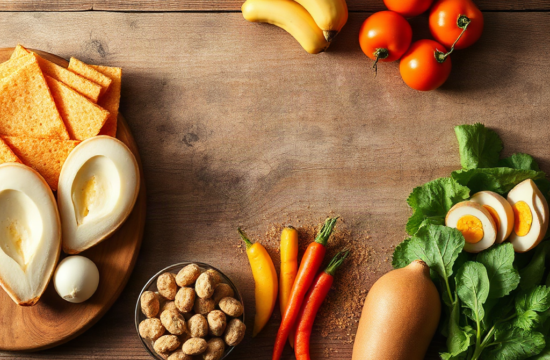
Manage weight loss during illness recovery by first stabilizing fluids, protein, energy intake, and medical follow-up rather than pursuing a calorie deficit. Small, frequent meals such as yogurt with fruit, soup with beans or chicken, eggs with toast, or fortified smoothies may be easier to tolerate when appetite, digestion, or energy is reduced. Unplanned loss can result from nausea, pain, infection-related demands, medication effects, dehydration, or difficulty chewing and swallowing, so the cause matters more than the scale alone. Contact a clinician promptly for rapid ongoing loss, dehydration, repeated vomiting, confusion, breathing difficulty, or inability to keep food down. Resume intentional weight reduction only after eating, hydration, strength, and the underlying illness are stable.
Why Weight Loss Happens During Recovery
Unplanned weight loss during illness recovery is usually a sign that intake, absorption, hydration, or energy needs have changed. Fever, infection, inflammation, pain, nausea, diarrhea, dental problems, swallowing difficulty, and medication side effects can all reduce the amount a person eats. A person may also lose water and muscle tissue rather than body fat, particularly after several days of poor intake or inactivity.
The scale can therefore give a misleading impression. A sudden drop after vomiting or fever may largely reflect fluid loss, while a slower decline accompanied by weakness may indicate inadequate energy and protein. Treating both as successful dieting can delay recovery. The practical question is whether the person can drink, eat enough to maintain strength, move safely, and manage the illness with appropriate medical support.
For example, someone recovering from a respiratory infection may feel too tired to prepare meals and may fill up quickly. Someone taking an antibiotic or pain medicine may have nausea that makes normal portions unappealing. These situations call for different solutions: prepared foods and assistance may help the first person, while medication review or symptom management may matter more for the second. A stricter diet plan is rarely the first priority while these barriers remain.
Use the related planning page, How to manage weight loss during illness recovery, as a reminder to separate intentional dieting from medically concerning decline. Record the timing of the loss, recent symptoms, fluids, meals tolerated, bowel changes, and any new medicines. That information gives a clinician more useful context than a single weigh-in.
How to Rebuild Meals, Fluids, and Protein
Recovery nutrition works best when food is offered in manageable amounts at regular intervals rather than waiting for a normal appetite to return. Three large meals may feel unrealistic after illness, whereas five or six smaller eating opportunities can provide energy without creating as much fullness. A meal does not need to be elaborate: oatmeal with milk and nut butter, eggs with toast, rice with tofu, or yogurt with banana can be practical starting points.
Fluids deserve attention because dehydration can worsen fatigue, dizziness, constipation, and poor appetite. Water may be suitable for routine hydration, while broths, milk, oral rehydration products, or diluted juice may be more tolerable in particular circumstances. People with heart, kidney, or liver conditions may need individualized fluid or electrolyte advice, so replacing large amounts without medical guidance is not automatically safe.
Protein helps preserve and rebuild body tissue, but increasing it is not a substitute for treating the illness. Include a tolerable source at eating occasions: poultry, fish, eggs, dairy, soy foods, beans, lentils, or smooth nut butter. A smoothie made with milk or soy beverage, yogurt, fruit, and oats can be easier than chewing a full meal. The tradeoff is that very rich drinks may worsen nausea or diarrhea; a smaller, less fatty version may be more useful.
- When appetite is low: choose compact foods such as cheese, yogurt, eggs, avocado, or a fortified soup.
- When chewing is difficult: use soft foods including porridge, mashed vegetables, tender fish, cottage cheese, and blended meals.
- When fatigue limits cooking: keep ready-to-eat options available and ask another person to handle preparation.
Do not force food through severe nausea, repeated vomiting, or swallowing difficulty. Small sips and bites may be reasonable while arranging care, but persistent inability to maintain intake requires professional assessment rather than increasingly aggressive meal planning.
Adjusting Food Choices to Symptoms and Treatment
The most useful food choice depends on the symptom blocking intake. Nausea may make strong smells, greasy dishes, and large portions difficult, so cool or room-temperature foods and plain carbohydrates may be easier temporarily. Mouth soreness can favor soft, moist foods without sharp edges or strong acidity. Diarrhea may require medical advice, careful hydration, and attention to foods that worsen symptoms; adding large amounts of fiber or supplements without understanding the cause can backfire.
Medication timing can also alter eating. Some medicines require food, while others have specific restrictions or interact with supplements, alcohol, or certain foods. A pharmacist or prescriber should clarify those instructions. Do not stop a prescribed medicine simply because it affects appetite or digestion. A review may identify an alternative dose, timing adjustment, or supportive treatment, but those decisions belong to the treating professional.
Consider texture, temperature, smell, and preparation effort alongside nutrient content. A commercially prepared nutrition drink may be useful when chewing or cooking is difficult, but it should not automatically replace all meals, especially if it causes gastrointestinal symptoms or does not fit a person’s medical needs. Whole foods such as milk, eggs, beans, potatoes, fruit, and rice can provide nutrients at lower cost, while packaged options offer convenience during severe fatigue.
A useful experiment is to change one barrier at a time. If breakfast is repeatedly skipped because nausea is strongest in the morning, try a small evening snack and a bland, cool breakfast later rather than adding a large meal. If food tastes metallic, plastic utensils, colder foods, or stronger natural flavors may make eating more acceptable. Keep notes on what is tolerated, but avoid turning recovery into a rigid tracking project that increases stress.
Readers comparing recovery eating with How to manage weight loss during illness recovery should prioritize tolerance and medical instructions over popular diet rules. Low-carbohydrate, fasting, detox, and aggressive calorie-cutting plans can be poorly matched to a period when the body is already receiving less energy or when medicines require regular food.
Monitoring Progress and Knowing When to Seek Help
Recovery should be judged by more than body weight. Useful signs include keeping fluids down, urinating regularly, tolerating a broader range of foods, having enough energy for basic activities, and gradually regaining strength. Weight can be checked under similar conditions, but daily fluctuations from fluid changes may obscure the trend. A simple record of meals tolerated, symptoms, fluids, and function is often more informative than strict calorie counting.
Contact a healthcare professional about ongoing unintended loss, poor appetite, persistent vomiting or diarrhea, painful swallowing, repeated choking, severe weakness, or symptoms that are worsening instead of settling. Urgent help may be needed for confusion, fainting, severe breathing trouble, signs of significant dehydration, blood in vomit or stool, or inability to keep fluids down. People with diabetes, cancer, kidney disease, eating-disorder history, pregnancy, or recent surgery may need earlier individualized guidance.
Ask for a dietitian referral when ordinary adjustments are not enough, when a therapeutic diet is required, or when nutrition must be balanced against kidney, glucose, swallowing, or gastrointestinal restrictions. A clinician may also review blood tests, medication effects, infection status, and other causes of weight change. Do not assume that a multivitamin, protein powder, or herbal product will correct the problem; supplements can have side effects and may interfere with treatment.
Support Your Weight Loss Goals Huge Discount on the Best Certified Organic Nutrient Dense Supplement!
A practical check each day is: Can I drink adequately? Can I eat several tolerable portions? Are symptoms improving? Can I perform slightly more activity without unusual exhaustion? Failure in any of these areas, especially for more than a short period, calls for reassessment rather than a more demanding diet.
Returning to Intentional Weight Management
Intentional weight reduction should wait until the acute illness has settled and food intake, hydration, strength, and medical treatment are stable. The timing varies with the illness, severity, prior health, and remaining symptoms. A person who has lost muscle or is still struggling to eat may need a maintenance-focused phase before any calorie reduction is considered.
When a clinician agrees that dieting can resume, use a modest, sustainable adjustment rather than trying to compensate for weight gained during inactivity or fluid recovery. Rebuild ordinary meals around vegetables and fruit, protein foods, whole grains or other tolerated carbohydrates, and appropriate fats. Portion awareness can return gradually, but rigid restriction may recreate the same intake problem if appetite has not normalized.
Expect the scale to rise temporarily as hydration and food volume return. That change does not automatically represent fat gain, and reacting with fasting can undermine recovery. Compare trends over time and include strength, sleep, digestion, and daily function in the assessment. A walking routine may be reintroduced only as energy and medical clearance permit; exercise should not be used to offset inadequate eating.
The next step is a staged plan: stabilize symptoms, establish repeatable meals, restore activity within limits, and then reassess the original weight goal. The cross-reference How to manage weight loss during illness recovery is most useful when treated as a recovery decision rather than a promise to control every scale change.
Frequently Asked Questions
Should I keep dieting while recovering from an illness?
Usually, intentional calorie restriction should pause until hydration, eating, strength, and the underlying illness are stable. Ask your clinician when a deficit is appropriate.
Why can weight drop quickly during illness?
Fluid loss, reduced food intake, vomiting, diarrhea, inflammation, medication effects, and muscle loss can all contribute. Rapid changes should not automatically be interpreted as fat loss.
What foods are easiest to eat during recovery?
Small portions of oatmeal, eggs, yogurt, soup, rice, bananas, soft vegetables, beans, fish, or smoothies may work, depending on symptoms and medical restrictions.
When should unintended weight loss be medically assessed?
Seek advice for continuing loss, severe weakness, poor intake, persistent vomiting or diarrhea, swallowing problems, dehydration signs, or symptoms that are worsening.
Can supplements replace meals during recovery?
They may help in selected situations, but they do not automatically replace varied food and may interact with medicines or aggravate symptoms. Discuss them with a clinician or dietitian.
Conclusion
Managing weight changes during illness recovery means protecting hydration, nourishment, and function before pursuing a weight target. Identify the barrier—nausea, pain, swallowing difficulty, medication effects, fatigue, or fluid loss—and choose the smallest practical adjustment that addresses it. Soft meals, frequent eating opportunities, tolerated protein foods, and help with preparation can make intake more realistic, but persistent symptoms need medical review rather than stricter dieting. Track recovery through fluids, food tolerance, strength, and daily activity as well as the scale. Once the illness is controlled and intake is dependable, return to weight management gradually, allowing normal fluid restoration and rebuilding of strength to guide expectations.
Support Your Weight Loss Goals
HUGE DISCOUNT ON THE BEST CERTIFIED ORGANIC NUTRIENT DENSE SUPPLEMENT!
Related Content
Further Reading
Authoritative Sources
- CDC Nutrition
cdc.govOfficial public-health nutrition guidance and data.
- NIH Office of Dietary Supplements
ods.od.nih.govEvidence-based fact sheets about vitamins, minerals, supplements, and nutrition.
- USDA FoodData Central
fdc.nal.usda.govOfficial food composition and nutrient data.
- MedlinePlus Health Information
medlineplus.govConsumer health information from the U.S. National Library of Medicine.