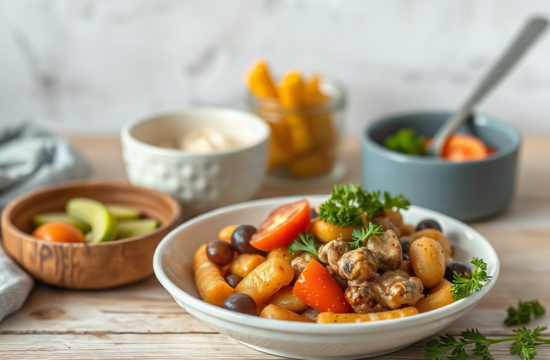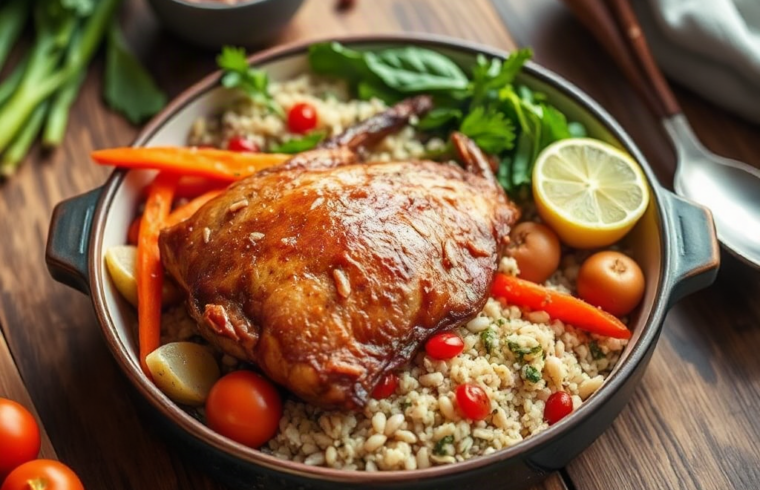
A seven-day meal plan for fatty liver should emphasize vegetables, beans, whole grains, fish, lean poultry, unsweetened dairy, and modest portions of healthy fats while limiting added sugar, refined starches, processed meat, and alcohol. Build each main meal around non-starchy vegetables, a fiber-rich carbohydrate, and a satisfying protein source. Portion size still matters because excess energy intake may hinder gradual weight loss, which can be relevant for some people with fatty liver. Adjust the plan for diabetes, kidney disease, medications, allergies, and cultural preferences with help from a clinician or registered dietitian.
Building Meals That Fit Fatty Liver Goals
Fatty liver meal planning works best when it improves the pattern of the whole diet rather than relying on a supposedly cleansing ingredient. Meals centered on minimally processed foods generally contain more fiber and less added sugar than meals built around sweet drinks, pastries, refined cereals, or packaged snack foods. Fiber-rich foods such as vegetables, beans, oats, barley, and intact whole grains also tend to be more filling, which can make an appropriate energy intake easier to maintain.
A useful plate model assigns about half the plate to non-starchy vegetables, one quarter to protein, and one quarter to a high-fiber carbohydrate. A dinner might contain roasted broccoli and peppers, baked salmon, and barley. Olive oil, avocado, nuts, or seeds can supply unsaturated fat, but these foods are energy-dense; pouring oil freely or eating nuts from a large package can turn a balanced meal into a much larger serving than intended.
Protein should appear regularly enough to make meals satisfying. Fish, skinless poultry, beans, lentils, tofu, plain yogurt, and eggs are practical choices. Red meat does not have to be universally forbidden, but frequent portions of fatty or processed meat can displace foods with more fiber and less saturated fat. Grilling chicken at home, for example, offers better control over sodium, breading, and sauces than ordering fried chicken with a sugary glaze.
Drinks deserve equal attention. Soda, sweet tea, energy drinks, and large juice servings deliver concentrated sugar without the fullness of whole fruit. Water, sparkling water without added sugar, or unsweetened coffee or tea are more compatible everyday options. Whole fruit supplies fiber and requires chewing, whereas fruit juice is easy to consume quickly. Alcohol may need to be avoided, particularly when liver injury is present, but the appropriate advice depends on diagnosis, medications, and clinician guidance.
The weakest assumption is that one named diet or food can reverse fatty liver by itself. A Mediterranean-style pattern is often a practical template because it emphasizes vegetables, legumes, whole grains, fish, and unsaturated fats, yet serving sizes and consistency still shape the result. Use Seven-day meal plan ideas for fatty liver as a flexible structure, not as a substitute for individualized medical nutrition care.
A Practical Seven-Day Meal Plan
The following menu uses repeatable ingredients so the week remains realistic rather than requiring a different recipe at every meal. Portions should reflect appetite, body size, activity, health conditions, and any energy target provided by a dietitian. Choose water or another unsweetened drink unless a meal states otherwise.
Days 1 Through 3
Day 1: Start with plain Greek yogurt topped with oats, blueberries, and chopped walnuts. For lunch, combine chickpeas, cucumber, tomato, leafy greens, and a lemon-and-olive-oil dressing; add a small whole-grain pita if needed. Dinner is baked salmon with broccoli and barley. An apple with a measured spoonful of peanut butter can serve as a snack if hunger develops between meals.
Day 2: Make oatmeal with cinnamon, pear, and pumpkin seeds rather than brown sugar. Lunch can be leftover salmon over greens with barley and vegetables. At dinner, serve a lentil and vegetable soup with a side salad and one slice of whole-grain bread. Compared with canned cream soup and crackers, this combination offers more fiber and less refined starch, although sodium should still be checked when canned broth or lentils are used.
Day 3: Scramble eggs with spinach and mushrooms, accompanied by a slice of whole-grain toast. Fill a whole-grain wrap at lunch with grilled chicken, cabbage, tomato, and a plain-yogurt herb sauce. Dinner can feature tofu stir-fried with peppers, snap peas, and broccoli over brown rice. Use a modest amount of oil and choose a lower-sodium sauce; restaurant-style stir-fries may contain far more oil, sodium, and sugar than their vegetable content suggests.
Days 4 Through 7
Day 4: Blend plain yogurt, frozen berries, spinach, and unsweetened milk for breakfast, keeping fruit juice and syrups out of the blender. Lunch is leftover lentil soup with a crunchy vegetable side. For dinner, make turkey-and-bean chili and top it with avocado, cilantro, or plain yogurt instead of a large layer of cheese. A small handful of unsalted nuts is an optional snack.
Day 5: Serve overnight oats with chia seeds and strawberries. Lunch can be chili over roasted cauliflower or alongside a small portion of brown rice. Dinner is sheet-pan chicken with Brussels sprouts, onions, and a small sweet potato. Removing the skin and avoiding bottled sweet glaze keeps the meal closer to its intended balance.
Day 6: Pair cottage cheese or plain yogurt with sliced peach and ground flaxseed. For lunch, prepare a white-bean and tuna salad with celery, herbs, lemon, and olive oil. Dinner is whole-wheat pasta in a tomato-and-vegetable sauce with a side salad; include beans or grilled chicken if the sauce contains little protein. The pasta need not dominate the plate—vegetables and protein should remain visible components.
Day 7: Make vegetable oatmeal in a savory style with spinach, tomato, and an egg, or repeat a preferred breakfast. Lunch is a leftover grain bowl with beans, greens, roasted vegetables, and tahini-lemon dressing. Finish with baked cod, green beans, and quinoa. Repetition is an advantage when it reduces waste and makes the eating pattern easier to continue beyond one week.
Portions, Snacks, and Ingredient Substitutions
Portion decisions should respond to actual needs rather than an oversized restaurant standard or an overly restrictive internet menu. Someone who is physically active may need more whole grains or legumes than a sedentary person, while a person managing diabetes may need more deliberate carbohydrate distribution. A clinician may also recommend different protein, potassium, sodium, or fluid choices when kidney disease, cirrhosis, or another condition is present.
Begin with the plate proportions described earlier, then assess hunger, fullness, energy, and any clinical targets. Protein portions are often easiest to judge when they occupy roughly one quarter of the plate. Cooked grains, pasta, or starchy vegetables can occupy another quarter, while vegetables fill the remaining space. This visual method is not a prescription and does not replace measured portions when carbohydrate counting or a medically directed intake is required.
Snacks are optional, not mandatory features of a liver-conscious diet. They are most useful when a long interval between meals leads to intense hunger or when a smaller-meal schedule has been recommended. Suitable combinations include a piece of fruit with nuts, vegetables with hummus, or plain yogurt with berries. Grazing on crackers, sweetened granola, dried fruit, or flavored yogurt can add substantial refined carbohydrate or added sugar without resolving hunger for long.
Ingredient substitutions can preserve familiar meals. Replace part of the ground beef in chili with beans; swap a creamy bottled dressing for yogurt, lemon, and herbs; choose oats instead of a sugary breakfast cereal; or serve sparkling water with citrus in place of soda. Whole-grain labels need scrutiny because brown coloring or phrases such as “made with whole grain” do not guarantee that whole grain is the main ingredient.
Extreme carbohydrate restriction is not automatically better than a balanced, fiber-rich approach. Removing beans, fruit, and whole grains may reduce dietary variety and fiber, and it can be difficult to maintain. Conversely, labeling every whole-grain food healthy can obscure oversized portions. The more useful comparison is between minimally processed, appropriately portioned carbohydrate foods and refined products that are easy to overconsume. The substitutions in Seven-day meal plan ideas for fatty liver should therefore reflect both food quality and quantity.
Support Your Weight Loss Goals Huge Discount on the Best Certified Organic Nutrient Dense Supplement!
Shopping and Meal Prep for the Week
A short preparation session makes the menu more workable on busy days. Buying ambitious amounts of fresh produce without deciding when to cook it often ends in waste and last-minute takeout. Select vegetables that can appear in several meals, such as broccoli, spinach, peppers, onions, and salad greens, then supplement them with unsalted frozen vegetables for the end of the week.
Use a compact preparation sequence rather than cooking seven complete days at once:
- Cook two bases: Prepare a pot of barley, quinoa, or brown rice and a batch of lentil soup or bean chili.
- Roast flexible vegetables: Cook two sheet pans of mixed vegetables with a measured amount of olive oil.
- Prepare proteins safely: Bake chicken or tofu for early meals, while keeping fish frozen until it is needed.
- Portion supporting foods: Divide nuts, wash fruit, and mix a yogurt-herb or lemon-tahini dressing.
- Plan leftovers: Assign each cooked item to a specific lunch so it is used promptly.
Budget limits do not require abandoning the pattern. Dried or low-sodium canned beans, oats, frozen vegetables, canned tuna or salmon, eggs, cabbage, carrots, and seasonal fruit can cost less than specialty “wellness” products. Rinsing canned beans may reduce some surface sodium. Compare unit prices, but also account for waste: frozen berries may be more economical than fresh berries that spoil before they are eaten.
Food safety constrains bulk preparation. Refrigerate cooked foods promptly, use clean containers, and follow current government food-storage guidance for how long leftovers can be refrigerated. Freeze portions that will not be eaten soon rather than assuming all Sunday cooking will remain suitable through the following weekend. Fish is often better cooked on the day it is served, while soups and chili generally freeze conveniently.
A sign the prep system is working is that a balanced lunch can be assembled in minutes without relying on a vending machine or delivery app. A failing system produces untouched ingredients, monotonous meals, or hunger because servings are too small. If that happens, simplify the next week: repeat two breakfasts, use frozen vegetables, and prepare one versatile main dish instead of attempting seven unrelated recipes.
Safety, Progress, and Common Planning Mistakes
Fatty liver is a medical finding with different possible causes and levels of severity, so a menu cannot determine whether liver inflammation or scarring is present. Medical follow-up may include discussion of laboratory results, imaging, metabolic health, medications, and alcohol exposure. People with advanced liver disease, diabetes treated with glucose-lowering medication, kidney disease, pregnancy, unintended weight loss, or a history of disordered eating should seek individualized advice before making substantial dietary changes.
Progress is broader than a rapid change on the scale. Useful signs include following the planned meals most days, drinking fewer sugar-sweetened beverages, eating vegetables and legumes more regularly, and experiencing manageable hunger. If weight reduction has been advised, gradual change is generally more workable than an aggressive crash diet. Liver tests and imaging should be interpreted by the treating clinician; how someone feels after one week cannot confirm that liver fat has changed.
Common mistakes include treating fruit as equivalent to juice, overlooking sugar in coffee drinks and sauces, and adding unlimited olive oil because it is an unsaturated fat. Another failure mode is making the plan too low in energy or protein, then compensating with evening takeout. A balanced lunch with beans, vegetables, and whole grains may control appetite more effectively than a tiny salad without a meaningful protein source.
Supplements and detox products should not replace established care. “Liver cleanse” claims may lack reliable evidence, and concentrated herbal ingredients can interact with medications or present liver risks of their own. Discuss any supplement with a qualified clinician or pharmacist, especially after an abnormal liver test. Food-first planning provides clearer information about portions and ingredients, but it is still supportive nutrition rather than treatment.
Review the week before repeating it. Identify which breakfast was filling, which vegetables spoiled, whether restaurant meals disrupted the plan, and where preparation took too long. Keep the successful meals and replace the impractical ones. The strongest version of Seven-day meal plan ideas for fatty liver is the version that remains nutritionally balanced, medically appropriate, and repeatable after the initial seven days.
Frequently Asked Questions
What is a good breakfast for someone with fatty liver?
Oatmeal with berries and nuts, plain yogurt with fruit and seeds, or eggs with vegetables and whole-grain toast provide fiber, protein, and minimal added sugar.
Can I eat fruit if I have fatty liver?
Whole fruit can fit into a balanced plan because it provides fiber and requires more chewing than juice. Portion needs may differ for people managing blood glucose.
Should all fat be avoided in a fatty liver meal plan?
No. Fish, nuts, seeds, avocado, and olive oil provide unsaturated fats, but portions matter because all fats are energy-dense.
Is coffee allowed with fatty liver?
Unsweetened coffee can fit many meal plans, but caffeine tolerance, pregnancy, medications, and added cream or sugar affect whether it is appropriate.
How quickly can a meal plan change fatty liver?
There is no reliable one-week timetable. Changes depend on the cause, liver condition, metabolic health, alcohol intake, weight trajectory, and consistency; clinical follow-up is needed to assess progress.
Conclusion
A useful fatty liver menu is built around repeatable meals, not a seven-day detox. Prioritize vegetables, legumes, intact whole grains, suitable protein sources, whole fruit, and measured amounts of unsaturated fat. Replace sweet drinks and heavily processed snacks first, because those changes are often easier to identify and track than an extensive dietary overhaul.
Choose two breakfasts, prepare one grain and one bean-based dish, and schedule leftovers before shopping. Review hunger, waste, convenience, and beverage choices at the end of the week, then adjust portions and recipes rather than discarding the entire plan. Bring the menu to a clinician or registered dietitian if medications, diabetes, kidney disease, advanced liver disease, or unintended weight changes make standard portions inappropriate.