The easiest restaurant meals to fit into a diet are grilled protein plates, broth-based soups, sushi with simple sides, fajita plates, and salads with dressing served separately. These choices make portion control easier because they usually provide lean protein, vegetables, and adjustable starches without relying on heavy sauces or fried coatings. Ask for grilled rather than breaded items, request half the rice or fries, and treat cheese, creamy dressings, and sugary drinks as optional add-ons. Restaurant nutrition estimates can be imperfect, so use cooking method, sauce, serving size, and fullness as practical guides instead of assuming a dish is light because it contains vegetables.
Restaurant Meal Features That Make Diet-Friendly Choices Easier
Restaurant meals are easier to fit into a diet when their ingredients and preparation methods are visible. A plate built around grilled chicken, fish, shrimp, lean beef, tofu, beans, vegetables, and a measured serving of rice or potatoes gives you more control than a dish where the calories are concentrated in batter, cheese, cream, or an unlisted sauce. The goal is not to find a magic menu item; it is to choose a meal whose portion and cooking method are reasonably predictable.
Protein often makes a restaurant meal more satisfying, particularly when it replaces some of the refined starch or fried coating. Vegetables add volume and texture, although vegetables do not automatically make a dish low in energy. A large salad covered with creamy dressing, candied nuts, cheese, and crispy toppings may be more concentrated than a simple grilled entrée with steamed vegetables. The preparation details matter as much as the headline ingredient.
Useful menu signals include grilled, roasted, steamed, poached, baked, broth-based, whole-grain, and dressing on the side. Less predictable signals include crispy, creamy, loaded, smothered, au gratin, tempura, and unlimited. These words do not make a meal forbidden, but they warn that added fats, breading, cheese, or large portions may be doing more work than the main food.
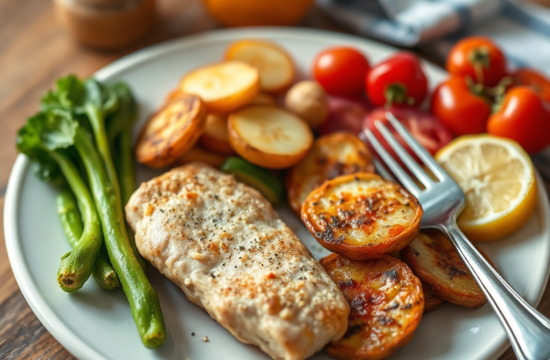
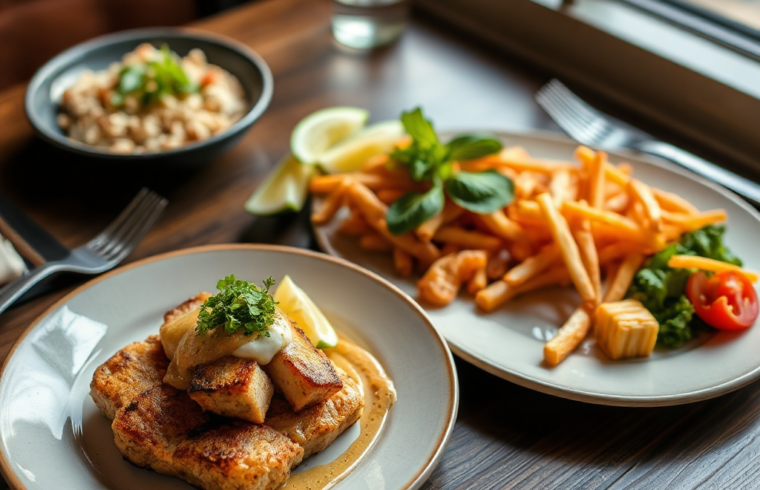
A practical plate might contain grilled salmon, vegetables, and a small potato. A comparable fried fish basket may contain the same broad food category but add breading, frying oil, fries, and tartar sauce. The first option is usually easier to adjust and monitor; the second can still fit occasionally, but it requires more deliberate portion choices. Readers using restaurant meal planning should prioritize controllability over labels such as “fresh” or “healthy.”
Reliable Orders Across Common Restaurant Types
Grilled protein plates are among the most adaptable restaurant orders because the main item, vegetable side, and starch can often be changed separately. At a casual American restaurant, grilled chicken or fish with vegetables and a baked potato is usually easier to manage than a burger with bacon, cheese, and fries. If a burger is what you want, keeping the burger and choosing fruit or a side salad instead of fries may be more realistic than ordering a small entrée that leaves you unsatisfied.
At Mexican restaurants, fajitas can work well because the meat and vegetables arrive separately from tortillas, sour cream, cheese, rice, and beans. You can use one or two tortillas, emphasize the meat and peppers, and decide whether the toppings are worth their contribution. A burrito is less adjustable once rice, beans, cheese, meat, and sauces are wrapped together. A bowl can offer similar flavors with more control, but a bowl is not automatically lighter if it includes generous servings of rice, queso, sour cream, and guacamole.
Japanese restaurants offer several useful choices, including sashimi, simple sushi rolls, grilled fish, edamame, and miso soup. Rolls with tempura, spicy mayonnaise, cream cheese, or sweet sauces are more energy-dense than basic rolls, though they may still fit when the total order is moderate. Sushi also deserves a portion reminder: small individual pieces can accumulate quickly, especially when paired with appetizers and sweet beverages.
Mediterranean and Middle Eastern menus commonly provide grilled chicken, kebabs, lentil soup, tabbouleh, hummus, vegetables, and rice. These meals can supply protein and fiber, but oil-rich dips and oversized flatbread portions change the balance. Choose the components you most want rather than accepting every side by default. At a sandwich shop, a turkey or chicken sandwich with vegetables can be workable; creamy spreads, large bread, chips, and a sweet drink may matter more than the deli meat itself.
For Chinese, Thai, or Indian food, look for steamed, roasted, tandoori, stir-fried with modest oil, or broth-based dishes. Sauces can be requested on the side when the kitchen allows it. A vegetable-and-protein stir-fry with some rice is more adjustable than battered sweet-and-sour chicken, but restaurant portions still vary. The right choice depends on what you can stop eating comfortably, not on whether a cuisine has a reputation for being healthy.
Portion, Sauce, and Side Decisions That Matter Most
Restaurant portions frequently exceed the amount a person intended to eat, so portion strategy can matter more than selecting between two similar entrées. You can ask for a half portion, share an entrée, box part of it before eating, or order an appetizer-sized protein with vegetables. None of these methods is mandatory; the best option is the one that prevents automatic eating after fullness arrives.
Sauces, dressings, butter, cheese, and oil are easy to underestimate because they may be added during cooking or poured over the finished dish. Requesting a creamy dressing on the side lets you control how much reaches the salad. With pasta, asking for marinara instead of cream sauce may reduce richness, but the serving of noodles can still be large. With steak, a leaner cut and vegetables may be useful, while butter-heavy toppings and a large side of fries change the meal substantially.
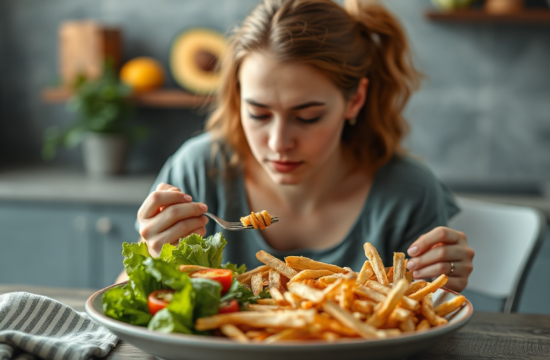
Side dishes deserve the same attention as the entrée. Fries, chips, onion rings, creamy potatoes, and buttery bread can turn a moderate main course into a much larger meal. Better-adjusted alternatives may include vegetables, beans, fruit, a plain baked potato, or a small rice serving. Still, choosing vegetables does not mean you must reject every other side. A satisfying meal may include a modest serving of fries if that choice helps you avoid ordering multiple extras or feeling deprived later.
- Choose the main item: Favor a recognizable protein or bean-based entrée.
- Choose the cooking method: Grilled, baked, steamed, or broth-based preparations are usually easier to estimate.
- Choose one starch or rich add-on: Keep the item you value most and reduce automatic extras.
- Choose the beverage: Water, unsweetened tea, or a zero-calorie drink avoids adding a separate source of energy.
A common mistake is treating a salad as a free pass. Croutons, fried chicken, cheese, nuts, avocado, and dressing can each be reasonable foods, but combining all of them may create a meal that is less predictable than a grilled entrée. The practical test is whether the order has a clear main ingredient, a manageable serving, and add-ons you selected rather than inherited from the menu.
How to Order When the Menu Is Unclear
When a menu gives no nutrition information, use a short decision process instead of trying to produce an exact calorie estimate. First identify the cooking method; then identify the main source of protein; next inspect the starch, sauce, and toppings. This approach works because frying, creamy sauces, cheese, and large starch portions often contribute more uncertainty than the basic food name.
Ask specific questions that a restaurant can answer: Is the fish fried or grilled? Can the dressing come separately? Are the vegetables cooked in butter or oil? Is the rice portion adjustable? Can the sandwich be served without mayonnaise? Clear requests are more useful than saying “make it healthy,” which may mean different things to different kitchens.
Consider a hotel restaurant with a menu listing “chicken bowl” but no details. A sensible order might be grilled chicken, vegetables, rice, and salsa, with creamy sauce on the side. If the chicken arrives breaded and the bowl is covered in dressing, you have learned that the original description was not enough. Eat the portion that feels appropriate, save the rest if safe storage is available, and avoid compensating by skipping meals earlier or later.
Online nutrition information can help when a chain publishes standardized data, but serving sizes and substitutions still deserve attention. A listed entrée may exclude dressing, dipping sauce, beverage, or side items. Independent restaurants may have even wider variation. Use posted information as a comparison tool rather than a guarantee, and see the meal-selection checklist when ordering in a new setting.
Support Your Weight Loss Goals Huge Discount on the Best Certified Organic Nutrient Dense Supplement!
The approach is working when you can enjoy the meal, recognize when you are comfortably satisfied, and return to normal eating afterward. It is failing when a supposedly “light” order leaves you grazing later, or when strict rules lead to an oversized rebound meal. Dietary fit is a pattern across days, not a perfection test applied to one menu.
Restaurant Diet Mistakes and Realistic Expectations
The most common mistake is assuming that a healthy-sounding label describes the entire plate. “Grilled,” “farm fresh,” “veggie,” and “gluten-free” do not specify serving size or added fats. A grilled chicken salad may be a sensible choice, but its dressing and toppings still need a quick check. A vegetarian curry may contain legumes and vegetables while also using substantial coconut milk or oil. These foods can remain part of a diet; the point is to understand the tradeoff.
Another mistake is arriving extremely hungry and making every decision at the table. If possible, review the menu before leaving home and decide which part of the meal matters most: the entrée, dessert, appetizer, or drink. Keeping one intentional indulgence can make the meal more satisfying than trying to remove every richer ingredient. Someone dining out for a birthday may reasonably choose dessert and simplify the entrée; someone grabbing a routine lunch may prefer a lighter main and a more filling side.
Alcohol and sugary drinks also deserve a separate decision because they add little fullness compared with solid food. A drink is not automatically incompatible with a diet, but multiple beverages can make it harder to notice hunger and fullness while adding to the meal. Alternating with water and deciding in advance can reduce accidental extras without turning the occasion into a restriction exercise.
People with diabetes, food allergies, gastrointestinal conditions, kidney disease, or a history of disordered eating may need individualized advice beyond general restaurant guidance. Ingredient cross-contact, sodium, carbohydrate distribution, and medical nutrition needs cannot always be judged from menu wording. A registered dietitian or clinician can help tailor restaurant choices when a health condition makes broad rules insufficient.
Use a flexible dining plan rather than searching for a flawless order. Pick a controllable base, adjust one or two high-impact extras, eat at a comfortable pace, and judge the result by how well it fits your broader routine.
For nutrient comparisons between common ingredients, USDA FoodData Central provides food composition information, while CDC nutrition resources offer general public-health guidance. Restaurant recipes and serving sizes may differ from database entries, so use these resources for context rather than assuming they represent a specific restaurant dish.
Frequently Asked Questions
What is the simplest restaurant order for a diet?
A grilled protein with vegetables and a moderate serving of rice, potatoes, or beans is a practical starting point. Request sauces or dressings separately when possible.
Are salads always a good restaurant choice?
No. Check the dressing, fried toppings, cheese, nuts, and portion size. A salad with grilled protein and dressing on the side is usually easier to adjust than a loaded salad.
Can I eat fries while following a diet?
Yes, if the serving fits your overall intake. Sharing fries, ordering a small portion, or keeping fries while simplifying another rich add-on can be more sustainable than banning them.
Which restaurant cuisines offer the most adjustable meals?
Mexican, Mediterranean, Japanese, and many American restaurants offer separate protein, vegetable, starch, and sauce components. Adjustability depends on the specific menu and preparation.
Should I skip meals before eating at a restaurant?
Usually not. Arriving excessively hungry can make portions and extras harder to manage. A normal earlier meal or snack may support calmer ordering and more deliberate eating.
Conclusion
Restaurant dining fits a diet more easily when you choose meals with visible ingredients and adjustable parts. Build around grilled, baked, steamed, or broth-based foods; then examine sauces, sides, drinks, and serving size rather than trusting menu descriptions. Fajitas, simple sushi, grilled plates, bean-based dishes, and customizable bowls are useful options because you can decide how much starch and richness reaches the plate. A richer meal can still belong in a balanced routine when it is chosen intentionally and followed by normal eating rather than compensation. Before ordering, identify the main protein, one satisfying side, and the add-on you value most. That small amount of planning usually provides more control than chasing an exact number that the restaurant may not be able to verify.
Support Your Weight Loss Goals
HUGE DISCOUNT ON THE BEST CERTIFIED ORGANIC NUTRIENT DENSE SUPPLEMENT!
Related Content
- Why Diets Fail (and How You Can Succeed): The Science Behind Weight Loss
- Why Weight Loss Frustration Is Actually a Good Sign: Your Breakthrough Is Closer Than You Think
- Why Most Diet Plans Are Hard to Maintain: Common Mistakes and Practical Solutions
- Understanding the Paleo Diet: Basics and Benefits
- Tips for Incorporating Mindful Eating into Your Diet
Further Reading
Authoritative Sources
- NIH Office of Dietary Supplements
ods.od.nih.govEvidence-based fact sheets about vitamins, minerals, supplements, and nutrition.
- CDC Nutrition
cdc.govOfficial public-health nutrition guidance and data.
- USDA FoodData Central
fdc.nal.usda.govOfficial food composition and nutrient data.
- MedlinePlus Health Information
medlineplus.govConsumer health information from the U.S. National Library of Medicine.