People with thyroid disease should treat dieting as a nutrition and medication-management issue, not simply a calorie-cutting exercise. Thyroid hormone levels, prescribed treatment, meal timing, iodine intake, fiber, and calorie restriction can all affect energy, appetite, digestion, and body-weight changes. Take thyroid medication exactly as prescribed and ask a clinician or pharmacist how food, coffee, calcium, iron, and supplements may affect its timing. Favor a moderate calorie deficit built around protein, vegetables, fruit, whole grains, legumes, and minimally processed foods rather than a severe elimination plan. Persistent fatigue, unexpected weight changes, palpitations, or worsening symptoms warrant medical review instead of a stricter diet.
Why Thyroid Status Changes the Dieting Equation
Thyroid disease can alter the way dieting feels and how body-weight changes should be interpreted. In hypothyroidism, inadequate thyroid hormone activity may be associated with fatigue, constipation, fluid retention, and a lower energy expenditure. Treating the underlying condition may improve some of those issues, but it does not guarantee a particular body size or make calorie balance irrelevant. Hyperthyroidism creates a different concern: increased appetite, unintended weight reduction, heat intolerance, and muscle loss may signal excessive thyroid activity rather than successful dieting.
That distinction matters before changing food intake. A person whose thyroid replacement dose is not yet stable may mistake untreated symptoms for a lack of discipline. Conversely, someone losing weight rapidly while eating normally should not assume the result reflects an effective plan. Weight, waist measurements, appetite, bowel habits, sleep, and energy are useful context, but they cannot replace thyroid blood tests and clinical assessment.
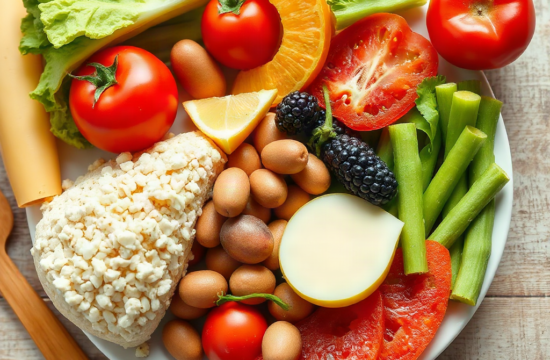
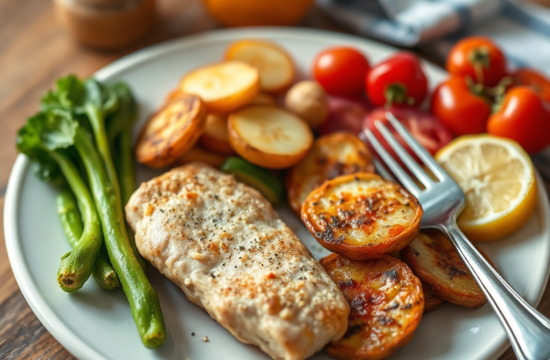
A moderate approach is generally easier to evaluate than an aggressive one. Cutting out several food groups at once can reduce calories, but it also makes it difficult to identify whether fatigue comes from insufficient energy, low iron intake, poor sleep, medication timing, or thyroid status. A steadier pattern might include oats with berries and yogurt or a suitable alternative at breakfast, a bean-and-vegetable lunch with whole-grain bread, and fish, tofu, poultry, or another protein source with potatoes and vegetables at dinner. The example is not a prescription; it shows how ordinary foods can create structure without extreme rules.
Readers comparing plans should be cautious with claims that a single diet “fixes” thyroid disease. Gluten-free, dairy-free, raw, and very-low-carbohydrate diets may be appropriate for particular medical or personal reasons, but routine elimination is not automatically required for thyroid conditions. The most useful first step is to establish whether the thyroid condition is controlled, then adjust portions and food quality in a way that preserves nourishment and can be maintained.
Medication Timing, Supplements, And Meal Spacing
Medication routine can matter as much as the menu. Many people taking levothyroxine are instructed to take it consistently on an empty stomach, although the exact schedule should follow the prescriber’s directions. Food, coffee, calcium, iron, and some antacid products may interfere with medicine handling in the digestive tract when taken too close together. The practical issue is not that a particular breakfast is universally harmful; it is that changing from a consistent routine to an unpredictable one may change the amount of medication absorbed.
A useful medication audit includes the product name, dose, time taken, breakfast and coffee timing, use of calcium or iron, and any new fiber product or supplement. A pharmacist can help identify spacing requirements. For example, a person who takes thyroid medicine with coffee on some mornings and with a high-fiber smoothie on others may experience more variable treatment than someone who follows one clinician-approved schedule daily. Do not change the dose to compensate for a dieting plateau.
Supplements deserve particular skepticism. “Thyroid support” products may contain iodine, kelp, stimulants, or thyroid-related ingredients whose amounts and effects are not always obvious from marketing language. Iodine is necessary for thyroid hormone production, but more is not automatically better, and excess iodine can be problematic for some thyroid disorders. Selenium is another nutrient involved in thyroid biology, yet high-dose supplementation is not a harmless substitute for diagnosis or treatment. NIH supplement fact sheets can help readers examine evidence and upper-limit concerns, but personal advice belongs with a clinician.
Diet changes can also alter medication routines indirectly. A fasting schedule may conflict with an empty-stomach prescription routine, while a large increase in bran, legumes, or fiber powder may require discussion if treatment markers change. Keep the eating pattern, medication timing, and supplement list stable long enough for a clinician to interpret follow-up results. The common mistake is to attribute every fluctuation to carbohydrates or “slow metabolism” before checking adherence, timing, laboratory monitoring, and other causes.
For related planning, readers may also find the site’s thyroid dieting considerations useful when reviewing a proposed routine.
Nutrients And Foods Worth Prioritizing
A thyroid-conscious diet is usually built from adequate protein, varied produce, whole-food carbohydrate sources, and appropriate dietary fat rather than from a forbidden-food list. Protein from eggs, fish, poultry, tofu, tempeh, beans, lentils, or dairy foods can make meals more filling and help protect lean tissue during calorie reduction. Vegetables and fruit supply fiber and micronutrients, while foods such as oats, potatoes, brown rice, and beans can provide carbohydrate without requiring heavily sweetened products.
Several nutrients deserve attention, but the goal is adequacy rather than megadoses. Iodine comes from sources such as iodized salt, seafood, dairy, and eggs, with amounts varying by product and eating pattern. Selenium is found in seafood, meat, eggs, dairy, beans, and some nuts. Zinc and iron occur in meat and seafood as well as beans, lentils, tofu, and fortified foods. People eating little or no animal food, menstruating heavily, pregnant, or following a highly restricted menu may need individualized assessment rather than guesswork.
Cruciferous vegetables, including broccoli, cabbage, and kale, are often singled out in thyroid discussions. Normal portions as part of a varied diet are not the same as consuming concentrated amounts of raw cruciferous juice or supplements. Cooking, portion size, overall iodine status, and the specific thyroid condition all affect the context. Avoiding nutritious vegetables without a clear reason can make a diet less varied and harder to sustain.
Food quality does not override total intake. Nuts, olive oil, avocado, cheese, and granola can fit a balanced plan, but their concentrated calories may slow progress when portions are unmeasured. A practical plate might pair half vegetables, a quarter protein, and a quarter starch, then add a modest amount of fat. Someone with high appetite may benefit from soups, potatoes, fruit, beans, and lean protein for volume; someone struggling with low appetite or unintended loss may need more energy-dense foods. The best arrangement depends on the direction of weight change and medical context.
Use reliable food-composition information, such as USDA FoodData Central, when a nutrient question is specific. Online lists that label foods as universally “good” or “bad” often ignore portion, preparation, medication schedule, and the difference between a food and a concentrated supplement.
Building A Sustainable Plan And Knowing When To Reassess
A workable plan begins with the medical baseline: diagnosis, current symptoms, prescribed treatment, recent laboratory follow-up, other conditions, and the actual reason for dieting. A person seeking gradual fat loss needs a different intake strategy from someone with hyperthyroidism who is losing weight unintentionally. Pregnancy, diabetes, kidney disease, an eating-disorder history, or major gastrointestinal symptoms further increase the value of individualized care.
Support Your Weight Loss Goals Huge Discount on the Best Certified Organic Nutrient Dense Supplement!
Rather than starting with a severe restriction, change one or two high-impact habits. Measure calorie-dense additions for a short period, replace sugary drinks with unsweetened options if appropriate, include a protein source at meals, and establish predictable meal times. After several weeks, assess trends instead of reacting to one day’s scale reading. Stable energy, manageable hunger, regular bowel function, and gradual changes are more useful signs than rapid loss achieved through exhaustion.
A compact review checklist can prevent the wrong adjustment:
- Medical status: Are thyroid symptoms controlled, and is follow-up testing scheduled as advised?
- Medication routine: Is the prescribed product taken consistently, with known spacing from coffee, calcium, iron, and relevant supplements?
- Food adequacy: Do meals provide protein, fiber, iodine-containing foods when appropriate, and a reasonable range of vitamins and minerals?
- Diet response: Are hunger, energy, digestion, and weight trends moving in an acceptable direction?
- Warning signs: Are palpitations, tremor, severe fatigue, faintness, rapid unexplained weight change, or worsening constipation appearing?
When a plan fails, the answer is not automatically fewer calories. A plateau may reflect inaccurate portions, reduced spontaneous activity from fatigue, fluid shifts, medication inconsistency, or an unrealistic target. Conversely, continuing to lose weight despite adequate intake, or developing racing-heart sensations and marked shakiness, calls for medical contact rather than a higher-calorie “cheat day” or a new supplement. This troubleshooting mindset is safer than treating thyroid disease as a simple dieting obstacle.
The dieting and thyroid reference page can be revisited when symptoms or meal patterns change, while a clinician should handle medication adjustments. Sustainable progress may be slower than an aggressive program promises, but it gives treatment response and nutrition quality a chance to be evaluated separately.
Frequently Asked Questions
Do people with hypothyroidism need a special diet?
Most do not need a universal elimination diet. A varied eating pattern with adequate nutrients, appropriate portions, and consistent medication timing is usually more useful than removing gluten, dairy, or vegetables without a diagnosed reason.
Can iodine supplements improve thyroid function?
Iodine is necessary, but extra iodine may be unhelpful or harmful for some thyroid disorders. Check dietary intake and discuss supplements with a clinician rather than using kelp or high-dose products independently.
Should thyroid medicine be taken with breakfast?
Follow the instructions for the specific prescription. Food, coffee, calcium, iron, and some supplements can affect timing, so consistency and pharmacist-guided spacing are more reliable than copying another person’s routine.
Are cruciferous vegetables off-limits?
Typical servings of cooked broccoli, cabbage, kale, and similar vegetables can fit many diets. Concentrated raw preparations and very large amounts raise a different question, especially when iodine intake or thyroid treatment is already a concern.
Why is weight not changing despite dieting?
Possible contributors include portion estimates, fluid shifts, reduced activity from fatigue, medication timing, untreated thyroid dysfunction, and other health factors. Review the pattern with a clinician before making the diet substantially more restrictive.
Conclusion
Dieting with thyroid disease works best when medical treatment and food choices are considered together. Confirm that the condition is being monitored, keep prescribed medication timing consistent, and avoid turning iodine, selenium, gluten, or cruciferous vegetables into automatic villains. Build meals around adequate protein, produce, useful carbohydrate sources, and portions that match the real goal—gradual fat loss, weight stability, or restoration of unwanted weight loss. Track energy, hunger, digestion, symptoms, and longer-term trends rather than reacting to a single scale reading. If palpitations, severe fatigue, rapid unexplained changes, or worsening symptoms appear, pause the dieting experiment and seek medical advice. A pharmacist, physician, or registered dietitian can help separate a nutrition issue from a thyroid-control issue before further restrictions create new problems.
Support Your Weight Loss Goals
HUGE DISCOUNT ON THE BEST CERTIFIED ORGANIC NUTRIENT DENSE SUPPLEMENT!
Related Content
- Dieting 101: Everything You Need to Know to Start Losing Weight Today
- Breaking the Yo-Yo Diet Cycle Forever
- Lose Weight In An Effective Manner With These Tips
- Eating Your Way to a Better Body: A Comprehensive Nutrition Plan for Optimal Health
- How to Adjust Your Diet for Different Seasons: Key Foods and Nutritional Strategies
Further Reading
Authoritative Sources
- USDA FoodData Central
fdc.nal.usda.govOfficial food composition and nutrient data.
- CDC Nutrition
cdc.govOfficial public-health nutrition guidance and data.
- MedlinePlus Health Information
medlineplus.govConsumer health information from the U.S. National Library of Medicine.
- NIH Office of Dietary Supplements
ods.od.nih.govEvidence-based fact sheets about vitamins, minerals, supplements, and nutrition.