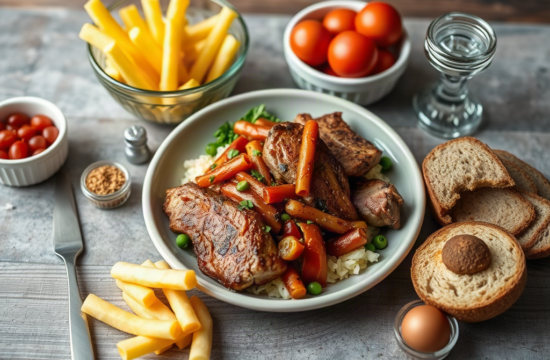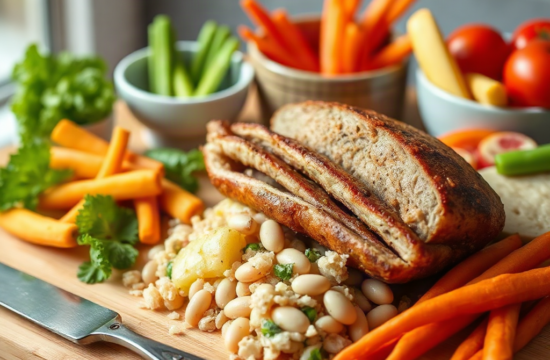
Fasting-mimicking diet meal plan considerations should center on a short, calorie-restricted eating period that limits protein and sugars while supplying mostly plant-based fats, complex carbohydrates, fluids, and essential micronutrients. Food quantity, macronutrient balance, hydration, medication use, and the transition back to normal meals all affect tolerability and safety. A homemade menu should not be assumed to reproduce a clinically studied commercial protocol simply because it is low in calories. Pregnant or breastfeeding people, children, underweight adults, people with eating-disorder histories, and anyone managing diabetes or another medical condition should avoid attempting the approach without individualized medical guidance.
What a Fasting-Mimicking Menu Is Designed to Do
A fasting-mimicking diet uses a temporary reduction in energy and selected nutrients while allowing small meals. Its purpose is to create some of the metabolic conditions associated with fasting without requiring complete food abstinence. Published research has generally examined defined, multi-day protocols rather than an unrestricted category of low-calorie menus. That distinction matters: eating very little for several days is not automatically equivalent to following the formulation used in a study.
Protein, carbohydrate, and total energy influence signals related to nutrient availability. A typical fasting-mimicking format therefore emphasizes plant foods, unsaturated fats, and modest portions while limiting protein and rapidly absorbed sugars. Nuts, seeds, olives, avocado, vegetable soups, and carefully measured whole-food carbohydrates may fit that pattern. These foods still contain calories, however, so an unmeasured handful of nuts or several tablespoons of oil can substantially change the intended intake.
The approach differs from time-restricted eating. A person following a daily eating window may consume their usual nutritional needs within eight or ten hours, whereas a fasting-mimicking cycle deliberately restricts intake for consecutive days. It also differs from a water-only fast because food, sodium, and some micronutrients remain available. Someone seeking a sustainable daily schedule may find time-restricted eating less disruptive; someone considering a fasting-mimicking cycle must account for the greater short-term restriction and the possibility of dizziness, headaches, fatigue, or medication-related complications.
A common mistake is treating the method as a rapid fat-loss menu. Body weight may fall during a restricted cycle partly because glycogen and its associated water decline and less food remains in the digestive tract. Some weight can return after normal carbohydrate and fluid intake resumes. Repeating cycles aggressively to preserve the lowest scale reading can turn a structured short intervention into chronic under-fueling.
Before selecting foods, clarify the objective and its limits. The method should not be presented as a cure, detoxification requirement, or substitute for medical treatment. Evidence about specific long-term health outcomes remains developing, and results from controlled protocols cannot be freely extended to every homemade version. Readers comparing Fasting-mimicking diet meal plan considerations should first distinguish the investigated protocol from a loosely inspired low-calorie menu.
Food Composition, Portions, and Nutrient Coverage
Meal composition determines whether a restricted menu remains coherent or becomes a collection of snacks. Vegetables can provide volume, potassium, folate, vitamin C, and fiber without concentrating calories. Plant fats make small servings more satisfying, while measured portions of legumes, grains, or starchy vegetables can supply carbohydrate. Protein is commonly limited in fasting-mimicking protocols, but deliberately driving it toward zero is neither necessary nor automatically safer.
A practical day might use a vegetable soup containing zucchini, mushrooms, tomato, leafy greens, and a measured amount of olive oil; a small serving of olives or nuts; and another vegetable-based meal with a modest portion of beans or whole grain. This is an illustration of meal construction, not a validated prescription. Exact amounts cannot be safely inferred from food names alone because energy needs, body size, health status, and protocol design differ.
Whole foods offer texture and ingredient transparency, but they make precise replication difficult. Commercial fasting-mimicking programs may define daily calories, nutrient ratios, supplements, and day-to-day changes. A homemade version can unintentionally contain much more protein, sodium, or energy than intended—or too little of nutrients and fluid needed for tolerability. Packaged soup is a clear example: one product may be relatively low in protein and another may contain substantial lentils, pasta, sodium, or added sugar. Reading the serving size and full label is more useful than relying on the word “vegetable.”
Use a compact meal check before beginning:
- Measure concentrated foods: oils, nut butter, nuts, seeds, avocado, and dried fruit are easy to underestimate.
- Review protein sources: beans, lentils, soy foods, grains, and nuts all contribute, even on a plant-based menu.
- Check added sugars: sweetened drinks, bars, sauces, and flavored plant milks can deliver rapidly absorbed carbohydrate.
- Plan fluids and sodium: needs vary, and indiscriminately forcing water or eliminating salt may create problems.
- Avoid new supplements: concentrated potassium, herbal products, and glucose-lowering ingredients can interact with health conditions or medicines.
The menu is failing operationally if hunger becomes unmanageable, food portions drift upward without awareness, or symptoms make routine tasks unsafe. It may be functioning as planned if portions remain consistent, fluids are tolerated, and ordinary activities can be completed without concerning symptoms. Tolerability does not prove that a homemade version produces a particular biological effect. For a less restrictive alternative, a balanced plant-forward pattern with adequate protein and a modest energy deficit is easier to sustain and has fewer short-term constraints.
Safety Screening and Signs to Stop
Medical suitability should be decided before groceries are purchased. Calorie restriction can alter blood glucose, blood pressure, fluid balance, bowel habits, and the way medication effects are experienced. The risk is not limited to people who feel ill; a person taking insulin, a sulfonylurea, a diuretic, or certain blood-pressure medicines may need clinical assessment even when their condition appears stable.
People who are pregnant or breastfeeding, still growing, underweight, frail, recovering from surgery, or living with an active or past eating disorder generally should not attempt a fasting-mimicking cycle without specialized guidance—and the appropriate answer may be not to attempt it at all. Kidney, liver, cardiovascular, gastrointestinal, and endocrine conditions can also change what is safe. Diabetes deserves particular caution because reducing food while leaving glucose-lowering medication unchanged can cause dangerous hypoglycemia.
Consider a real-world scenario: an adult schedules the cycle during a demanding workweek, continues strenuous training, and assumes coffee will compensate for reduced energy. Poor concentration and lightheadedness then appear during a commute. Moving the cycle to quieter days might reduce practical strain, but it would not resolve an underlying medical or medication risk. Scheduling is a secondary control, not a substitute for screening.
Support Your Weight Loss Goals Huge Discount on the Best Certified Organic Nutrient Dense Supplement!
Mild hunger or a temporary change in energy may occur, but severe or escalating symptoms should not be normalized as proof that fasting is “working.” Stop the restriction and seek appropriate medical help for fainting, confusion, chest pain, persistent vomiting, severe weakness, trouble breathing, or symptoms of marked low blood sugar. A person with diabetes should follow their established hypoglycemia plan and clinical instructions rather than relying on general internet advice. Persistent dizziness, inability to keep fluids down, or symptoms that interfere with safe driving also warrant prompt attention.
Another failure mode is continuing solely because meals were purchased in advance. Sunk cost does not make symptoms safe. A written stop plan should identify whom to contact, what regular foods are available, and which activities will be postponed if concentration or coordination declines. Anyone seeking personalized Fasting-mimicking diet meal plan considerations should give a clinician or registered dietitian the complete ingredient list, supplement list, planned duration, and medication schedule—not merely say they intend to fast.
Planning the Eating Window and Return to Regular Meals
Timing affects both adherence and risk exposure. A restricted cycle is poorly matched to travel, endurance events, physically hazardous work, major examinations, illness, or periods when meals cannot be prepared reliably. Choosing lower-demand days can reduce avoidable problems, although it cannot make an unsuitable diet medically appropriate. Normal sleep, ready access to fluids, and a plan for unexpected symptoms deserve more attention than finding an ideal clock time for each snack.
Divide the available food in a way that supports predictable functioning. Some people tolerate two small meals; others prefer several smaller portions. Consuming nearly everything early may leave a difficult evening, while saving most food for night can impair daytime concentration. The best arrangement is the one that remains within the intended protocol and does not conflict with medication instructions. Medicines labeled to be taken with food may require more than a token amount, so timing changes should be cleared with a pharmacist or prescriber.
The return to ordinary eating is part of the plan rather than an afterthought. After a short restricted period, begin with moderate portions and familiar foods instead of a large celebratory meal. Soup, cooked vegetables, oatmeal, rice, fruit, yogurt if tolerated, eggs, tofu, or a modest serving of fish are examples of foods that can be assembled into manageable meals. Individual choices should reflect dietary needs and any clinical restrictions. Eating rapidly, adding substantial alcohol, or combining a very large meal with rich fried foods may cause gastrointestinal discomfort and undermine awareness of fullness.
A sensible transition restores nutritional adequacy, including sufficient protein and overall energy. Continuing to suppress protein or calories beyond the defined period increases the likelihood that a temporary intervention becomes ongoing restriction. People who train should not assume that feeling lighter means they are fully recovered; hydration, glycogen availability, and normal meal intake influence performance. Resume demanding exercise progressively rather than testing maximal effort immediately.
Evaluate the experience using more than scale weight. Note whether sleep, mood, concentration, digestion, medication readings, and normal responsibilities remained stable. Recurrent binges after each cycle, anxiety about resuming food, compulsive repetition, or declining exercise capacity are signs that the approach is not serving its intended purpose. A conventional eating pattern may be the better choice when it provides adequate nutrition with less disruption. Reviewing Fasting-mimicking diet meal plan considerations with a qualified professional can help separate realistic goals from claims that a restrictive cycle cannot reliably deliver.
Frequently Asked Questions
How long does a fasting-mimicking diet usually last?
Studied programs commonly use a defined multi-day cycle, but duration and composition vary by protocol. Extending a cycle independently increases under-fueling and medical risks rather than guaranteeing a stronger effect.
Can coffee be included?
That depends on the specific protocol. Plain coffee contributes few calories, but caffeine may worsen shakiness, reflux, headaches, or sleep disruption when food intake is low. Sweeteners and creamers also change the menu.
Is a homemade fasting-mimicking menu equivalent to a commercial program?
No. A homemade menu may resemble the food pattern, but it cannot be assumed to match a tested product's calories, nutrient ratios, micronutrients, or day-by-day formulation.
Can exercise continue during the restricted days?
Light activity may be tolerable for some healthy adults, but strenuous or hazardous exercise adds risk when energy and carbohydrate availability are reduced. Stop if dizziness, weakness, or poor coordination develops.
How often should fasting-mimicking cycles be repeated?
There is no universally appropriate frequency. Health status, medications, nutritional adequacy, goals, and the exact protocol matter, so repetition should not be based on marketing schedules or short-term scale changes alone.
Conclusion
A workable fasting-mimicking menu needs defined portions, an evidence-aware understanding of the chosen protocol, and a firm boundary between short-term restriction and habitual under-eating. Prioritize medical screening before adjusting food, especially when diabetes, prescription medicines, pregnancy, low body weight, or an eating-disorder history is involved. If proceeding is appropriate, measure concentrated foods, check labels, schedule the cycle away from demanding obligations, and decide in advance which symptoms will end it. Plan moderate, nutritionally complete meals for the return to regular eating rather than treating the final day as permission to overeat. If the method causes unsafe symptoms, rebound eating, persistent anxiety, or repeated interference with daily life, a balanced plant-forward eating pattern is likely a more practical direction.
Support Your Weight Loss Goals
HUGE DISCOUNT ON THE BEST CERTIFIED ORGANIC NUTRIENT DENSE SUPPLEMENT!
Related Content
- How to Use Waist Measurements Alongside Scale Weight: Timing, Technique, And Progress Signals
- Dieting 101: The Basics of Healthy Eating for Weight Loss
- The Best Dieting Tips for Long-Term Success
- How to Read Nutrition Labels Effectively: Key Components and Common Mistakes
- How to Stop Late Night Snacking: 7 Effective Tips for 2025