Low calorie drinks can support natural weight loss when they replace higher-calorie beverages, improve hydration, and fit into an eating pattern that maintains a modest energy deficit. Water, unsweetened tea, black coffee, sparkling water, and lightly flavored water are practical choices, while milk-based drinks require closer attention to portions. Check serving size, added sugars, caffeine, and ingredients that may trigger digestive discomfort or increased appetite. Drinks do not burn meaningful amounts of body fat on their own, so prioritize beverages that reduce liquid calories without creating hunger, disrupting sleep, or encouraging compensation with extra food.
How Do Low Calorie Drinks Affect Weight Loss?
Liquid calories are easy to consume quickly and may be less filling than calories from solid food. A sweetened coffee, large juice, sports drink, or regular soda can add substantial energy without replacing much of the next meal. Swapping one of those drinks for water or another low-calorie option may reduce daily intake without requiring a smaller plate at lunch or dinner.
The useful mechanism is substitution, not fat burning. A zero-calorie sparkling water may support weight management when it replaces soda, but adding it alongside the same soda changes nothing meaningful. Likewise, tea does not cancel the calories in pastries, and lemon water does not detoxify body fat. The outcome depends on what the drink replaces and whether the change is sustained.
Hydration can still matter for practical reasons. Thirst may sometimes be mistaken for a desire to snack, particularly during warm weather, exercise, or long stretches of concentrated work. Drinking water before deciding whether to eat gives the body time to distinguish thirst from hunger. Water also supports normal physiological functions, but drinking excessive amounts does not accelerate weight loss and can be unsafe.
Satiety varies by beverage. Plain water creates temporary stomach volume but supplies no protein, fiber, or fat. A measured serving of low-fat milk or an unsweetened fortified soy beverage contains calories, yet its protein may make it more satisfying than juice or sweetened coffee. That distinction matters when the drink functions as part of breakfast rather than simple hydration. A person who drinks a small latte with a balanced meal may fare better than someone who chooses only black coffee, becomes very hungry, and buys a pastry two hours later.
A common failure mode is compensatory eating. People sometimes treat a low-calorie beverage choice as permission to increase portions elsewhere. Another is expecting rapid scale changes from a single swap. Early weight fluctuations reflect hydration, sodium, digestion, and other factors, so evaluate the habit over several weeks. Signs that the approach is useful include fewer beverage calories, stable energy, manageable hunger, and a routine that does not feel punitive.
Which Drinks Work Best for Everyday Use?
Plain water is the most reliable default because it is inexpensive, widely available, caffeine-free, and calorie-free. Cold water, room-temperature water, or water served with ice all provide the same central benefit. Temperature should be chosen for comfort rather than claims that one form produces meaningful extra calorie burning.
Unsweetened sparkling water offers carbonation without the sugar found in regular soft drinks. It can be especially useful for someone who misses the sensory experience of opening a cold, fizzy beverage with a meal. Check the ingredient list, because tonic water, sweetened seltzer, and sparkling juice are not equivalent to plain carbonated water. People troubled by bloating or reflux may find still water more comfortable.
Tea and coffee can also fit, provided additions are controlled. Black, green, oolong, and herbal teas are generally very low in calories when brewed without sugar, honey, cream, or syrups. Plain coffee follows the same principle. Caffeine may temporarily affect alertness and appetite, but it should not be treated as a dependable weight-loss agent. Large or late servings may interfere with sleep, and poor sleep can make appetite management more difficult. Decaffeinated coffee or caffeine-free herbal tea is a more suitable evening choice.
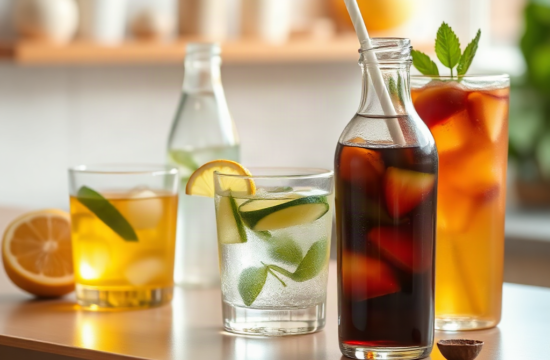
Flavored water can bridge the gap for people who dislike plain water. Citrus slices, cucumber, mint, or a small amount of crushed fruit add aroma and flavor without turning the drink into a glass of juice. Fruit-infused water does not acquire all the fiber and nutrients of whole fruit, however. Eat the fruit when nourishment and fullness are the goal.
Calorie-containing drinks require a use-based decision rather than automatic rejection. Unsweetened dairy milk and fortified soy beverages can contribute protein and micronutrients, but pouring without measuring may turn several small servings into a significant calorie source. Broth can be relatively light but may contain considerable sodium. Kombucha, coconut water, smoothies, and vegetable juices vary widely, so their healthy image does not establish that they are low in calories.
Match the beverage to the moment: use water for routine thirst, unsweetened tea or coffee when a flavorful hot drink is wanted, and a measured protein-containing drink when it is intentionally part of a meal. That approach is more dependable than searching for a single “best” drink for every situation.
Reading Labels and Avoiding Hidden Calories
The front of a bottle can create a misleading impression, while the nutrition label reveals whether the drink suits the intended role. Terms such as natural, vitamin-enhanced, organic, lightly sweetened, or made with real fruit do not guarantee a low-calorie product. Begin with serving size and servings per container, then compare calories and added sugars for the amount you will actually drink.
A bottle labeled as two servings illustrates the problem. If the printed calories apply to half the bottle but the entire container is consumed, the full amount must be counted. Coffee-shop drinks are harder to judge because milk, whipped toppings, flavored cold foam, and syrup pumps may not be visible. Ordering a smaller size, choosing unsweetened flavoring, or asking for fewer additions provides more control without requiring plain coffee.
| Drink Type | What to Check | Practical Use |
|---|---|---|
| Plain or sparkling water | Added sweeteners and sodium if relevant | Default hydration |
| Tea or coffee | Sugar, syrups, cream, and caffeine timing | Flavorful low-calorie option |
| Diet beverage | Sweeteners, caffeine, and personal tolerance | Possible replacement for regular soda |
| Milk or plant beverage | Portion, protein, added sugar, and fortification | Intentional part of a meal |
| Juice or smoothie | Total portion and whether whole fruit is displaced | Limited, planned serving rather than routine hydration |
Non-nutritive sweeteners can reduce calories when they replace sugar, but responses differ. Some people use a diet soda as a successful step away from regular soda. Others find intense sweetness keeps sweet drinks central to the day or causes digestive discomfort, depending on the ingredients and amount. Evidence does not justify treating artificially sweetened drinks as a guaranteed weight-loss tool. Their value is practical and conditional: do they lower total intake without increasing cravings or displacing water?
“Zero sugar” also does not always mean zero calories, and “no added sugar” does not mean the drink contains no naturally occurring sugar. Juice can carry substantial natural sugar even without added sweeteners. Smoothies may include nutritious ingredients, but blended fruit, nut butter, yogurt, and sweeteners can create the energy content of a meal while being consumed as a side drink.
Use a compact label check before buying: confirm the portion you will drink, identify added sugars, review caffeine, and decide whether the beverage is hydration, a snack, or part of a meal. If its role is unclear, it is easier to consume calories without accounting for them.
Support Your Weight Loss Goals Huge Discount on the Best Certified Organic Nutrient Dense Supplement!
How Can You Build a Realistic Drink Routine?
A workable routine changes the highest-impact drinks first instead of banning every enjoyable beverage. Record beverages for three typical days, including preparation details and approximate portions. This short audit often shows whether the main issue is sweetened coffee, soda at dinner, juice at breakfast, alcohol on weekends, or frequent unmeasured milk additions.
Choose the easiest frequent replacement. Someone drinking two regular sodas daily might first replace the afternoon serving with sparkling water while leaving the dinner serving unchanged. Once that feels normal, the second serving can be reduced, downsized, or reserved for selected occasions. A gradual approach may be more sustainable than replacing every familiar drink overnight and feeling deprived.
- Set a default: Keep water readily available at work, in the car, and with meals.
- Preserve a preferred feature: Replace fizz with fizz, a hot drink with unsweetened tea, or fruit flavor with infused water.
- Control additions: Measure creamer or milk for several days rather than estimating.
- Protect sleep: Move caffeinated drinks earlier if they delay bedtime or reduce sleep quality.
- Review the result: Check beverage calories, hunger, digestion, energy, and adherence after two or three weeks.
Context changes the best choice. During extended exercise or heavy sweating, fluid and electrolyte needs may differ from those of an ordinary desk-work day; a qualified health or sports nutrition professional can help when needs are complex. People with kidney, heart, endocrine, swallowing, or fluid-balance conditions should follow individualized medical advice rather than general hydration targets. Pregnancy, medication use, and caffeine sensitivity can also affect appropriate choices.
Alcohol deserves separate attention because it supplies calories, can weaken food decisions, and is often mixed with sugary beverages. A lower-calorie mixer does not remove the alcohol or its risks. If alcohol is consumed, frequency and serving size usually matter more than finding a drink marketed as light.
The routine is failing if low-calorie drinks cause persistent bloating, headaches from abrupt caffeine changes, sleep disruption, or stronger cravings that lead to extra eating. Adjust the specific feature causing trouble rather than abandoning the whole plan. Switch carbonation to still water, taper caffeine, dilute a strongly flavored drink, or choose a modest serving of a satisfying beverage with a meal. Success looks less like perfect beverage choices and more like a repeatable pattern in which most thirst is handled without unplanned calories.
Conclusion
Choose drinks according to the job they need to perform. Water should handle most routine thirst, while unsweetened tea, coffee, or sparkling water can provide variety. Milk-based beverages, smoothies, juice, and specialty coffees require deliberate portions because they can function more like snacks or meals than hydration.
Start by identifying the beverage that contributes the most avoidable calories and replace it with an option that preserves a feature you enjoy, such as carbonation, warmth, or fruit aroma. Read labels by the portion actually consumed, monitor caffeine and sleep, and reassess hunger and digestion after a few weeks. A useful beverage pattern quietly lowers unplanned intake and remains easy to repeat; it does not depend on detox claims, fat-burning promises, or constant restraint.
Frequently Asked Questions
Is lemon water effective for losing weight?
Lemon water may help if its flavor encourages water intake or replaces a sugary drink. Lemon itself does not melt fat, and adding generous amounts of honey or sugar can defeat the calorie-saving purpose.
Are zero-calorie diet drinks a good choice?
They can be a useful replacement for sugar-sweetened drinks, but they are not required. Consider caffeine, digestive tolerance, cravings, and whether the drink helps you consume fewer calories consistently.
Can coffee support weight loss?
Plain coffee is low in calories, but any appetite effect from caffeine is variable and usually limited. Syrups, cream, sugar, oversized portions, and sleep disruption can outweigh that advantage.
Are smoothies considered low-calorie drinks?
Not automatically. Fruit, yogurt, milk, nut butter, protein powder, and sweeteners can make a smoothie comparable to a meal. Treat it as food, measure ingredients, and avoid using it as an uncounted side beverage.
How can I make water more appealing without much sugar?
Add citrus peel, cucumber, mint, berries, or unsweetened herbal tea. Chilling the water, using a preferred bottle, or choosing plain sparkling water can also improve appeal without relying on sugar.