A realistic plan for losing 20 pounds uses a modest calorie deficit, protein-rich meals, repeatable activity, and weekly progress checks rather than an aggressive deadline. For many adults, the process takes several months because body weight fluctuates with hydration, sodium, digestion, and hormonal changes even when fat is gradually decreasing. Build meals around vegetables, fruit, whole grains or other high-fiber carbohydrates, lean protein, and measured portions of calorie-dense fats. Add walking and two or more weekly strength sessions while protecting sleep and recovery. If hunger, fatigue, dizziness, or declining performance becomes persistent, ease the deficit and consult a qualified healthcare professional when appropriate.
Choose a Sustainable Timeline and Starting Point
Losing 20 pounds is best treated as a medium-term project rather than a race against a fixed date. A slower approach gives you room to eat satisfying meals, maintain normal responsibilities, train safely, and make adjustments when progress pauses. An aggressive deadline can force a large food restriction that increases hunger and makes social meals, travel, and busy workdays difficult to manage.
The scale does not measure body fat alone. It also reflects water, food moving through the digestive tract, stored carbohydrate, and other short-term changes. A salty restaurant meal may produce a temporary increase, while a lower-carbohydrate day may produce a quick decrease that is mostly water. Menstrual-cycle changes can create additional fluctuations. These shifts can obscure fat loss for days, so no single morning weigh-in should determine whether the plan is working.
Begin by recording one or two weeks of ordinary eating, activity, sleep, and morning weight without trying to create a perfect week. This establishes a usable baseline. Note recurring sources of excess energy, such as sweetened drinks, large restaurant portions, frequent alcohol, grazing while cooking, or unmeasured oils. The purpose is not to document every crumb indefinitely; it is to identify changes large enough to matter and realistic enough to repeat.
A person who regularly buys a pastry and sweetened coffee, for example, may find it easier to change that routine than to overhaul dinner for the whole family. A smaller coffee, a less-sweet drink, and a breakfast containing eggs, fruit, or yogurt may reduce calories while improving fullness. By comparison, skipping breakfast despite strong morning hunger could lead to an oversized lunch and evening snacking.
Set process targets before setting a completion date. Useful targets include preparing lunch on most workdays, walking after dinner, eating protein at each main meal, and maintaining a consistent sleep window. Revisit A realistic plan for losing 20 pounds as a sequence of repeatable weeks, not a demand for uninterrupted scale loss. The first phase is working when routines feel manageable and the longer-term weight trend begins moving down without persistent exhaustion or preoccupation with food.
Create a Calorie Deficit Without Rigid Dieting
A calorie deficit drives fat loss, but the size and design of that deficit determine whether it is livable. Instead of trying to eat as little as possible, remove enough energy to produce a gradual downward trend while preserving meal volume and adequate nutrition. Calorie needs vary with body size, age, activity, medications, and health conditions, so a universal intake target is less useful than a measured starting point followed by adjustments.
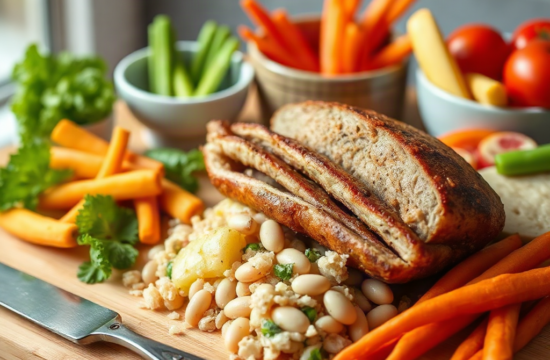
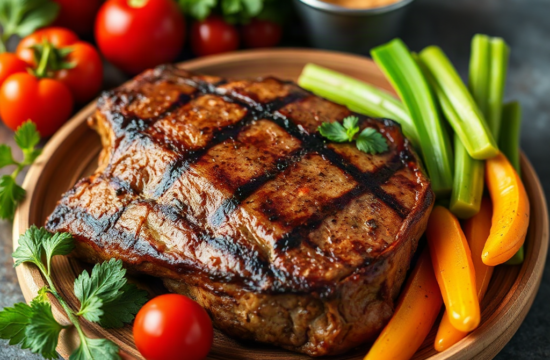
Build most meals from four practical components: a clear protein source, vegetables or fruit, a fiber-rich carbohydrate when desired, and a modest amount of fat. A dinner might combine roasted chicken, a large serving of broccoli, potatoes, and olive oil measured before cooking. Other workable combinations include lentil soup with whole-grain toast and fruit, tofu with mixed vegetables and rice, or fish with beans and salad. Protein and fiber tend to improve fullness, while vegetables and fruit add volume without requiring highly restrictive portions.
Calorie-dense foods deserve attention even when they are nutritious. Nuts, cheese, avocado, dressings, oils, and nut butters can fit the plan, but casual pours and handfuls are easy to underestimate. Measuring these foods temporarily may teach more than weighing lettuce or cucumbers. Highly processed snacks are not automatically forbidden, although packages designed for easy, repeated eating may make portion control harder than a plated serving consumed with a meal.
A compact meal-planning checklist can keep the deficit practical:
- Protein: Include eggs, poultry, fish, Greek yogurt, cottage cheese, tofu, beans, lentils, or another suitable option.
- Produce: Fill a substantial part of the plate with vegetables, fruit, or both.
- Carbohydrate: Choose a portion suited to hunger and activity, such as oats, potatoes, rice, beans, or whole-grain bread.
- Flavor and fat: Use sauces, oils, cheese, or nuts deliberately rather than pouring or grazing.
- Contingency: Keep a quick meal available for late or demanding days.
Rigid food rules commonly fail when they make ordinary life impossible. A planned restaurant meal can be handled by choosing a protein-centered entrée, adding vegetables, and deciding whether the appetizer, alcohol, or dessert matters most rather than automatically having all three. This is more durable than compensating through fasting or punishing exercise the next day. If calorie tracking causes anxiety or obsessive behavior, use consistent plate proportions, repeatable breakfasts, and portion awareness instead. Anyone with a history of an eating disorder should seek individualized professional support rather than pursuing unsupervised restriction.
Use Activity to Preserve Fitness and Support the Deficit
Physical activity supports the plan by increasing energy expenditure, maintaining physical capacity, and giving weight management a purpose beyond making the scale smaller. Food intake usually provides the more controllable side of the deficit, however. Trying to offset frequent high-calorie meals with intense workouts can demand more time and recovery than most schedules allow.
Walking is a useful base because it is accessible, does not usually create heavy recovery demands, and can be divided across the day. Someone with a desk job might take a short walk at lunch and another after dinner rather than searching for one uninterrupted hour. Increasing from a low baseline should happen gradually; doubling daily activity immediately can aggravate foot, knee, or hip discomfort and make the routine short-lived.
Strength training deserves a place alongside walking or other aerobic exercise. During weight loss, the goal is not merely to burn calories during a session but to give muscle a reason to remain. Two or more weekly sessions can cover major movement patterns through exercises such as squats to a chair, hinges, rows, presses, step-ups, and loaded carries. Machines, resistance bands, free weights, and body-weight variations can all work when the movements suit the person’s experience and physical limitations.
A beginner may do better with two full-body sessions and regular walking than with six demanding classes. An experienced exerciser may retain a more advanced program but need to reduce training volume if recovery worsens in a deficit. Exercise calories shown by watches and cardio machines are estimates, not a dependable food allowance. Automatically eating back every displayed calorie can erase much of the intended deficit, while refusing extra food despite long or demanding training can impair recovery.
Use a simple weekly structure: schedule strength sessions first, place moderate cardio or longer walks around them, and keep ordinary movement steady on non-training days. Signs the balance is appropriate include stable or gradually improving strength, manageable soreness, normal daily energy, and no recurring pain. Persistent performance decline, irritability, poor sleep, unusual fatigue, or escalating soreness suggests the combination of restriction and training may be too aggressive.
The activity portion of A realistic plan for losing 20 pounds should fit the life you currently have. Ten-minute walks performed consistently are more useful than an ambitious program abandoned after two weeks. People with cardiovascular symptoms, significant joint problems, pregnancy, or medical restrictions should obtain appropriate clinical guidance before making a substantial change in exercise.
Measure Progress and Adjust the Plan
Progress should be judged from trends and behaviors, not isolated scale readings. Weighing under similar conditions—often after waking and using the bathroom—reduces some noise. Some people prefer several measurements per week and a weekly average; others do better with one scheduled measurement because frequent weighing causes distress. Waist measurements, clothing fit, meal consistency, walking volume, and training performance provide useful supporting information.
Support Your Weight Loss Goals Huge Discount on the Best Certified Organic Nutrient Dense Supplement!
Review results every few weeks rather than reacting daily. If the trend is gradually declining and the routine remains tolerable, keep the plan unchanged. Faster loss is not automatically better, especially when it comes with persistent hunger, reduced concentration, poor sleep, constipation, or declining strength. If the trend is flat, first check whether the observation period included travel, restaurant meals, menstrual changes, or a sharp increase in exercise that may temporarily alter water retention.
When a true plateau persists, audit execution before assuming the body has stopped responding. Weekend drinks, larger portions, cooking oils, bites while preparing food, and reduced daily movement can quietly narrow the deficit. Weight loss itself may also reduce energy needs, and people sometimes move less without noticing when they eat less. A short period of renewed food logging or portion measurement can reveal whether the original structure has drifted.
Make one modest adjustment at a time. Examples include reducing a routine snack that is not relieving hunger, measuring dinner oil, replacing a caloric drink, or adding a manageable walk on several days. Changing food, cardio, meal timing, and strength training simultaneously makes it difficult to identify what worked. Allow enough time for the new pattern to show through normal water fluctuations before modifying it again.
A successful plan is not defined only by reaching exactly 20 pounds. It should also leave you with meals, shopping habits, and activity patterns that can continue when active weight loss ends. As the target approaches, practice maintenance by relaxing the deficit gradually while continuing the same monitoring habits. Returning immediately to former portions and routines can restore the conditions that produced the initial gain.
Seek professional help if weight changes are unexplained, or if the process causes fainting, dizziness, binge eating, severe fatigue, or significant mood changes. A registered dietitian or qualified clinician can also help when diabetes, kidney disease, pregnancy, digestive disease, medication effects, or another medical concern changes what is safe or appropriate. A structured A realistic plan for losing 20 pounds should accommodate health needs rather than override them.
Frequently Asked Questions
How long does it realistically take to lose 20 pounds?
Expect a period of several months rather than a precise number of weeks. Starting size, calorie needs, adherence, health conditions, and normal water fluctuations all affect the timeline.
Do I need to count calories to lose 20 pounds?
No. Tracking can clarify portions, but consistent meal templates, measured calorie-dense ingredients, fewer liquid calories, and attention to hunger may create a deficit without continuous counting.
Why did my weight stop dropping even though I followed the plan?
Short pauses often reflect water retention or digestive changes. If the average remains unchanged for several weeks, review portions, drinks, weekend eating, cooking fats, and daily movement before making a small adjustment.
Can walking alone support a 20-pound loss?
Walking can contribute meaningfully, especially from a low activity baseline, but food intake still matters. Strength training is a useful addition because it helps maintain muscle and functional capacity.
What should I do after losing the 20 pounds?
Keep the core meal and activity routines while gradually increasing food intake toward maintenance. Continue monitoring the weight trend so small regain can be addressed before it becomes substantial.
Conclusion
Start with a normal-week baseline, then change the few foods, drinks, or portions that contribute the most excess energy without improving fullness. Build repeatable meals around protein, produce, fiber-rich carbohydrates, and deliberate portions of fats. Pair that structure with walking, strength work, and enough recovery to preserve daily function.
Review multiweek trends instead of chasing each scale change. If progress stalls, verify portions and activity before making one small adjustment; if energy, mood, or training deteriorates, reduce the pressure rather than forcing a harsher deficit. The most useful next step is to choose one meal change, schedule the coming week’s movement, and define how progress will be measured. Those decisions create a routine that can last through the loss phase and continue into maintenance.
Support Your Weight Loss Goals
HUGE DISCOUNT ON THE BEST CERTIFIED ORGANIC NUTRIENT DENSE SUPPLEMENT!
Related Content
- Breaking Through Weight Loss Fear Barriers
- 10 Best Low Carb Snacks Ideas (2025 Guide to Healthy Choices)
- Why Diets Fail and What You Can Do About It
- Why Diets Fail Due to Lack of Meal Variety: Understanding the Importance of Diverse Food Choices
- How to Identify and Overcome Food Addiction: Signs, Strategies, and Practical Steps