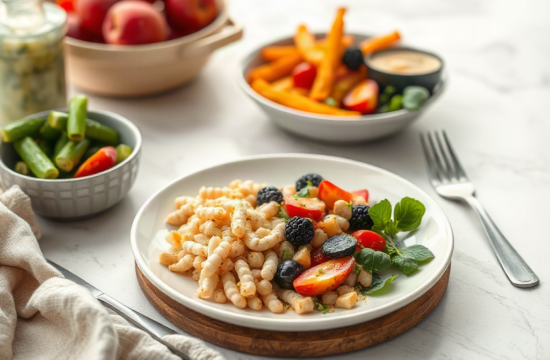
Diets often fail due to a lack of meal variety, which can lead to boredom, nutrient deficiencies, and decreased adherence. When individuals restrict themselves to a limited selection of foods, they miss out on essential nutrients and may become disinterested in their eating plan. Incorporating a wide range of foods not only enhances enjoyment but also supports better health outcomes by providing a balance of vitamins, minerals, and other nutrients necessary for overall well-being.
The Role of Meal Variety in Diet Success
Meal variety plays a crucial role in the success of any diet. When individuals consume a diverse range of foods, they are more likely to meet their nutritional needs and maintain a balanced diet. This variety supports metabolic health and prevents the monotony that often leads to diet abandonment. A diverse diet can also help in preventing nutrient deficiencies, which can occur when individuals limit their food choices to a few items.
Additionally, incorporating various foods can enhance the overall eating experience, making meals more enjoyable and satisfying. This enjoyment is vital for long-term adherence to a dietary plan. When people enjoy their meals, they are less likely to feel deprived, which can reduce the likelihood of binge eating or reverting to unhealthy eating habits.
Common Pitfalls of Limited Food Choices
One of the most significant pitfalls of a limited diet is the risk of nutrient deficiencies. When individuals stick to a narrow selection of foods, they often miss out on essential vitamins and minerals. For instance, diets that exclude fruits and vegetables may lack vital antioxidants, fiber, and other important nutrients that support health.
Moreover, a lack of variety can lead to meal fatigue, where individuals grow tired of their usual meals and lose interest in their dietary plan. This boredom can prompt unhealthy eating behaviors, such as snacking on high-calorie, low-nutrient foods. Understanding these pitfalls is essential for anyone looking to maintain a successful dieting strategy.
Strategies for Increasing Meal Variety
To enhance meal variety, individuals can explore several strategies. First, experimenting with new recipes and cooking techniques can introduce different flavors and textures into meals. This exploration can reignite interest in cooking and eating healthy meals.
Second, incorporating seasonal produce can naturally diversify the diet. Seasonal fruits and vegetables often taste better and are more affordable, making it easier to include them in daily meals. Additionally, trying foods from different cuisines can provide a broader range of flavors and nutrients.
Lastly, planning meals ahead of time and creating a shopping list that includes various food groups can help ensure that meals remain diverse and interesting. By being intentional about food choices, individuals can promote a healthier and more enjoyable eating experience.
Real-World Examples of Successful Meal Variety
Many successful dieters have shared their experiences regarding the importance of meal variety. For example, a participant in a weight loss program reported that incorporating a ‘theme night’ each week—such as Taco Tuesday or Italian Night—helped her explore new recipes while keeping her meals exciting.
Another individual mentioned using a meal kit service that offers a range of recipes each week. This not only introduced her to new ingredients but also made meal preparation easier and less time-consuming. Such strategies demonstrate that meal variety can be integrated into daily life without significantly increasing effort or time spent in the kitchen.
Support Your Weight Loss Goals
Huge Discount on the Best Certified Organic Nutrient Dense Supplement!
For those looking to deepen their understanding of the importance of meal variety in dieting, consider exploring reputable sources that discuss nutritional needs and meal planning strategies. Resources from registered dietitians or government health agencies can provide valuable insights into maintaining a balanced diet.
Frequently Asked Questions
What are the benefits of meal variety during dieting?
Meal variety promotes nutritional balance, prevents boredom, and enhances the overall eating experience, making it easier to stick to a diet.
How can I increase variety in my meals?
Experiment with new recipes, incorporate seasonal produce, and explore different cuisines to add variety to your meals.
What are the risks of a monotonous diet?
A monotonous diet can lead to nutrient deficiencies, meal fatigue, and increased likelihood of unhealthy eating behaviors.
Is it important to include all food groups in my diet?
Yes, including all food groups ensures a balanced intake of essential nutrients necessary for overall health.
Can meal variety improve weight loss success?
Yes, meal variety can enhance satisfaction and adherence to a dietary plan, which is crucial for achieving weight loss goals.