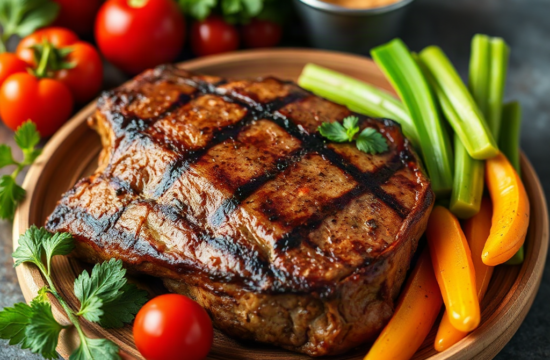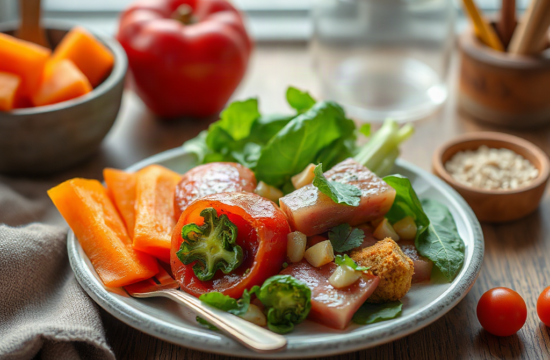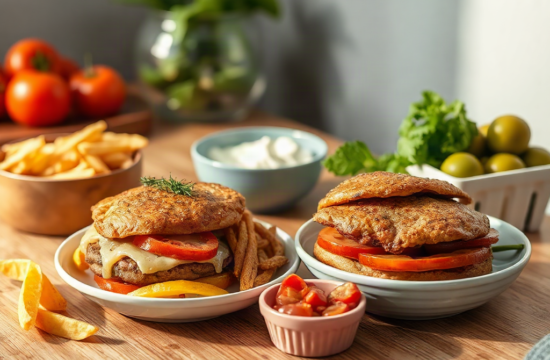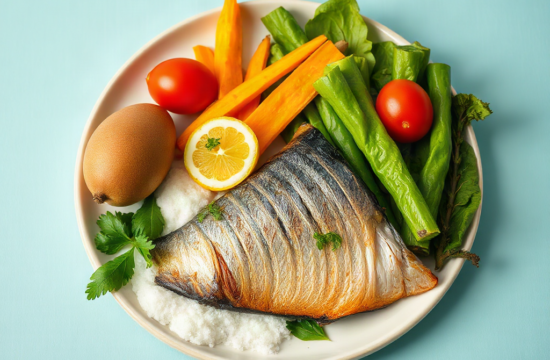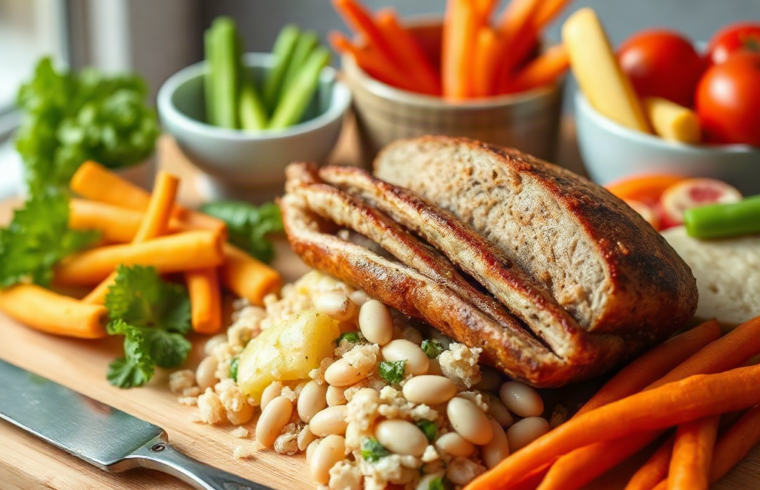
A low-fat diet plan can provide satisfying everyday meals when vegetables, fruit, whole grains, beans, and lean protein supply enough volume, fiber, and substance to replace—not merely remove—higher-fat foods. Build each main meal around a filling protein and fiber-rich carbohydrate, then use modest amounts of unsaturated fat for flavor and nutrient absorption. Examples include oatmeal with berries and yogurt, bean-and-chicken grain bowls, and pasta with vegetables and tomato sauce. Avoid relying on fat-free snack foods, oversized refined-carbohydrate portions, or completely eliminating fat, because those choices can undermine fullness, nutrition, and long-term adherence.
What Makes a Low-Fat Meal Satisfying
Satisfaction depends on what replaces fat after it is reduced. Removing cheese, butter, creamy dressing, or fatty meat lowers fat, but it may also leave a small, bland meal that does not last until the next eating occasion. A better replacement combines food volume, fiber, protein, texture, and strong seasoning. Lentil soup with whole-grain toast, for example, is usually more substantial than a small plate of undressed lettuce even if both are low in fat.
Protein and fiber deserve first priority. Skinless poultry, fish, beans, lentils, egg whites, tofu, and low-fat dairy can anchor a meal, while vegetables, whole fruit, oats, barley, brown rice, and other whole grains add bulk and slower-digesting carbohydrate. A practical plate can contain roughly half vegetables or fruit, one-quarter lean protein, and one-quarter grains or starchy vegetables. Portions still need to reflect appetite, activity, and individual health needs; the plate pattern is a starting point rather than a rigid prescription.
Low-fat does not need to mean fat-free. Dietary fat contributes flavor, carries fat-soluble vitamins, and provides essential fatty acids. Small portions of olive oil, avocado, seeds, nuts, or oily fish can fit when the goal is to limit total fat or saturated fat. Measure concentrated additions rather than pouring freely: a spoonful of dressing changes a meal differently from an unmeasured coating. People following a medically prescribed fat restriction may need different limits and should use their clinician’s instructions.
Cooking technique can preserve pleasure without leaning on large amounts of oil. Roasting vegetables on parchment, grilling chicken, steaming fish with aromatics, and simmering beans in seasoned broth create browning, tenderness, or depth. Acid and spice also matter: lemon, vinegar, mustard, garlic, smoked paprika, fresh herbs, salsa, and ginger deliver contrast that plain fat-free food lacks.
A useful test is whether a meal contains a recognizable protein, a fiber-rich plant food, and enough total food to feel complete. If hunger returns quickly, increase vegetables, beans, whole grains, or lean protein before reaching for highly processed fat-free snacks. The Low-fat diet plan with satisfying everyday meals approach works best when it improves the composition of the plate rather than shrinking it indiscriminately.
How to Build Breakfast, Lunch, and Dinner
Each meal needs a repeatable structure that survives ordinary schedules. Breakfast should pair protein with a fiber source: oatmeal cooked with low-fat milk and topped with berries is more balanced than dry toast alone. Plain low-fat Greek yogurt with fruit and oats is another quick option. If eggs are preferred, combine one whole egg with additional egg whites, vegetables, and whole-grain toast rather than building the meal around sausage and cheese.
Lunch often fails when “light” is mistaken for adequate. A vegetable salad containing no protein or substantial carbohydrate may lead to afternoon grazing. Add chickpeas, tuna packed in water, sliced chicken breast, tofu, or lentils, then include corn, a whole-grain roll, or a modest portion of cooked grain. Dress it with yogurt-based dressing, salsa, or a measured vinaigrette. Soup can work well, but creamy varieties and large amounts of cheese may raise fat quickly; bean, tomato, vegetable, or broth-based chicken soups are easier fits.
Dinner can follow a simple assembly method:
- Choose the anchor: beans, lentils, fish, skinless poultry, tofu, or a lean cut of meat.
- Add two plant components: such as roasted broccoli plus brown rice, or peppers plus black beans.
- Create moisture and flavor: use tomato sauce, broth, citrus, salsa, herbs, or a small measured amount of oil.
- Check the serving: add more vegetables or lean protein if the plate looks sparse instead of filling the gap with dessert or snack foods.
Consider two pasta dinners. A small bowl of plain noodles with fat-free sauce may be low in fat but short on protein and vegetables. A larger mixed dish made with pasta, white beans, mushrooms, spinach, tomato sauce, and herbs offers more volume and staying power. The second meal may contain more calories than the smallest possible serving, yet it is often more practical because it functions as a complete dinner.
Snacks are optional rather than mandatory. When needed, choose a combination such as fruit with low-fat yogurt, air-popped popcorn with a glass of milk, or vegetables with bean dip. Nuts are nutritious but concentrated in fat and energy, so a small portion may suit a moderate low-fat pattern better than eating from the container. Repeating two breakfasts and rotating a few lunch templates is usually more manageable than preparing a novel recipe at every meal.
A Practical Three-Day Menu
A short menu demonstrates how the method works without pretending that one calorie level or portion fits everyone. Increase or reduce grain, protein, and snack portions according to hunger, body size, activity, and any individualized nutrition guidance. Water, unsweetened tea, or coffee can accompany meals; sweetened drinks add energy without much fullness.
Day One
Breakfast is oatmeal made with low-fat milk, blueberries, and cinnamon. Lunch is lentil-vegetable soup with whole-grain toast and an orange. Dinner combines lemon-herb chicken breast, roasted potatoes, green beans, and a spoonful of yogurt-based sauce. If a snack is useful, choose low-fat yogurt with sliced strawberries. The lentils, oats, produce, and potatoes provide fiber and volume, while dairy and chicken distribute protein across the day.
Day Two
Start with whole-grain toast, scrambled egg whites plus one whole egg, and tomatoes. For lunch, fill a whole-wheat wrap with turkey breast or baked tofu, lettuce, cucumber, shredded carrot, and mustard; add an apple. Dinner is a bowl of brown rice, black beans, sautéed peppers and onions, cabbage, salsa, and a small avocado portion. Air-popped popcorn can serve as a snack. The avocado makes the bowl flavorful without requiring sour cream, a heavy cheese layer, or unrestricted oil.
Day Three
Breakfast pairs plain low-fat Greek yogurt with banana and toasted oats. Lunch is a tuna-and-white-bean salad with celery, parsley, lemon, and mixed greens, accompanied by whole-grain crackers. Dinner features baked white fish, barley, peas, and roasted carrots with mustard-herb sauce. For a plant-based version, replace fish with marinated tofu or additional beans. A pear and a small glass of low-fat milk can cover an evening appetite.
These menus are examples, not nutritional treatment plans. Anyone managing gallbladder or pancreatic disease, fat-malabsorption symptoms, diabetes, kidney disease, an eating disorder, pregnancy, or unintended weight change should seek individualized advice. Very active people may need considerably larger carbohydrate and protein portions. Children and adolescents also have different energy and fat needs and should not be placed on a restrictive plan without appropriate professional guidance.
Assess the menu by experience as well as labels. Reasonable signs include steady energy between meals, comfortable digestion, and hunger that appears near the next planned meal rather than immediately afterward. Persistent hunger suggests that portions, protein, fiber, or total energy may be too low. The related Low-fat diet plan with satisfying everyday meals resource can be used to adapt these combinations to household preferences.
Smart Swaps, Shopping, and Meal Preparation
Shopping decisions determine whether low-fat meals remain convenient enough for weekdays. Keep several fast building blocks available: frozen vegetables, canned beans, tuna packed in water, quick-cooking whole grains, potatoes, fruit, low-fat yogurt, eggs, tofu, skinless poultry, and reduced-sodium broth. Frozen and canned foods are not automatically inferior to fresh foods; plain frozen produce and no-salt-added or rinsed beans can reduce preparation time and food waste.
Compare labels within the same type of food rather than treating every “fat-free” product as a good choice. Check serving size, saturated fat, sodium, added sugars, protein, and fiber. A fat-free dessert may still contain considerable refined carbohydrate and may not satisfy like fruit with yogurt. Reduced-fat cheese can lower fat compared with regular cheese, but it remains easy to use a large portion. Labels support a decision; they do not replace attention to the whole meal.
Support Your Weight Loss Goals Huge Discount on the Best Certified Organic Nutrient Dense Supplement!
Useful swaps preserve the role an ingredient plays. Replace cream in a soup with blended white beans, evaporated low-fat milk, or puréed vegetables to retain body. Use plain yogurt instead of mayonnaise in part of a chicken salad, but add mustard, celery, herbs, and lemon so flavor and moisture remain. Choose lean ground poultry or beans for chili instead of fatty meat, then deepen the dish with tomatoes and spices. Baking a favorite food is not automatically better if it becomes dry and unsatisfying; a smaller amount of a flavorful sauce may be a smarter compromise.
Preparation is simplest when one session produces components rather than five finished meals. Cook a grain, roast two trays of vegetables, prepare beans or lean protein, and mix a sharp yogurt-herb sauce. During the week, those ingredients can become a bowl, wrap, soup addition, or pasta dish. Keep oil measured during batch cooking because several small pours across vegetables, grains, and sauces can collectively turn a planned low-fat meal into a much higher-fat one.
Budget priorities also matter. Dried or canned beans, oats, potatoes, seasonal fruit, cabbage, carrots, and frozen vegetables often provide more servings per dollar than specialty low-fat products. Spend for convenience where it prevents takeout—such as pre-cut vegetables or cooked grains—not merely for a health claim on the package. A realistic plan uses familiar supermarket ingredients and allows occasional meals that are higher in fat without treating them as failure.
Common Low-Fat Diet Mistakes and Warning Signs
Overcorrecting is the most consequential mistake. A person may remove oil, nuts, eggs, avocado, dairy, and fish at once, then rely heavily on crackers, cereal, juice, or sweets labeled fat-free. That pattern can be low in fat while delivering limited protein, essential fatty acids, or meal satisfaction. Unless a clinician has prescribed a very-low-fat diet for a specific condition, the more workable target is usually a balanced pattern that limits excessive saturated fat and large amounts of added fat without trying to reach zero.
Another error is assuming that all lean-looking foods are nutritionally interchangeable. Deli turkey may be convenient but can contain more sodium than home-cooked poultry. Sweetened low-fat yogurt differs from plain yogurt with fruit. A restaurant vegetable dish may be cooked with enough oil or butter to change its profile substantially. Ask how food is prepared, request sauces on the side, and choose grilled, steamed, baked, or broth-based options when the cooking method is unclear.
Watch for evidence that the plan is too restrictive: constant food preoccupation, fatigue, repeated overeating after periods of restraint, unintended rapid weight change, or avoidance of social meals. Digestive discomfort may also occur if fiber rises abruptly through large servings of beans, bran, and vegetables. Increase high-fiber foods gradually and drink adequate fluid. Symptoms that persist or interfere with daily life warrant advice from a qualified healthcare professional rather than further self-restriction.
Progress should be judged by practical markers. Meals should be enjoyable enough to repeat, hunger should be manageable, and shopping and preparation should fit the available budget and time. If the menu only works when every dish is cooked from scratch, build in frozen vegetables, canned legumes, or simple restaurant choices. If meals taste flat, improve acid, herbs, spice, browning, and texture before abandoning the approach.
Weight change should not be assumed merely because a product or menu is low in fat. Total intake, portion size, activity, sleep, medical factors, and adherence all matter. People seeking weight management can use Low-fat diet plan with satisfying everyday meals as a meal-quality framework, but individualized energy needs still determine whether body weight changes.
Frequently Asked Questions
How much fat qualifies as a low-fat diet?
There is no single suitable limit for everyone. A clinician may prescribe a specific amount for a medical reason; otherwise, focus on reducing saturated and excessive added fat while retaining modest portions of unsaturated fat.
Can a low-fat diet include eggs, nuts, and avocado?
Yes. These foods can fit in measured portions because low-fat does not require fat-free eating. Balance them against other fat sources in the meal and follow any condition-specific limits from your healthcare team.
Why am I hungry soon after a low-fat meal?
The meal may lack protein, fiber, volume, or enough total energy. Add beans, lean protein, whole grains, vegetables, or fruit rather than relying on refined fat-free snacks.
Are fat-free packaged foods useful?
Some are convenient, but the claim does not indicate overall quality. Compare added sugars, sodium, fiber, protein, serving size, and ingredients with the regular version before choosing.
What is an easy low-fat dinner for a busy night?
Combine microwavable brown rice, rinsed canned beans, frozen vegetables, and salsa, then add plain low-fat yogurt or a small avocado portion for creaminess and flavor.
Conclusion
A workable low-fat eating pattern is built by replacement, not subtraction. Stock lean proteins, beans, whole grains, produce, and a few flavorful sauces so that weekday meals remain filling after butter, cream, fatty meats, and heavy dressings are reduced. Keep moderate portions of unsaturated fat unless medical guidance requires a stricter limit, and judge packaged foods by their full labels rather than a fat-free claim. Start by revising three familiar meals: add a protein anchor, increase vegetables or fruit, choose a fiber-rich carbohydrate, and measure concentrated fats. After a week, review hunger, energy, digestion, preparation time, and enjoyment. Increase portions or adjust the protein-fiber balance if meals do not last, and seek individualized guidance when symptoms, medical conditions, or unintended weight changes complicate the plan.