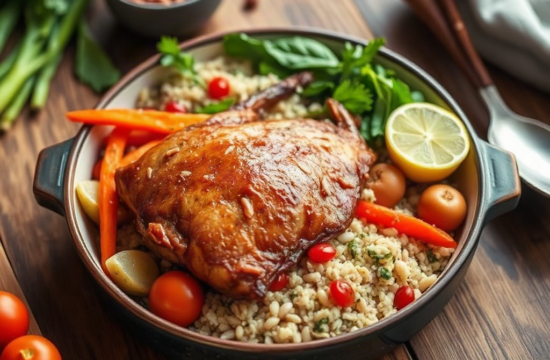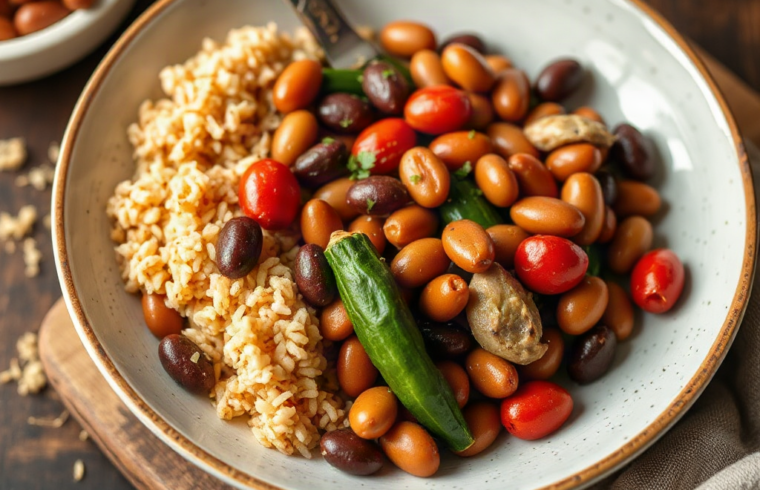
A seven-day meal plan for prediabetes and weight control should pair moderate portions of high-fiber carbohydrates with protein, non-starchy vegetables, and unsaturated fats at regular meals. Beans, oats, intact whole grains, fruit, fish, poultry, tofu, nuts, and plain dairy generally provide more lasting fullness than refined grains, sugary drinks, or isolated snack foods. Portion size still matters because even nutritious meals can exceed a person’s energy needs. Use the schedule as a flexible template, monitor hunger and glucose as directed by a clinician, and adjust carbohydrate amounts for medication, activity, food preferences, and individual blood-sugar responses.
How to Build Meals for Glucose and Weight Management
Prediabetes meals work best when carbohydrate quality, carbohydrate quantity, and total energy intake are considered together. Carbohydrates break down into glucose, but their effect is shaped by the food’s fiber, processing, portion, and what accompanies it. A bowl containing lentils, vegetables, and chicken will usually digest differently from an equally large bowl of refined pasta because the lentils contribute fiber and protein while the vegetables add volume with relatively few calories.
A practical starting structure is to fill half the plate with non-starchy vegetables, one quarter with protein, and one quarter with a fiber-rich carbohydrate. Examples include salmon with broccoli and barley, tofu with mixed vegetables and brown rice, or turkey with a small baked sweet potato and green beans. A little olive oil, avocado, seeds, or nuts can improve flavor and satisfaction, but these foods are energy-dense; pouring oil freely or eating nuts from the package can quietly undermine weight-control goals.
Regular meals may make portions easier to manage, especially for someone who becomes extremely hungry after skipping breakfast or lunch. Regularity does not require eating by the clock when there is no hunger, nor does it mean everyone needs snacks. A snack is most useful when meals are far apart, physical activity creates genuine hunger, or medication instructions call for one. Pairing an apple with a tablespoon of peanut butter is generally more sustaining than eating crackers alone.
Sweetened drinks deserve special attention because they deliver carbohydrate quickly and provide little fullness. Water, sparkling water, and unsweetened tea or coffee are more workable everyday choices. Whole fruit is different from fruit juice: its intact structure and fiber slow consumption and make the portion more visible. That does not make fruit unlimited, but one small orange or a cup of berries can fit comfortably into many meals.
The common mistake is replacing all carbohydrate with large amounts of cheese, processed meat, butter, or other saturated-fat-heavy foods. Prediabetes does not automatically require a very-low-carbohydrate diet. A moderate pattern built around minimally processed foods is often easier to sustain and leaves room for beans, fruit, and whole grains. The Seven-day meal plan for prediabetes and weight control below follows that middle path rather than treating one macronutrient as the only concern.
The Seven-Day Menu
This menu uses repeated ingredients intentionally. Repetition lowers grocery costs, reduces food waste, and makes weekday preparation more realistic. The portions are starting examples rather than prescriptions; energy needs vary with body size, activity, age, medication, and weight goals. Choose unsweetened versions of yogurt, oatmeal, and beverages, and season meals with herbs, spices, citrus, vinegar, or modest amounts of salt as appropriate for your health needs.
Days 1–3
Day 1: Breakfast is one-half cup cooked oats topped with one-half cup berries, one tablespoon chopped walnuts, and cinnamon, with one boiled egg. Lunch is a large salad with three ounces of chicken, one-half cup chickpeas, assorted vegetables, and an olive-oil vinaigrette. Dinner combines four ounces of baked salmon, two cups of roasted non-starchy vegetables, and one-half cup cooked barley. If needed, choose a small apple with one tablespoon peanut butter.
Day 2: Breakfast pairs two eggs scrambled with spinach and mushrooms with one slice of whole-grain toast. Lunch is lentil-vegetable soup with a side salad and plain yogurt. Dinner is a turkey or tofu lettuce bowl with peppers, cabbage, salsa, avocado, and one-half cup brown rice. A snack option is three-quarters of a cup of plain Greek yogurt with cinnamon.
Day 3: Breakfast is plain Greek yogurt with berries, pumpkin seeds, and two tablespoons of rolled oats. For lunch, use leftover salmon over greens with cucumber, tomato, and one-half cup white beans. Dinner is chicken and vegetable stir-fry with one-half cup cooked quinoa. Keep bottled stir-fry sauces modest because some contain substantial added sugar and sodium; soy sauce, ginger, garlic, and rice vinegar offer greater control.
Days 4–7
Day 4: Breakfast is one slice of whole-grain toast with one-quarter avocado and an egg, plus a small orange. Lunch is a chickpea and chopped-vegetable bowl with greens and tahini-lemon dressing. Dinner features turkey meatballs or lentil patties, roasted zucchini, and about one cup of spaghetti squash with a lower-added-sugar tomato sauce.
Day 5: Breakfast combines one-half cup low-fat cottage cheese, sliced pear, and walnuts. Lunch uses leftover meatballs or lentil patties with salad and a small whole-grain pita. Dinner is a sheet-pan meal of white fish or tofu, cauliflower, peppers, and a small sweet potato. Optional snack: raw vegetables with one-quarter cup hummus.
Day 6: Breakfast is vegetable scrambled eggs with berries. Lunch is tuna and white-bean salad served over leafy greens; use mashed avocado or a measured amount of mayonnaise. Dinner is bean chili loaded with peppers, tomatoes, and onions, topped with plain yogurt. Serve it with cabbage slaw rather than an unrestricted basket of chips.
Day 7: Breakfast is oatmeal with diced apple, cinnamon, and chia seeds. Lunch is leftover chili with a green salad. Dinner includes roast chicken or tempeh, Brussels sprouts, and one-half cup cooked farro. A square of dark chocolate can fit after dinner if it is planned rather than added to an already large meal.
Portions, Snacks, and Ingredient Swaps
Portions should respond to results rather than follow a universal calorie target. Begin with the menu amounts, then notice meal-time hunger, fullness afterward, energy between meals, weekly weight direction, and glucose readings if you have been instructed to check them. Persistent hunger may mean a meal needs more vegetables or lean protein. Lack of weight change over several weeks may call for reviewing oils, dressings, restaurant portions, alcohol, and frequent extras before cutting nutritious staple foods.
Carbohydrate foods are not interchangeable in practical use. One-half cup of beans brings fiber and protein, while the same volume of sweetened cereal may be digested quickly and leave less satisfaction. Intact grains such as barley or farro usually require more chewing than bread, although both can fit. A product labeled “whole grain” can still contain added sugar and have a large serving size, so compare the nutrition label and ingredient list instead of relying on front-of-package language.
Use swaps to preserve the structure of the meal. Replace chicken with tofu, tempeh, fish, eggs, or beans; exchange barley for quinoa or brown rice; and substitute frozen vegetables when fresh produce is expensive or likely to spoil. Canned beans are convenient after draining and rinsing. People who increase beans, whole grains, and vegetables quickly may experience digestive discomfort, so raise fiber gradually and drink enough fluid unless a clinician has advised fluid restriction.
A compact portion check keeps the plan adaptable:
- Protein: roughly a palm-sized cooked portion at lunch and dinner.
- Non-starchy vegetables: about half the plate, using fresh, frozen, or lower-sodium canned choices.
- High-fiber carbohydrate: commonly one-half cup cooked grain or beans, one small potato, or one slice of bread.
- Added fat: measure oils, nut butter, seeds, and dressings until portions become familiar.
Snacking can either solve a timing problem or become untracked eating. Choose a snack when physical hunger appears and the next meal is not soon; boredom or habit may be better addressed with a beverage, a change of activity, or moving away from visible food. If a prescribed medicine can cause low blood sugar, do not apply generic snack or carbohydrate advice without asking the prescribing clinician how meals should be timed.
Support Your Weight Loss Goals Huge Discount on the Best Certified Organic Nutrient Dense Supplement!
The goal of this Seven-day meal plan for prediabetes and weight control is not perfect compliance. It is a repeatable pattern that can survive budget limits, family meals, and occasional dining out. At a restaurant, prioritize grilled protein and vegetables, request dressing on the side, and choose either a starch or dessert rather than assuming every course must be included.
Shopping, Preparation, and Progress Checks
A successful week depends more on food availability than on elaborate recipes. Shop for a small group of versatile ingredients: eggs, plain yogurt, chicken or tofu, fish, canned tuna, lentils, beans, oats, brown rice or barley, whole-grain bread, berries or apples, leafy greens, and several frozen or fresh vegetables. Frozen produce can be particularly useful because it is pre-cut, lasts longer, and allows exact portions without spoilage.
Prepare two proteins, one grain, and a tray of vegetables before the busiest days. Cooked chicken, tofu, lentils, barley, and roasted vegetables can be rearranged into salads, bowls, soups, and stir-fries. Wash greens, portion nuts, and place fruit where it is visible. Food safety still applies: refrigerate cooked food promptly, use clean containers, and follow official storage guidance rather than relying on smell alone.
For a constrained week, simplify instead of abandoning the structure. A supermarket meal can be rotisserie chicken with the skin removed, a bagged salad with a measured amount of dressing, and microwavable brown rice. A no-cook lunch can combine rinsed beans, tuna, chopped vegetables, and olive oil with lemon. These options may contain more sodium than meals made from scratch, but they are often more practical than takeout dominated by refined starch and oversized portions.
Track only information that informs a decision. Body weight measured under reasonably consistent conditions once or several times per week can reveal a trend, while day-to-day changes often reflect fluid, digestion, and sodium. A waist measurement, how clothing fits, meal-time hunger, and the ability to follow the pattern are useful supporting signals. Glucose readings should be interpreted according to a clinician’s instructions; a single reading does not establish whether a food is universally good or bad.
Signs the approach may need adjustment include frequent shakiness or suspected low glucose, persistent excessive hunger, worsening fatigue, repeated glucose values outside a clinician-provided range, or an eating pattern becoming highly restrictive. Contact a qualified healthcare professional rather than repeatedly removing foods. Prediabetes can coexist with kidney disease, pregnancy, digestive disorders, food allergies, or medicines that change nutrition needs, and a general menu cannot account for those conditions.
After seven days, keep the breakfasts and dinners that were satisfying, replace meals that were inconvenient, and repeat the workable components. Review the Seven-day meal plan for prediabetes and weight control as a template, not a pass-or-fail challenge. Long-term consistency is more informative than a short burst of strict eating followed by a return to old portions and drinks.
Frequently Asked Questions
Can people with prediabetes eat carbohydrates?
Yes. Portion, processing, and meal composition matter. Beans, intact whole grains, fruit, and starchy vegetables can fit when paired with protein and non-starchy vegetables.
How much weight should I expect to lose in seven days?
A week is too short to judge meaningful fat loss reliably because fluid and digestive changes affect the scale. Use the plan to establish portions and review the trend over several weeks with appropriate clinical support.
Are snacks required on this meal plan?
No. Add a planned snack for genuine hunger, long gaps between meals, activity needs, or medication instructions rather than eating automatically between every meal.
Can I use this plan if I take glucose-lowering medication?
Ask the prescribing clinician or a registered dietitian before changing meal timing or carbohydrate intake. Some medications can require individualized precautions to reduce the risk of low blood sugar.
What should I do if the meals leave me hungry?
First increase non-starchy vegetables or lean protein and check whether oils, sweets, or drinks are displacing filling foods. If hunger remains intense or persistent, seek individualized nutrition guidance.
Conclusion
Use the week to identify combinations that control hunger without turning meals into rigid rules. Build lunch and dinner around non-starchy vegetables and protein, include a measured high-fiber carbohydrate, and account for calorie-dense additions such as oils, nuts, dressings, and avocado. Prepare a few reusable ingredients so the easiest available meal still matches the intended structure.
After the first week, review practical evidence: which meals were satisfying, which portions were excessive, when unplanned snacks appeared, and whether weight and clinician-directed glucose measurements are moving appropriately. Retain the meals that worked and modify the inconvenient ones. Anyone using glucose-lowering medicine or managing pregnancy, kidney disease, food allergies, or another medical condition should have the menu individualized by a qualified healthcare professional.