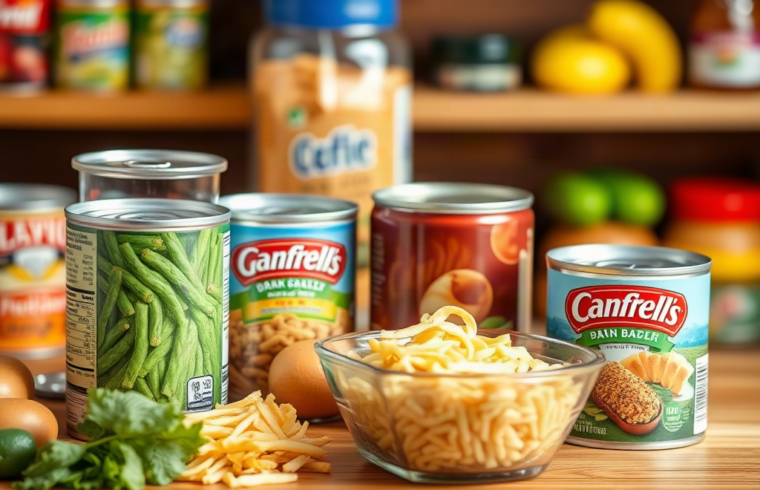
Are canned foods suitable for people losing weight? Yes, they can fit a calorie-controlled eating pattern when you choose options with useful protein or fiber, compare sodium and added sugar, and account for the liquid and serving size. Canned beans, vegetables, fruit packed in water, tuna, salmon, and chicken can make filling meals more convenient and affordable. The main pitfalls are oversized portions, sugary syrups, oil-packed products, creamy sauces, and sodium-heavy soups that may add calories or cause temporary water retention. Rinsing beans, choosing plain varieties, and combining canned ingredients with fresh produce can improve the nutritional balance of a meal.
How Canned Foods Fit a Calorie-Controlled Pattern
Canned food is a preservation and packaging method, not a single nutritional category. A can of plain chickpeas, a can of fruit in heavy syrup, and a can of condensed soup can have very different effects on a weight-loss eating pattern. The useful question is not whether a food is canned, but whether its calories, protein, fiber, sodium, and preparation method fit the meal and the person’s overall intake.
Canning can make nutritious ingredients available when fresh food is expensive, out of season, or likely to spoil before it is used. Beans and lentils provide plant protein and fiber; canned fish supplies protein and, in some varieties, omega-3 fats; vegetables add volume and micronutrients with little preparation. Those features may make it easier to assemble a satisfying meal instead of relying on takeout or skipping a meal and becoming excessively hungry later.
Weight change still depends on the broader energy balance over time. A nutritious canned food can contribute more calories than expected if it is packed in oil, combined with a rich sauce, or eaten directly from a large container without checking the serving count. Conversely, a modest serving of canned beans or vegetables may be a practical component of a lower-calorie plate. The packaging does not determine the outcome by itself.
For example, rinsed beans mixed with tomatoes, greens, and a measured amount of cheese create a different meal from beans simmered with fatty meat and served in several large tortillas. Both may begin with the same canned ingredient, but the additions, portion, and eating context change the meal’s calorie density. Readers comparing options can also use Are canned foods suitable for people losing weight as a reminder to evaluate the whole plate rather than one package claim.
The Canned Choices That Work Best
Plain canned beans, vegetables, fish, poultry, and fruit packed in water are usually the easiest choices to fit into a weight-conscious menu. Their value comes from what they contribute to a meal: beans can add fiber and protein, vegetables can increase volume, and fish or chicken can provide a concentrated protein source. The best option depends on dietary preferences, allergies, medical needs, and the rest of the meal.
Beans deserve special attention because their fiber and protein may make a dish more filling than a refined starch alone. Black beans can be added to a vegetable soup, chickpeas can top a salad, and lentils can thicken a tomato-based stew without requiring cream. Their calorie content is not negligible, so a cup eaten as a side and a large bowl used as the main ingredient should be treated as different portions. Combining them with vegetables often produces more volume than serving them with cheese, oil, and avocado in unrestricted amounts.
Canned vegetables are useful when they are plain or lightly seasoned. Green beans, tomatoes, pumpkin, corn, and carrots can all work, although starchy vegetables such as corn may be better counted as part of the carbohydrate portion when the meal already contains rice, pasta, or bread. Canned fruit can also fit, but fruit in juice or water is generally easier to manage than fruit in heavy syrup. Draining syrup removes some liquid, but it does not turn the product into fresh fruit.
Protein products require closer inspection. Tuna, salmon, sardines, and canned chicken may be convenient, yet oil-packed versions contain more energy than water-packed versions. A small can can become a calorie-dense meal when mixed with a large amount of mayonnaise. Greek yogurt, mustard, herbs, or mashed beans may provide alternative texture and flavor, though individual preferences and nutritional needs vary. The useful comparison is not “canned versus fresh”; it is plain, minimally enhanced product versus a version with substantial oil, sugar, or creamy sauce.
Labels, Sodium, Sugar, And Serving Sizes
The Nutrition Facts label gives the fastest way to judge whether a canned item suits a particular meal. Check the serving size first, then multiply the calories and nutrients by the number of servings actually eaten. A can labeled as two servings can quietly double the listed calories when consumed at one sitting. The same check applies to canned pasta, chili, soups, fruit, and fish salads.
Sodium is a major consideration, especially in canned soups, sauces, beans, and prepared meals. Sodium does not provide calories, but a salty meal may contribute to short-term water retention, which can make the scale move independently of body-fat change. People with hypertension, kidney disease, heart failure, or other sodium-related medical concerns may need individualized advice from a clinician or registered dietitian. For general meal planning, no-salt-added or reduced-sodium products can be useful, and rinsing canned beans may remove some surface sodium.
Added sugar matters most in fruit, baked beans, sauces, and sweetened beverages. “Packed in juice” and “packed in syrup” are not interchangeable descriptions. A can of peaches in syrup may provide a dessert-like amount of sweetness, while peaches in water or their own juice can be easier to include alongside plain yogurt or oats. Draining the liquid may reduce what is consumed, but label comparison remains the better first step.
Oil is another easy-to-miss source of energy. Canned fish in oil may be nutritious, but the oil contributes calories whether it is fully eaten or partly drained. Canned vegetables in butter sauce and coconut-based curries also need to be evaluated as prepared dishes rather than as equivalent to plain vegetables. A practical label check looks for:
- Calories per serving and the number of servings in the container.
- Protein and fiber that can make the meal more substantial.
- Added sugars in fruit, sauces, and baked products.
- Sodium, particularly in soups and ready-to-eat entrées.
- Oil, cream, or cheese sauces that increase calorie density.
Ingredient lists help resolve ambiguity. Water, beans, vegetables, fish, spices, and modest salt indicate a different product profile from one led by syrup, refined starch, oils, or a creamy sauce. Food composition databases such as Are canned foods suitable for people losing weight can help with comparisons, but the package label is still the most relevant source for the exact product in the cupboard.
Building Filling Meals From Canned Ingredients
A canned ingredient becomes more useful for weight management when it is paired with foods that add volume, texture, and adequate protein without letting calorie-dense extras dominate. A simple plate can include half vegetables, a measured serving of beans or another protein, and a modest amount of rice, potatoes, whole-grain bread, or another carbohydrate. This structure is not mandatory, but it prevents a can of one ingredient from becoming an unbalanced meal.
Consider three practical combinations. Canned salmon can be mixed with lemon, herbs, and a small amount of yogurt, then served over greens with a potato. Chickpeas can be added to a vegetable-and-tomato stew and portioned alongside a salad. Canned pumpkin can enrich oats or a soup, but sweetened condensed products should not be confused with plain pumpkin. Each example uses convenience while retaining control over the additions that most often change the calorie total.
Preparation method affects satiety and total intake. Draining and rinsing beans may improve flavor and reduce some sodium. Draining oil-packed fish can lower the amount of oil consumed, although the label should still guide the estimate. Heating a vegetable soup with extra frozen vegetables may produce a larger bowl, but adding cream, bread, and cheese can offset that advantage. Measuring dressing, mayonnaise, shredded cheese, and cooking oil is often more consequential than debating whether the base ingredient came from a can.
Support Your Weight Loss Goals Huge Discount on the Best Certified Organic Nutrient Dense Supplement!
Convenience is a genuine advantage for people with limited time, cooking equipment, or food storage. A shelf-stable meal component can reduce dependence on highly processed snacks when hunger arrives unexpectedly. The limitation is that many ready-to-eat canned meals are designed for flavor and shelf stability, not necessarily for a person’s preferred calorie, sodium, or protein target. Pairing half a can of soup with extra vegetables and a protein source may be more suitable than eating the entire product with crackers, though the correct portion depends on the label and the rest of the day.
Track whether the approach is working by observing hunger, meal satisfaction, consistency, and weight trends over several weeks rather than reacting to one salty meal’s scale reading. If meals leave you hungry quickly, increase vegetables, fiber-rich legumes, or an appropriate protein serving. If calories are higher than expected, inspect oils, sauces, sweetened liquids, and serving sizes before removing every canned food from the plan.
Common Mistakes And A Practical Shopping Check
The most common mistake is treating a health-related label claim as proof that a product supports weight loss. “Natural,” “low fat,” or “made with vegetables” does not reveal the full calorie or sodium profile. A low-fat soup can still be high in starch and sodium, while a canned salad kit can contain a calorie-dense dressing. The reverse mistake is assuming that every canned product is nutritionally poor and rejecting useful beans, fish, tomatoes, or vegetables.
Another failure point is eating from the can while distracted. Without a plate or bowl, it is harder to judge the actual amount, and prepared products may contain several servings. Portioning the food before adding toppings creates a clearer decision. For a mixed dish, weigh or measure the calorie-dense components first; vegetables and broth-based ingredients can then provide volume around them.
Use this short decision sequence in the store:
- Choose the ingredient needed for the meal, such as beans, fish, vegetables, tomatoes, or fruit.
- Compare two or three versions by calories, serving count, sodium, added sugar, and packing liquid.
- Prefer plain or lightly seasoned products when sauces are easy to add at home.
- Plan the portion and the accompanying foods before opening the can.
- Use the product soon after opening and follow the package’s storage directions.
Food safety remains separate from weight management. Do not use cans that are bulging, leaking, badly rusted, or deeply damaged, and follow reliable food-safety guidance for opened leftovers. People following medically prescribed diets, including sodium-restricted plans, should treat “reduced sodium” as a comparison term rather than an automatic fit. A clinician or dietitian can help interpret those needs.
For more meal ideas, Are canned foods suitable for people losing weight can be applied as a product-by-product checklist: identify the useful nutrient, check the liquid and serving size, then judge the complete meal. That approach is more reliable than sorting foods into “good” and “bad” based only on packaging.
Frequently Asked Questions
Are canned vegetables suitable for people losing weight?
Plain or lightly seasoned canned vegetables can fit well because they add volume with relatively few calories. Check for butter, cream, sugar, and high sodium in flavored versions.
Should canned beans be rinsed before eating?
Rinsing can improve flavor and remove some surface sodium. It does not remove all sodium, so compare the label when sodium intake matters.
Is canned fruit bad for weight loss?
No. Fruit packed in water or its own juice is generally easier to fit than fruit in heavy syrup, but the portion and total meal still determine calorie intake.
Are canned soups a good choice during weight loss?
Some are convenient, but compare serving size, sodium, calories, protein, and fiber. Adding vegetables or a separate protein may make a small serving more filling.
Do canned foods cause weight gain?
Canned packaging does not inherently cause weight gain. Higher intake is more likely when portions, oils, sugary liquids, sauces, or calorie-dense ready meals are not accounted for.
Conclusion
Canned foods can earn a regular place in a weight-loss eating pattern when the product and portion match the meal. Prioritize plain beans, vegetables, fish, poultry, and fruit packed in water or unsweetened liquid, then inspect calories, serving count, sodium, added sugar, and packing oils. Rinsing beans, draining excess liquid, measuring rich toppings, and adding fresh or frozen produce can improve control without sacrificing convenience. A salty or calorie-dense canned entrée is not automatically forbidden, but it may require a smaller portion and simpler accompaniments. Start with three products you already use, compare their labels, and redesign one meal around each. That small test will show whether the issue is the can itself or the ingredients and portions that surround it.
Support Your Weight Loss Goals
HUGE DISCOUNT ON THE BEST CERTIFIED ORGANIC NUTRIENT DENSE SUPPLEMENT!
Related Content
- The Ultimate Guide to gut health and dieting: 7 Effective Strategies for 2025
- What Causes Cravings When You Start Dieting? Timing, Triggers, And Foods That Help
- Easy Tips On How To Start Losing Weight
- Weight Loss Tips That Fit Any Lifestyle: Practical Steps for Sustainable Change
- Busting Through Plateaus: How to Break Out of a Weight Loss Rut on Your Diet Journey
Further Reading
Authoritative Sources
- USDA FoodData Central
fdc.nal.usda.govOfficial food composition and nutrient data.
- CDC Nutrition
cdc.govOfficial public-health nutrition guidance and data.
- MedlinePlus Health Information
medlineplus.govConsumer health information from the U.S. National Library of Medicine.
- NIH Office of Dietary Supplements
ods.od.nih.govEvidence-based fact sheets about vitamins, minerals, supplements, and nutrition.