Yes, frozen vegetables can support a weight loss diet because they provide filling volume, fiber, and useful nutrients without requiring extensive preparation. Their effect depends less on being frozen than on portion size, cooking method, and what accompanies them: steamed broccoli differs greatly from vegetables sautéed in several tablespoons of oil or covered in a creamy sauce. Choose plain packages, compare labels for added sauces, and pair the vegetables with a satisfying protein and a measured serving of carbohydrate or fat. Frozen vegetables may be especially useful when fresh produce spoils before it is eaten, but they do not automatically make a meal low in calories or guarantee weight loss.
Why Frozen Vegetables Can Fit a Calorie-Controlled Diet
Frozen vegetables can make a weight loss diet easier when they replace more calorie-dense ingredients or help build meals around a large portion of produce. Broccoli, cauliflower, green beans, peas, spinach, carrots, corn, and mixed vegetables retain useful fiber and nutrients after freezing, although the exact nutrient profile varies by vegetable and preparation. USDA FoodData Central can help compare individual foods, but the practical question is usually simpler: does the vegetable add volume and texture without bringing a large amount of oil, cheese, or sauce with it?
Water and fiber contribute to the physical size of a meal, while protein and other ingredients influence how satisfying it feels over the following hours. A bowl containing frozen cauliflower, chicken, and a small serving of rice may occupy more space than a plate built mostly from rice and sauce. That does not make cauliflower a special fat-burning food; it changes the meal’s calorie density and may make a moderate portion feel more substantial.
Freezing also solves a household problem that is easy to underestimate. Fresh produce can become unusable before a planned meal, especially for people who shop infrequently or cook for one. A bag of frozen green beans or spinach remains available for a quick dinner, which can reduce dependence on takeout or highly processed convenience foods. Frozen produce is not automatically better than fresh produce, but edible food that actually gets cooked has greater practical value than fresh food that is discarded.
A useful comparison is plain frozen vegetables versus a prepared vegetable side dish. The plain option lets you control oil, salt, and portion size. A seasoned package may still fit, but its nutrition label deserves attention because butter, cheese, cream, or a sugary glaze can change the meal’s calorie content. The priority is not to avoid all prepared products; it is to understand what the package contributes before adding more ingredients.
For related planning ideas, see Can frozen vegetables support a weight loss diet and focus on the meal pattern rather than treating one ingredient as the solution.
Choosing Packages That Support Your Goal
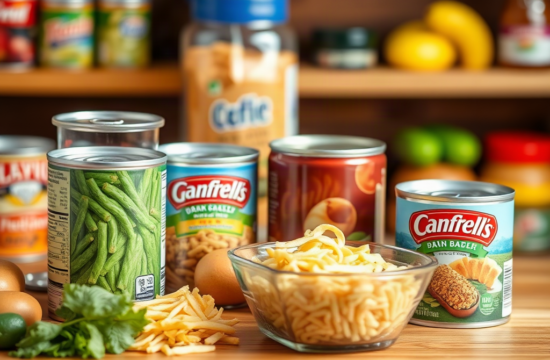
Plain, single-ingredient frozen vegetables are usually the easiest starting point because their labels are simple and their calories are easier to account for. A package labeled broccoli, spinach, or green beans gives you control over seasoning and cooking fat. Mixed vegetables can also work well, particularly when they contain several colors and textures, but check whether the blend includes substantial amounts of starchy vegetables such as corn or peas. Those foods can absolutely belong in a balanced diet; they simply contribute more carbohydrate than leafy greens or zucchini.
Package claims can create misleading assumptions. Words such as “lightly seasoned,” “steamable,” or “healthy” do not determine whether a product fits your target. Read the serving size, calories, saturated fat, sodium, and ingredient list. A sauce packet may make a vegetable blend more convenient, but it can also turn a low-calorie side into a richer component of the meal. If the label lists butter, cream, cheese, or oil near the beginning, decide whether that flavor is worth the tradeoff or whether you would rather season a plain bag yourself.
Portion information needs context. A serving may be listed by weight or volume, and the amount you eat can be larger than the label serving. That is not inherently a problem, since vegetables often provide substantial volume for relatively few calories. The bigger issue is failing to count additions. One tablespoon of oil, a generous handful of shredded cheese, or a creamy dip may contribute more energy than the vegetables themselves.
Use a short shopping checklist when comparing options:
- Choose plain vegetables when you want maximum control over calories and seasoning.
- Check whether sauces or flavored oils are included.
- Look at the actual serving size rather than assuming the whole bag is one serving.
- Select vegetables you will realistically eat, not just those that appear most virtuous.
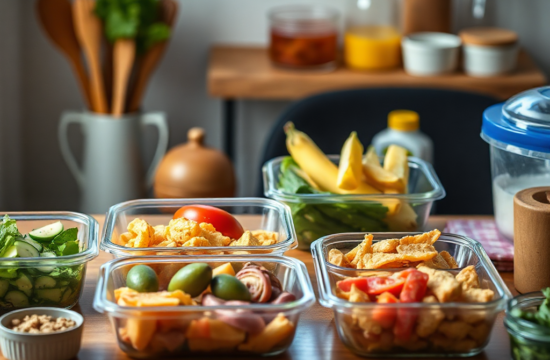
Budget and storage matter as much as nutrition. A larger bag may cost less per serving, but it is only economical if it remains appealing and gets used. Spinach can be added to eggs, soup, or pasta; frozen cauliflower can serve as a side, soup base, or part of a blended sauce. Versatility improves the chance that the purchase supports consistent meals instead of becoming freezer waste.
Cooking Methods, Portions, And Meal Pairings
Preparation determines whether frozen vegetables remain a light meal component or become a vehicle for extra calories. Steaming, microwaving, roasting, and quick sautéing can all work. The method matters less than the amount of added fat and the final texture. Microwaving with a small amount of water is fast, while roasting can improve browning and appeal; roasting becomes less calorie-conscious when vegetables are coated heavily with oil.
Frozen vegetables release water as they heat, so overcrowding a pan can produce a soft result. A wide skillet, moderate heat, and a short finishing period can improve texture. For roasting, thawing is not always necessary, but excess ice can interfere with browning. Patting vegetables dry or allowing extra cooking time may help. These details are not weight loss mechanisms, yet palatable food is more likely to become a regular part of a useful eating pattern.
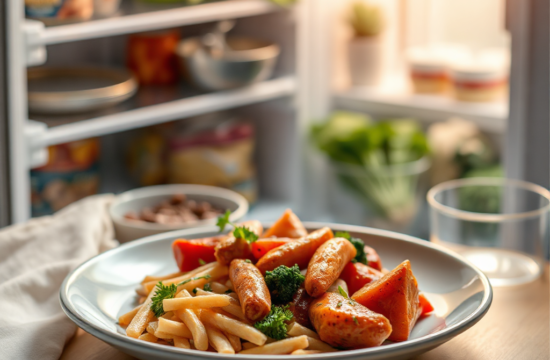
Build the meal around balance rather than vegetables alone. A vegetable-only bowl may seem efficient, but it can leave you hungry if it lacks protein or enough energy to function as a meal. Try frozen peppers and onions with beans and eggs, broccoli with tofu and a measured portion of noodles, or green beans beside salmon and potatoes. The protein contributes satiety and the carbohydrate can make the meal more complete, while vegetables supply volume, color, and fiber.
Oil deserves particular attention because it is easy to pour without noticing the amount. Measuring a teaspoon or tablespoon for several meals can clarify what you are using. Cooking spray, broth, lemon juice, vinegar, garlic, herbs, chili flakes, and low-calorie sauces can add flavor without making the vegetables bland, though sodium levels still vary. The best choice is the one that produces a meal you can repeat without feeling deprived.
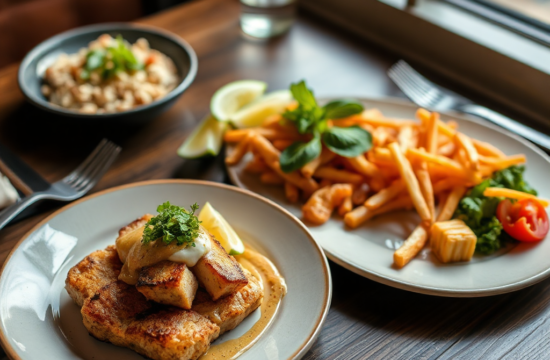
A helpful portion method is to place vegetables on roughly half of a mixed plate, then add a clear protein portion and a deliberate serving of starch or fat. The exact proportions can change with appetite, activity, medical needs, and the rest of the day. Someone who is already eating a balanced dinner may need only a modest side; someone replacing a large takeout meal may use vegetables to expand the plate while reducing the amount of calorie-dense sauce or fried food.
For another practical angle, use Can frozen vegetables support a weight loss diet as a reminder to compare the entire assembled meal, not just the vegetable bag.
Support Your Weight Loss Goals Huge Discount on the Best Certified Organic Nutrient Dense Supplement!
Common Mistakes And A Practical Frozen Vegetable Plan
The most common mistake is treating “vegetable” as a calorie-free label for the complete dish. A large serving of plain cauliflower is different from cauliflower gratin, and a bowl of spinach is different from spinach cooked in a substantial amount of cream. The vegetable remains nutritious in both cases, but the surrounding ingredients determine how the dish fits a calorie target.
Another mistake is using vegetables to compensate for meals that are too small and then experiencing strong hunger later. If a person eats steamed vegetables for lunch without protein or an adequate carbohydrate source, an afternoon snack may become difficult to control. A more durable approach is to make the vegetable part of a satisfying plate from the beginning. The signs that the approach is working include easier meal assembly, fewer spoiled groceries, and hunger that is manageable rather than extreme. Signs that it needs adjustment include repeated evening overeating, persistent fatigue, or meals that feel so restrictive they are abandoned.
Frozen vegetables can support several specific routines:
- Emergency dinner: Combine a microwaveable vegetable blend with canned beans, pre-cooked chicken, or eggs and a simple grain.
- Volume upgrade: Add spinach, mushrooms, peppers, or broccoli to pasta, soup, rice, or a stir-fry while keeping sauce measured.
- Freezer rotation: Keep two or three varieties available so one disliked texture does not derail the plan.
Convenience should be matched with food safety and quality. Follow the package cooking instructions, keep frozen food properly stored, and avoid repeatedly thawing and refreezing it. If a bag is difficult to reseal, divide it into usable portions after purchase or use clips and a clearly marked opening date. These steps reduce waste and make the food easier to reach during busy periods.
People with kidney disease, diabetes, food allergies, or other medical conditions may need individualized advice about potassium, carbohydrate portions, sodium, or specific ingredients. Frozen vegetables are not a treatment for any condition, and they do not replace professional dietary guidance. For most adults, the practical experiment is straightforward: use plain vegetables in one or two meals daily, measure cooking fats for a week, and assess hunger, enjoyment, and overall intake rather than judging the food in isolation.
Frequently Asked Questions
Are frozen vegetables as nutritious as fresh vegetables?
They can provide comparable nutrients, although amounts vary by vegetable, processing, storage, and cooking. Plain frozen vegetables are a practical alternative when fresh produce is unavailable or likely to spoil.
Do frozen vegetables contain fewer calories than fresh vegetables?
Freezing itself does not make a vegetable meaningfully calorie-free. Plain frozen and fresh versions are generally similar, while sauces, oils, and coatings can change the total.
Which frozen vegetables are useful for a weight loss meal?
Broccoli, cauliflower, green beans, spinach, peppers, carrots, and mixed vegetables can all work. Choose based on taste, texture, price, and how easily you can pair them with protein.
Can frozen vegetables be eaten every day?
They can be part of daily meals for many people, especially alongside varied fresh, canned, or frozen produce. Variety helps broaden flavors and nutrient intake.
Do I need to thaw frozen vegetables before cooking?
Usually not. Follow the package directions; cooking from frozen is convenient. Thawing or draining may help when you need better browning or want to prevent excess water in a skillet.
Conclusion
Frozen vegetables are a useful weight loss tool when they make meals more filling, affordable, and repeatable without adding uncontrolled amounts of oil or sauce. Plain packages offer the greatest flexibility, but seasoned versions can fit when their labels and serving sizes are understood. Pair vegetables with protein and a measured amount of starch or fat instead of relying on a very small vegetable-only meal that may lead to later hunger. Start by keeping a few versatile varieties in the freezer, measure cooking fat for several days, and observe whether meals become easier to prepare and hunger stays manageable. The goal is not to make frozen produce responsible for the entire diet; it is to use it as a reliable component of balanced meals.
Support Your Weight Loss Goals
HUGE DISCOUNT ON THE BEST CERTIFIED ORGANIC NUTRIENT DENSE SUPPLEMENT!
Related Content
Further Reading
Authoritative Sources
- NIH Office of Dietary Supplements
ods.od.nih.govEvidence-based fact sheets about vitamins, minerals, supplements, and nutrition.
- CDC Nutrition
cdc.govOfficial public-health nutrition guidance and data.
- USDA FoodData Central
fdc.nal.usda.govOfficial food composition and nutrient data.
- MedlinePlus Health Information
medlineplus.govConsumer health information from the U.S. National Library of Medicine.