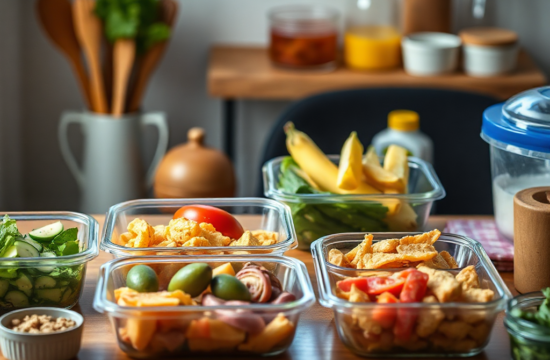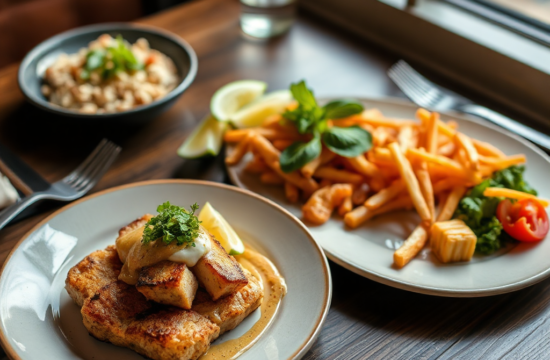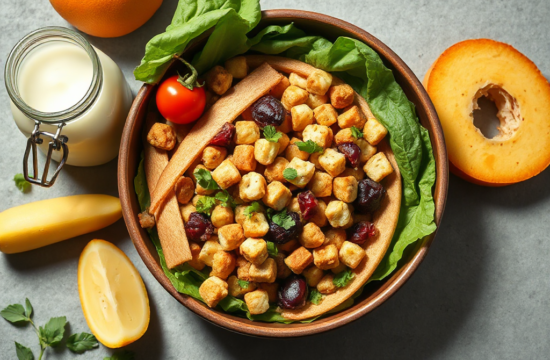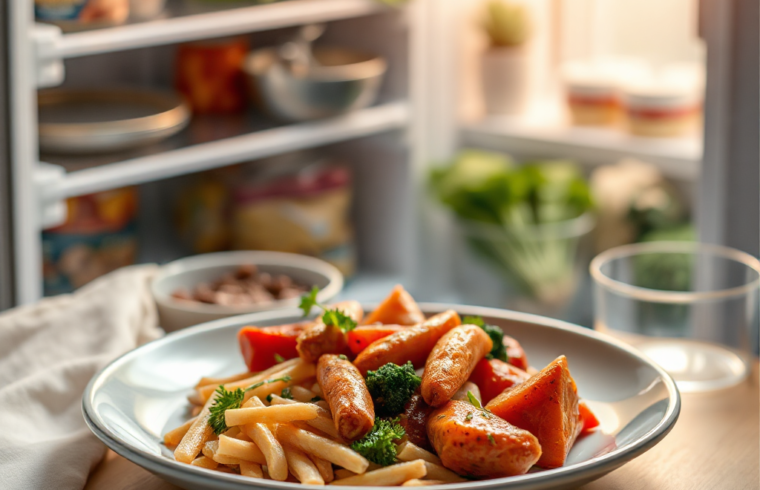
Prepared weight loss meals generally stay safe in the refrigerator for 3 to 4 days when cooled promptly and kept at 40°F (4°C) or colder; meals that will not be eaten by then should be frozen. Portion size, container depth, ingredients, refrigerator temperature, and time spent at room temperature affect the decision. Divide large batches into shallow containers, refrigerate them within 2 hours of cooking, and reheat only the portion you plan to eat. A meal left warm for too long, stored in an unreliable refrigerator, or showing spoilage signs should be discarded rather than tasted or “rescued” by reheating.
Refrigerator and Freezer Storage Times
Cooked meals prepared for a calorie-controlled eating plan should usually be refrigerated for no more than 3 to 4 days. That window applies when the food is chilled promptly, stored at 40°F (4°C) or below, and protected from repeated warming and cooling. A meal cooked on Sunday is generally intended for Monday through Thursday; Friday’s portion is better frozen rather than held in the refrigerator.
The fact that a meal is designed for weight loss does not make it safer or less perishable. Chicken, turkey, fish, cooked grains, beans, pasta, vegetables, sauces, and dairy-based ingredients can all support bacterial growth if they remain warm. Lower-calorie recipes may contain less fat or sugar, but those nutritional characteristics do not replace temperature control. A vegetable bowl with brown rice and grilled chicken needs the same storage discipline as a richer casserole.
Freezing is the practical alternative when the preparation schedule exceeds the refrigerator window. Frozen meals remain safe indefinitely while continuously frozen, although flavor, texture, and quality decline over time. Meals with broth, beans, shredded meat, or sturdy vegetables often freeze better than salads, crisp roasted vegetables, or creamy sauces that may separate after thawing. Label containers with the cooking date and planned use rather than relying on memory.
Safety and quality are separate decisions. A frozen meal may be safe but watery, dry, or unpleasant after thawing. Conversely, a refrigerated meal may smell acceptable while still having spent too long in unsafe temperatures. Do not use taste as a test. The best priority order is elapsed time, refrigerator temperature, cooling method, and then appearance or texture as an additional reason to discard questionable food.
Cooling, Portioning, And Container Choices
Rapid cooling protects prepared meals because bacteria multiply more readily while food passes through warm temperatures. A deep stockpot of chili or a tightly packed container of rice can retain heat in the center long after the surface feels cool. Portioning the batch into shallow containers allows heat to escape faster and makes the next meal easier to measure.
Refrigerate perishable cooked food within 2 hours of cooking, or sooner if the surrounding temperature is very hot. Do not wait for a large batch to reach room temperature on the counter. Dividing it into smaller portions is more useful than leaving it in one oversized container with the lid sealed tightly. Place containers in the refrigerator with space around them so cold air can circulate.
Container choice also affects both safety and the usefulness of a weight loss plan. A single large container encourages repeated opening, serving, and warming, while individual portions reduce handling and make calorie estimates more consistent. Use clean, food-safe containers that close securely. Keep raw ingredients, such as uncooked chicken or seafood, below ready-to-eat meals so leaking juices cannot contaminate prepared food.
A practical preparation sequence looks like this:
- Divide hot food into shallow, meal-sized portions.
- Mark each container with the preparation date and contents.
- Refrigerate portions promptly and keep the refrigerator at 40°F or below.
- Freeze portions that will not be eaten within 3 to 4 days.
- Store dressings, crunchy toppings, and delicate greens separately when texture matters.
Meal composition can change how well food stores, but it should not change the basic safety rule. Cooked rice, potatoes, and pasta deserve particular attention because they can become risky when cooled slowly or left warm. Dividing them promptly is safer than assuming that a vegetarian or low-fat meal can remain on the counter longer.
Reheating And Daily Meal-Prep Decisions
Reheating should make the meal hot throughout, not merely warm around the edges. Microwave meals can develop cold spots, especially when rice, meat, and vegetables are packed tightly together. Stir food partway through heating, cover it loosely to retain moisture, and allow a short standing period so heat can spread. A food thermometer is the most reliable way to check the center of a dense portion.
Reheat only the serving you intend to eat. Repeatedly warming an entire batch increases the time food spends in favorable growth temperatures and gradually damages texture. For example, if four chicken-and-rice portions are stored separately, heat one container and leave the other three cold. This approach also makes portion control easier because the prepared serving is decided before hunger changes the amount placed on the plate.
Stovetop reheating can work well for soups, stews, and saucy dishes because stirring distributes heat. An oven is useful for larger portions but takes longer, so the food should remain refrigerated until the oven is ready. A skillet may dry lean meat or vegetables unless a small amount of water or sauce is added. These are quality tradeoffs, not reasons to keep food beyond its safe storage period.
Thaw frozen meals safely in the refrigerator, in cold water that is changed as needed, or in the microwave when cooking will follow immediately. Avoid thawing a container on the kitchen counter. If a frozen meal is thawed in the refrigerator, use it promptly and do not repeatedly freeze and thaw it. A meal plan that includes two refrigerated portions and several frozen portions often works better than preparing five days of food and hoping the refrigerator window will stretch.
When a meal contains a delicate component, separate it before storage. Keep salad greens, avocado, fresh herbs, and crisp toppings apart from hot grains or sauced proteins. Reheat the sturdy components, then add the cold or fresh ingredients. This preserves texture without compromising the storage schedule.
Spoilage Clues, Common Mistakes, And Safer Alternatives
Discard prepared food when it has been left unrefrigerated too long, when the storage history is unknown, or when the refrigerator may have been above a safe temperature for an extended period. Sour odors, slime, unusual discoloration, mold, bulging packaging, or unexpected bubbling are clear discard signals. Yet the absence of these signs does not prove safety, because some harmful bacteria do not produce an obvious smell or visible change.
Support Your Weight Loss Goals Huge Discount on the Best Certified Organic Nutrient Dense Supplement!
“It smells fine” is one of the weakest tests for leftovers. Another common mistake is counting storage time from the moment a container feels cool rather than from when cooking ended. A third is placing a large, steaming pot directly into a crowded refrigerator and assuming the surrounding cold air will cool the center quickly. Smaller portions solve that problem more effectively.
Prepared meals can also become unsafe through cross-contamination. Use separate utensils for raw poultry and cooked food, wash hands after handling uncooked ingredients, and do not return a serving spoon that touched someone’s plate to the storage container. A meal intended to support weight loss is not worth preserving if its handling history is uncertain.
People with higher risk from foodborne illness, including older adults, pregnant people, young children, and those with weakened immune systems, should be especially conservative about leftovers and temperature uncertainty. Personal nutrition targets should not override food safety. If a meal has passed the recommended refrigerator window, freezing it late is not a reliable reset; freeze food while it is still within its safe storage period.
Use How long do prepared weight loss meals stay safe as a planning question, not just a date-checking exercise. Before eating, ask when it was cooked, how quickly it was cooled, whether it stayed cold, and whether it was reheated only once. If any answer is unclear, replace the meal with a fresh option such as a shelf-stable ingredient, a newly cooked portion, or a properly frozen serving. Meal planning is more dependable when safety dates are written on containers rather than remembered.
Frequently Asked Questions
Can prepared weight loss meals last five days in the refrigerator?
Five days exceeds the usual 3-to-4-day refrigerator window for cooked leftovers. Freeze the later portions while they are still fresh, then thaw them safely in the refrigerator.
Does meal-prep food last longer if it is low calorie?
No. Calorie content does not determine leftover safety. Cooked meat, grains, vegetables, and sauces still require prompt cooling and cold storage.
How soon should cooked meals go into the refrigerator?
Refrigerate perishable cooked food within 2 hours of cooking, using shallow containers to help the center cool quickly.
Can reheating make an old meal safe again?
Reheating is not a dependable way to reverse excessive storage time or poor temperature control. When the history is uncertain, discard the meal.
Are frozen meal-prep portions safe indefinitely?
Food kept continuously frozen remains safe indefinitely, but quality can decline. Label portions and use them while texture and flavor remain acceptable.
Conclusion
Safe meal preparation depends more on temperature and elapsed time than on whether a recipe is marketed for weight loss. Plan refrigerated portions for the next 3 to 4 days, freeze anything beyond that window, and write the preparation date on every container. Shallow portions cool faster, reduce repeated handling, and make serving sizes easier to manage. Reheat only what you will eat, and use a thermometer when a dense portion may contain cold spots. Odor and appearance can identify some spoiled food, but they cannot confirm that an old meal is safe. When storage time, cooling speed, or refrigerator temperature is uncertain, discard the portion and choose a safer replacement.
Support Your Weight Loss Goals
HUGE DISCOUNT ON THE BEST CERTIFIED ORGANIC NUTRIENT DENSE SUPPLEMENT!
Related Content
- Elevate Your Health Journey with The Best Dieting Tips for Fast and Healthy Weight Loss
- Shed Excess Pounds With These Great Ideas
- What Causes Weight Loss Plateaus After Initial Success: Common Triggers and Effective Solutions
- Transform Your Diet with Nature’s Hidden Gems
- The Benefits of a Natural Diet for Thyroid Health
Further Reading
Authoritative Sources
- CDC Nutrition
cdc.govOfficial public-health nutrition guidance and data.
- USDA FoodData Central
fdc.nal.usda.govOfficial food composition and nutrient data.
- MedlinePlus Health Information
medlineplus.govConsumer health information from the U.S. National Library of Medicine.
- NIH Office of Dietary Supplements
ods.od.nih.govEvidence-based fact sheets about vitamins, minerals, supplements, and nutrition.