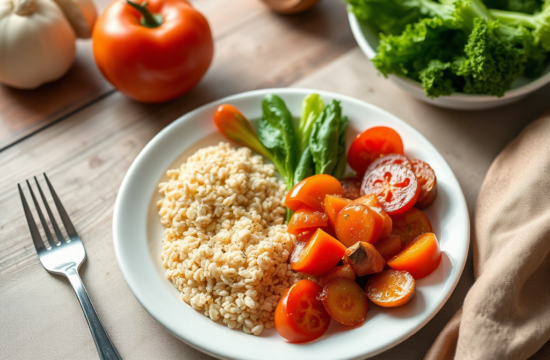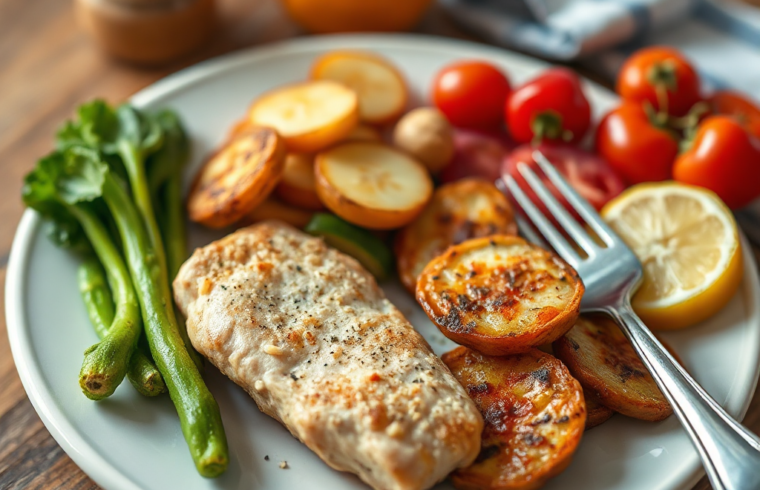
A nutritionally balanced weight loss meal combines a sensible portion of protein, high-fiber carbohydrate, vegetables or fruit, and a measured source of unsaturated fat while keeping total energy appropriate for the person. Protein from foods such as fish, eggs, tofu, beans, or poultry can make meals more filling and help preserve lean tissue during weight reduction. Fiber-rich produce, legumes, and whole grains slow digestion and add volume, while fats from olive oil, nuts, seeds, or avocado improve flavor and nutrient intake without requiring large portions. The common mistake is removing an entire food group; a smaller, balanced plate is usually easier to sustain than a highly restrictive meal.
The Four Parts of a Balanced Weight Loss Meal
A balanced meal for weight reduction needs more than a low calorie count. It should supply protein, fiber-rich carbohydrate, produce, and a modest amount of fat in proportions that support fullness and adequate nutrition. The exact quantities depend on body size, activity, appetite, medical needs, and the rest of the day, but the combination gives most people a more reliable starting point than labeling foods as simply good or bad.
Protein may come from chicken, fish, eggs, Greek yogurt, cottage cheese, tofu, tempeh, lentils, or beans. It contributes amino acids and often makes a meal more satisfying than a meal built mainly from refined starch. Carbohydrate is not automatically a problem: potatoes, oats, brown rice, fruit, and whole-grain bread provide energy and, depending on the choice, fiber and micronutrients. Vegetables add volume, potassium, folate, and other nutrients for relatively few calories. Fat from olive oil, nuts, seeds, avocado, or oily fish helps with flavor and meal satisfaction, but concentrated fats are easy to overpour.
A plate of baked salmon, a small roasted potato, green beans, and a teaspoon of olive oil illustrates the structure. A vegetarian version could use lentils or tofu instead of salmon. Neither example is inherently perfect, and a person who dislikes fish does not need to force it into the menu. The useful question is whether the replacement provides a comparable protein contribution and whether the whole meal remains enjoyable enough to repeat.
Use What makes a weight loss meal nutritionally balanced as a check against extreme approaches. A salad with little protein may leave hunger unresolved, while a large bowl of grain with a heavy dressing may provide more energy than expected. Balance means the parts work together, not that every meal must contain a textbook selection of ingredients.
Portions, Energy Density, and Fullness
Portion size determines whether a nutritious meal also fits a weight loss goal. Foods can be nutrient-dense without being low in energy, so unlimited servings of nuts, cheese, oils, granola, or creamy sauces can quietly change the meal’s total. At the same time, reducing portions too aggressively may create hunger, fatigue, and later overeating. A useful meal needs enough food to be satisfying while leaving room for the day’s other meals.
Energy density explains why vegetables, fruit, broth-based soups, and legumes can occupy substantial plate space, whereas oil, butter, sweets, and fried foods deliver more energy in smaller volumes. This does not make high-energy foods forbidden. It means they deserve deliberate portions. Measuring cooking oil for a week can reveal whether “a drizzle” is a teaspoon or several tablespoons, and using a smaller serving of rice alongside extra vegetables may preserve satisfaction without making the meal feel sparse.
Consider two lunches: a large pastry and sweetened coffee may be convenient but offer limited protein and fiber, making hunger return quickly for some people. A turkey-and-bean wrap with vegetables and plain yogurt may contain a similar number of calories depending on preparation, yet provide a different mix of protein, fiber, and volume. Calorie estimates remain imperfect, especially in restaurant meals, so appetite and food composition should be considered together rather than treated as competing systems.
Signs that the portion structure is working include steady energy, manageable hunger between meals, and the ability to finish eating without feeling deprived. If hunger is intense soon after meals, increase vegetables, legumes, whole grains, or lean protein before cutting more food. If progress stalls despite consistent habits, inspect calorie-dense additions such as dressings, drinks, snacks, and cooking fats rather than removing nutritious carbohydrates automatically.
Building Balanced Meals in Real Life
The best meal pattern is one that survives busy schedules, limited budgets, and ordinary preferences. A practical approach is to choose the protein first, add produce, select a satisfying carbohydrate, and then portion the fat-containing ingredient. This sequence prevents the meal from becoming mostly starch or sauce before the foods that contribute the most fullness have been added.
For a quick breakfast, plain yogurt with berries, oats, and a measured spoonful of seeds combines protein, carbohydrate, fiber, and fat. Someone who prefers savory food might choose eggs with whole-grain toast, sautéed spinach, and fruit. At lunch, canned tuna, chickpeas, chopped vegetables, and a modest amount of olive-oil dressing can become a filling bowl. Frozen vegetables, canned beans rinsed under water, eggs, and plain oats often cost less and require less preparation than specialty diet products.
Restaurants require a different judgment. Grilled protein with vegetables and a baked potato may be easier to portion than a fried entrée, but the latter is not disqualifying if the serving is shared and the rest of the day is balanced. Sauces served on the side, water or an unsweetened drink, and a deliberate decision about dessert can reduce guesswork without turning the meal into a test of perfection. People with diabetes, kidney disease, food allergies, gastrointestinal disorders, or a history of disordered eating may need individualized advice rather than a standard plate formula.
Batch preparation can make the structure automatic: cook one protein, one grain or starchy vegetable, and two vegetables, then vary seasonings across several meals. A Mediterranean-style bowl, a chili, and a stir-fry can use similar ingredients but feel distinct. Repetition is useful for convenience, but flexibility matters when appetite, cultural foods, or social plans change. The linked topic What makes a weight loss meal nutritionally balanced is best applied as a decision tool, not a rigid menu.
Common Mistakes and Useful Adjustments
The most frequent mistake is confusing restriction with balance. Skipping carbohydrates may reduce meal variety, while choosing only “light” foods can produce a plate with too little protein or fiber. Another error is treating smoothies, protein bars, or packaged bowls as automatically healthy. Their suitability depends on ingredients, portion size, added sugar, sodium, and whether they replace or supplement a meal.
Support Your Weight Loss Goals Huge Discount on the Best Certified Organic Nutrient Dense Supplement!
A second problem is ignoring preparation. A lean protein can become energy-dense when breaded and fried; vegetables can become less useful as a meal foundation when covered with a large amount of creamy dressing. Conversely, a frozen entrée may be workable when paired with fruit and additional vegetables, even if it is not the least processed option available. Whole foods are often a strong foundation, but convenience foods can have a legitimate place when they help someone eat consistently.
Use this short check before eating:
- Is there a recognizable protein source?
- Does the meal contain vegetables, fruit, legumes, or another meaningful fiber source?
- Is the carbohydrate portion appropriate for hunger and activity rather than eliminated by default?
- Have oils, sauces, cheese, nuts, and sweet drinks been noticed and portioned?
- Will this meal be satisfying enough to prevent immediate grazing?
Adjust one variable at a time. Add beans to a low-protein salad, replace part of a large grain serving with vegetables, or reduce dressing while keeping the main meal intact. If a meal repeatedly leads to snacking, the issue may be inadequate volume or protein rather than a lack of willpower. If it causes digestive discomfort, examine rapid increases in beans, large amounts of raw produce, or sugar alcohols and seek professional guidance when symptoms persist.
Frequently Asked Questions
Does every weight loss meal need all four food groups?
Not necessarily. The overall day matters, but including protein, produce, a suitable carbohydrate, and a modest fat source often makes individual meals more filling and nutritionally useful.
How much protein should a meal contain?
Needs vary by body size, age, activity, and health status. Include a clear serving of protein rather than relying on small amounts scattered across ingredients, and ask a dietitian for individualized targets.
Are carbohydrates compatible with weight loss?
Yes. Portions of potatoes, oats, fruit, beans, and whole grains can fit a weight loss pattern, especially when paired with protein and vegetables. Total intake and preparation matter more than eliminating the category.
Can a salad be a complete weight loss meal?
It can be if it includes sufficient protein, a fiber-rich carbohydrate when useful, vegetables, and a measured dressing or other fat source. Plain greens with little else may not provide lasting fullness.
What should I change if I am hungry soon after eating?
Check protein, fiber, meal volume, and liquid calories first. Adding beans, vegetables, fruit, or a substantial protein serving may work better than simply cutting calories further.
Conclusion
A balanced weight loss meal is built around adequate nourishment and a portion that fits the person’s broader intake. Put protein and produce on the plate first, choose a satisfying carbohydrate instead of banning one, and measure concentrated fats and sauces when portions are uncertain. The strongest plan is not the meal with the fewest calories; it is the meal that controls hunger, supplies useful nutrients, and remains realistic at home, work, or a restaurant. Track how long the meal keeps you satisfied and whether it causes cravings or digestive discomfort. Then make a small adjustment rather than abandoning the entire pattern. People with medical conditions, special dietary requirements, or eating-disorder concerns should seek personalized nutrition support.
Support Your Weight Loss Goals
HUGE DISCOUNT ON THE BEST CERTIFIED ORGANIC NUTRIENT DENSE SUPPLEMENT!
Related Content
- Can Exercise Alone Help You Lose Weight?
- Why Your Diet May Be Increasing Your Hunger: Common Mistakes and Effective Solutions
- How to Avoid Bloating on a Plant-Based Diet
- Common Pitfalls in Calorie Counting Methods: Mistakes to Avoid for Accurate Tracking
- 10 Effective Dieting Tips That Actually Work: The Ultimate 2026 Guide to Success
Further Reading
Authoritative Sources
- USDA FoodData Central
fdc.nal.usda.govOfficial food composition and nutrient data.
- CDC Nutrition
cdc.govOfficial public-health nutrition guidance and data.
- MedlinePlus Health Information
medlineplus.govConsumer health information from the U.S. National Library of Medicine.
- NIH Office of Dietary Supplements
ods.od.nih.govEvidence-based fact sheets about vitamins, minerals, supplements, and nutrition.