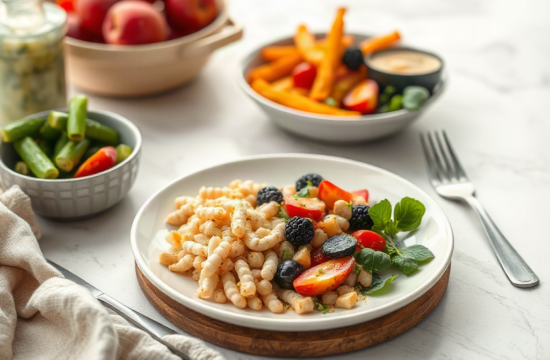
Common pitfalls in calorie counting methods include inaccurate portion sizes, neglecting hidden calories, and relying on faulty tracking tools. These issues can lead to underestimating or overestimating calorie intake, ultimately hindering weight management goals. To overcome these pitfalls, it is essential to measure portions accurately, be mindful of all food components, and use reliable apps or journals for tracking. Prioritizing these practices can improve the accuracy of your calorie counting efforts.
Inaccurate Portion Sizes
The first significant pitfall in calorie counting methods is the frequent inaccuracy of portion sizes. Many individuals underestimate or overestimate the amount of food they consume, leading to significant discrepancies in their calorie tracking. For example, a standard serving of pasta is typically 1 cup, but many people may serve themselves 1.5 cups or more without realizing it. This misunderstanding can lead to an inaccurate calorie count, affecting dietary goals.
To mitigate this issue, utilizing measuring cups or a kitchen scale can provide a more accurate representation of portion sizes. It’s important to familiarize oneself with standard serving sizes and to keep a consistent method of measuring. Furthermore, using visual aids, such as comparing portion sizes to common objects (e.g., a fist or a deck of cards), can help solidify an understanding of appropriate servings.
Neglecting Hidden Calories
Another common pitfall is neglecting hidden calories that can significantly impact overall caloric intake. Many foods and beverages contain calories that are easily overlooked, such as dressings, sauces, beverages, and snacks. For instance, a salad may seem healthy but could be laden with high-calorie dressings or toppings that add hundreds of calories without realization.
Awareness is key to overcoming this pitfall. Reading nutrition labels and being mindful of the ingredients in food items can help identify hidden calories. Keeping a food diary that includes all consumed items, even those that seem negligible, can provide a clearer picture of overall intake. Furthermore, opting for low-calorie alternatives or measuring out condiments can help control hidden calorie consumption.
Reliance on Faulty Tracking Tools
Reliance on faulty tracking tools is another pitfall in calorie counting. Many apps and websites may not have accurate calorie counts for various foods or may not account for variations in preparation methods. For example, the calorie content of a grilled chicken breast may differ significantly from that of a fried chicken breast, yet both may be listed under similar categories in some apps.
To avoid this, it’s crucial to select reputable tracking tools that use comprehensive databases. Cross-referencing with reliable sources, such as the USDA FoodData Central, can provide a more accurate calorie count. Additionally, users should consider customizing their entries based on their specific preparation methods to further enhance accuracy. Regularly updating and reviewing the accuracy of these tools can help maintain effective calorie counting.
Ignoring Nutritional Quality
Focusing solely on calorie count while ignoring nutritional quality can also lead to pitfalls in dieting. Some individuals may meet their calorie goals by consuming low-quality, processed foods, which can lead to nutrient deficiencies and poor health outcomes. For instance, consuming a large quantity of sugary snacks may fit within a daily calorie limit but fail to provide essential nutrients needed for overall health.
To address this pitfall, it’s essential to prioritize nutrient-dense foods that provide vitamins, minerals, and other beneficial compounds. Incorporating a variety of whole foods, such as fruits, vegetables, lean proteins, and whole grains, can help ensure that the body receives the necessary nutrients while managing calorie intake. Keeping a balanced focus on both caloric content and nutritional value can enhance overall health and support weight management efforts.
Frequently Asked Questions
What are the most common mistakes in calorie counting?
Common mistakes include inaccurate portion sizes, neglecting hidden calories, and relying on unreliable tracking tools.
How can I improve my calorie counting accuracy?
Utilize measuring tools, read nutrition labels, and choose reputable tracking apps to enhance accuracy.
Are all calories equal?
No, calories from nutrient-dense foods provide more health benefits than those from processed foods.
What should I do if I hit a weight loss plateau?
Reevaluate your calorie intake, consider adjusting portion sizes, and focus on food quality to break through plateaus.
Is it necessary to track every calorie?
While tracking can be beneficial, it's not always necessary. Focus on overall dietary patterns and nutrient quality as well.
Conclusion
Understanding common pitfalls in calorie counting methods is essential for effective weight management. By focusing on accurate portion sizes, being mindful of hidden calories, using reliable tracking tools, and considering nutritional quality, individuals can enhance their calorie counting efforts. Prioritizing these practices not only improves accuracy but also supports overall health and well-being. Taking actionable steps to address these pitfalls can lead to more successful dietary outcomes.