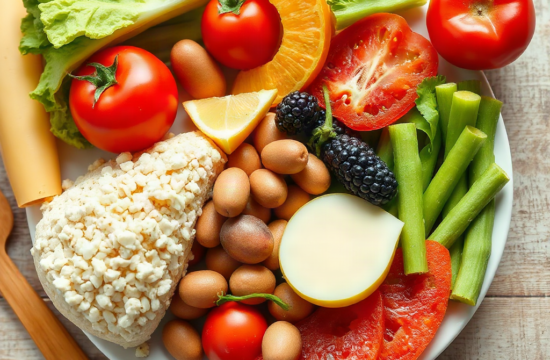

Many people mistakenly believe that simply cutting calories will help them lose weight without considering the quality of the foods they consume. For instance, a diet high in processed foods and sugars can leave you feeling unsatisfied, leading to overeating. On the other hand, incorporating nutrient-dense foods can enhance satiety, helping you feel full longer and reducing overall calorie intake. Prioritizing protein and fiber can stabilize blood sugar levels, which is key to managing hunger.
A common mistake is relying on low-calorie diets that lack essential nutrients. This often results in nutrient deficiencies that can increase cravings. Additionally, skipping meals or not eating enough can lead to overcompensation later in the day. It’s important to eat regular meals that include a balance of macronutrients to support your body’s needs and curb unnecessary hunger.
The Role of Protein in Hunger Regulation
Protein plays a vital role in regulating hunger and satiety. Foods rich in protein are known to promote feelings of fullness more effectively than carbohydrates or fats. This is due to protein’s ability to influence the release of hormones that signal satiety, such as peptide YY and glucagon-like peptide-1 (GLP-1).
Incorporating adequate protein into each meal can help control hunger throughout the day. For instance, having a protein-rich breakfast, such as eggs or Greek yogurt, can reduce cravings later in the day. Moreover, high-protein diets have been linked to reduced overall calorie intake, making it easier to manage weight without feeling deprived.
A common oversight is underestimating protein needs. Many people do not consume enough protein, especially on calorie-restricted diets. Prioritizing protein sources like lean meats, legumes, and dairy can significantly impact hunger management and overall health.
Impact of Fiber on Satiety
Fiber is another essential component of a diet that influences hunger. High-fiber foods take longer to digest, which helps you feel full for an extended period. Foods such as fruits, vegetables, whole grains, and legumes are excellent sources of fiber.
When you include more fiber in your meals, you not only enhance satiety but also support digestive health. For instance, a meal that combines whole grains with vegetables and a protein source can keep you full longer than a meal that lacks fiber. This can help prevent unnecessary snacking and overeating.
However, many individuals fail to meet their daily fiber requirements. Focusing on gradually increasing fiber intake can help your body adjust and improve feelings of fullness. Aim for a variety of fiber sources to benefit from both soluble and insoluble fibers, which work together to regulate hunger.
The Effects of Sugar on Cravings
Added sugars can significantly impact hunger and cravings. Consuming foods high in sugar can lead to rapid spikes in blood glucose levels, followed by sharp declines that trigger feelings of hunger shortly after eating. This cycle can create a pattern of constant snacking and overeating.
To minimize sugar-induced cravings, it’s essential to limit processed foods and beverages high in added sugars. Instead, focus on naturally sweet foods like fruits, which provide fiber and nutrients along with their sugars. This approach can help stabilize blood sugar levels and reduce hunger.
A common mistake is not recognizing the hidden sugars in many packaged foods. Reading labels carefully and choosing whole, unprocessed foods can help mitigate the effects of sugar on your appetite and overall health.
Support Your Weight Loss Goals
Huge Discount on the Best Certified Organic Nutrient Dense Supplement!
Practical Dietary Changes to Manage Hunger
To effectively manage hunger, consider incorporating the following dietary changes: focus on whole foods, increase protein and fiber intake, and reduce added sugars. Prepare meals that combine these elements to promote satiety and prevent cravings.
- Prioritize meals with a balance of protein, healthy fats, and fiber.
- Incorporate snacks that combine protein and fiber, such as nuts and fruits.
- Avoid skipping meals to maintain stable energy levels and prevent overeating later.
Additionally, staying hydrated can also help control hunger. Sometimes, thirst is mistaken for hunger, so drinking enough water throughout the day can help distinguish between the two. By making these adjustments, you can create a dietary pattern that supports your hunger management goals.
Further Reading
Authoritative Sources
- Dietary Protein and Hunger Regulation
ncbi.nlm.nih.govThis article discusses the role of dietary protein in regulating hunger and satiety hormones
- The Role of Dietary Fiber in Hunger Regulation
ncbi.nlm.nih.govThis resource explores how dietary fiber influences satiety and hunger signals
- Impact of Added Sugar on Health
healthline.comAn overview of how added sugars affect health, including their role in hunger and cravings
Frequently Asked Questions
What foods should I eat to reduce hunger?
Focus on high-protein and high-fiber foods such as lean meats, legumes, whole grains, fruits, and vegetables to enhance satiety.
Can drinking water help with hunger?
Yes, staying hydrated can help distinguish between thirst and hunger, potentially reducing unnecessary snacking.
How can I manage sugar cravings?
Limit processed foods high in added sugars and opt for whole foods like fruits, which provide nutrients and fiber.
Is it okay to skip meals to lose weight?
Skipping meals can lead to increased hunger and overeating later; it’s better to eat regular meals to maintain stable energy levels.
How much protein do I need to feel full?
Individual protein needs vary, but aiming for 20-30 grams of protein per meal can help promote satiety.
Conclusion
To wrap up, understanding why your diet may be increasing your hunger is essential for effective weight management. By focusing on high-protein and high-fiber foods, reducing added sugars, and maintaining regular meal patterns, you can better control your appetite. Prioritize nutrient-dense meals that support satiety and prevent cravings. Taking these steps can lead to a more balanced diet and improved well-being, making it easier to achieve your health goals.
Support Your Weight Loss Goals
Huge Discount on the Best Certified Organic Nutrient Dense Supplement!
Related Content
- 10 Effective low carb diet ideas (2025) to Boost Your Results
- What’s the Best Diet for Weight Loss? Here’s the Answer
- The Ultimate Guide to a Balanced Diet for Fat Loss in 2025: 7 Effective Strategies
- 10 Effective Sleep and Fat Loss Strategies for 2025 That Boost Results
- How to Maintain Muscle While Losing Body Fat: Essential Foods and Effective Strategies