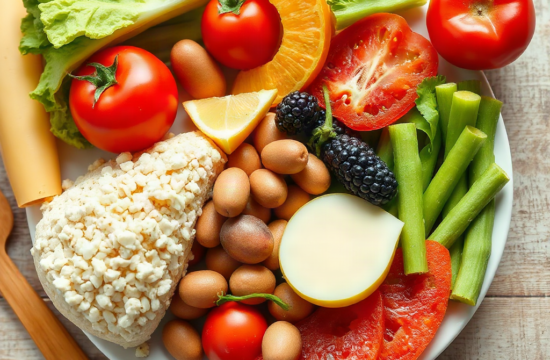
Meal prep fails for some people primarily due to inadequate planning and a lack of meal variety. Many individuals do not allocate enough time for preparation, leading to rushed decisions that often result in unhealthy eating habits. Additionally, repetitive meals can cause boredom, making it hard to maintain motivation. To improve meal prep success, it's essential to set realistic goals and incorporate a diverse range of recipes, which can keep the process enjoyable and sustainable.
Understanding the Importance of Meal Prep
Meal prep is a crucial aspect of maintaining a healthy diet and achieving nutritional goals. It allows individuals to save time, reduce stress during the week, and ensure that healthy food choices are readily available. However, many people struggle with meal prep, leading to frustration and eventual abandonment of the practice. Understanding why meal prep is essential can help motivate individuals to overcome these hurdles and stick to their plans.
Meal prepping not only saves time but also promotes better eating habits by reducing the temptation to opt for unhealthy convenience foods. When meals are prepared ahead of time, individuals can easily adhere to their dietary plans, making it easier to achieve weight management or health improvement goals. Despite its advantages, meal prep can fail if not approached correctly.
Common Pitfalls in Meal Prep
Several common mistakes can lead to meal prep failures. One significant issue is poor planning. Without a clear strategy for what to prepare, individuals may find themselves overwhelmed and unsure of how to proceed. This can result in last-minute decisions that lead to unhealthy eating choices.
Another frequent pitfall is lack of variety. Preparing the same meals repeatedly can lead to boredom, making it difficult to stay committed to the meal prep routine. Additionally, unrealistic expectations about the time and effort required can lead to burnout. Many individuals underestimate the time it takes to plan, shop, and cook meals, which can lead to frustration and ultimately dropping the practice.
Strategies for Successful Meal Prep
To ensure meal prep success, individuals should start with effective planning. Creating a weekly menu can help streamline the process and provide a clear framework for shopping and cooking. It’s beneficial to set aside a specific day for meal prep, allowing for focused time to prepare meals without distractions.
Another strategy is batch cooking, where larger quantities of food are prepared at once. This not only saves time but also ensures that meals are available for several days. Incorporating a variety of ingredients and recipes can keep meals interesting and enjoyable. It can also help individuals meet their nutritional needs by providing a range of vitamins and minerals.
Maintaining Variety in Your Meal Prep
Incorporating variety into meal prep is essential for long-term sustainability. One effective approach is to rotate different proteins, vegetables, and grains each week. This not only prevents meal fatigue but also encourages exploration of new flavors and cuisines. Trying out seasonal ingredients can also enhance the diversity of meals and keep the meal prep process exciting.
Moreover, experimenting with different cooking methods can add an element of fun to meal prep. Grilling, roasting, steaming, or stir-frying can transform the same ingredients into entirely different meals, keeping the menu fresh and appealing. It’s important to listen to one’s preferences and adjust the meal prep strategy accordingly to maintain motivation and enthusiasm.
For those looking to deepen their understanding of meal prep, consider exploring resources that provide insights into healthy cooking methods, meal planning strategies, and nutritional information. These can offer valuable guidance to enhance your meal prep journey.
Support Your Weight Loss Goals
Huge Discount on the Best Certified Organic Nutrient Dense Supplement!
Frequently Asked Questions
What are the main reasons meal prep fails?
Meal prep often fails due to poor planning, lack of variety, and unrealistic expectations about time and effort required.
How can I make meal prep more enjoyable?
Incorporate a variety of recipes, experiment with cooking methods, and include seasonal ingredients to keep meals interesting.
What should I prepare for meal prep?
Focus on a balance of proteins, vegetables, and whole grains, and consider batch cooking versatile dishes that can be used in multiple meals.
How often should I meal prep?
Many people find success in meal prepping weekly, but it can be adjusted based on personal schedules and preferences.
Can meal prep help with weight management?
Yes, meal prep can assist with weight management by ensuring healthy meals are readily available, reducing the likelihood of unhealthy choices.
Conclusion
Meal prep can be a powerful tool for maintaining a healthy lifestyle, but it requires thoughtful planning and flexibility. By understanding common pitfalls, implementing effective strategies, and ensuring variety, individuals can enhance their meal prep experience. Focus on setting achievable goals, experimenting with new recipes, and making the process enjoyable to sustain this beneficial practice over time.
Support Your Weight Loss Goals
HUGE DISCOUNT ON THE BEST CERTIFIED ORGANIC NUTRIENT DENSE SUPPLEMENT!
Related Content
- 10 Effective healthy diet tips for weight loss in 2025: The Ultimate Guide
- Mastering the Basics: Discover The Most Effective Dieting Tips for Beginners to Kickstart Your Journey
- Can Organic Superfoods Transform Your Weight Loss Journey?
- How to Adjust Your Diet for Physical Activity Levels: Key Foods and Nutritional Strategies
- Get On The Path To Weight Loss With These Great Tips