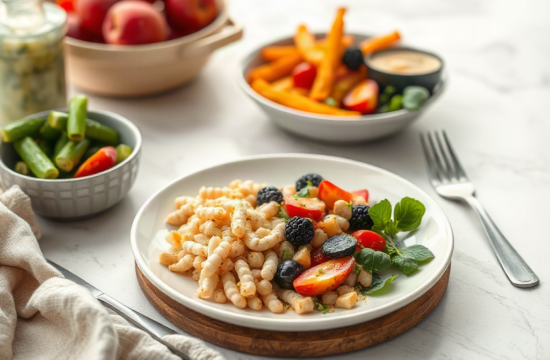

Instead of getting lost in complex diets or calorie counting, concentrate on making healthier food choices and staying active.
These foods are not only nutritious but also help you feel full longer, reducing the temptation to snack on less healthy options. Additionally, incorporating regular physical activity into your routine—whether through walking, cycling, or group classes—can significantly enhance your weight loss efforts.
Prioritizing whole foods is essential for healthy weight loss. Incorporating a variety of fruits and vegetables can boost your fiber intake, helping you feel satisfied without consuming excess calories.
Focus on Whole Foods
Prioritizing whole foods is essential for healthy weight loss. These foods are nutrient-dense and often lower in calories compared to processed options. Incorporating a variety of fruits and vegetables can boost your fiber intake, helping you feel satisfied without consuming excess calories.
When choosing foods, aim to fill your plate with colorful vegetables and fruits, lean proteins, and whole grains. This not only supports weight loss but also improves overall health. Avoiding processed foods, which are often high in sugars and unhealthy fats, can further enhance your weight loss journey.
Establish a Consistent Exercise Routine
A consistent exercise routine is crucial for weight management. Engage in physical activities that you enjoy, which makes it easier to stick with a regular workout schedule. Aim for a mix of cardiovascular exercises, strength training, and flexibility workouts.
Start with manageable goals, such as walking for 30 minutes a day or attending a weekly fitness class. Gradually increase your activity level as you become more comfortable. Remember, consistency is key, and finding enjoyment in your workouts can help you stay motivated over time.
Mindful Eating Practices
Mindful eating involves paying attention to your food choices and eating habits. This practice can help you recognize hunger cues and prevent overeating. Instead of eating mindlessly while distracted, take time to savor each bite and enjoy the flavors and textures of your meals.
To practice mindful eating, try to eliminate distractions while eating, such as watching TV or scrolling through your phone. Focus on your meal, and listen to your body’s signals of fullness. This can help you develop a healthier relationship with food and make more conscious choices.
Avoid Overthinking and Stress
Overthinking can lead to stress, which may negatively impact your weight loss efforts. It’s essential to approach dieting with a positive mindset and avoid getting bogged down by details. Setting realistic goals and being kind to yourself during the process can help alleviate pressure.
Support Your Weight Loss Goals
Huge Discount on the Best Certified Organic Nutrient Dense Supplement!
Instead of fixating on every detail, concentrate on making gradual changes that fit your lifestyle. This approach can lead to a more enjoyable weight loss journey without the mental exhaustion that often accompanies strict dieting.
Frequently Asked Questions
What are some simple ways to start losing weight?
Begin by incorporating more whole foods into your diet, such as fruits, vegetables, and lean proteins, while reducing processed foods and sugars.
How can I maintain motivation while losing weight?
Find enjoyable activities and set realistic goals for exercise to help maintain motivation and make your weight loss journey more enjoyable.
Is tracking calories necessary for weight loss?
No, tracking calories can sometimes lead to overthinking. Focus on healthy food choices and portion sizes instead.
What role does stress play in weight loss?
Stress can lead to emotional eating and weight gain. Managing stress through mindfulness practices can support your weight loss efforts.
How important is exercise for weight loss?
Exercise is crucial for burning calories and improving overall health. Aim for regular physical activity to complement your diet.