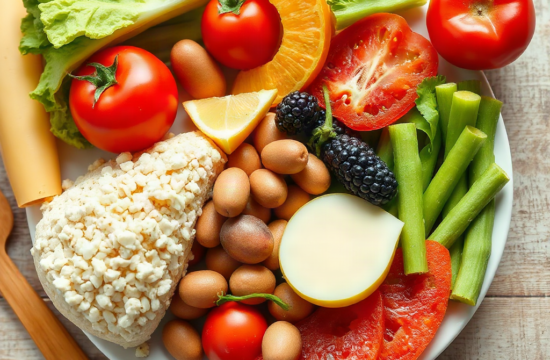

Many people believe that weight loss requires severe restrictions, leading to feelings of deprivation and frustration. However, this approach often backfires, resulting in binge eating or abandoning diets altogether. Instead, embracing a flexible eating plan that accommodates your preferences and includes enjoyable foods can foster a healthier relationship with food and promote sustainable weight loss.
A common mistake is to view weight loss as a temporary phase rather than a lifestyle change. This mindset can lead to yo-yo dieting and feelings of guilt when indulging. To effectively lose weight without feeling deprived, it’s crucial to adopt long-term habits that prioritize health and satisfaction, allowing for occasional indulgences.
Understanding Balanced Meal Plans
A balanced meal plan is essential for losing weight without feeling deprived. It includes a variety of food groups that provide essential nutrients while keeping you satisfied. This means integrating lean proteins, whole grains, healthy fats, fruits, and vegetables into your daily meals. By doing so, you create a nutrient-dense diet that supports your weight loss goals.
When planning your meals, focus on portion sizes and the quality of your food. For instance, opt for whole grains instead of refined grains, and choose lean sources of protein like chicken, fish, or legumes. This not only helps with weight management but also supports overall health. Understanding the right balance of macronutrients tailored to your needs can make a significant difference.
Moreover, meal prepping can be a game-changer. By preparing meals in advance, you reduce the temptation to reach for unhealthy options when hunger strikes. This proactive approach ensures that you have healthy, satisfying meals ready to go, making it easier to stick to your weight loss plan without feeling deprived.
Incorporating Satisfying Foods
To avoid feelings of deprivation, it’s crucial to include satisfying foods in your diet. Foods that are high in fiber and protein can help you feel full longer, reducing the urge to snack excessively. Incorporating items like beans, whole grains, nuts, and seeds into your meals can enhance satiety.
Consider adding healthy fats to your diet as well. Foods like avocado, olive oil, and fatty fish not only provide essential nutrients but also promote a feeling of fullness. This combination of fiber, protein, and healthy fats plays a significant role in preventing cravings and ensuring you enjoy your meals.
Occasional treats should also be part of your eating strategy. Allowing yourself to indulge in your favorite foods in moderation can prevent feelings of deprivation. The key is to savor these treats mindfully, making them a pleasurable part of your overall eating experience without derailing your progress.
Mindful Eating Practices
Mindful eating is a powerful practice that can enhance your weight loss journey. It encourages you to focus on the experience of eating, helping you recognize hunger and fullness cues. By paying attention to your body’s signals, you can prevent overeating and make more conscious food choices.
One effective technique is to eat slowly and without distractions. This allows you to enjoy your meals fully and helps you notice when you are satisfied. Additionally, consider keeping a food journal to track your eating habits and emotions associated with food. This practice can reveal patterns that may contribute to overeating or unhealthy choices.
Support Your Weight Loss Goals
Huge Discount on the Best Certified Organic Nutrient Dense Supplement!
Moreover, cultivating gratitude for your meals can enhance your eating experience. Acknowledging the effort that goes into preparing food and appreciating the flavors can foster a healthier relationship with food and reduce feelings of deprivation.
Addressing Common Mistakes
One of the most significant mistakes in weight loss is adopting an all-or-nothing mentality. This mindset can lead to feelings of guilt when you indulge, causing you to abandon your efforts altogether. Instead, focus on balance and moderation. Understanding that occasional indulgences are part of a healthy lifestyle can help you stay committed to your goals.
Another common pitfall is neglecting hydration. Many people confuse thirst with hunger, leading to unnecessary snacking. Ensure you drink plenty of water throughout the day to stay hydrated. Incorporating herbal teas or flavored water can also make hydration more enjoyable.
Lastly, avoid comparing your journey to others. Each person’s body is unique, and what works for one individual may not work for another. Focus on your progress and celebrate small victories along the way to maintain motivation without feeling deprived.
Further Reading
Authoritative Sources
- Ready.gov
ready.govOfficial U.S. preparedness guidance, checklists, and planning resources for households and emergencies.
- FEMA
fema.govFederal emergency management resources, disaster planning information, and recovery guidance.
- American Red Cross Emergency Preparedness
redcross.orgPractical emergency preparation steps, supply lists, and safety guidance for families.
- National Weather Service
weather.govOfficial forecasts, hazard alerts, and weather safety information.
- CDC Emergency Preparedness and Response
cdc.govPublic health guidance for emergencies, disasters, and recovery situations.
Frequently Asked Questions
Can I eat my favorite foods while losing weight?
Yes, incorporating your favorite foods in moderation can help prevent feelings of deprivation and make your weight loss journey more enjoyable.
How can I control portion sizes effectively?
Using smaller plates, measuring servings, and being mindful of hunger cues can help you control portion sizes effectively.
What role does hydration play in weight loss?
Staying hydrated can help control hunger and prevent overeating, as people often confuse thirst for hunger.
Is it necessary to eliminate carbs to lose weight?
No, eliminating carbs is not necessary for weight loss. Focus on choosing whole grains and balanced meals instead.
How can I stay motivated during my weight loss journey?
Setting realistic goals, tracking progress, and celebrating small achievements can help maintain motivation throughout your weight loss journey.
Conclusion
Successfully losing weight without feeling deprived involves adopting a balanced approach to eating that prioritizes satisfaction and nourishment. By focusing on whole foods, practicing mindful eating, and incorporating occasional treats, you can create a sustainable lifestyle that supports your weight loss goals. Remember to stay patient with yourself, embrace the process, and celebrate your progress along the way.